Discover the world. Create memories that last a lifetime.

Travel guides, hidden gems, and smart itineraries to help you explore better.
Lisbon for the First Time: A Complete Travel Guide to Portugal’s Most Atmospheric City


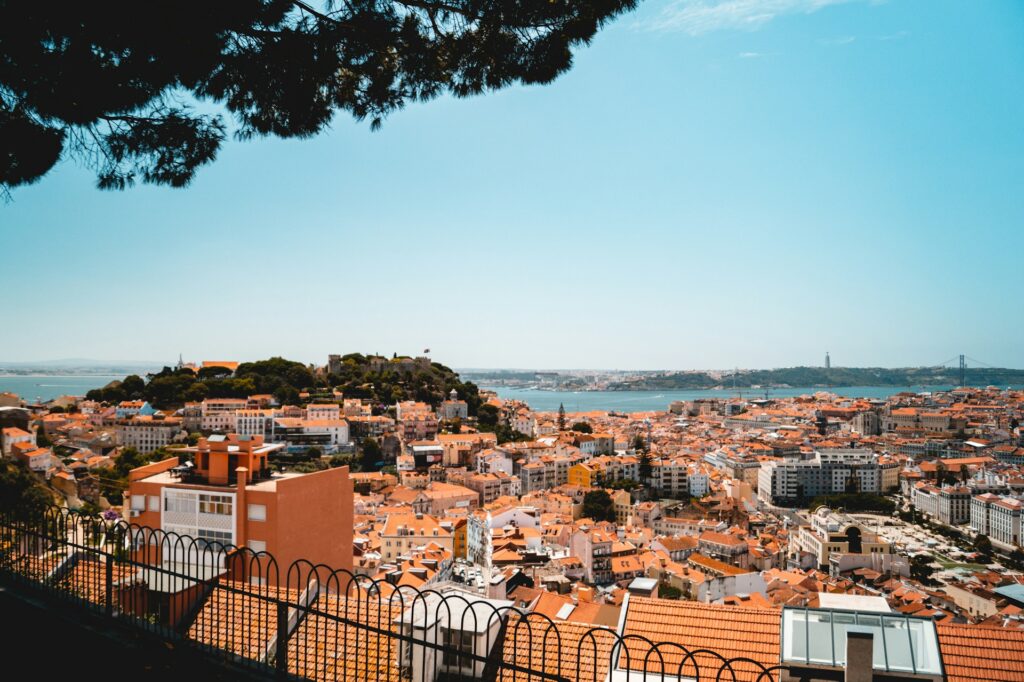
Some cities impress you immediately through scale or famous landmarks. Lisbon works differently. What stays with you most is often the feeling of the city rather than any single attraction. The sound of old trams climbing steep streets, the warm light reflecting across tiled buildings, the quiet viewpoints overlooking red rooftops and the Tagus River — everything about Lisbon feels layered with atmosphere.
What surprised me most when visiting Lisbon for the first time was how emotional the city felt. There’s a softness to it that’s difficult to describe properly until you experience it yourself. Even when the streets are busy, Lisbon rarely feels rushed. Life unfolds slowly here, and after a while, you begin to move at the same pace as the city around you.
For first-time visitors, Lisbon offers something rare among European capitals. It feels historic without becoming heavy, vibrant without feeling chaotic, and beautiful without trying too hard to impress. The city reveals itself gradually through walks, conversations, viewpoints, cafés, and moments that often happen when you aren’t planning anything at all.
Articles Recommended:
- Prague for the First Time: A Complete Travel Guide to the City of a Hundred Spires
- Vienna for the First Time: A Complete Travel Guide to Austria’s Most Elegant City
First Impressions of Lisbon
Arriving in Lisbon feels different from arriving in many other European cities because of how quickly the atmosphere becomes noticeable. The hills immediately shape your experience. Streets rise and fall constantly, opening suddenly into panoramic viewpoints before narrowing again into quiet residential alleys.
The city feels textured. Old buildings covered in azulejo tiles stand beside faded facades, laundry hangs from balconies above tram tracks, and sunlight reflects differently here than in most other capitals. Lisbon’s light is something people often mention, and after spending time there, it becomes easy to understand why. The city seems to glow in the late afternoon, especially near the river or from one of the many miradouros overlooking the rooftops below.
At first, Lisbon can feel slightly unstructured. Streets twist unexpectedly, neighborhoods blend into one another, and maps rarely capture how the city actually feels when walking through it. But after a while, that unpredictability becomes one of Lisbon’s greatest strengths. The city feels less like a checklist of attractions and more like a place to experience gradually.
What Makes Lisbon Feel Different
What makes Lisbon memorable isn’t simply its appearance. It’s the mood the city creates.
There’s a quiet nostalgia woven into everyday life here. You hear it in the sound of trams moving through narrow streets, in traditional cafés that seem unchanged for decades, and in the slower rhythm that defines daily life. At the same time, Lisbon feels creative and modern, with contemporary restaurants, independent shops, and younger energy blending naturally into historic neighborhoods.
That contrast gives the city personality. Lisbon never feels frozen in time, but it also doesn’t feel disconnected from its history. Everything exists together — old and new, polished and imperfect, lively and calm.
What struck me most was how emotionally connected people seem to the city itself. Lisbon feels deeply local even while welcoming visitors from all over the world. That authenticity becomes more noticeable the longer you stay.
Articles Recommended:
- Tokyo for the First Time: A Complete Guide to Japan’s Most Dynamic City
- Rome for the First Time: A Complete Travel Guide to Italy’s Eternal City
Exploring Lisbon’s Neighborhoods
Lisbon is best experienced through its neighborhoods because each one changes the atmosphere of the city completely.
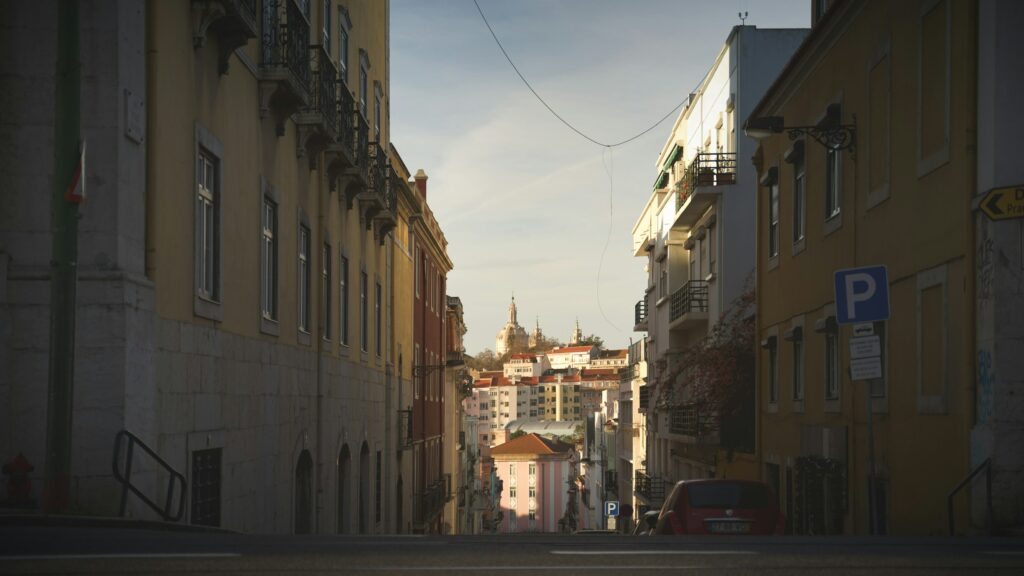
Alfama feels like the emotional heart of Lisbon. Narrow alleys climb steep hills beneath faded buildings, small cafés open quietly onto the streets, and traditional Fado music drifts through restaurants during the evenings. Walking through Alfama early in the morning or late at night feels entirely different from experiencing it during the middle of the day.
Bairro Alto changes the city’s energy again. During daylight hours, the streets feel calm and residential, but after sunset the area becomes one of Lisbon’s social centers. Small bars, restaurants, and terraces fill with conversation while people move slowly between streets that feel surprisingly intimate despite the activity.
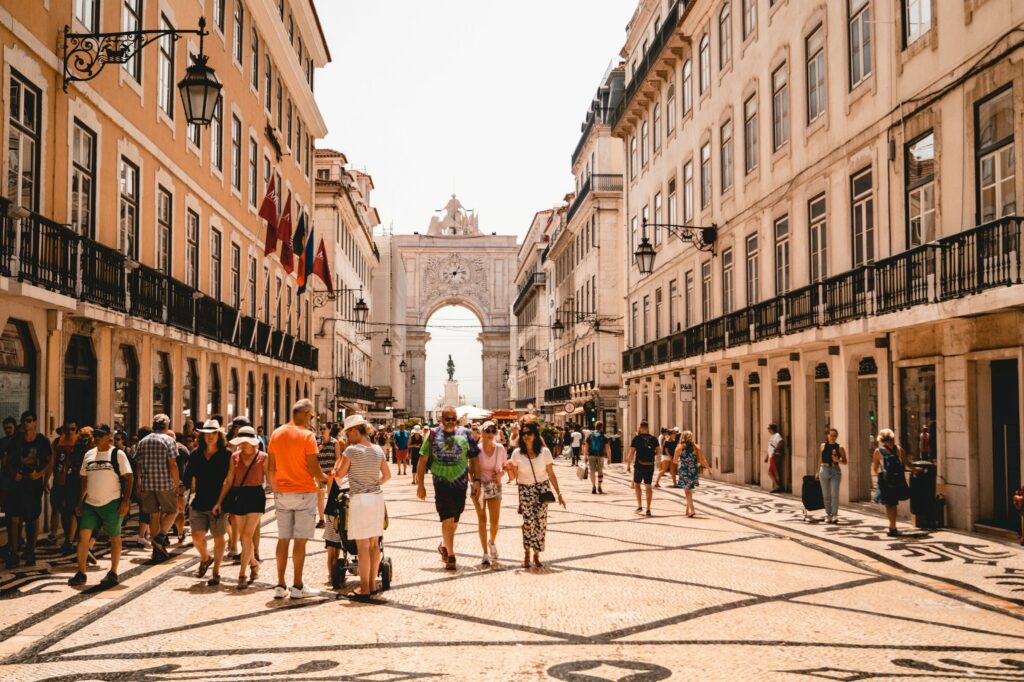
Chiado feels more elegant and literary, filled with historic cafés, bookstores, and quieter streets where Lisbon’s slower rhythm becomes especially noticeable. Nearby, Baixa offers broader avenues and a more open layout that contrasts sharply with the older hilltop districts.
What I appreciated most was how naturally these neighborhoods connect. Walking between them never feels repetitive because Lisbon constantly changes perspective through its hills, viewpoints, and shifting light.
The Trams, Viewpoints, and Rhythm of the City
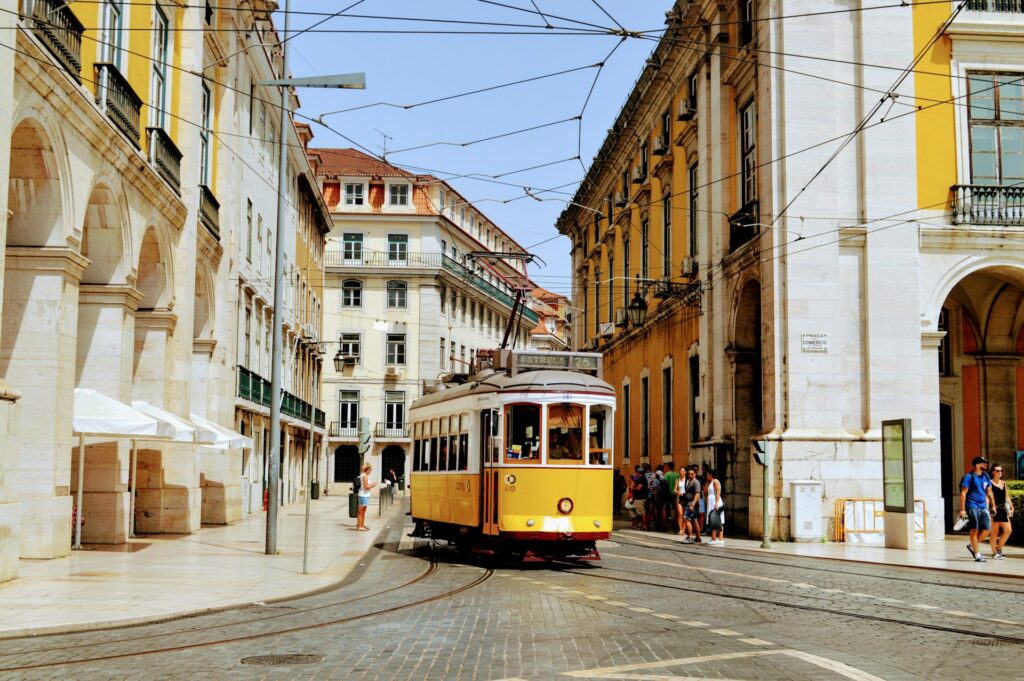
Few things define Lisbon more than its trams.
At first, they almost feel symbolic — part transportation, part moving postcard. But after spending time in the city, they begin to feel inseparable from Lisbon’s identity itself. Hearing the sound of a tram approaching through narrow streets quickly becomes part of the city’s atmosphere.
The viewpoints, or miradouros, shape Lisbon in a similar way. Because of the hills, the city constantly opens into panoramic scenes overlooking rooftops, churches, bridges, and the river beyond. Sunset transforms these spaces completely. Locals and visitors gather quietly, sitting beside one another while the city gradually changes color beneath them.
What makes these moments memorable is how unforced they feel. Lisbon doesn’t demand constant activity. Some of the best experiences come simply from sitting somewhere high above the city without needing to do anything else.
The rhythm of Lisbon encourages that kind of pause naturally.
Articles Recommended:
- How to Plan a 2-Week Europe Itinerary (Step-by-Step)
- The Most Beautiful Small Towns in Europe That Feel Like a Fairytale
Food, Cafés, and Everyday Life
Food in Lisbon feels deeply connected to everyday life. Small bakeries open early in the mornings, neighborhood cafés remain active throughout the day, and meals unfold slowly rather than quickly.
Pastéis de nata are obviously everywhere, but Lisbon’s food culture goes far beyond a single pastry. Seafood, grilled dishes, simple wines, and traditional Portuguese cooking shape much of the city’s identity. At the same time, modern restaurants and contemporary food spaces have become increasingly common, especially in newer areas of the city.
What stood out to me most was not necessarily the food itself, but the atmosphere surrounding it. People stay longer at cafés. Conversations stretch naturally across afternoons and evenings. Terraces remain full even late into the night without feeling rushed or loud.
Lisbon feels like a city where daily life still matters more than efficiency, and that changes the experience of visiting it.
Is Lisbon Expensive or Good Value?
Compared to many Western European capitals, Lisbon still offers relatively good value, although prices have increased noticeably in recent years.
Accommodation in central neighborhoods can become expensive during peak travel seasons, particularly in highly visited areas like Alfama or Chiado. However, food, public transportation, and everyday expenses often remain more accessible than in cities such as Paris or Amsterdam.
What makes Lisbon feel worth the cost is the overall experience surrounding it. Even simple moments — sitting at a viewpoint, walking through quiet streets at sunset, taking a tram through older neighborhoods — feel memorable without requiring expensive activities.
That balance between atmosphere and affordability is one of Lisbon’s biggest strengths for first-time visitors.
Articles Recommended:
- Amsterdam for the First Time: A Complete Travel Guide to the Netherlands’ Most Atmospheric City
- Budapest for the First Time: A Complete Travel Guide to Hungary’s Most Captivating City
Is Lisbon Easy for First-Time Visitors?
Lisbon is relatively easy to experience comfortably, though the hills can make the city more physically demanding than many travelers expect. Walking remains the best way to understand Lisbon properly, but the steep streets quickly become part of the experience itself.
Public transportation is reliable and easy to use, especially the metro, trams, and funiculars connecting different parts of the city. English is widely spoken in most central areas, making Lisbon approachable even for first-time European travelers.
The city generally feels safe and welcoming, especially in the main neighborhoods visitors spend most of their time exploring. Like any major city, awareness is important, but Lisbon overall feels relaxed rather than stressful.
What makes it especially accessible is how quickly the city becomes emotionally familiar. After only a short time, the streets stop feeling confusing and begin to feel personal.
How Many Days Should You Spend in Lisbon?
For a first visit, four to five days feels ideal.
That gives enough time to explore Lisbon slowly without reducing the experience to constant movement between attractions. The city rewards slower travel more than efficiency. Some of the most memorable moments often happen unexpectedly — a quiet café, a hidden staircase, a sunset viewpoint, or simply walking through a neighborhood with nowhere specific to be.
Lisbon also works well as part of a broader Portugal itinerary, especially when combined with places like Porto or the coastal towns nearby. But even on its own, the city offers enough atmosphere and depth to feel complete.
Articles Recommended:
- Best Budget Food Destinations Around the World (Eat Well for Less in 2026)
- What Europe Feels Like on Your First Trip (Beyond the Photos)
Final Thoughts
Lisbon leaves a lasting impression not because it overwhelms you, but because of how naturally it draws you into its rhythm.
It’s a city built on atmosphere, light, movement, and emotion more than spectacle. The hills, trams, viewpoints, tiled buildings, and slower pace all come together to create a place that feels deeply human despite its popularity.
For first-time visitors, Lisbon offers something increasingly rare in modern travel: a capital city that still feels personal.
And long after leaving, what many people remember most is not a specific landmark, but the feeling of being there — walking through warm streets at sunset while the city slowly unfolds around you.
Written & updated by Matteo — Travelupo
