Discover the world. Create memories that last a lifetime.

Travel guides, hidden gems, and smart itineraries to help you explore better.
Vienna for the First Time: A Complete Travel Guide to Austria’s Most Elegant City

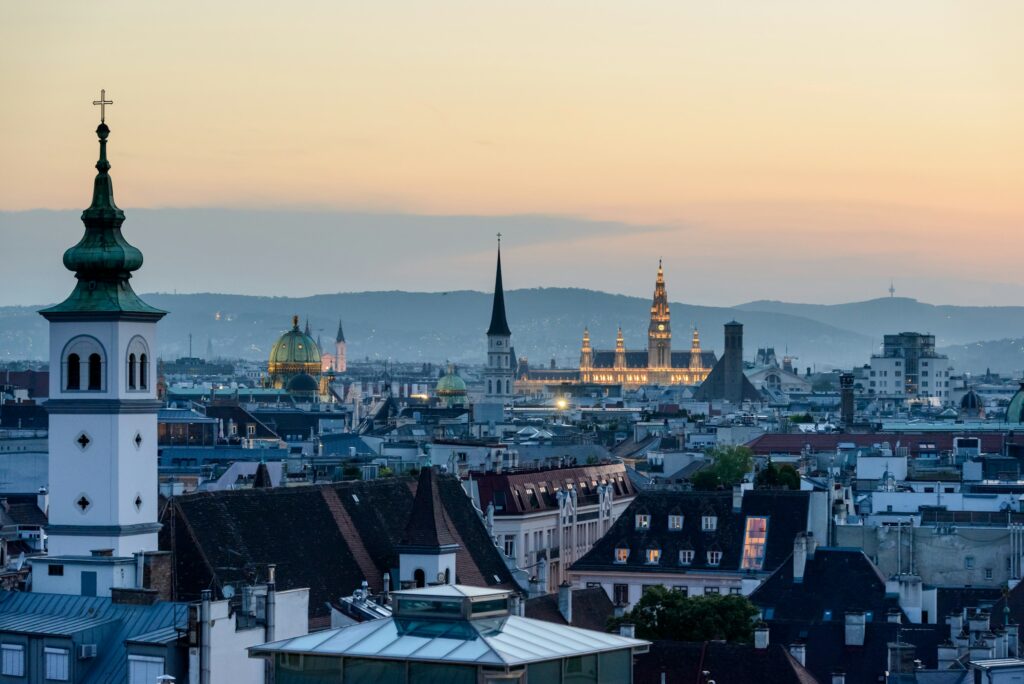
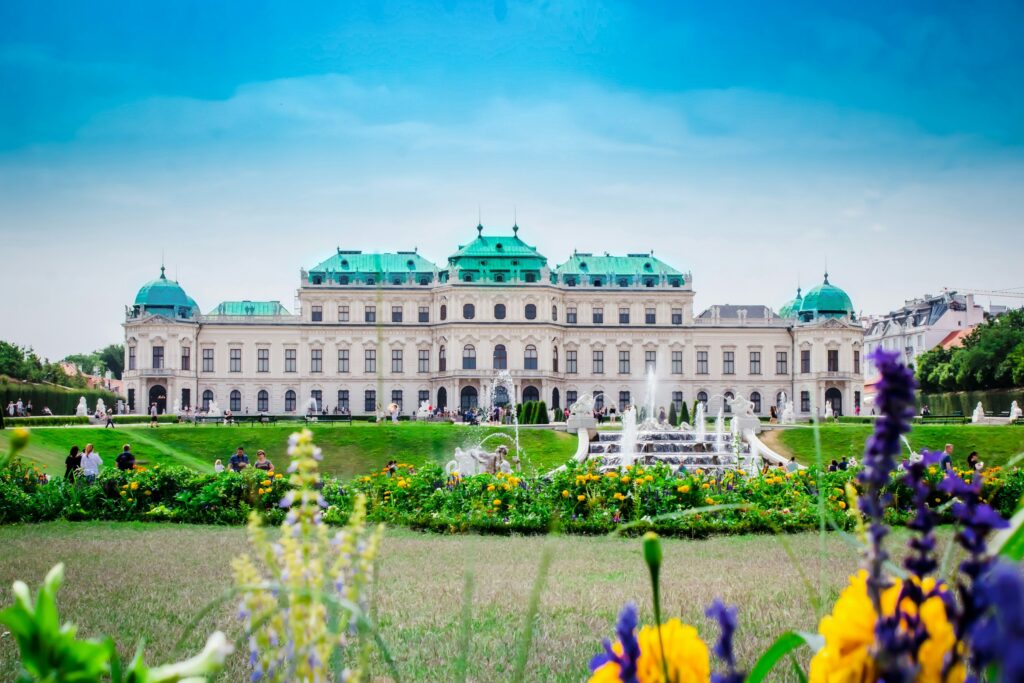
Vienna is not a city that tries to impress you immediately. It doesn’t rely on intensity, noise, or constant movement to capture your attention. Instead, it draws you in slowly, through a sense of balance that feels almost deliberate. Wide streets, symmetrical architecture, and carefully maintained spaces create an atmosphere that feels composed from the very beginning.
Arriving in Vienna for the first time feels different from arriving in most European capitals. There is no rush to understand everything at once. The city feels structured, almost measured, as if it was designed to be experienced at a steady pace rather than explored in a hurry. That initial calmness is not a lack of energy—it’s a different kind of energy, one that reveals itself over time.
For first-time visitors, Vienna offers something unique. It combines the grandeur of a historic capital with a level of comfort and clarity that makes it easy to navigate. You don’t need to push through crowds or constantly adjust your plans. Instead, the city allows you to move naturally, discovering its character without feeling overwhelmed.
Articles Recommended:
- Rome for the First Time: A Complete Travel Guide to Italy’s Eternal City
- Budapest for the First Time: A Complete Travel Guide to Hungary’s Most Captivating City
First Impressions of Vienna
The first thing that stands out in Vienna is space. Streets are wider, buildings are set back slightly, and everything feels proportioned in a way that creates room to breathe. Even in central areas, the city rarely feels crowded in the way other major destinations can.
The architecture immediately defines the experience. Imperial buildings, grand facades, and carefully designed public spaces create a sense of continuity throughout the city. Nothing feels out of place. Every street seems connected to a larger vision, one that has been preserved over time rather than constantly reshaped.
At the same time, Vienna doesn’t feel distant or overly formal. Beneath the elegance, there is a lived-in quality that becomes more noticeable the longer you stay. Cafés fill with conversation, locals move through the city with quiet confidence, and daily life continues without disruption from tourism.
This balance between structure and comfort is what shapes your first impression. Vienna doesn’t try to surprise you—it invites you to settle into it.
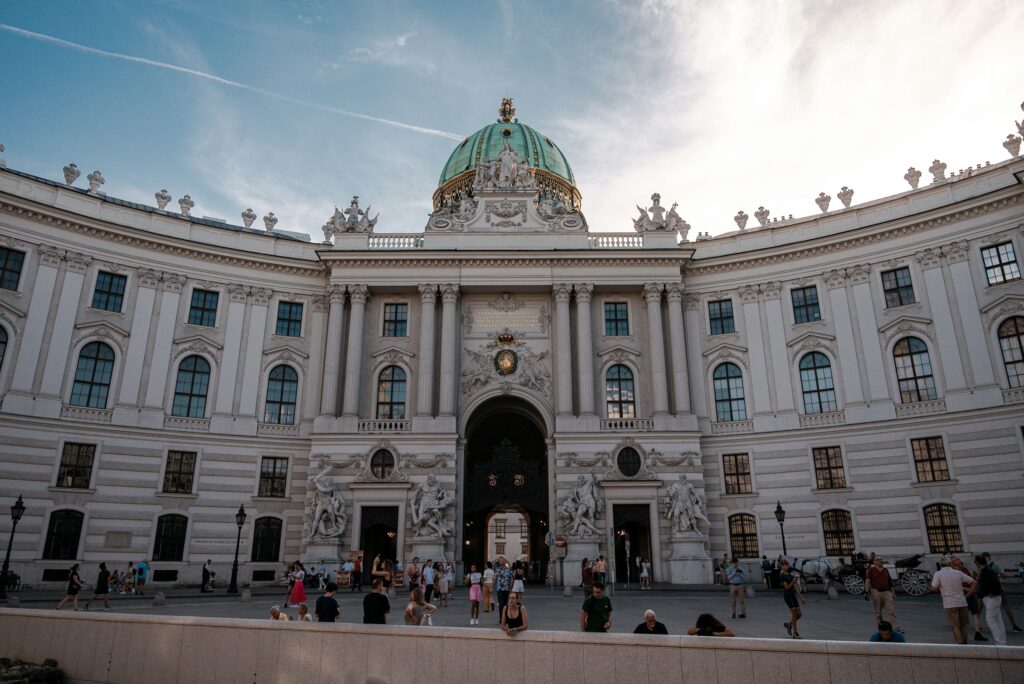
What Makes Vienna Feel Different
Vienna stands apart from many European cities because of its consistency. While other destinations often rely on contrast or variety, Vienna feels unified. The city’s identity is clear, and it doesn’t shift dramatically from one area to another.
That sense of consistency comes from its history as an imperial capital. Much of the city was designed with intention, and that intention is still visible today. Buildings align with one another, streets follow logical patterns, and public spaces feel planned rather than accidental.
But what truly makes Vienna different is its atmosphere. It is not driven by urgency. There is no sense that you need to see everything quickly or move constantly. Instead, the city encourages a slower approach. You begin to notice details—the way light falls across a building, the quiet sound of footsteps on stone streets, the rhythm of life that unfolds without interruption.
Vienna doesn’t rely on spectacle. Its strength lies in how complete it feels.
Articles Recommended:
- Prague for the First Time: A Complete Travel Guide to the City of a Hundred Spires
- How to Plan a 2-Week Europe Itinerary (Step-by-Step)
Exploring the City at a Natural Pace
Walking through Vienna is one of the easiest ways to understand it. The city is designed in a way that makes movement feel intuitive. Landmarks are connected by wide avenues, and even unfamiliar areas feel accessible.
The historic centre naturally becomes the starting point for most visitors. Here, the streets are filled with architectural detail, yet nothing feels crowded or overwhelming. The experience is less about moving from one attraction to another and more about allowing the city to guide you through its spaces.
As you move outward, Vienna becomes quieter, but not less interesting. Residential streets, small cafés, and local shops offer a different perspective—one that feels more connected to everyday life. These areas are where the city’s personality becomes more subtle, but also more genuine.
The further you explore, the more Vienna reveals itself as a place designed to be lived in, not just visited.
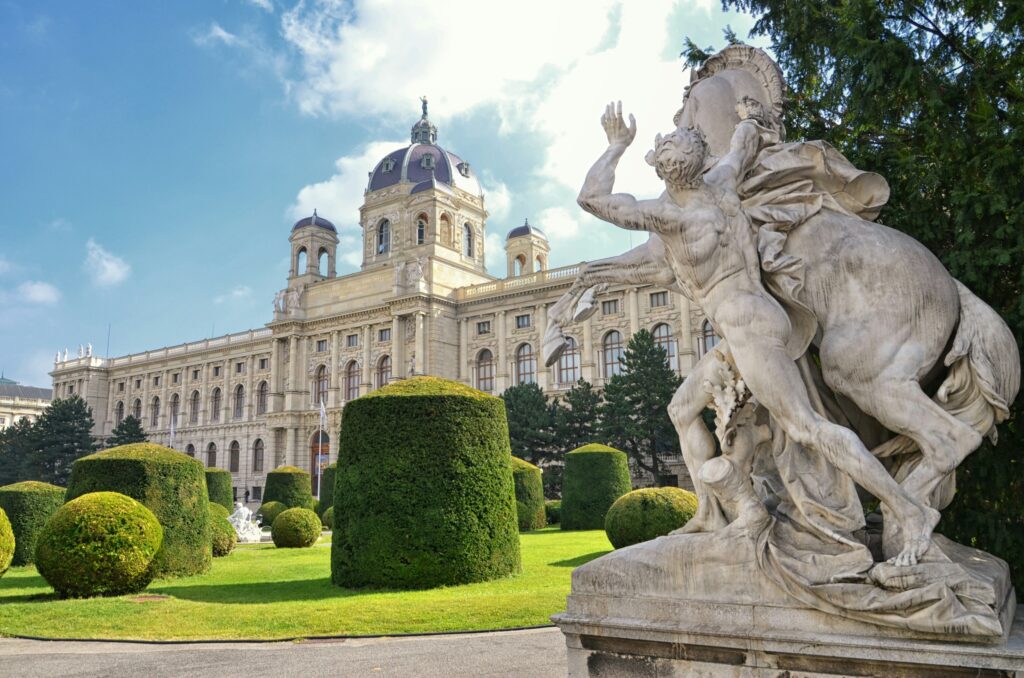
Café Culture and Daily Life
Vienna’s café culture is one of its defining features, but it’s not something that can be fully understood through description alone. It’s not just about coffee—it’s about time.
Sitting in a café in Vienna is rarely a quick stop. It’s an experience that unfolds slowly. People stay longer, conversations stretch out, and the atmosphere encourages you to pause rather than move on. This rhythm becomes part of your day, whether you plan for it or not.
What makes this culture stand out is how natural it feels. It’s not created for visitors. It exists as part of everyday life, and as a visitor, you simply step into it.
This slower pace extends beyond cafés. Meals, walks, and even simple moments feel less rushed. Over time, this begins to influence how you move through the city, making the experience feel more relaxed and more complete.
Articles Recommended:
- What Europe Feels Like on Your First Trip (Beyond the Photos)
- The Most Beautiful Small Towns in Europe That Feel Like a Fairytale
Food, Simplicity, and Refinement
Food in Vienna reflects the city’s overall character. It is refined without being complicated, traditional without feeling outdated. Dishes are often simple, but they are prepared with care and consistency.
There is a strong connection between food and setting. Meals are not separated from the atmosphere around them. Whether in a traditional restaurant or a small local spot, the experience feels integrated into the city itself.
At the same time, Vienna has quietly evolved. Modern dining options exist alongside traditional ones, creating a balance that doesn’t feel forced. You can experience both sides without needing to search for them.
The result is a food culture that feels stable, reliable, and aligned with the city’s identity.
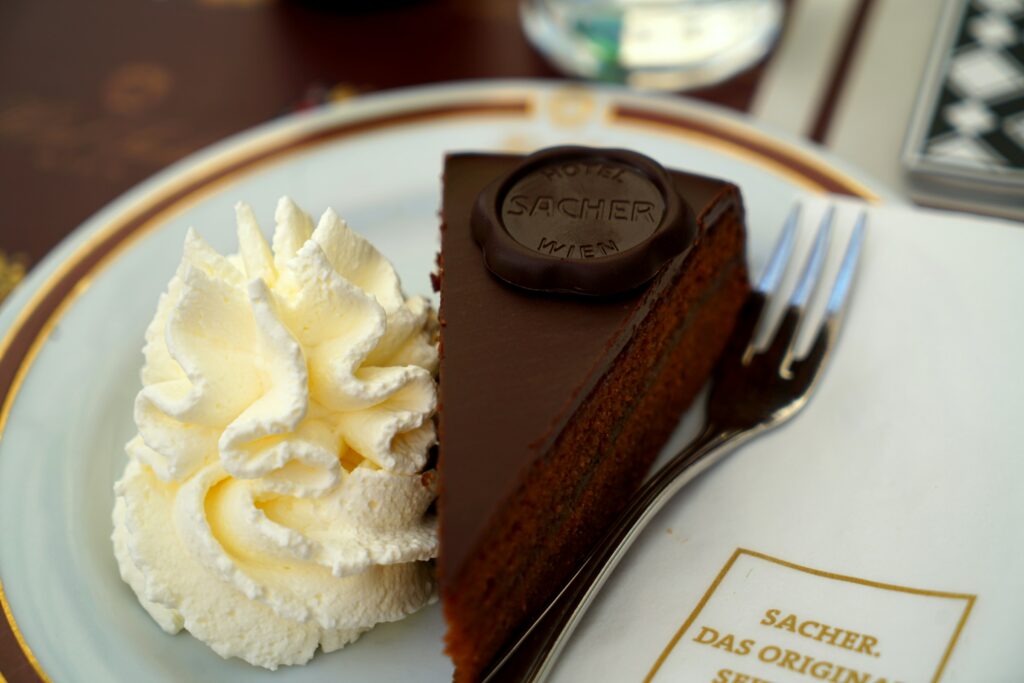
Is Vienna Expensive or Worth the Cost?
Vienna is not the cheapest city in Europe, but it offers a level of quality that justifies its cost. Accommodation, dining, and everyday expenses tend to be higher than in Central European cities like Budapest or Prague, but they are often more predictable.
What you gain in return is consistency. Services are reliable, spaces are well maintained, and the overall experience feels structured. This reduces the uncertainty that sometimes comes with travelling to less expensive destinations.
For first-time visitors, this balance can be particularly valuable. It allows you to focus on the experience rather than constantly managing your budget.
Vienna doesn’t feel expensive in a frustrating way. It feels measured, like the rest of the city.
Articles Recommended:
- Why Traveling Europe Changed the Way I See the World
- The First Time I Got Lost in Europe (And Why It Was the Best Thing That Happened)
Ease, Navigation, and Comfort
One of Vienna’s strongest advantages is how easy it is to navigate. The city’s layout is logical, and public transportation is efficient without being complicated. Even without planning extensively, it’s easy to move from one area to another.
Walking remains one of the best ways to explore, especially in central areas where distances are manageable. At the same time, trams and underground lines provide quick connections to areas that are further away.
This ease of movement creates a sense of confidence. You don’t feel lost or overwhelmed. Instead, you feel in control of your experience, which allows you to explore more freely.
That sense of comfort is one of the reasons Vienna works so well for first-time visitors.
How Many Days Do You Need in Vienna?
Vienna is a city that benefits from time, but not in an overwhelming way. A few days are enough to understand its structure and experience its main atmosphere.
Three days often feels balanced. It allows you to explore the central areas, experience the café culture, and move beyond the main streets without feeling rushed. Staying longer adds depth, but even a shorter visit can feel complete if approached at the right pace.
The key is not how much you see, but how you experience it. Vienna rewards those who take their time, even within a limited schedule.
Articles Recommended:
- 5-Day London Itinerary: From Big Ben to Stonehenge and Beyond
- A 7-Day Paris Itinerary for First-Time Visitors
Final Thoughts
Vienna is not a city built on intensity or constant movement. It doesn’t rely on dramatic contrasts or overwhelming impressions. Instead, it offers something quieter and more lasting.
For first-time visitors, Vienna provides clarity. It’s a place where everything feels connected, where the experience unfolds naturally, and where you don’t feel pressured to keep up with the city.
What stays with you after visiting Vienna is not a single moment or landmark, but a feeling of balance. It’s a city that doesn’t try to impress you quickly—but once it does, it stays with you in a way that feels steady and complete.
And that is what makes Vienna worth experiencing for the first time.
Written & updated by Matteo — Travelupo
