Discover the world. Create memories that last a lifetime.

Travel guides, hidden gems, and smart itineraries to help you explore better.
Prague for the First Time: A Complete Travel Guide to the City of a Hundred Spires

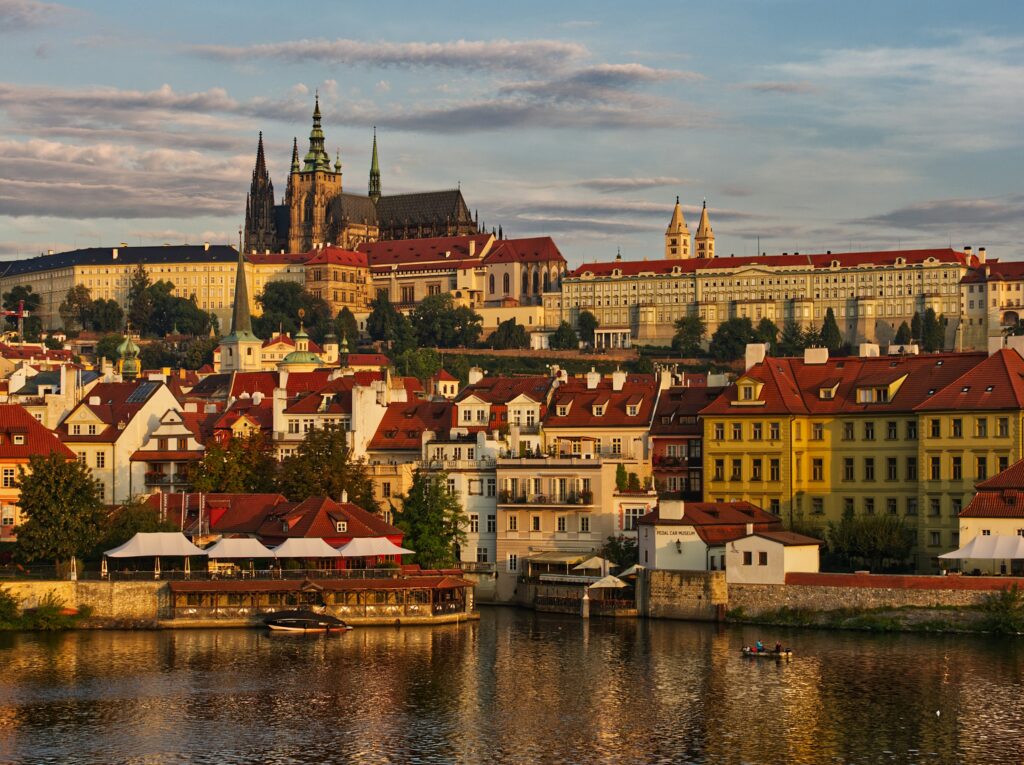
Prague is one of those cities that feels almost unreal the moment you arrive. The skyline is filled with towers, domes, and red rooftops that seem untouched by time, while the streets below carry a quiet rhythm that invites you to slow down. Walking through the city for the first time doesn’t feel like exploring somewhere new—it feels like stepping into a place you’ve somehow already imagined.
What surprised me most about Prague wasn’t just its beauty, but how naturally everything fits together. Gothic churches stand beside pastel buildings, cobblestone streets lead to open squares, and the Vltava River quietly reflects it all without demanding attention. It’s a city that doesn’t try to impress you loudly. Instead, it reveals itself gradually, almost patiently.
For first-time visitors, Prague offers something rare: a destination where history, atmosphere, and simplicity come together effortlessly. You don’t need a packed itinerary to enjoy it. In fact, the less you rush, the more the city gives back.
First Impressions of Prague
Arriving in Prague, the first thing you notice is how cohesive the city feels. Unlike many European capitals where modern and historic areas feel clearly separated, Prague blends everything into one continuous experience. You don’t “enter” the old city—you are already in it.
The architecture immediately sets the tone. Buildings aren’t just preserved; they feel lived in. Facades show layers of history, from medieval stonework to baroque detailing, yet nothing feels staged. There’s an authenticity here that’s difficult to replicate.
Even the pace of the city stands out. Compared to places like Rome or Paris, Prague feels calmer, more measured. Mornings begin quietly, with locals moving through the streets without urgency. By midday, the main squares fill with visitors, but the city never feels overwhelming. And by evening, everything softens again, as lights reflect off the river and the crowds slowly fade.
It’s this balance that defines Prague. It can be lively without being chaotic, historic without feeling frozen, and beautiful without trying too hard.
Articles Recommended:
- Rome for the First Time: A Complete Travel Guide to Italy’s Eternal City
- Budapest for the First Time: A Complete Travel Guide to Hungary’s Most Captivating City
What Makes Prague Feel Different
There are many beautiful cities in Europe, but Prague has a distinct atmosphere that’s difficult to describe until you experience it. Part of it comes from how well preserved the city is. Much of Prague avoided large-scale destruction during the 20th century, which means entire neighbourhoods still feel intact rather than reconstructed.
But it’s not just about preservation. There’s a certain quiet depth to Prague that reveals itself over time. You notice it in the details—the worn steps of old buildings, the echo of footsteps in narrow alleys, the way light falls across the river in the late afternoon. These small moments add up to something that feels more emotional than visual.
Another part of Prague’s character comes from its position in Europe. It sits between Western and Eastern influences, and that blend is reflected in its culture, architecture, and even its atmosphere. It feels familiar, yet slightly different at the same time.
Exploring the Heart of the City
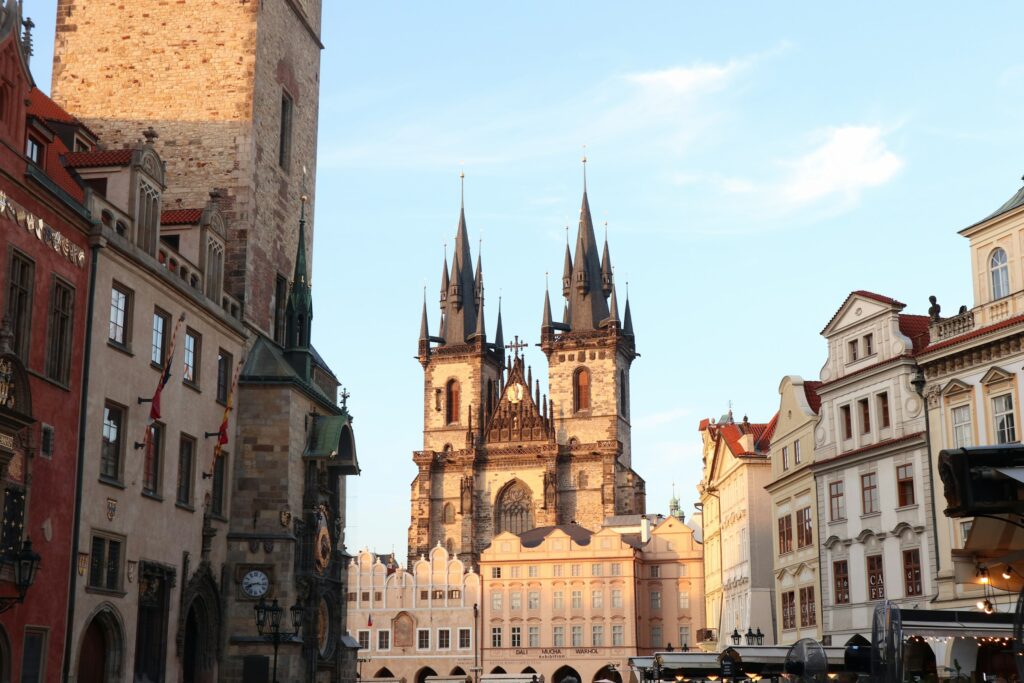
The historic centre of Prague is where most first-time visitors naturally spend their time, and it’s easy to understand why. Walking through the Old Town feels like moving through a living museum, but without the stiffness that usually comes with it. The Old Town Square, with its colourful buildings and astronomical clock, often becomes the starting point, but the real experience happens in the streets that extend outward from it.
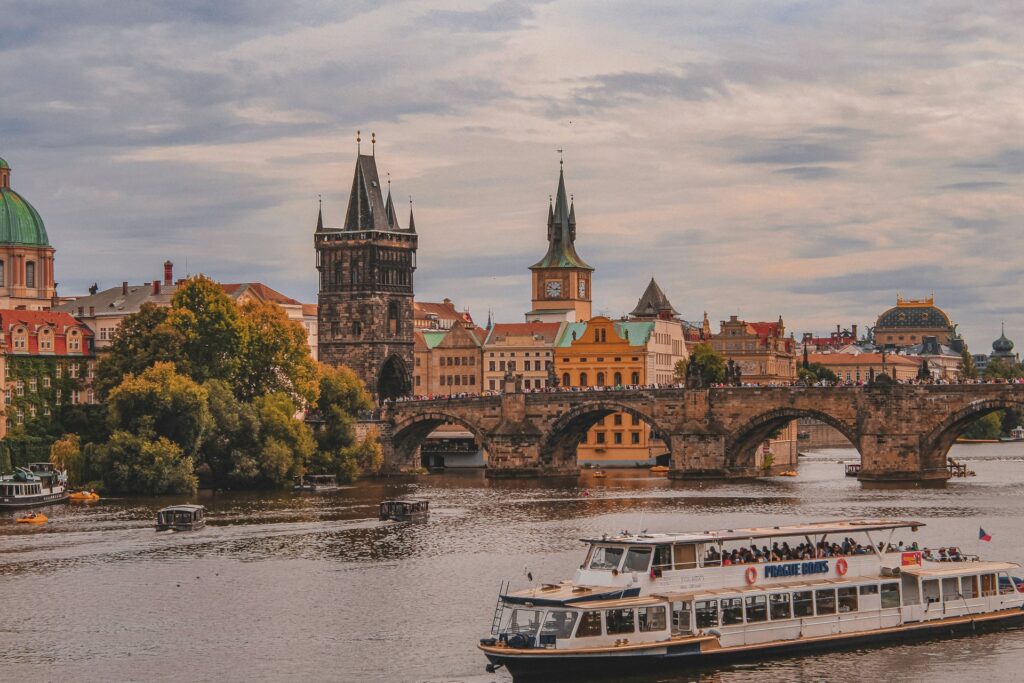
Crossing the Charles Bridge is one of those moments that defines a first visit. Early in the morning, before the crowds arrive, it feels almost surreal. Statues line the bridge, the river flows quietly below, and the view of Prague Castle in the distance creates a scene that feels almost cinematic.
On the other side of the river, the atmosphere shifts slightly. The streets become quieter, the pace slows even more, and the climb toward Prague Castle offers not just views, but a gradual change in perspective. Looking back across the city from above, you begin to understand its scale and its rhythm in a way that isn’t obvious from street level.
Articles Recommended:
- What Europe Feels Like on Your First Trip (Beyond the Photos)
- The First Time I Got Lost in Europe (And Why It Was the Best Thing That Happened)
Food, Culture, and Everyday Life
Food in Prague is rooted in tradition, but it’s also evolving. Classic Czech dishes are hearty and simple, often built around meats, sauces, and dumplings. At first glance, it might seem heavy, but there’s a comfort to it that fits the city’s atmosphere.
At the same time, Prague has developed a growing food scene that blends traditional flavours with more modern influences. Small cafés, bakeries, and contemporary restaurants are scattered throughout the city, often tucked away in quiet streets rather than main squares. These places tend to feel more local, more personal.
What stands out most, though, is not any specific dish, but the way people take their time. Meals aren’t rushed. Sitting down for coffee often turns into an extended break, and evenings tend to unfold slowly. This rhythm becomes part of the experience, encouraging visitors to slow down as well.
Is Prague Expensive or Good Value?
Compared to many major European capitals, Prague still offers relatively good value, although prices have increased in recent years. Accommodation in central areas can be expensive, especially during peak seasons, but moving slightly away from the main tourist zones often makes a noticeable difference.
Food and drink tend to be more affordable than in cities like Paris or Amsterdam, particularly in local restaurants. However, it’s easy to overpay in highly touristic areas, especially around the Old Town Square. A short walk away is usually enough to find more authentic places with better prices.
Overall, Prague sits in an interesting position. It’s no longer a “budget” destination, but it still offers better value than many Western European cities, especially if you approach it with a bit of awareness.
Articles Recommended:
- A Foodie’s Guide to Barcelona: What to Eat and Where to Start
- 5-Day London Itinerary: From Big Ben to Stonehenge and Beyond
Is Prague Easy and Safe for First-Time Visitors?
Prague is generally a very easy city to navigate, even for first-time travellers. The historic centre is compact and walkable, and most major sights are within a reasonable distance of each other. Public transport is efficient, reliable, and relatively simple to use if needed.
Safety is another strong point. The city feels secure, even in the evenings, and walking through most areas is comfortable. Like any popular destination, there are occasional issues such as pickpocketing in crowded places, but with basic awareness, it’s rarely a problem.
What makes Prague particularly accessible is how quickly you can feel comfortable there. Within a day or two, the layout of the city starts to make sense, and moving around becomes almost intuitive.
How Many Days Do You Need in Prague?
For a first visit, three to four days is usually enough to experience the main highlights without feeling rushed. This allows time to explore the historic centre, cross the river into the castle district, and still have space for slower moments in cafés or quieter neighbourhoods.
Longer stays reveal a different side of Prague. With more time, it becomes easier to move beyond the main sights and experience the city in a more relaxed way. You start to notice details that aren’t immediately obvious, and the pace of the city becomes more natural.
Regardless of the length of your stay, the key is balance. Prague rewards those who combine exploration with time to simply walk, observe, and absorb the atmosphere.
Articles Recommended:
- A 7-Day Paris Itinerary for First-Time Visitors
- One Day in Cairo: A Simple Itinerary for First-Time Visitors
Final Thoughts
Prague is often described as one of the most beautiful cities in Europe, and while that’s true, what makes it memorable goes beyond its appearance. It’s the feeling the city creates—the quiet moments, the gradual discoveries, and the sense that everything is connected in a way that doesn’t need to be explained.
For first-time visitors, Prague offers an experience that feels complete without being overwhelming. It doesn’t demand constant movement or attention. Instead, it invites you to slow down, to look a little closer, and to appreciate the details that make it unique.
After a few days, it becomes clear that Prague isn’t just a place you visit once. It’s a city that stays with you, not because of any single landmark, but because of the way it makes you feel while you’re there.
Written & updated by Matteo — Travelupo
