Discover the world. Create memories that last a lifetime.

Travel guides, hidden gems, and smart itineraries to help you explore better.
Budapest for the First Time: A Complete Travel Guide to Hungary’s Most Captivating City


Few cities in Europe balance beauty and atmosphere quite like Budapest. From the moment you arrive, there is a quiet sense of grandeur that doesn’t feel overwhelming, but rather inviting. The wide boulevards, historic facades, and the steady flow of the Danube River create a setting that feels both elegant and approachable.
Walking through Budapest for the first time doesn’t feel rushed. It feels measured. The city doesn’t try to impress you all at once. Instead, it reveals itself gradually through its streets, its views, and the rhythm of everyday life. What surprised me most was not just how beautiful Budapest is, but how comfortable it feels to explore.
For first-time visitors to Europe, Budapest offers something rare: a capital city that delivers iconic scenery, rich culture, and a relaxed pace without the intensity found in more crowded destinations. It’s a place where you can experience a lot, while still having space to breathe.
Understanding the Structure of Budapest
One of the first things to understand about Budapest is how the city is divided. The Danube River separates Buda and Pest, two areas that feel distinct not just geographically, but emotionally as well.
Pest is where the city feels alive and energetic. It’s flatter, busier, and filled with cafés, restaurants, and historic buildings that stretch across long, open streets. This is where most visitors spend their time, especially during a first trip.
Buda, on the other hand, offers a quieter and more elevated perspective. The hills, residential streets, and panoramic viewpoints create a more peaceful atmosphere. Crossing from Pest to Buda isn’t just moving across a river—it’s stepping into a different rhythm.
Understanding this balance helps make sense of the city. Instead of trying to see everything at once, Budapest encourages you to experience it in parts, moving between energy and calm.
Articles Recommended:
- Rome for the First Time: A Complete Travel Guide to Italy’s Eternal City
- Tokyo for the First Time: A Complete Guide to Japan’s Most Dynamic City
First Impressions of the City
Budapest doesn’t overwhelm you on arrival, and that’s part of its charm. Compared to other major European capitals, it feels more open and less chaotic. The streets are wide, the buildings are grand but not crowded, and there’s a sense of space that makes exploring more enjoyable.
What stands out quickly is the architecture. There is a consistent elegance throughout the city, from ornate facades to subtle details that reveal its historical depth. Even simple walks feel visually rewarding.
At the same time, Budapest feels lived-in. It doesn’t feel like a city built only for visitors. Locals move through their daily routines, cafés fill with conversation, and life continues at a steady pace. This balance between beauty and authenticity makes the first impression feel genuine rather than staged.
What Makes Budapest Special
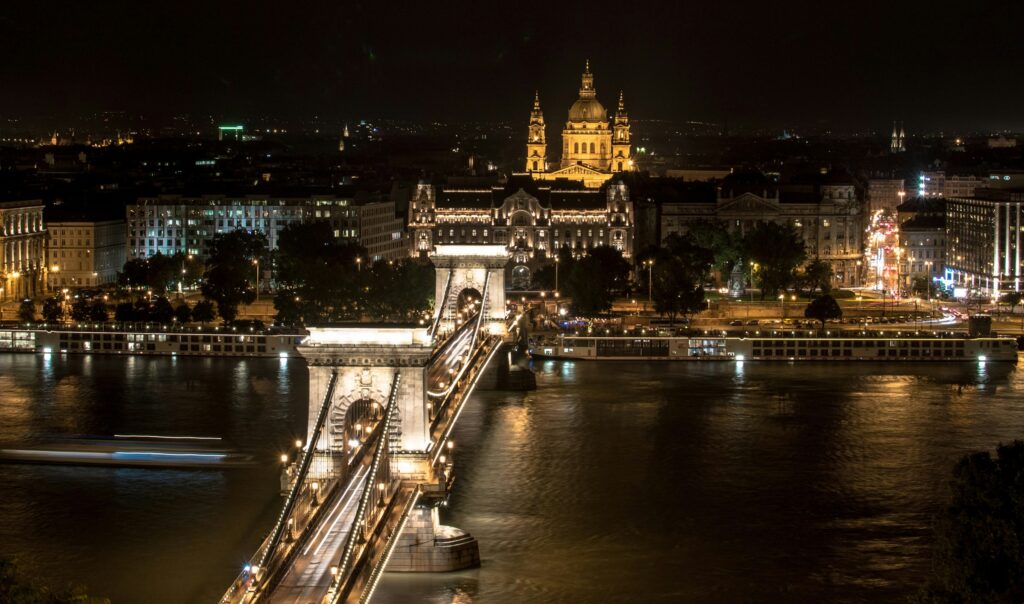
What makes Budapest memorable isn’t just a single landmark, but how everything connects. The Parliament building, the bridges across the Danube, and the hillside views from Buda all come together to create one of the most cohesive cityscapes in Europe.
One of the defining moments for many visitors is seeing the city from above. Whether from Fisherman’s Bastion or another viewpoint, looking across the river toward Pest offers a perspective that captures the essence of Budapest. The symmetry, the scale, and the calm movement of the river all contribute to a scene that feels complete.
Another element that sets Budapest apart is its atmosphere. It feels grand without being intimidating, historic without feeling distant, and lively without becoming overwhelming. This balance is difficult to find, and it’s what makes the city stand out.
Articles Recommended:
- What Europe Feels Like on Your First Trip (Beyond the Photos)
- The First Time I Got Lost in Europe (And Why It Was the Best Thing That Happened)
Exploring Budapest Beyond the Landmarks
While Budapest’s main attractions are impressive, the city truly reveals itself in the moments between them. Walking without a strict plan often leads to the most memorable experiences.
In Pest, side streets open into quiet corners filled with local cafés and small shops. In Buda, residential areas offer a slower pace where you can step away from the flow of visitors. These smaller moments create a deeper connection to the city.
The Danube itself plays a central role in the experience. Walking along the river, especially in the late afternoon or evening, allows you to see the city in a different light. The reflections, the changing colors, and the steady movement of the water create a calm contrast to the streets behind you.
Budapest rewards those who take their time. It’s not about checking off locations, but about allowing the city to unfold naturally.

The Culture of Food in Budapest
Food in Budapest is an essential part of the experience, and it reflects the city’s broader identity. Traditional Hungarian dishes are rich, comforting, and deeply rooted in local ingredients. Meals often feel substantial, designed to be enjoyed slowly rather than quickly consumed.
At the same time, Budapest has developed a modern food scene that adds variety without losing authenticity. You’ll find contemporary restaurants alongside traditional spots, offering a mix that feels balanced rather than forced.
Markets also play an important role in understanding the city’s food culture. Walking through them gives a glimpse into everyday life, where locals shop for fresh ingredients and regional specialties.
Dining in Budapest is rarely rushed. Meals unfold at a steady pace, allowing time for conversation and reflection. This approach to food mirrors the overall rhythm of the city.
Articles Recommended:
- Why Traveling Europe Changed the Way I See the World
- How to Plan a 2-Week Europe Itinerary (Step-by-Step)
Cost and Value
One of the most appealing aspects of Budapest is its value. Compared to many Western European capitals, the city is significantly more affordable, which allows for a more relaxed travel experience.
Accommodation, food, and transportation all tend to be reasonably priced, making it easier to enjoy the city without constantly thinking about expenses. This doesn’t mean compromising on quality. In many cases, the experience feels just as rich, if not more so.
For first-time travelers, this balance between quality and cost makes Budapest an especially attractive option. It allows you to explore more freely and stay longer if you choose.

Is Budapest Easy to Navigate?
Budapest is a surprisingly easy city to get around. Much of the central area is walkable, and many of the key sights are located within a manageable distance of each other.
Public transportation is efficient and reliable, providing access to areas that are further apart. Even for those unfamiliar with the system, it quickly becomes intuitive.
This ease of movement removes much of the stress that can come with visiting a new city. Instead of worrying about logistics, you can focus on the experience itself.
Articles Recommended:
- The Most Beautiful Small Towns in Europe That Feel Like a Fairytale
- Why Europe Is One of the Best Places in the World for Solo Travel
Safety and Comfort
For most visitors, Budapest feels safe and comfortable to explore. Like any major city, it’s important to stay aware of your surroundings, but overall, the atmosphere is calm and manageable.
Walking through the city during the day feels relaxed, and evenings are generally just as comfortable, especially in central areas. This sense of security adds to the overall ease of visiting Budapest, particularly for those traveling alone.
Feeling comfortable in a city allows you to explore more freely, and Budapest provides that confidence.

How Many Days Do You Need?
Budapest is a city that benefits from time. While it’s possible to see the main sights in a couple of days, a slightly longer stay allows for a more complete experience.
Three to four days is often enough to explore the major areas while still leaving space for slower moments. This balance between activity and relaxation is what makes a trip feel satisfying rather than rushed.
Staying longer offers the opportunity to experience the city beyond its highlights. It allows you to settle into its rhythm and understand it more deeply.
Articles Recommended:
- Best Months to Visit Europe (And When to Avoid the Crowds)
- The Biggest Mistakes First-Time Visitors Make in Europe
Final Thoughts
Budapest is not a city that relies on a single defining moment. Instead, it builds its impression gradually, through a series of experiences that come together over time.
For first-time visitors, Budapest offers a rare combination of beauty, culture, and accessibility. It provides the depth of a major European capital without the intensity that can sometimes come with it.
What stays with you after leaving Budapest is not just what you saw, but how the city made you feel while you were there. It’s a place that encourages you to slow down, observe, and experience rather than simply move from one attraction to the next.
And for many travelers, that first visit doesn’t feel like the end of the experience. It feels like the beginning of wanting to return.
Written & updated by Matteo — Travelupo
