Discover the world. Create memories that last a lifetime.

Travel guides, hidden gems, and smart itineraries to help you explore better.
What Europe Feels Like on Your First Trip (Beyond the Photos)

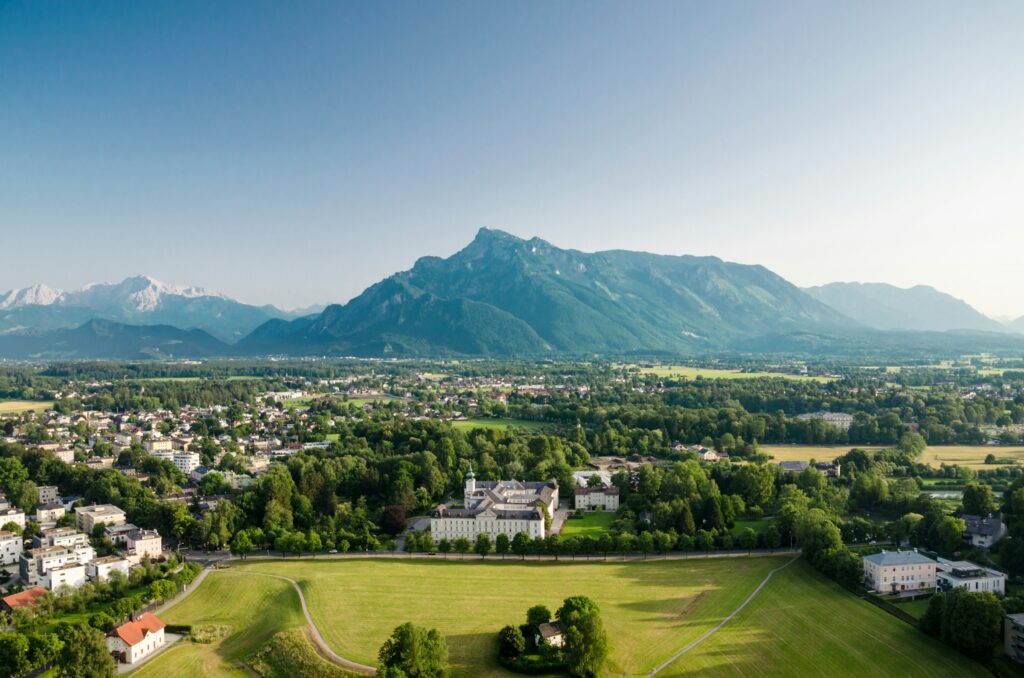
There’s a version of Europe that most people see long before they ever step foot there. It lives in perfectly curated images—sunsets over Santorini with no one in sight, quiet Parisian streets glowing in soft morning light, alpine lakes reflecting mountains without a ripple. Everything looks calm, effortless, almost untouched. It creates the impression that Europe is something you simply arrive in and instantly understand.
And then you actually go.
Not in a disappointing way, and definitely not in a “this isn’t what I expected” kind of way—but in something far more layered than that. Your first trip to Europe doesn’t feel like those polished images. It feels more alive. More unpredictable. At times a little overwhelming, but also far more memorable because of it.
The Moment It Starts to Feel Real
What surprised me most was how quickly the experience shifts from something abstract into something real. It doesn’t happen at the airport or even when you arrive at your hotel. It happens in a quiet, almost unnoticeable moment.
It might be the first time you hear multiple languages blending together on the same street, or when you sit down at a café and realise no one is in a hurry to leave. Maybe it’s standing in front of a building and understanding that it has existed for centuries, long before anything familiar to you. That’s usually when it clicks. Europe stops being an idea and starts becoming a place you’re actually part of.
Articles Recommended:
- Why Traveling Europe Changed the Way I See the World
- How to Plan a 2-Week Europe Itinerary (Step-by-Step)
It’s Not as Perfect as It Looks—and That’s the Point
One of the first things you notice is that reality doesn’t match the calm, empty scenes you’ve seen online. Places are busy, especially the famous ones. Streets are filled with movement, landmarks are surrounded by people, and there’s a constant energy that photos simply don’t capture.
You might picture yourself standing peacefully in front of the Eiffel Tower, but in reality, you’re navigating crowds, hearing different languages, and adjusting to the pace around you. At first, it can feel slightly chaotic.
But after a while, that chaos starts to feel like part of the experience rather than something that takes away from it. Because Europe isn’t defined by perfect still moments—it’s defined by everything happening around them.
The Best Moments Aren’t Planned
What stays with you the most often has very little to do with the main attractions. Those are impressive, of course, but they’re not always what defines the trip.
The moments you remember tend to happen in between.
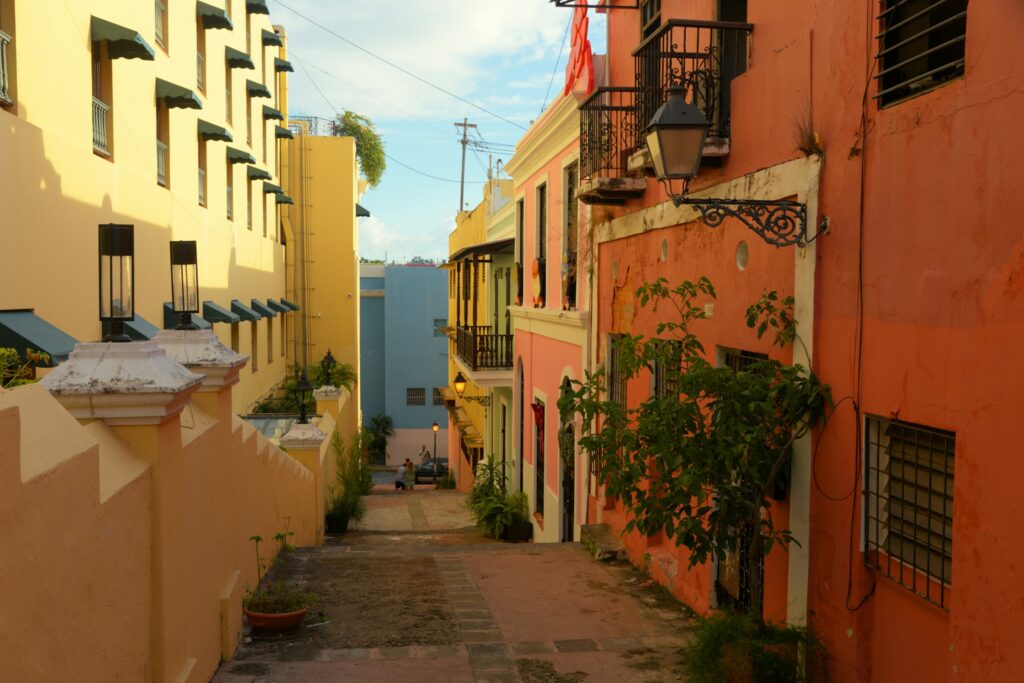
It could be walking down a quiet street you didn’t plan to visit and stumbling across a small bakery, or sitting somewhere with no real schedule and simply watching the city move around you. Sometimes it’s getting slightly lost and realising that it leads you somewhere better than where you intended to go.
Those moments don’t look extraordinary from the outside, but they feel different when you’re in them. And that’s what makes them stand out.
Articles Recommended:
- The First Time I Got Lost in Europe (And Why It Was the Best Thing That Happened)
- The Most Beautiful Small Towns in Europe That Feel Like a Fairytale
Time Moves Differently Here
Another subtle but important shift is how time feels. If you’re used to fast routines and structured days, Europe—especially in the southern regions—can feel slower in a way that’s almost unfamiliar.
Meals aren’t rushed. Coffee isn’t something you grab and go. Even simple interactions seem to take a little more time.
At first, it can feel inefficient, like things are moving too slowly. But after a while, you start to realise that this slower pace isn’t a flaw—it’s part of the lifestyle. And once you adjust to it, it changes how you experience everything else.
Every Place Has Its Own Identity
One thing that doesn’t fully come across in photos is how quickly everything changes from one place to another. Europe isn’t a single experience—it’s a collection of very different ones, all close enough to move between without much effort.
You can go from a modern, fast-paced city to a quiet coastal town within hours. Architecture shifts, food changes, and even the rhythm of daily life feels different depending on where you are.
That constant contrast keeps the experience engaging. It prevents things from feeling repetitive, even if you’re travelling for weeks.
Articles Recommended:
- How to Travel Europe by Train: A Beginner’s Complete Guide
- How to Plan Your First Trip to Europe: A Complete Guide
It’s Easy to Travel—But Not Effortless
Europe is often described as easy to travel, and in many ways, that’s true. Transport is reliable, connections are frequent, and moving between countries is far more straightforward than people expect.
At the same time, there are small challenges that remind you that you’re not at home. Language differences, unfamiliar systems, and cultural nuances all play a role.
None of these things are difficult enough to stop you, but they require attention. And in a way, they add depth to the experience rather than taking away from it.
You Don’t Need to See Everything
There’s a natural tendency, especially on a first trip, to try and fit in as much as possible. Europe feels like something you need to “cover,” as if the value of the trip depends on how many places you visit.
But that approach usually leads to the opposite result.
When you move too quickly, everything starts to blur together. You see more, but you experience less. Slowing down—even slightly—changes that completely. You start noticing details, connecting with places, and remembering moments instead of just locations.
Articles Recommended:
- Best Months to Visit Europe (And When to Avoid the Crowds)
- The Biggest Mistakes First-Time Visitors Make in Europe
The Experience Stays With You
What’s interesting is that the impact of the trip doesn’t end when you leave. Certain moments stay with you long after you’ve returned.
Not necessarily the most famous landmarks, but the way a place felt at a specific time. A conversation you didn’t expect to have. A quiet moment that didn’t seem important at the time.
Those are the things that tend to come back to you later, often when you least expect it.

What You Learn Without Realising
Something else that becomes clear—usually only after you’ve been travelling for a while—is how much you’re learning without actively trying to. It’s not the kind of learning that comes from guides or itineraries, but from small adjustments you make along the way. You start understanding how different places function, how people interact, and how to adapt without overthinking every step. Even simple things, like navigating a train system in another language or ordering food in a place where nothing feels familiar, slowly build a kind of quiet confidence that stays with you.
What’s interesting is that none of this feels dramatic while it’s happening. It’s subtle, almost unnoticeable in the moment. But by the time the trip ends, you realise you’re moving differently—more aware, more patient, and more comfortable with uncertainty. And that shift doesn’t disappear once you’re back home. It becomes part of how you approach new places, and sometimes even everyday situations.
Articles Recommended:
- Rome for the First Time: A Complete Travel Guide to Italy’s Eternal City
- How Many Days Do You Really Need in Europe?
Why the First Trip Is Always Different
No matter how much you plan or how many photos you’ve seen beforehand, your first trip to Europe always carries something unique that’s difficult to repeat later. Everything feels new at the same time—the sounds, the pace, the structure of daily life—and that combination creates a kind of awareness that’s hard to recreate once it becomes familiar. Even small things, like hearing a language you don’t understand or recognising a place you’ve only seen in pictures, feel more intense simply because it’s the first time.
That doesn’t mean future trips are less meaningful, but they are different. The first one has a certain unpredictability to it, a sense that you’re stepping into something completely unknown. And that’s what makes it stand out. It’s not about doing everything perfectly—it’s about experiencing it without expectations that are too rigid. Once you accept that, the trip becomes less about following a plan and more about allowing the experience to unfold naturally.
Final Thoughts
Your first trip to Europe won’t feel like the photos you’ve seen.
It will feel more complex than that—sometimes busier, sometimes slower, occasionally unpredictable—but also more real in a way that’s difficult to describe beforehand.
And once you experience it for yourself, you’ll understand why people return again and again. Not to recreate what they saw online, but to reconnect with something that only really exists when you’re there.
Written & updated by Matteo — Travelupo
