Discover the world. Create memories that last a lifetime.

Travel guides, hidden gems, and smart itineraries to help you explore better.
Best Summer Destinations in Europe Under €100 a Day

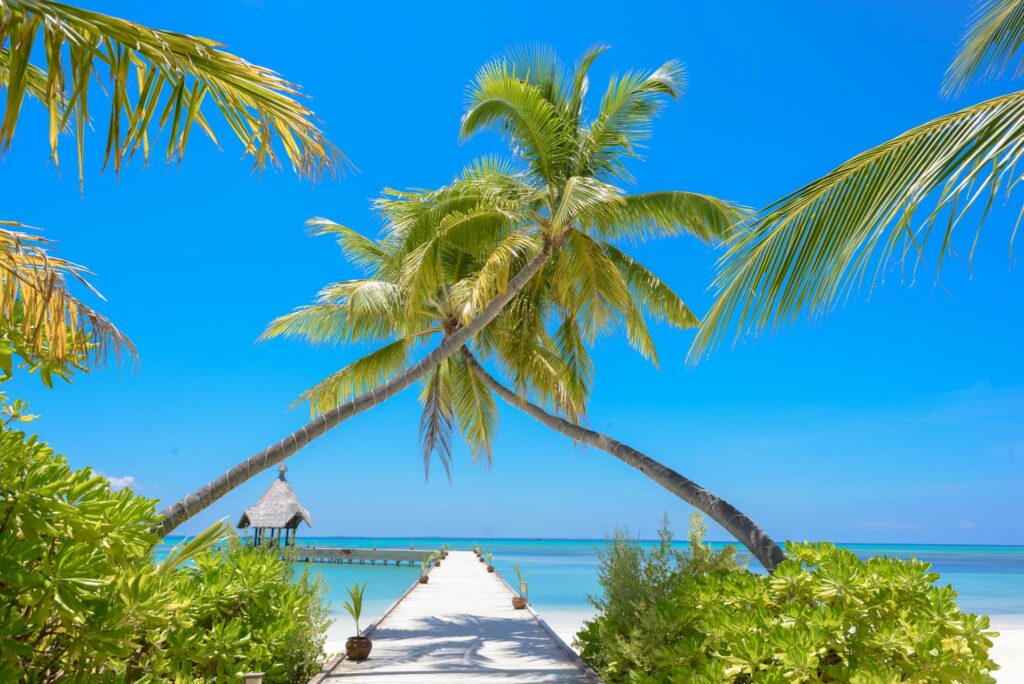
Summer in Europe does not have to mean overpriced beach clubs, €300 hotel rooms, and crowded tourist traps. Some of the continent’s best summer destinations are still surprisingly affordable — especially if you know where to look.
Over the last few years, I’ve actually started enjoying the less obvious summer destinations more than the famous ones. The atmosphere often feels calmer, the food feels more local, and you spend less time navigating crowds and more time actually enjoying where you are. Some of my favourite summer memories in Europe have come from places that were never trending on social media in the first place.
From relaxed Mediterranean coastal towns to underrated historic cities with incredible food and beaches nearby, Europe still offers destinations where you can genuinely enjoy your summer for under €100 a day including accommodation, meals, transport, and activities.
These places combine atmosphere, sunshine, local culture, and value without sacrificing the feeling of a real summer escape.
Articles Recommended:
- Best Underrated Summer Destinations in Europe for Beaches, Food, and Atmosphere
- Lisbon for the First Time: A Complete Travel Guide to Portugal’s Most Atmospheric City
1. Costa Brava, Spain
Average summer temp: 28°C
Why go: Hidden coves, turquoise beaches, and charming seaside towns without Ibiza prices.
Stay for less: Boutique guesthouses from around €45 per night.
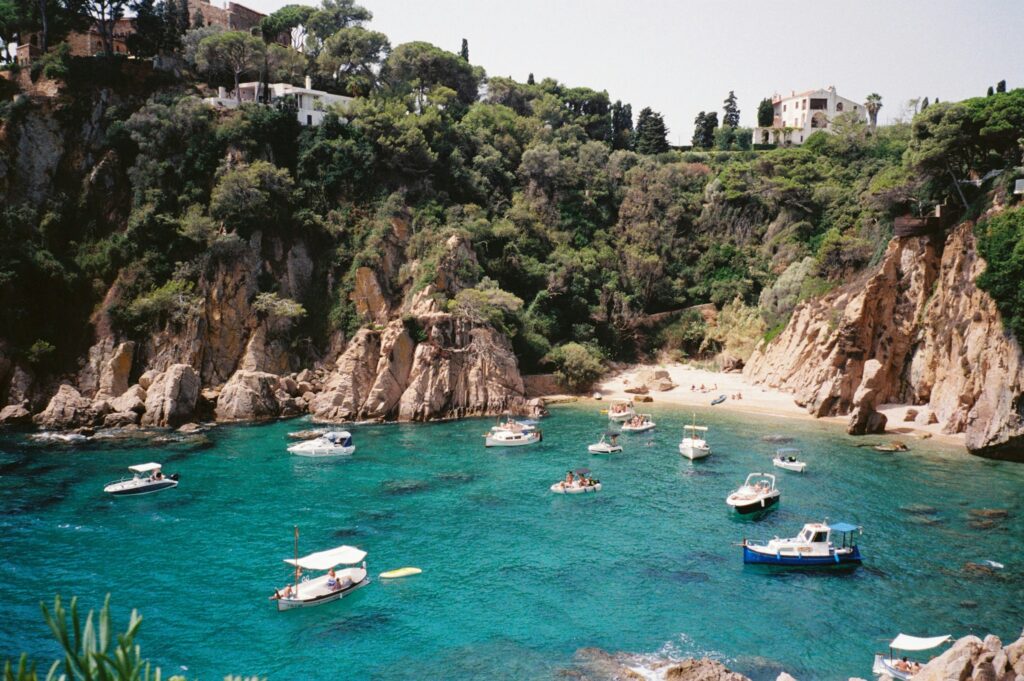
Costa Brava feels like a slower, more authentic side of the Spanish Mediterranean. While Barcelona gets crowded during summer, towns like Tossa de Mar, Calella de Palafrugell, and Begur still offer a relaxed coastal atmosphere filled with hidden beaches, seafood restaurants, and sunset walks.
What stayed with me most here was how peaceful the coastline felt early in the morning before the beaches filled up. Walking between rocky coves with the sea completely calm beside you feels very different from the louder, more commercial summer destinations around Europe.
The coastline is famous for its dramatic cliffs and clear blue water, with many beaches accessible only by footpaths or small boats. You can spend the day swimming in quiet coves and the evening eating tapas by the sea without spending a fortune.
Food is another reason to visit. Fresh seafood, grilled vegetables, paella, and local Catalan dishes are still reasonably priced compared to Spain’s more famous summer hotspots.
2. Bratislava, Slovakia
Average summer temp: 27°C
Why go: One of Europe’s cheapest capital cities with beautiful old-town charm.
Stay for less: Stylish city hotels from around €50 per night.
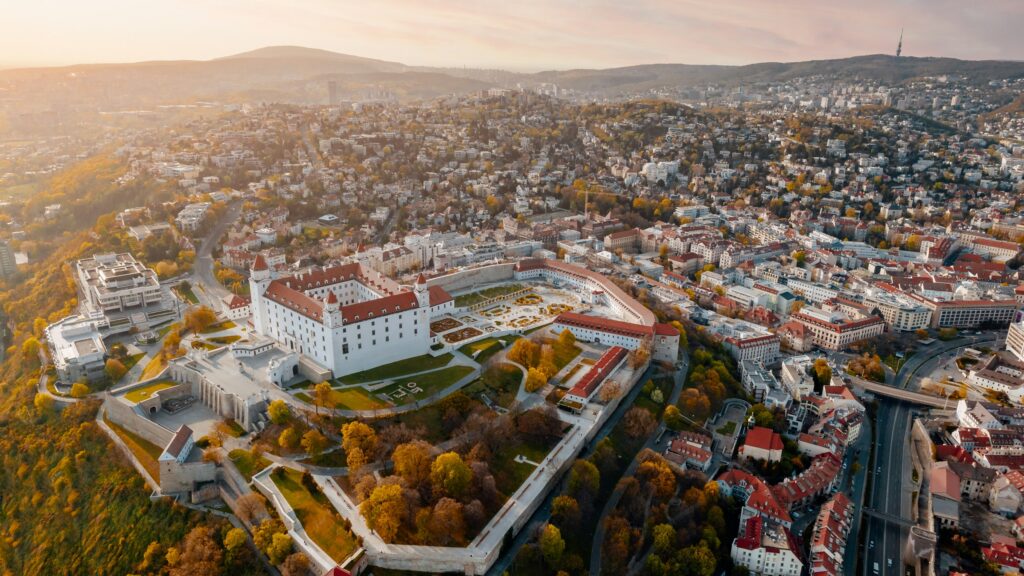
Bratislava is often overshadowed by Vienna and Budapest, but summer gives the Slovak capital a completely different energy. Outdoor cafés fill the old town squares, riverside bars open along the Danube, and the city becomes lively without feeling overwhelming.
What surprised me most about Bratislava the first time I visited was how relaxed everything felt. It has the elegance of Central Europe without the intensity or prices that usually come with it.
One of the best things about Bratislava is how walkable it is. You can spend entire days exploring medieval streets, small bakeries, castle viewpoints, and hidden courtyards without needing expensive transportation.
The local food scene is also improving rapidly, with affordable wine bars, modern cafés, and traditional Slovak restaurants offering large meals for surprisingly low prices.
3. Kaunas, Lithuania
Average summer temp: 24°C
Why go: Green parks, riverside cafés, and one of Europe’s most underrated summer city breaks.
Stay for less: Modern hotels from around €40 per night.
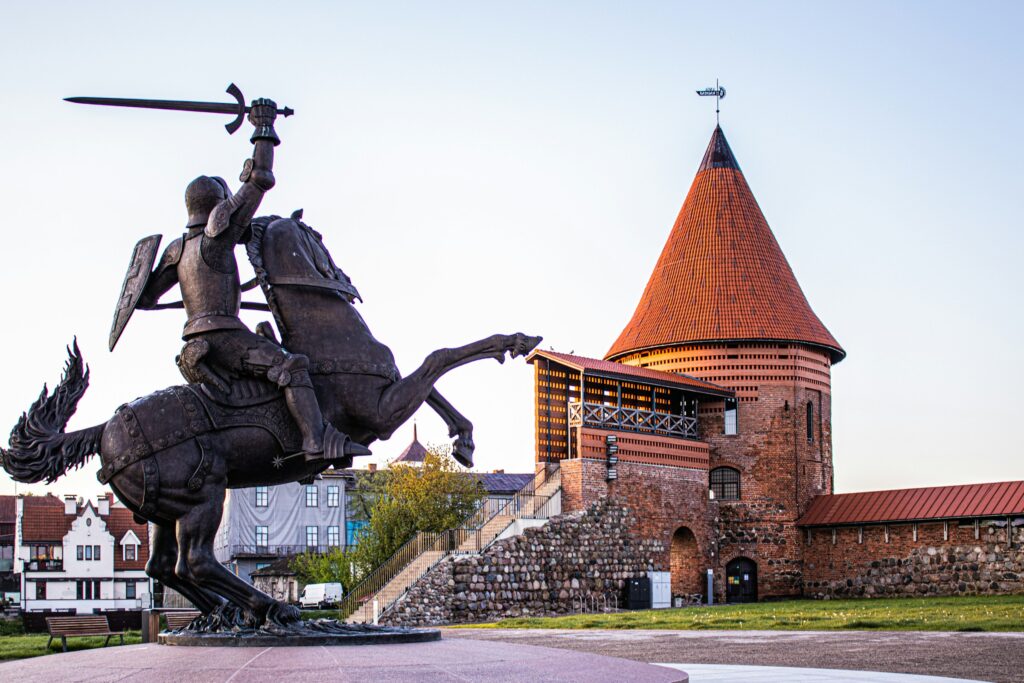
Kaunas feels calm, creative, and unexpectedly stylish during summer. The city combines colourful architecture, street art, pedestrian boulevards, and riverside spaces that become full of outdoor life once the weather turns warm.
Unlike many major European cities, Kaunas still feels local. You are more likely to hear Lithuanian than English in restaurants and cafés, which gives the city a more authentic atmosphere.
I remember being surprised by how late the city stayed bright during summer evenings. People sat beside the river for hours, cafés stayed active late into the night, and the entire atmosphere felt slower in the best possible way.
Summer evenings are especially beautiful here. Locals gather near the river with drinks, music, and food while the city stays bright until late in the evening.
Articles Recommended:
- Best Affordable Summer Destinations in Europe for Sun, Beaches, and Atmosphere
- Why Traveling Europe Changed the Way I See the World
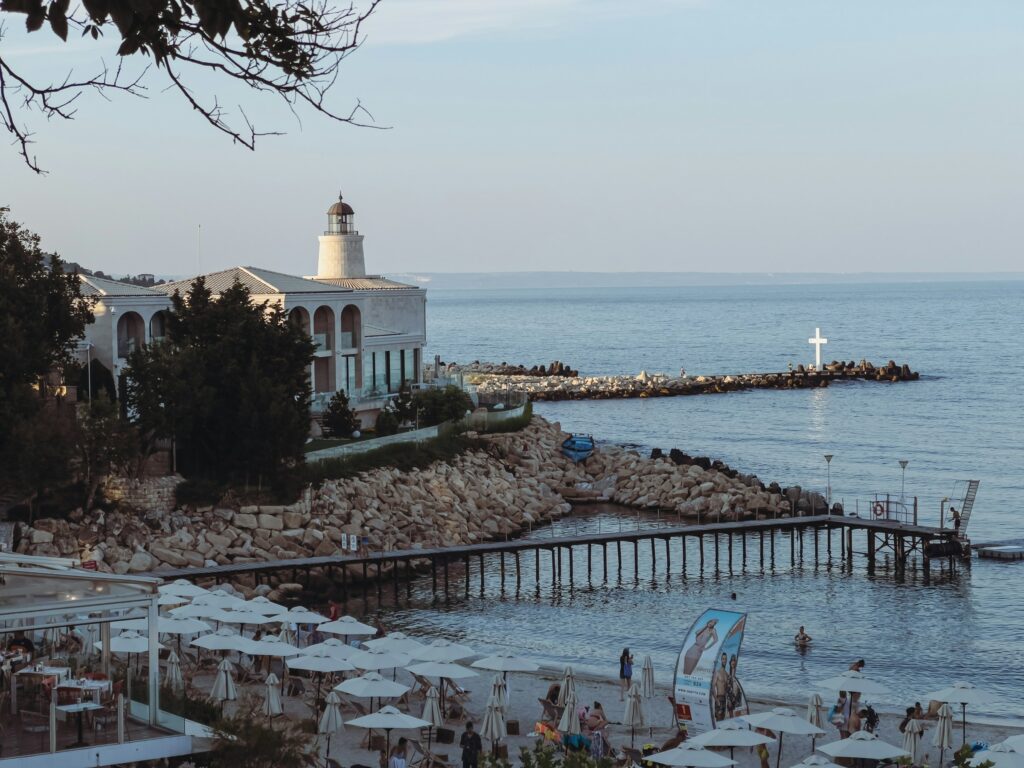
4. Varna, Bulgaria
Average summer temp: 29°C
Why go: Affordable Black Sea beaches with nightlife and long sandy coastlines.
Stay for less: Beach hotels from around €35 per night.
Varna is one of the best-value summer destinations in Europe. Bulgaria’s Black Sea coast combines beaches, nightlife, and food prices that feel almost impossible compared to Western Europe.
What makes Varna enjoyable is how easy summer feels there. Beach bars stay active late into the night, but the city still feels relaxed rather than overly polished for tourism.
I also found the beach atmosphere surprisingly local. Families, groups of friends, and locals dominate many areas instead of large tourist crowds, which gives the coastline a more authentic feeling overall.
Seafood restaurants, beach cafés, and local Bulgarian taverns remain very affordable, making it easy to comfortably stay below the €100-per-day target.
5. Bari, Italy
Average summer temp: 30°C
Why go: Southern Italian food, Adriatic beaches, and authentic local atmosphere.
Stay for less: Guesthouses from around €55 per night.
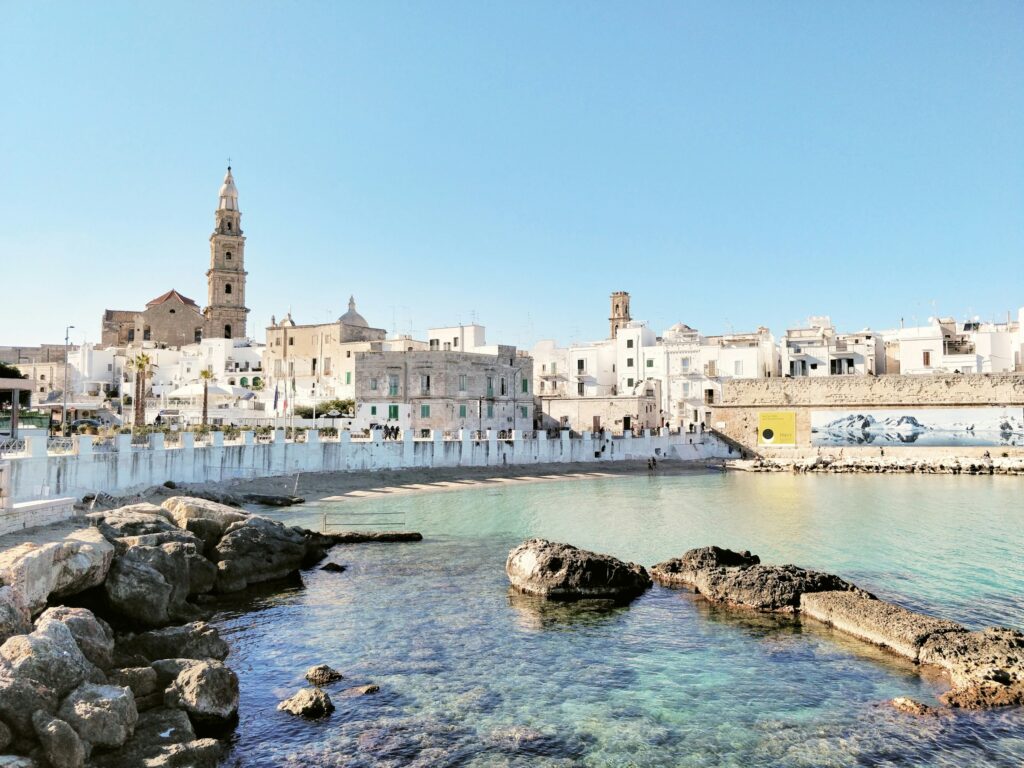
Bari still feels like a real Italian city rather than a tourist performance. In the old town, grandmothers make fresh pasta outside their homes while locals gather in small piazzas late into the night.
What I loved most about Bari was how naturally daily life unfolds in public. People sit outside for hours talking, children play football in narrow streets, and dinners somehow always seem to last longer than expected.
The city is ideal for travellers who want Italian summer atmosphere without Amalfi Coast prices. You can explore beaches nearby, eat incredible pasta, and enjoy waterfront walks while spending far less than in northern Italy.
Bari also works perfectly as a base for discovering Puglia’s coastal towns and hidden beaches.
6. Nafpaktos, Greece
Average summer temp: 31°C
Why go: Relaxed Greek seaside atmosphere without island prices.
Stay for less: Family-run hotels from around €45 per night.
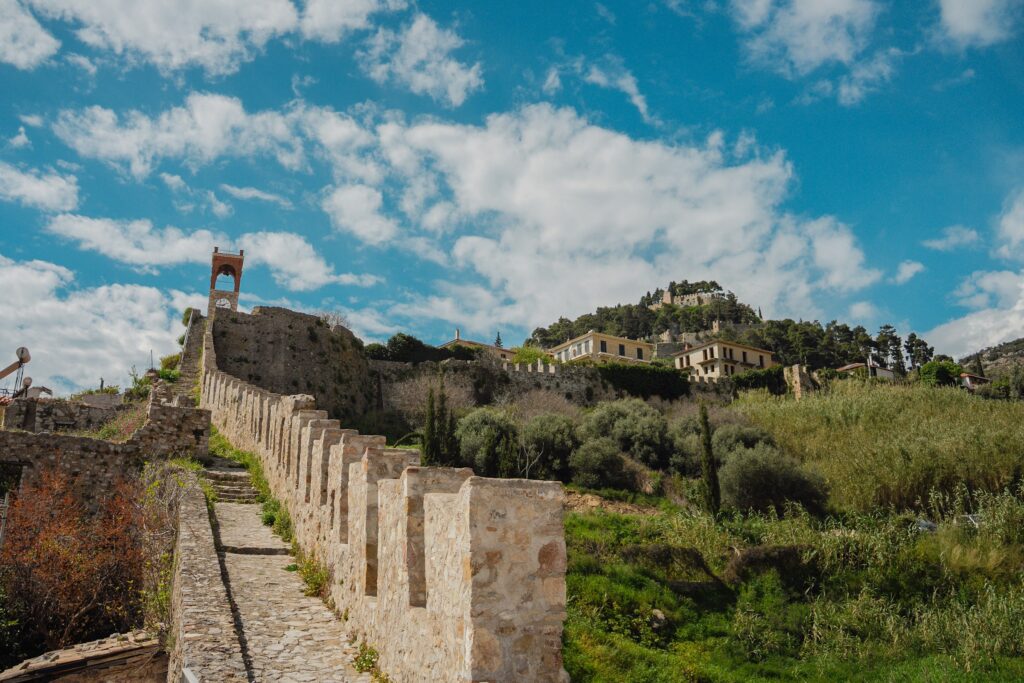
Nafpaktos is one of Greece’s most underrated summer towns. Located on the Gulf of Corinth, it combines beaches, mountain scenery, and a charming Venetian harbour filled with cafés and tavernas.
What makes Nafpaktos memorable is how calm the evenings feel there. The harbour slowly fills with people after sunset, but nothing feels rushed or loud. You sit beside the water, order simple Greek food, and suddenly hours pass without noticing.
Unlike Santorini or Mykonos, the atmosphere here feels slower and more local. Summer evenings revolve around long dinners by the water, walks through the harbour, and swimming at nearby beaches.
It is also one of the few Greek destinations where you can still eat extremely well without spending heavily every day.
Articles Recommended:
- Rome for the First Time: A Complete Travel Guide to Italy’s Eternal City
- How to Plan a 2-Week Europe Itinerary (Step-by-Step)
7. Paphos, Cyprus
Average summer temp: 33°C
Why go: Mediterranean beaches, history, and warm summer nights.
Stay for less: Holiday apartments from around €50 per night.
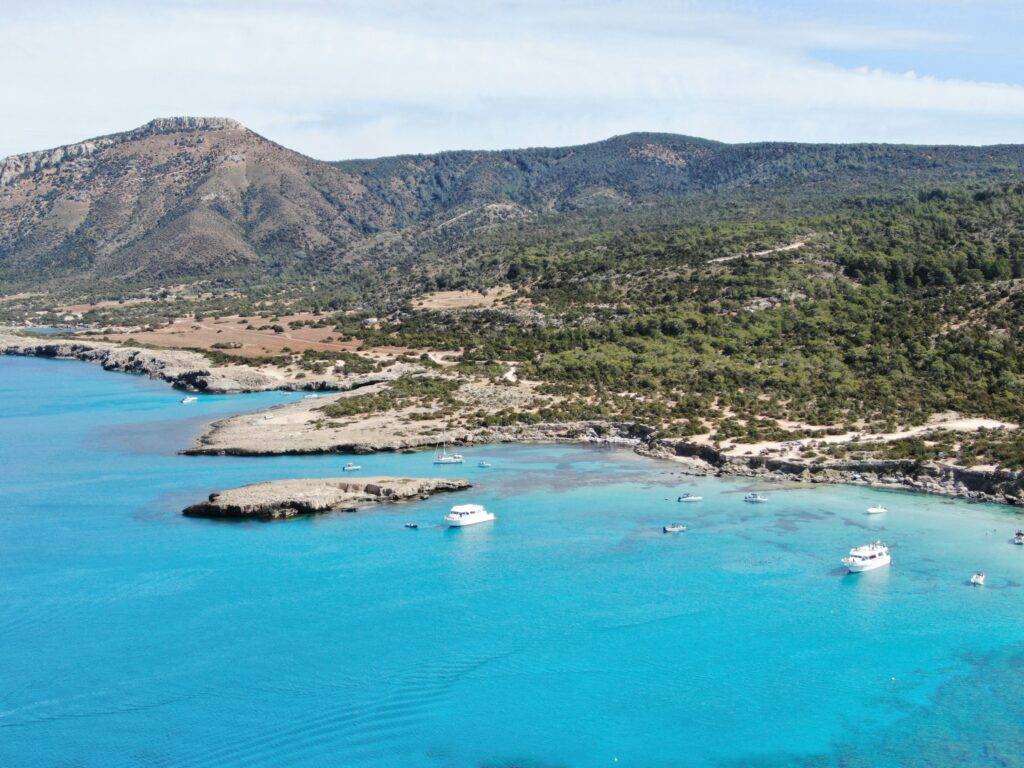
Paphos combines beaches, archaeological sites, and resort-style relaxation while still remaining relatively affordable compared to many Mediterranean summer destinations.
The city’s coastline is filled with beach promenades, swimming spots, and sunset restaurants. During summer, the warm evenings create a relaxed holiday atmosphere perfect for slow dinners and seaside walks.
One thing I noticed quickly in Cyprus is how much life happens outdoors during summer. Restaurants stay busy late into the night, people walk along the coast for hours after dinner, and the atmosphere feels consistently warm and social.
Cypriot food is another highlight. Large meze meals can easily feed two people while remaining affordable.
8. Thessaloniki, Greece
Average summer temp: 32°C
Why go: Incredible food scene, nightlife, and easy beach access.
Stay for less: City hotels from around €50 per night.
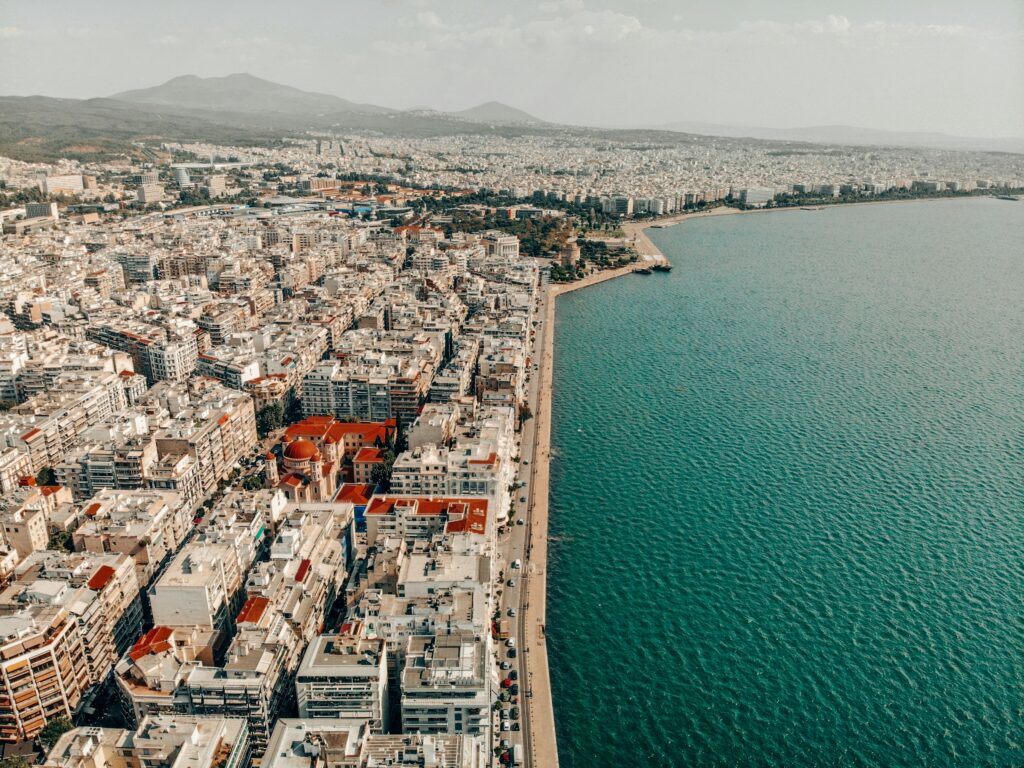
Thessaloniki feels alive during summer. The waterfront fills with people until late at night, rooftop bars become crowded with locals, and the city’s café culture takes over every neighbourhood.
What always stands out to me in Thessaloniki is the energy of the evenings. People simply stay outside longer here. Dinner rarely feels rushed, cafés remain busy past midnight, and the waterfront somehow becomes even more beautiful after dark.
One of the biggest advantages is the food. You can eat exceptionally well here for far less than in many European cities. From bougatsa in the morning to seafood dinners at night, Thessaloniki is ideal for travellers who care about atmosphere and local cuisine.
The city also works well as a base for nearby beaches in Halkidiki.
9. Zadar, Croatia
Average summer temp: 30°C
Why go: Adriatic sunsets, island-hopping, and a more relaxed Croatian coast.
Stay for less: Apartments from around €50 per night.
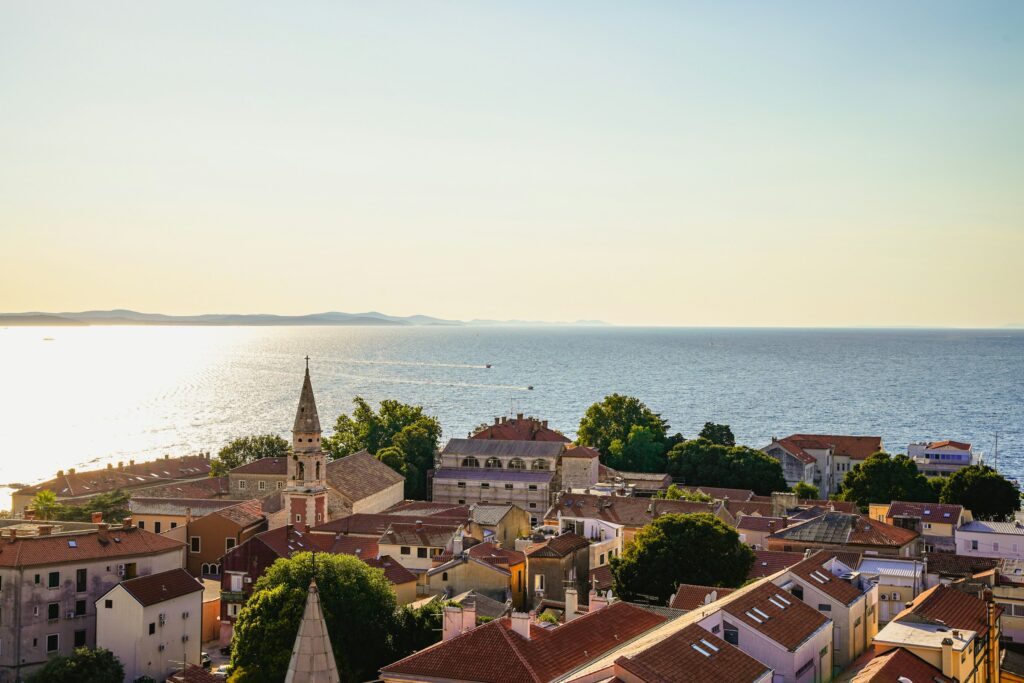
Zadar offers much of what travellers love about Croatia without the overwhelming crowds of Dubrovnik. The old town sits directly beside the sea, creating one of the most beautiful sunset atmospheres in the country.
The first time I watched the sunset from the waterfront there, I understood why locals stay outside for hours every evening. The sea organ, the warm light across the water, and the slower rhythm of the city create an atmosphere that feels difficult to leave behind.
Ferries also make it easy to explore nearby islands and beaches on a budget.
Croatian food prices have increased in recent years, but Zadar still remains noticeably cheaper than the country’s most famous coastal destinations.
Articles Recommended:
- Best Budget Food Destinations Around the World (Eat Well for Less in 2026)
- Amsterdam for the First Time: A Complete Travel Guide to the Netherlands’ Most Atmospheric City
10. Montpellier, France
Average summer temp: 31°C
Why go: Southern French lifestyle with beaches and cafés at lower prices than the Riviera.
Stay for less: Boutique hotels from around €60 per night.
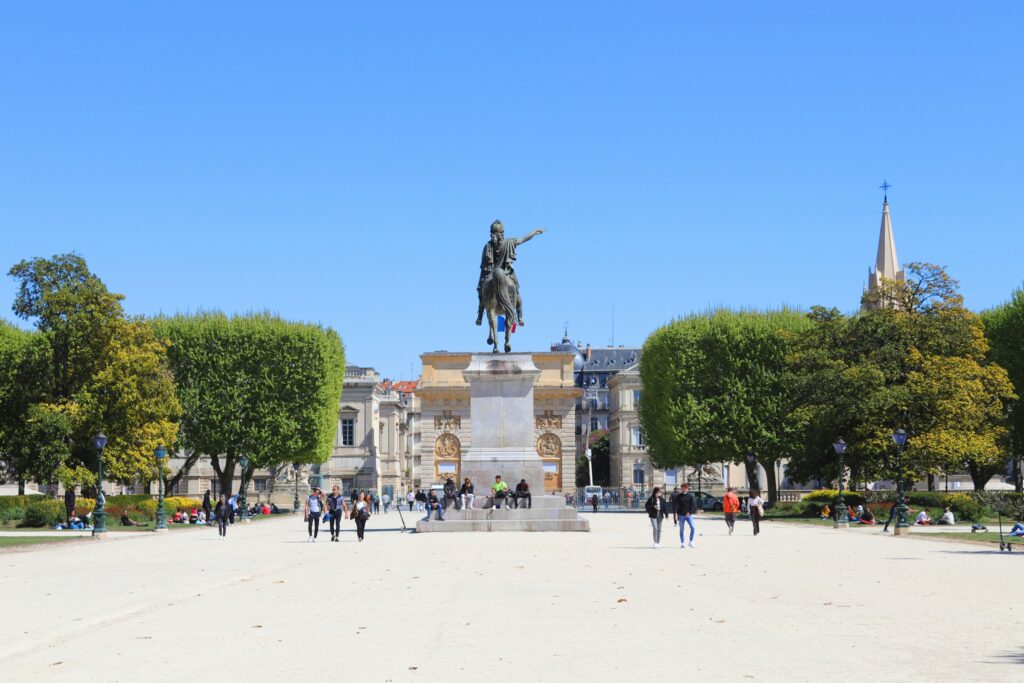
Montpellier offers the feeling of southern France without the luxury pricing of Nice or Cannes. The city is youthful, energetic, and full of beautiful streets lined with cafés and markets.
What I liked most about Montpellier was how effortlessly relaxed it felt. You can spend hours moving slowly between shaded squares, outdoor terraces, and local wine bars without feeling pressure to constantly “do” something.
Nearby beaches are easily accessible by tram or bus, making it possible to combine city life with Mediterranean beach days while keeping costs manageable.
The atmosphere here feels effortlessly French — outdoor dinners, wine bars, music in the squares, and long summer evenings that stretch late into the night.
Why Affordable Summer Travel in Europe Still Exists
Many travellers assume Europe becomes impossible during summer unless you spend heavily. But some of the continent’s best destinations remain surprisingly accessible if you avoid the obvious hotspots.
And honestly, those less obvious places often end up feeling more memorable anyway.
They give you room to slow down. You spend less time waiting in lines and more time actually experiencing the atmosphere around you — long dinners, empty morning beaches, late-night walks, conversations with locals, and the small moments that usually become the best part of a trip.
Final Thoughts
The perfect summer destination is not always the most famous one. Sometimes it is the quiet harbour town, the underrated coastal city, or the place where dinner lasts three hours because nobody is rushing anywhere.
Europe is still full of destinations where sunshine, beaches, food, and atmosphere can exist together without exhausting your wallet.
And personally, those are the kinds of trips I remember most once summer ends.
Written & updated by Matteo — Travelupo
