Discover the world. Create memories that last a lifetime.

Travel guides, hidden gems, and smart itineraries to help you explore better.
Best Places in Europe for Solo Travel in Autumn

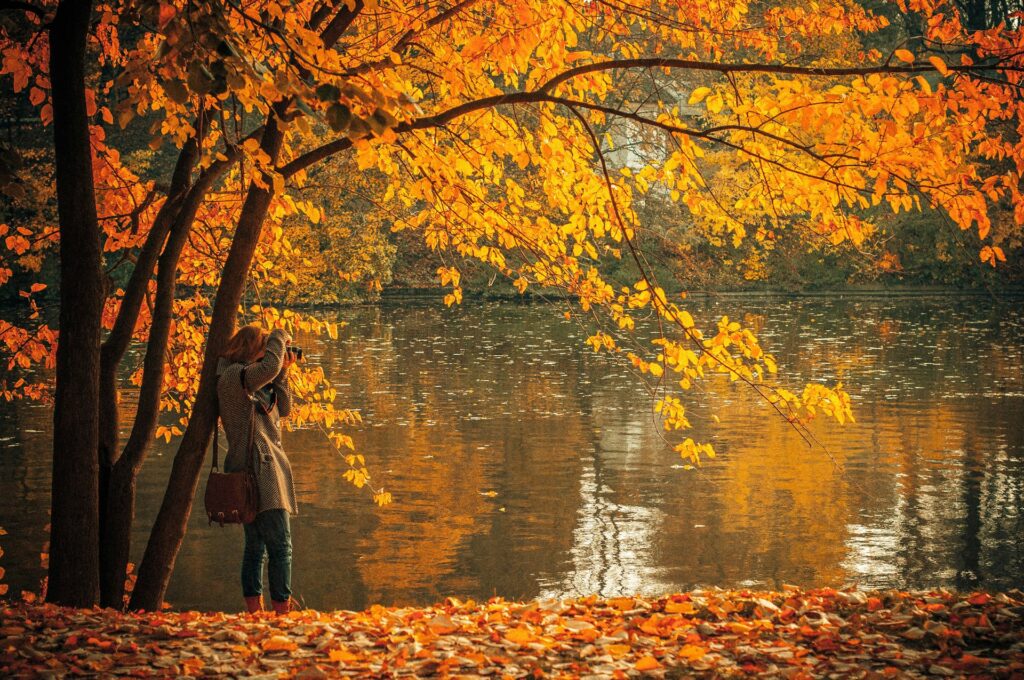
Autumn is one of my favourite seasons for travelling solo in Europe. The busiest summer weeks are over, temperatures are usually more comfortable for walking, and many cities feel calmer without becoming quiet.
I also think autumn suits solo travel especially well because the days naturally encourage a slower rhythm. You can spend the morning exploring a neighbourhood, stop for lunch without a fixed schedule, visit a museum when the weather changes and settle into a café without feeling that you should constantly be moving.
For this list, I wanted to focus on places that work particularly well alone. That means compact centres, good public transport, plenty to do independently and enough cafés, museums, viewpoints and neighbourhoods to make wandering feel enjoyable rather than awkward.
1. Ljubljana, Slovenia
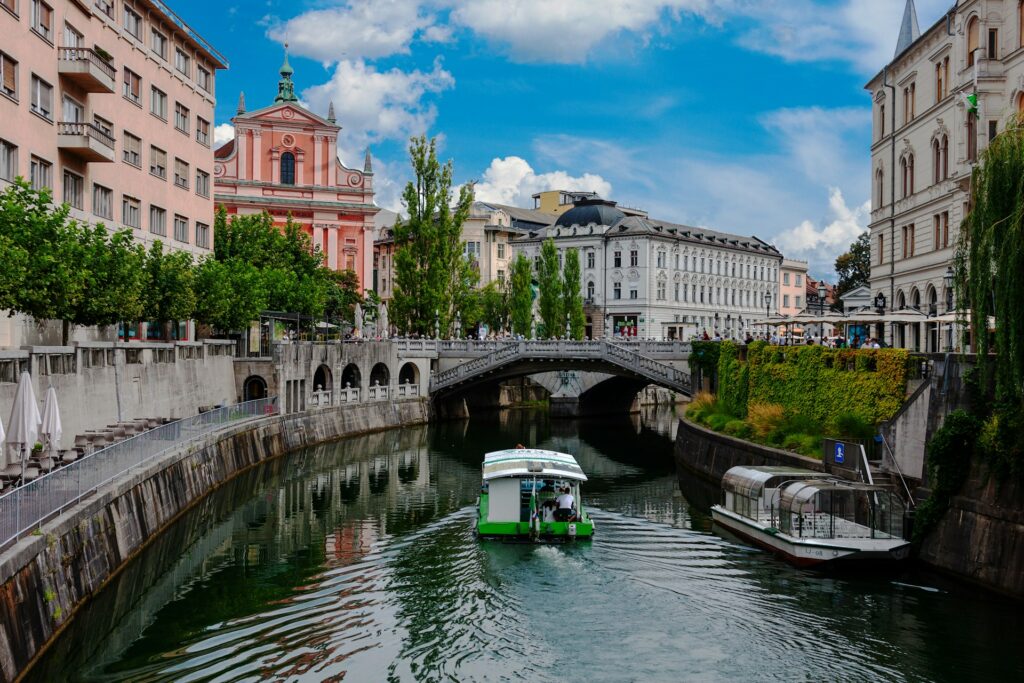
Ljubljana is one of the easiest cities in Europe for a first solo trip. The centre is compact, much of it is pedestrian-friendly, and the Ljubljanica River gives the city a natural route to follow when you arrive.
I would spend the first day walking between Prešeren Square, the Triple Bridge and Ljubljana Castle before exploring the riverside cafés and markets. The city is small enough to understand quickly, which helps if you are travelling alone and do not want to spend half the trip figuring out transport.
Autumn suits Ljubljana particularly well. September is generally quieter after the main summer period, while autumn food events and seasonal produce become a bigger part of the city experience.
2. Sarajevo, Bosnia and Herzegovina
Sarajevo is a great choice for solo travellers who want history, food and a city with a strong sense of place.
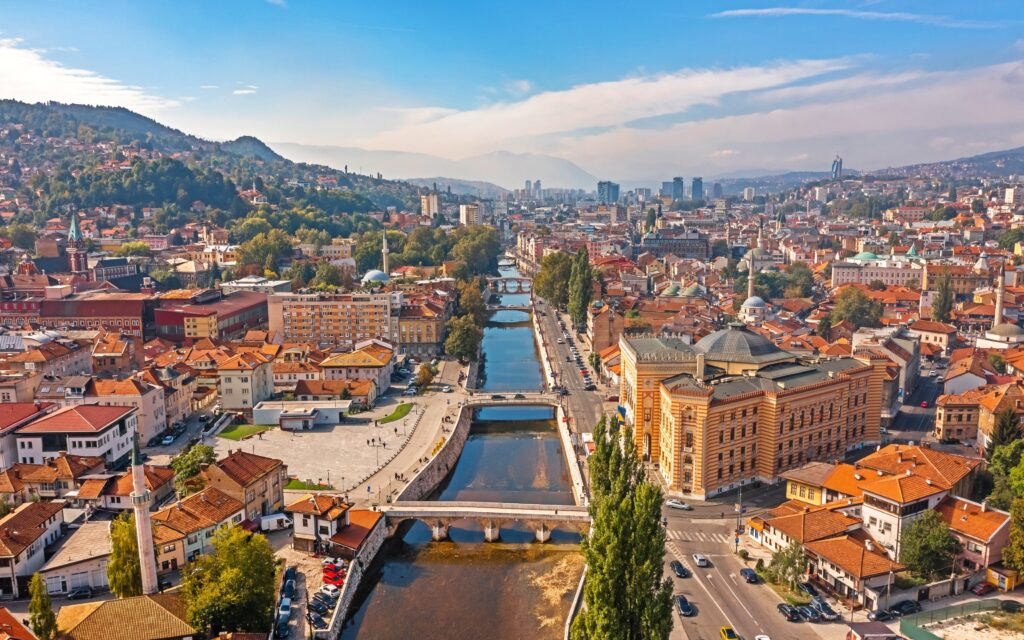
The old Ottoman quarter, Baščaršija, is easy to explore slowly. I would begin there with Bosnian coffee and then walk towards the Austro-Hungarian centre, where the architecture changes noticeably within just a few streets.
One of Sarajevo’s strengths is that you do not need a packed itinerary. Markets, cafés, bakeries and historic buildings provide plenty to experience simply by walking.
The city’s history is complex, and I think this is one destination where joining a small guided walking tour can add real context. After that, exploring alone feels much more meaningful.
3. Bergen, Norway
Bergen is ideal if you want to combine a solo city break with dramatic nature.
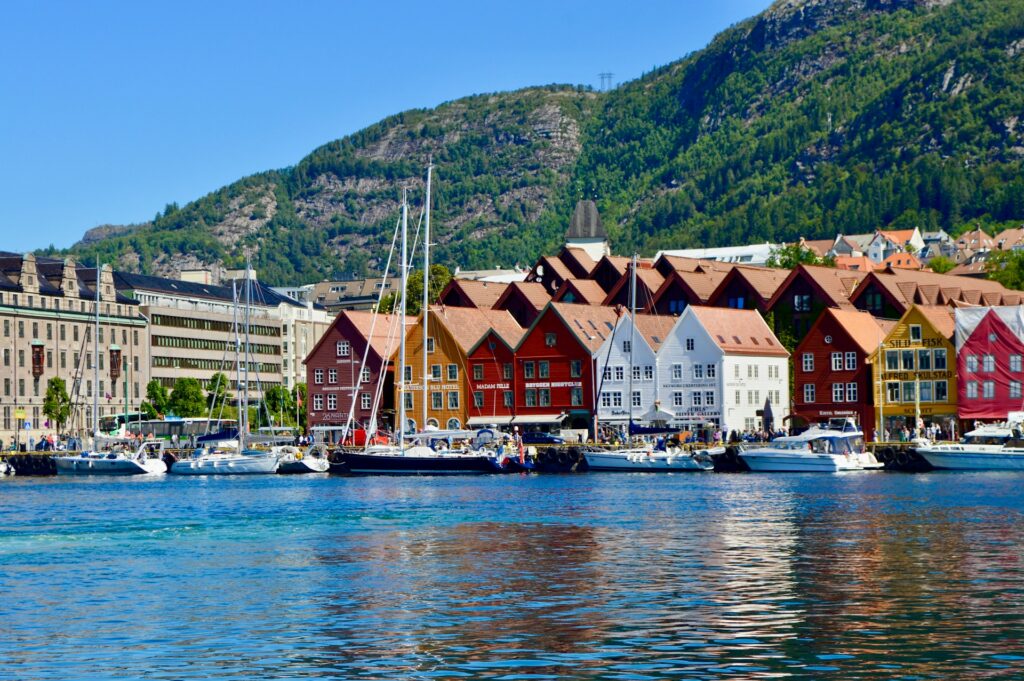
The historic Bryggen waterfront, harbour and compact centre are easy to explore independently, while the Fløibanen funicular gives quick access to Mount Fløyen and walking trails above the city. Bergen also works as a starting point for fjord excursions, including options that continue operating beyond summer.
Autumn brings colourful leaves but also wetter weather, so I would pack proper waterproof clothing rather than relying on an umbrella. Bergen’s official tourism site specifically highlights the changing autumn colours and the city’s famously variable coastal weather.
For solo travellers, that mix of museums, cafés and accessible nature makes it easy to change plans depending on the forecast.
Articles Recommended:
4. Tallinn, Estonia
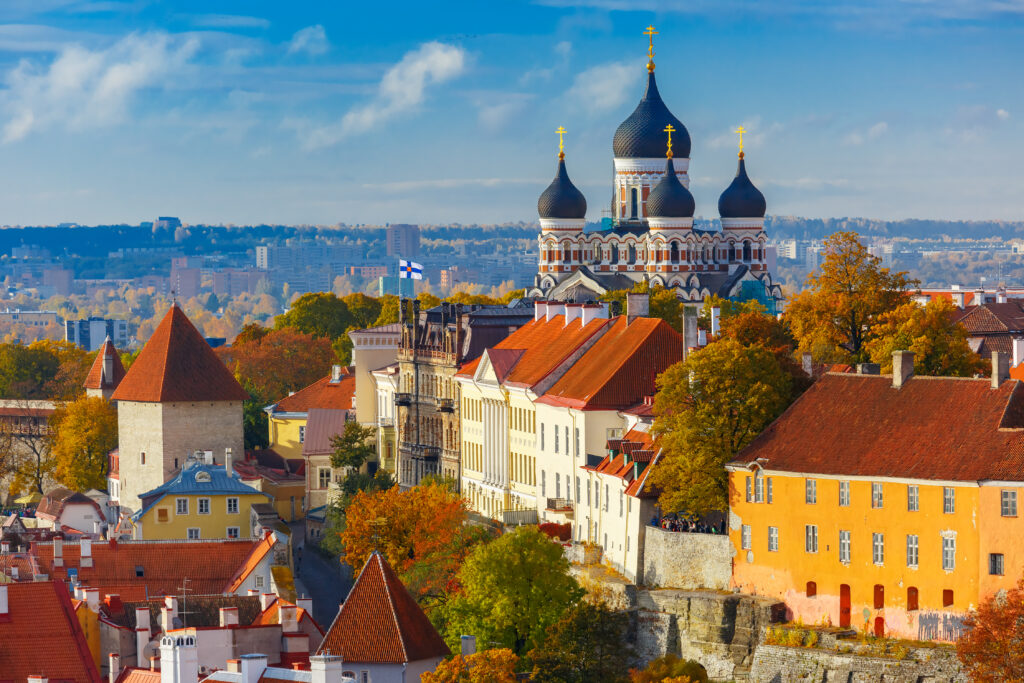
Tallinn feels particularly atmospheric in autumn.
The medieval Old Town is compact enough to explore on foot, but I would also walk beyond it into Kalamaja and Kadriorg. These neighbourhoods give you cafés, parks and a more local side of the city without requiring complicated transport.
Autumn is officially promoted as a season for museums, restaurants, events and cosy cafés, which makes Tallinn a strong choice when the weather becomes cooler.
I especially like Tallinn for solo travel because there is no pressure to rush. You can spend hours walking the old streets, stop for coffee whenever you want and move indoors when rain arrives.
5. Kraków, Poland
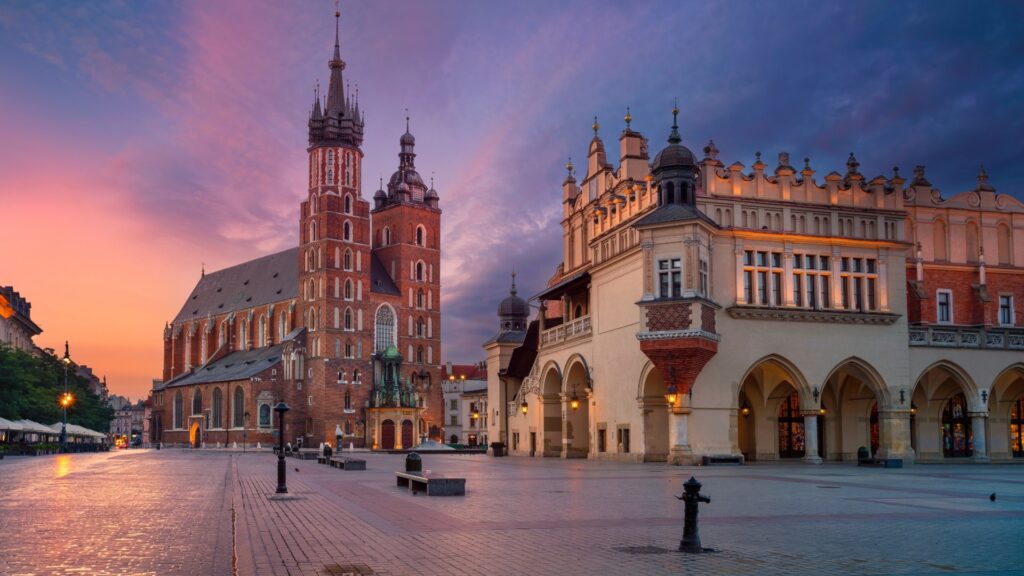
Kraków works extremely well as a solo city break because many of its major attractions are concentrated within a walkable central area.
Start in the Main Market Square, continue towards Wawel Castle and then spend time in Kazimierz. The contrast between the grand historic centre and the more relaxed cafés and streets of Kazimierz gives you enough variety for several days.
Kraków’s official tourism guide highlights the Main Market Square, Wawel, Kazimierz, museums, cultural events and walks beside the Vistula, all of which are easy to enjoy independently.
Autumn adds a more atmospheric feel, especially on cooler evenings when the cafés and cellar bars become part of the experience.
6. Bilbao, Spain
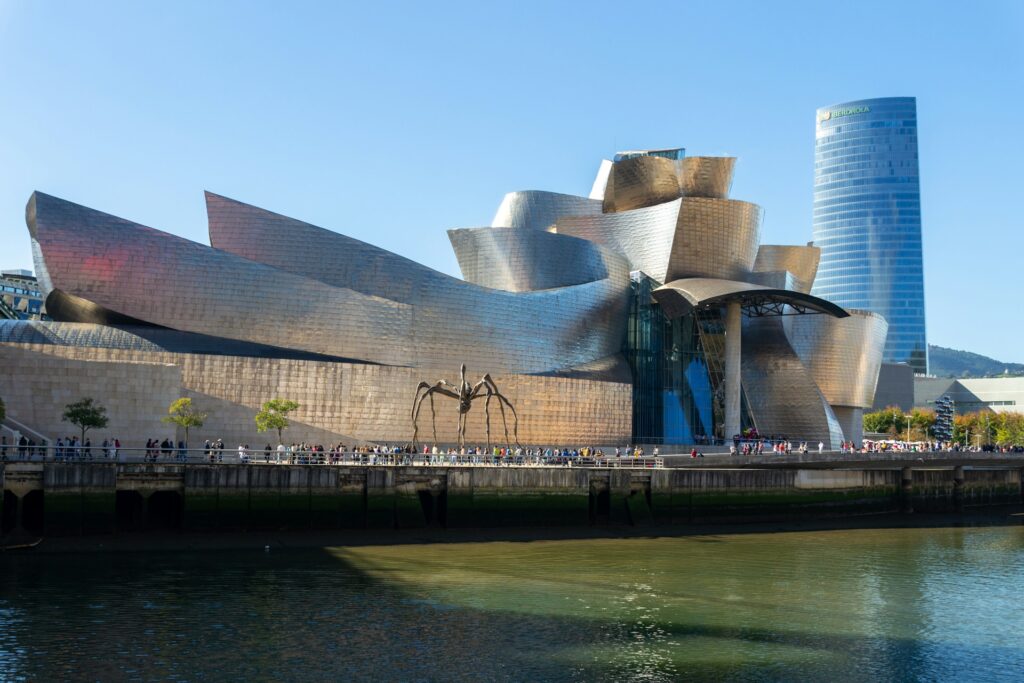
Bilbao is a good solo destination if food is one of the main reasons you travel.
The city is easy to divide into manageable areas: the Old Town, the riverfront and the more modern districts around the Guggenheim Museum. I would walk between them rather than planning an overly structured sightseeing schedule.
Eating alone also feels natural here because pintxos are designed for moving between small bars and ordering one or two things at a time.
Autumn is a particularly interesting food season in the Basque Country, with local menus shifting towards mushrooms, game, grapes, chestnuts and other seasonal ingredients.
Bilbao also gives you the option of adding short day trips without having to rent a car.
Articles Recommended:
- 12 Best Places to Visit in Europe in September
- The Perfect 7-Day Mallorca Itinerary: Beaches, Villages and Scenic Drives
7. Edinburgh, Scotland
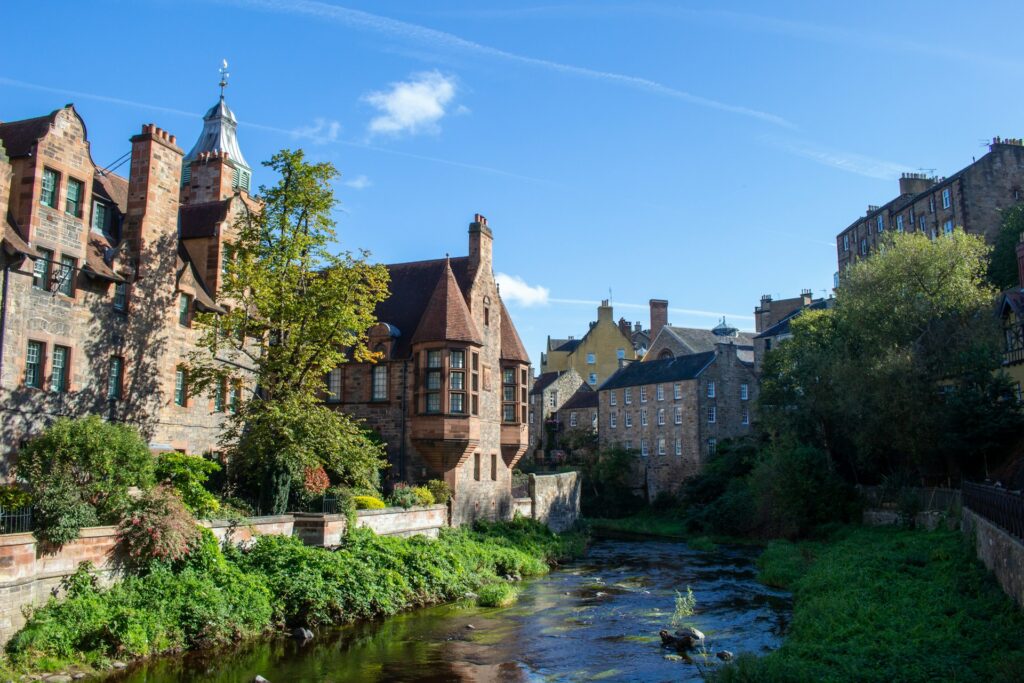
Edinburgh is one of the most atmospheric European cities in autumn.
The Old Town, Royal Mile and Edinburgh Castle are obvious starting points, but I would also spend time around Dean Village, Stockbridge and the city’s green spaces.
Autumn transforms many of Edinburgh’s parks and tree-lined streets with golden foliage, while the cooler weather makes museums, pubs and cafés feel especially inviting. The city’s official tourism organisation specifically recommends autumn for walking and combining outdoor sightseeing with indoor attractions.
Solo travel works well here because there is always something to do without needing company, whether that means a museum, historic walking tour or simply exploring neighbourhoods on foot.
8. Bratislava, Slovakia
Bratislava is a good option for travellers who want a smaller capital that does not require several days to understand.
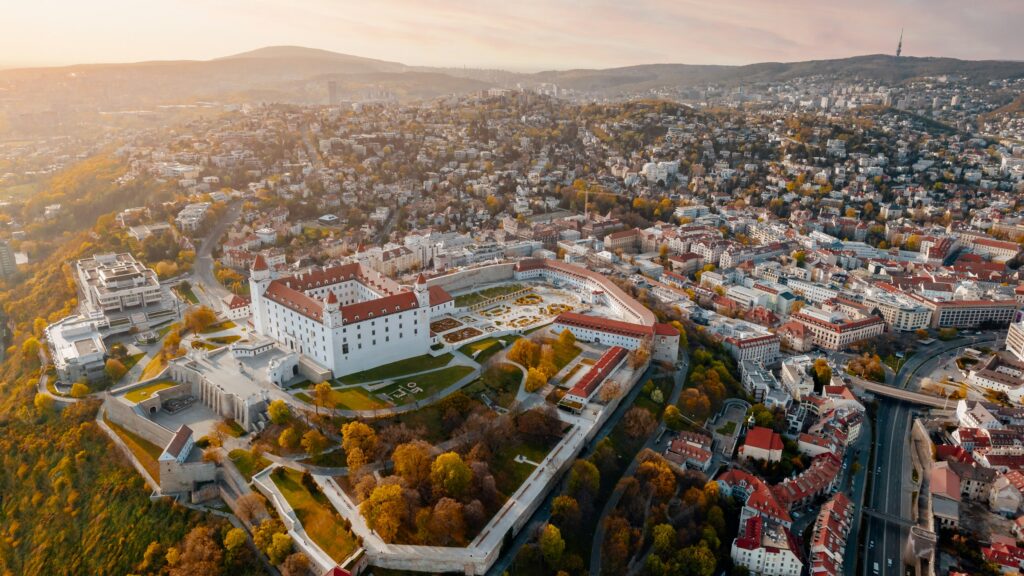
The Old Town is compact, while Bratislava Castle provides views across the Danube. I would give the historic centre one full day and use the second for slower neighbourhood exploration or a short trip towards the surrounding wine region.
Autumn is particularly well suited to Bratislava because the summer crowds thin out and the season brings wine harvest traditions, food events and colourful scenery.
For a solo traveller, the manageable scale is a major advantage. You can see a lot without constantly navigating public transport or crossing a huge city.
9. Utrecht, Netherlands
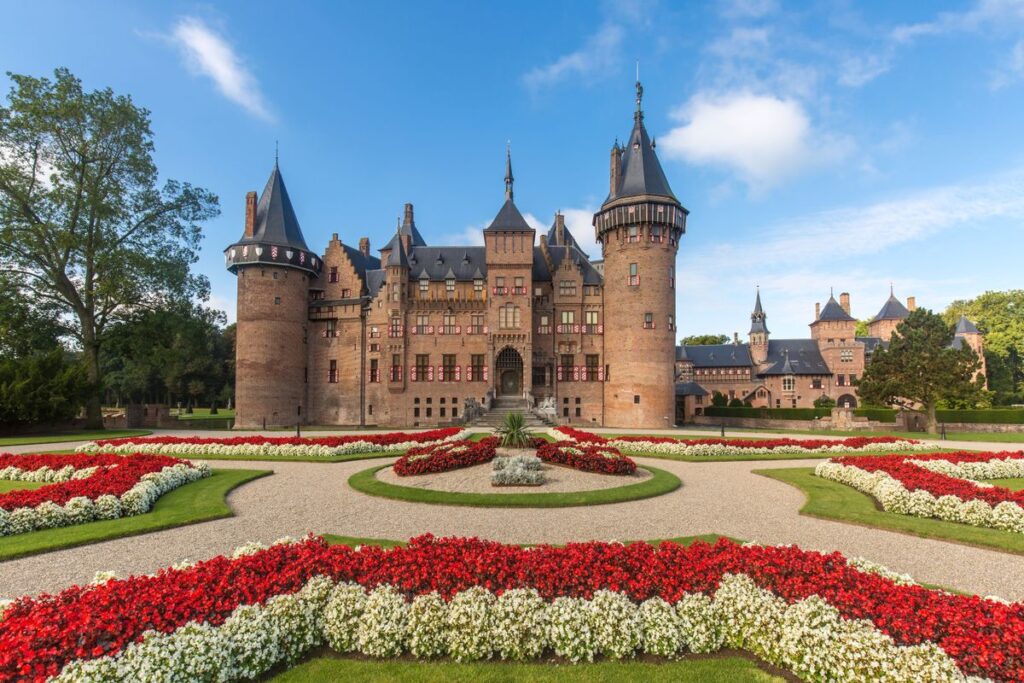
Utrecht is one of my favourite alternatives to Amsterdam for solo travellers.
Its canals, historic centre and café culture make it easy to explore without a plan. The unusual lower-level wharves along the canals create plenty of places to stop for coffee or lunch, while the centre remains compact enough to cover mainly on foot.
Autumn works especially well here. Utrecht’s official tourism site highlights autumn walks, museums, cafés, seasonal events and dining as some of the main reasons to visit during the season.
I would stay at least two nights rather than treating Utrecht as a quick day trip. The quieter evenings are part of what makes the city appealing.
Articles Recommended:
- European Islands That Feel Like Summer Without the Crowds
- Where to Travel in Europe in October 2026: 12 Incredible Autumn Destinations
10. Verona, Italy
Verona is an excellent final choice for travellers who want an Italian city break without the scale of Rome or Milan.
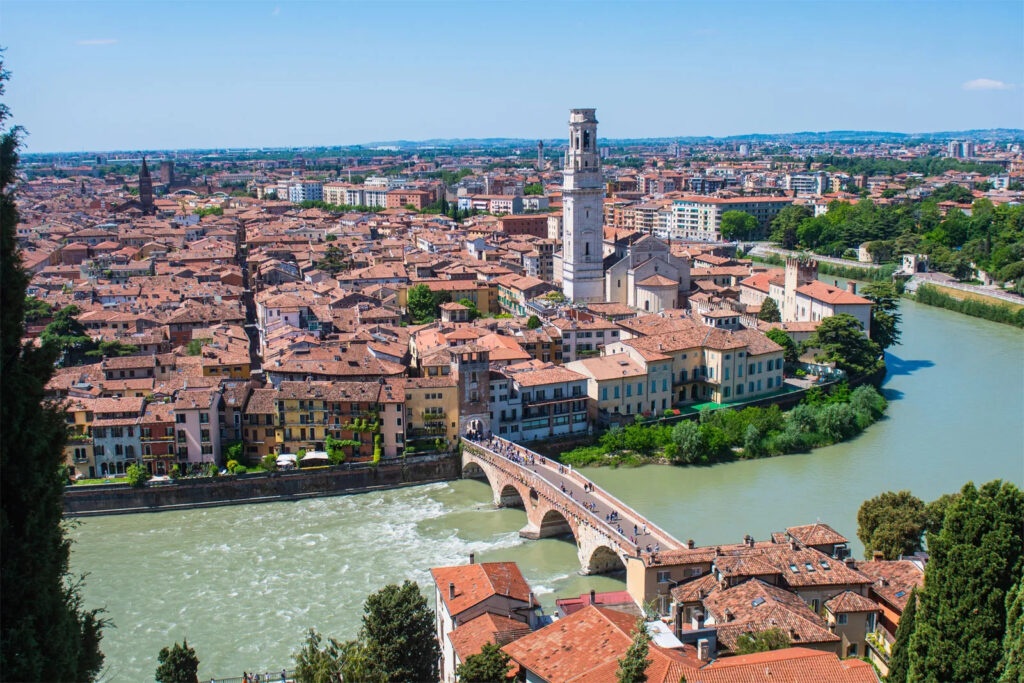
The centre is compact and straightforward to navigate, with Piazza Bra, the Arena, Piazza delle Erbe, Castelvecchio and the Adige River all within easy walking distance. Verona’s official tourism site also notes how quickly visitors can move around the central area.
I would spend one day exploring the main sights and another walking more slowly, stopping for aperitivo and crossing the river towards Castel San Pietro for sunset views.
Autumn also works well if you want to combine the city with vineyards or smaller towns in the surrounding region.
Why Autumn Works So Well for Solo Travel
One of the biggest advantages of travelling alone in autumn is flexibility.
Weather can change quickly, but when you are travelling solo, changing plans is simple. A rainy afternoon can become a museum visit, while an unexpectedly sunny morning can be used for a long walk or viewpoint.
Autumn also encourages more relaxed travel. Cities such as Tallinn, Bratislava and Ljubljana actively shift towards seasonal food, cultural events and indoor experiences during this period.
I would generally choose September or early October if you want longer days and milder temperatures. Late October and November can be more atmospheric, but you should expect shorter daylight hours and a greater chance of rain.
Articles Recommended:
- 10 Best European Destinations to Visit in August 2026
- European Beach Destinations with Crystal-Clear Water for a Perfect Summer Escape
Tips for Travelling Solo in Europe in Autumn
I recommend staying somewhere central, especially for shorter trips. Being able to walk back to your accommodation after dinner makes solo travel much easier.
Pack layers rather than one heavy coat, carry a lightweight waterproof jacket and avoid filling every day with fixed reservations. Autumn weather is easier to enjoy when your schedule remains flexible.
I also think one guided activity can improve a solo trip. A food tour, walking tour or small-group excursion gives you some social interaction without taking away the independence that makes solo travel appealing.
Finally, do not feel that every meal needs to be an event. Markets, cafés, bakeries and casual restaurants are often some of the easiest and most enjoyable places to eat alone.
Final Thoughts
Solo travel in autumn is less about finding the busiest destination and more about choosing somewhere that feels comfortable at your own pace.
Ljubljana and Bratislava are excellent for easy, compact city breaks. Bergen and Edinburgh offer stronger scenery and dramatic autumn weather, while Bilbao and Verona combine food with highly walkable historic centres.
Tallinn, Kraków and Utrecht are ideal if you enjoy museums, cafés and long city walks, while Sarajevo offers one of the most distinctive cultural experiences on the list.
My main advice is to avoid overplanning. Leave time to wander, change your mind and spend longer somewhere simply because you like it.
That freedom is one of the best parts of travelling alone — and autumn might be the season that suits it best.
Written & updated by Matteo — Travelupo
