Discover the world. Create memories that last a lifetime.

Travel guides, hidden gems, and smart itineraries to help you explore better.
Magical Snowy Villages in Europe That Feel Like a Winter Fairytale

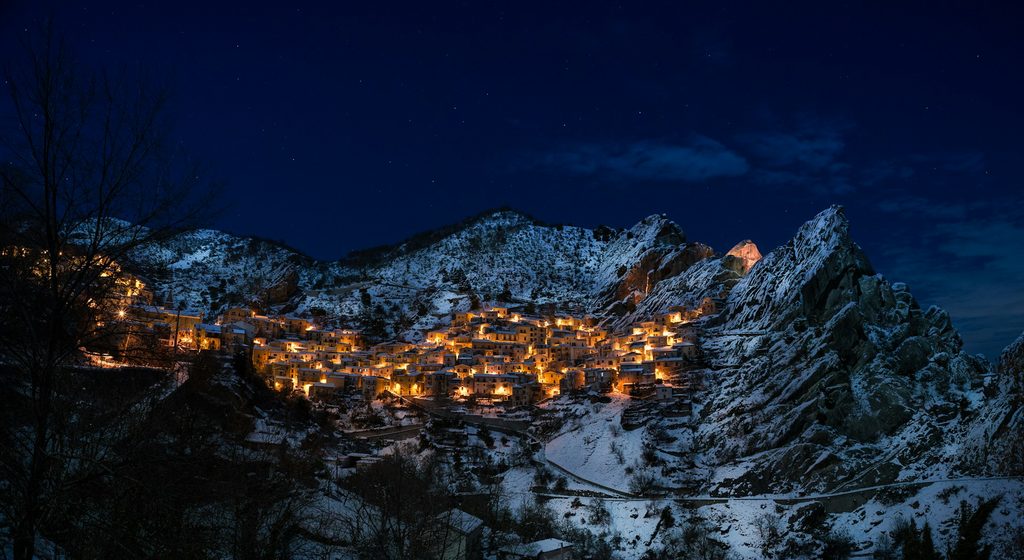
There is something about a European village covered in snow that makes me want to book a flight immediately.
Maybe it is the warm light spilling from wooden chalets, the church towers disappearing into snowy mountains, or the feeling of walking through streets so quiet that you can actually hear the snow crunching beneath your boots. Whatever it is, winter transforms some of Europe’s smallest mountain villages into places that hardly seem real.
And while I love a festive city break, there are times when I would much rather swap busy shopping streets for a tiny Alpine village, a cosy café, mountain views and an unreasonable amount of hot chocolate.
If that sounds like your kind of winter trip too, these are some of the most magical snowy villages in Europe to visit this winter.
1. Hallstatt, Austria
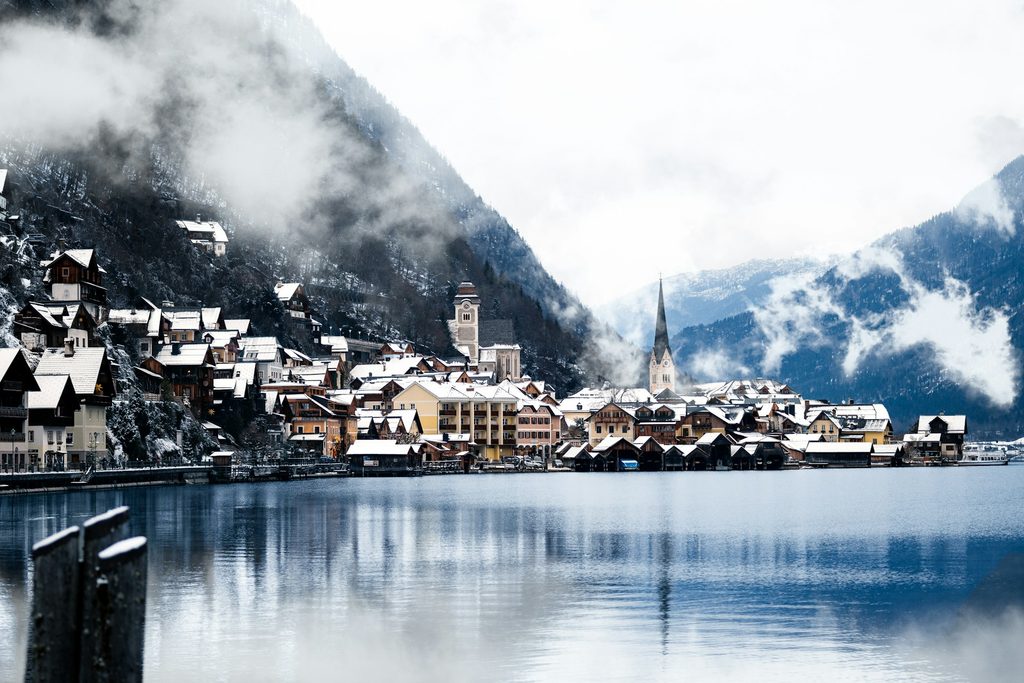
Few places capture the European fairytale aesthetic quite like Hallstatt.
Sitting between a mountain and the edge of Hallstätter See, the village already looks impossibly picturesque throughout the year. Add snow-covered rooftops, mist drifting over the lake and the surrounding Austrian Alps turning white, and the entire place becomes even more atmospheric.
I would come here for slow winter mornings rather than a packed itinerary. Walk along the waterfront, wander through the compact historic centre and find somewhere warm for coffee while looking out over the lake.
Hallstatt can be extremely popular, so winter has another advantage: outside peak holiday periods, the village can feel much calmer than during the busiest summer months.
Best for: Romantic scenery, photography and slow winter weekends.
2. Mürren, Switzerland
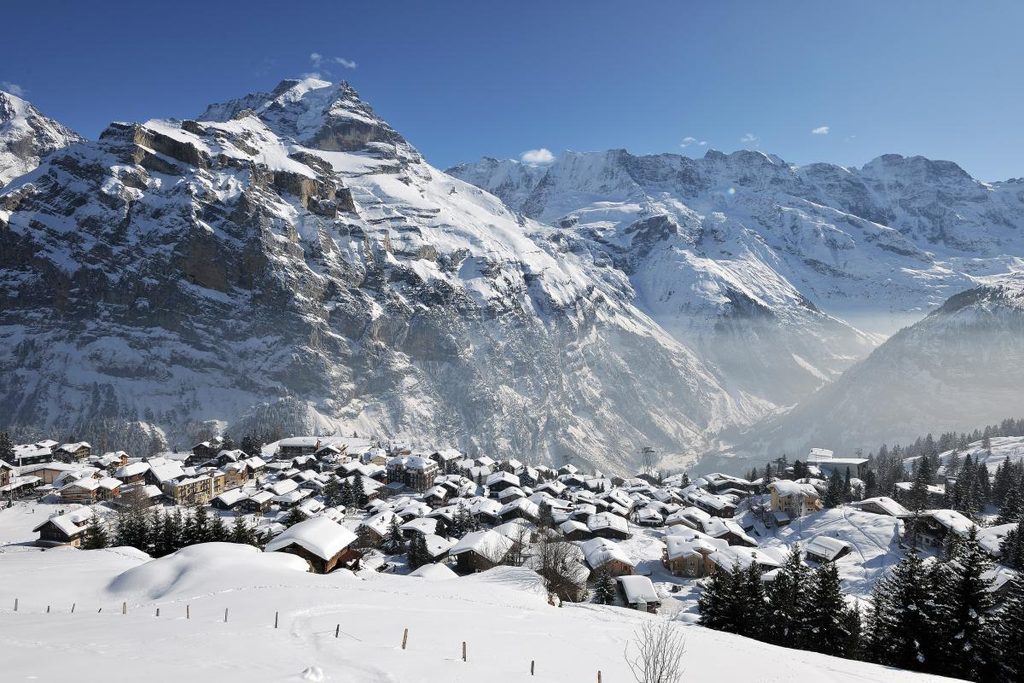
If I were designing my ideal Alpine village from scratch, it would probably look suspiciously similar to Mürren.
The little Swiss mountain village sits around 1,650 metres above sea level and is completely car-free. You reach it by mountain transport rather than simply driving into town, which immediately makes the experience feel more remote.
Then there are the views.
Traditional chalets sit beneath enormous Alpine peaks, snow piles up along the narrow village streets, and the mountains dominate almost every direction you look. The absence of cars also makes Mürren especially peaceful on snowy winter evenings.
Skiers have easy access to the surrounding slopes, but I would happily visit even without skiing. Walking between timber chalets while the mountains disappear into winter clouds is enough of an experience on its own.
Best for: Alpine romance, car-free tranquillity and spectacular mountain scenery.
3. Reine, Norway
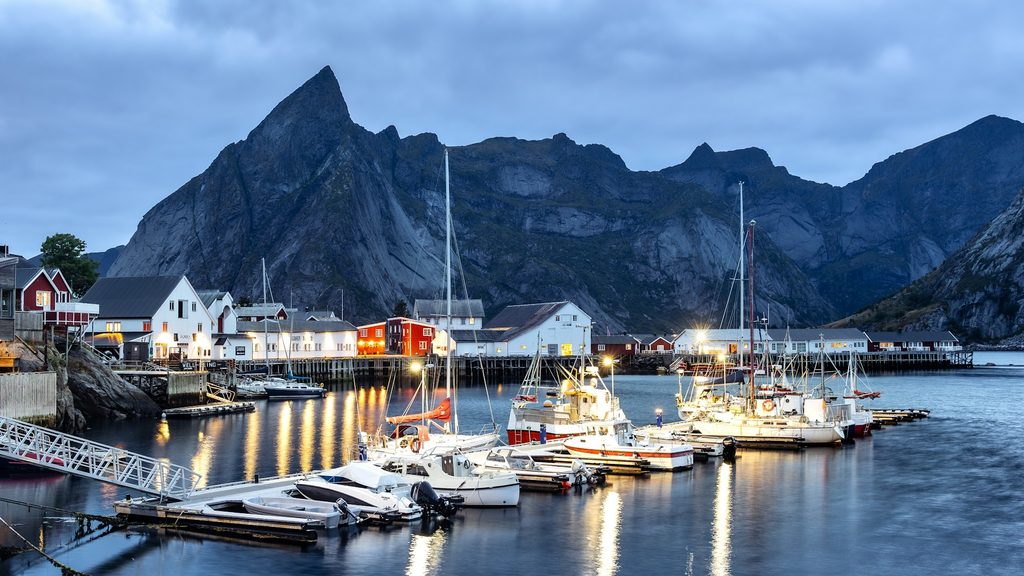
Reine offers a completely different version of winter.
Instead of elegant Alpine chalets, you get red fishermen’s cabins, deep fjords and jagged mountains rising almost directly from the sea.
This tiny fishing village in Norway’s Lofoten Islands feels wild in winter. Arctic weather, short daylight hours and dramatic skies create scenery that is much moodier than the postcard-perfect Alps. Visit Lofoten describes Reine as an authentic working fishing village and specifically warns visitors to prepare properly for dark Arctic winter conditions.
Winter is also northern-lights season, which means a clear night could end with green auroras moving above snowy peaks and traditional red rorbuer cabins.
One important note: this is not the place for casual winter hiking without preparation. Local tourism authorities specifically advise against climbing Reinebringen during winter.
Best for: Northern lights, dramatic scenery and Arctic adventure.
Articles Recommended:
4. Saariselkä, Finland
For a winter experience that feels properly Arctic, head north to Finnish Lapland.
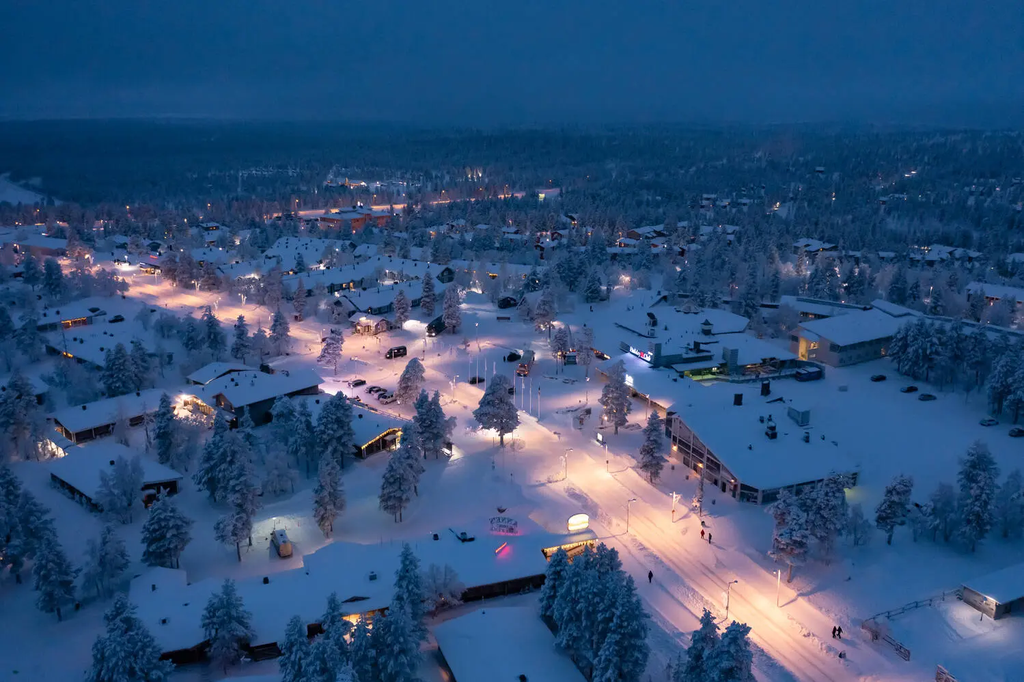
Saariselkä is surrounded by forests and rolling fells that can disappear beneath deep snow during winter. Rather than grand architecture, the appeal here comes from the landscape: snow-covered pine trees, frozen wilderness and cosy cabins tucked into the forest.
This is where I would go if I wanted to fully embrace winter instead of simply admiring it.
Days can include cross-country skiing, snowshoeing, husky experiences or simply walking through landscapes where everything seems muted by snow. Evenings are made for fireplaces, saunas and watching the sky for the northern lights.
The result feels less like a traditional European city break and more like temporarily moving into a Christmas postcard.
Best for: Lapland atmosphere, snowy forests and northern lights.
5. Abisko, Sweden
Abisko is another place where winter feels genuinely wild.
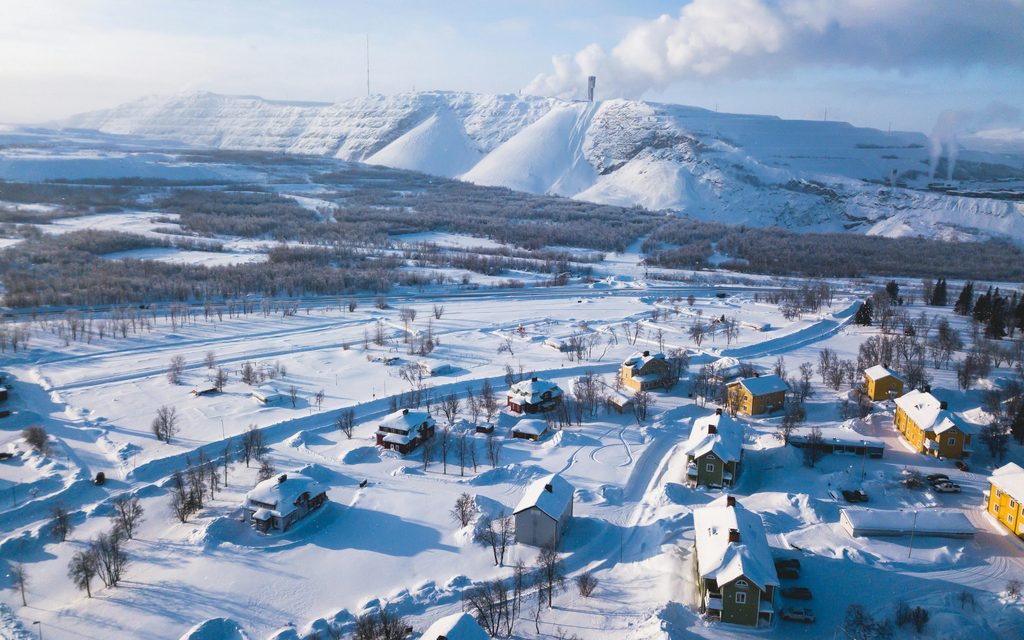
Located in Swedish Lapland far above the Arctic Circle, the small settlement is surrounded by mountains, frozen landscapes and enormous stretches of wilderness.
Snow arrives early here. Swedish Lapland notes that the first snowfall in the region often arrives in October and that snow typically remains from November until April or May.
That makes Abisko one of the strongest options on this list if actually seeing snow is a priority rather than just hoping for a picturesque dusting.
It is also one of Europe’s famous northern-lights destinations. I would spend my days exploring the surrounding winter landscapes and my evenings watching the sky.
Just pack properly. This is sub-Arctic winter, not a mildly chilly December city break.
Best for: Reliable winter scenery, aurora hunting and wilderness.
6. Kranjska Gora, Slovenia
Kranjska Gora delivers almost everything I want from an Alpine winter escape without the scale or prices of some of Europe’s most famous ski resorts.
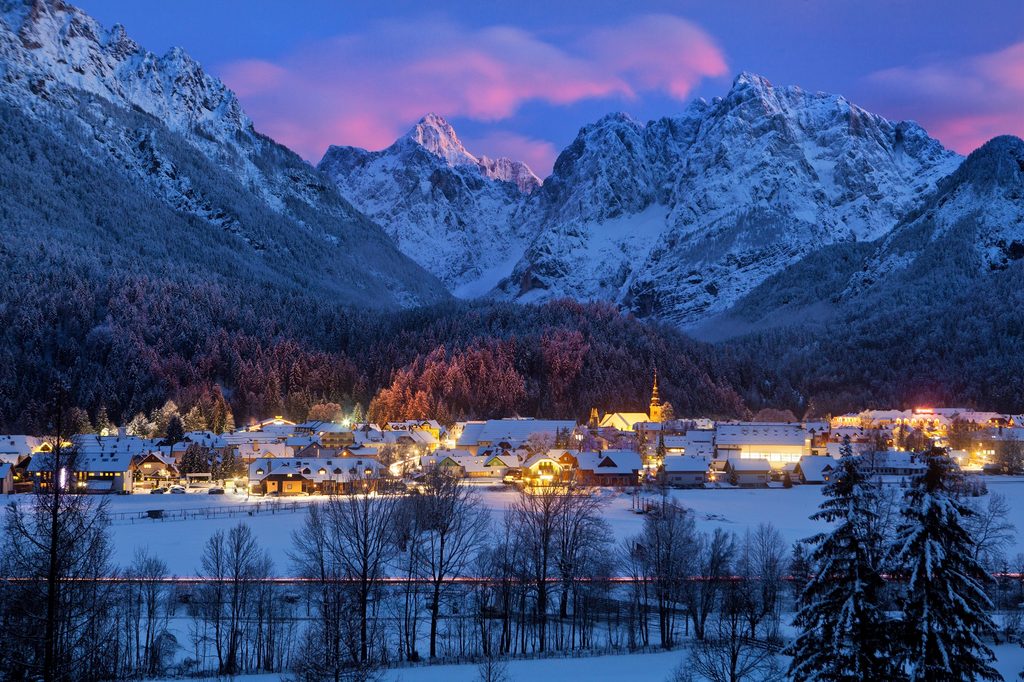
The village sits beneath Slovenia’s Julian Alps, surrounded by dramatic mountains and forests. Once snow arrives, the entire landscape changes.
There is skiing, cross-country skiing, snowshoeing, sledding and ice skating, while the nearby Lake Jasna becomes particularly beautiful in winter. The official tourism board describes Kranjska Gora under snow as becoming “magical,” with winter hiking, ski touring and cross-country routes spread throughout the destination.
During the festive period, the centre also transforms into an Alpine Village with illuminated wooden huts, local food and seasonal events.
For me, it is one of Europe’s most underrated winter bases.
Best for: Affordable Alpine atmosphere, outdoor activities and cosy winter evenings.
Articles Recommended:
- 10 Best European Christmas Markets to Visit in November
- Most Beautiful Small Towns in Europe to Visit in Autumn
7. Bansko, Bulgaria
Bansko proves that you do not need to head to Switzerland or Austria for beautiful snow-covered mountain scenery.
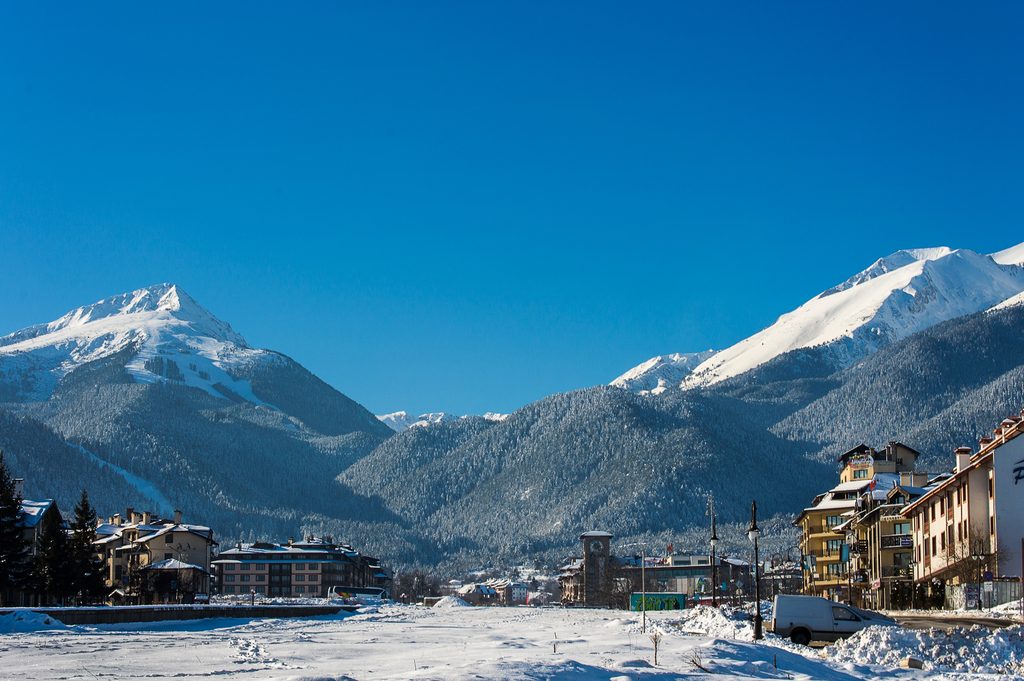
Set beneath Bulgaria’s Pirin Mountains, Bansko combines a historic old town with one of Eastern Europe’s best-known winter resort areas.
What I particularly like about Bansko is the contrast.
One minute you can be surrounded by snowy mountains and ski infrastructure, and the next you are walking along cobbled streets between traditional stone-and-timber buildings. Small taverns, known locally as mehanas, make winter evenings especially cosy.
It is also generally much easier to build a lower-cost winter trip here than in Europe’s most glamorous Alpine resorts.
If you want snow, mountain scenery and hearty food without making your bank account cry, Bansko deserves a serious look.
Best for: Budget winter trips, skiing and traditional mountain-town atmosphere.
8. Ordino, Andorra
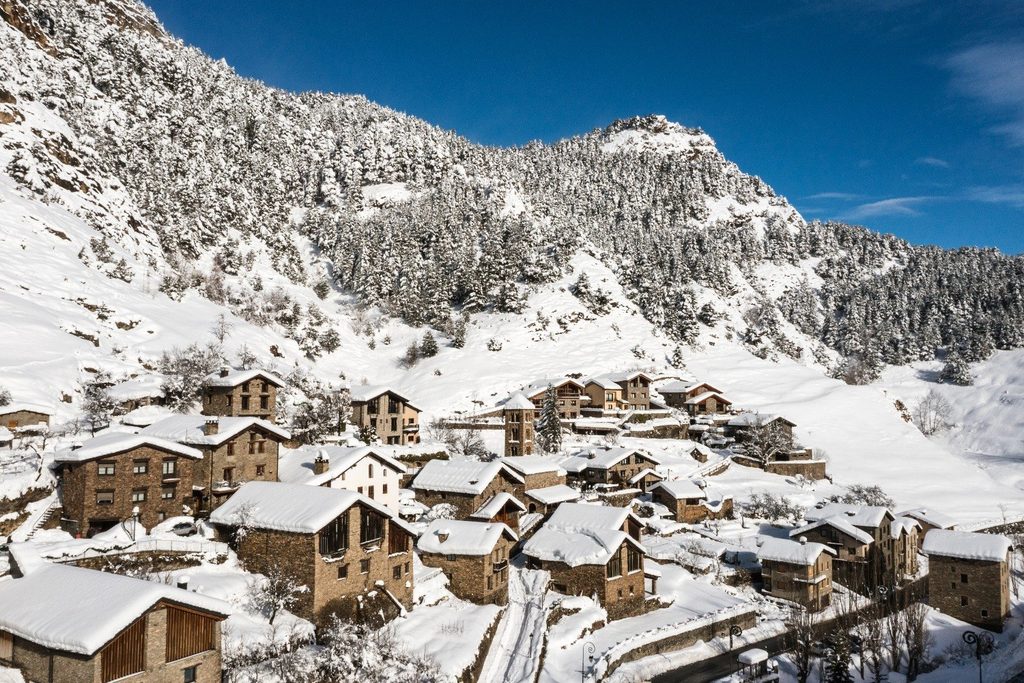
Tiny Andorra often gets reduced to skiing and shopping, but villages such as Ordino show a much prettier side of the country.
Stone houses, narrow streets and surrounding Pyrenean mountains give Ordino an intimate atmosphere that feels particularly suited to winter.
The wider Ordino parish includes historic churches and mountain settlements and sits within a UNESCO-recognised biosphere reserve. In winter, visitors also have access to snow sports at the nearby Ordino Arcalís ski area.
I would use the village as a slower base rather than spending every minute on the slopes: breakfast in town, a day exploring the mountains and then dinner somewhere warm after sunset.
Because Andorra is so compact, it is also easy to combine Ordino with other mountain areas during the same trip.
Best for: Pyrenean scenery, quiet streets and combining village life with skiing.
9. Oberammergau, Germany
Bavaria was practically designed for winter postcards.
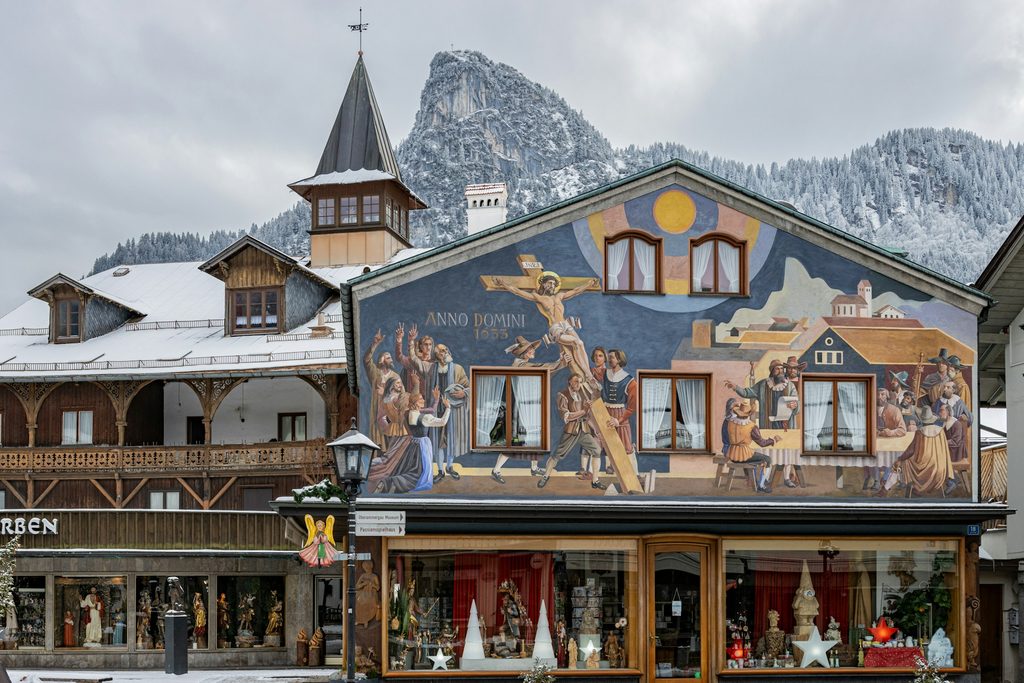
Oberammergau sits among the mountains of southern Germany and is famous for its elaborately painted houses, traditional architecture and long cultural history.
Snow gives the village an entirely different character. Colourful façades peek through white streets, mountains rise behind the rooftops and traditional guesthouses become exactly the kind of places where I would happily spend an entire afternoon.
It is also perfectly positioned for a wider Bavarian road trip. You can combine Oberammergau with nearby Alpine scenery, castles and other small towns rather than treating it as an isolated destination.
This is the village I would choose for travellers who want snow and mountains but still care just as much about culture and architecture.
Best for: Bavarian charm, traditional architecture and winter road trips.
Articles Recommended:
10. Ortisei, Italy
Ortisei might be my favourite option for anyone who wants their winter scenery with an Italian twist.
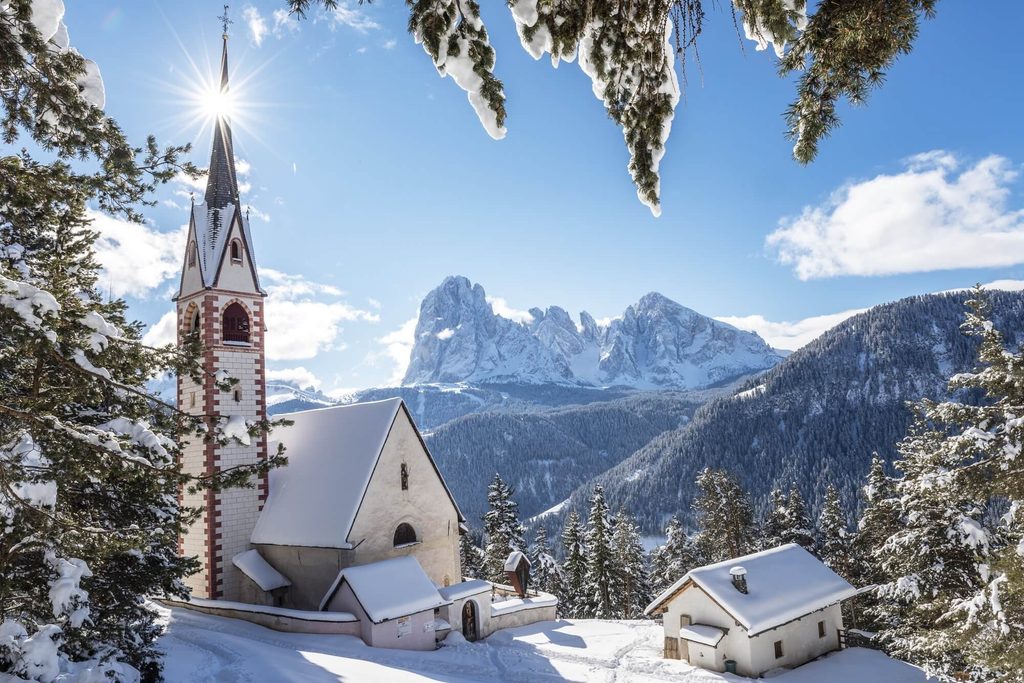
Located in Val Gardena in the Dolomites, the village combines colourful Alpine buildings, historic hotels, cosy cafés and some of Europe’s most dramatic mountain scenery.
Italy’s official tourism site describes Ortisei as a “fairytale village in the Dolomites” and highlights its centuries-old woodcarving tradition as well as its strong winter-sports culture.
From the village, lifts provide access toward Seceda, Rasciesa and Alpe di Siusi, while the wider Val Gardena area connects into the enormous Dolomiti Superski network.
But again, you do not need to ski.
Give me a snowy morning, a walk through Ortisei’s pedestrian centre, Dolomite peaks glowing in the distance and a thick Italian hot chocolate, and I am perfectly happy.
Best for: Dolomite scenery, Italian food and beautiful Alpine streets.
When Is the Best Time to Visit Europe’s Snowy Villages?
For the strongest combination of snow and winter atmosphere, I would generally look at January and February.
December can be magical because of Christmas decorations and festive markets, but snowfall is less predictable in lower-altitude Alpine destinations. By January, many mountain regions are deeper into their winter season.
Northern destinations such as Swedish and Finnish Lapland usually have a much longer snow season. In Swedish Lapland, for example, snow commonly remains from November into April or May.
If your entire trip depends on snow, always check local conditions shortly before booking or travelling. Winters vary considerably, particularly in lower-elevation European destinations.
Articles Recommended:
Final Thoughts
There is something uniquely special about visiting Europe in winter, especially when you leave the big cities behind and head for the smaller villages. Snow-covered rooftops, quiet streets, mountain views and warm lights glowing from traditional houses create the kind of atmosphere that makes even a simple walk feel memorable.
What I love most about these places is how different they all feel. Some are polished Alpine destinations, others are remote Arctic villages, and a few are simply beautiful small towns that become even more charming once winter arrives.
If you are planning a winter trip to Europe, I would definitely consider building at least one snowy village into your itinerary. Even a couple of nights can completely change the feel of the trip and give you that slower, quieter winter experience that is so easy to miss in the bigger cities.
And if I had to choose just one? I would probably keep coming back to the Alps. There is just something about waking up to snow-covered mountains, stepping outside into crisp winter air and ending the day somewhere warm with a drink in hand that feels exactly like winter should.
Written & updated by Matteo — Travelupo
