Discover the world. Create memories that last a lifetime.

Travel guides, hidden gems, and smart itineraries to help you explore better.
Best European City Breaks for Autumn in 2026

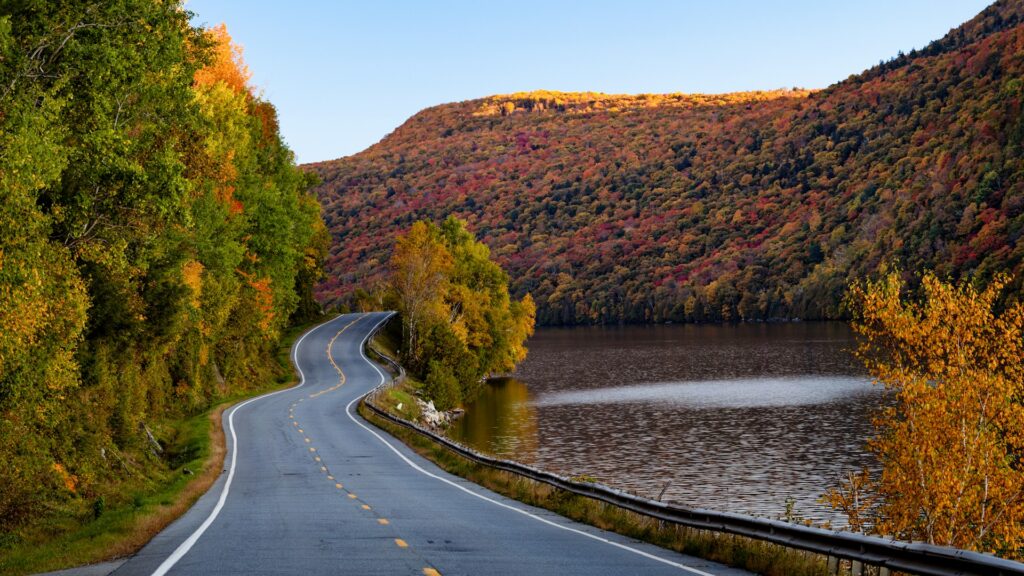
Autumn is one of my favourite seasons for a European city break. The summer crowds begin to fade, temperatures become more comfortable, and many cities feel more atmospheric beneath softer light and changing leaves.
It is also a season that suits slower travel. Instead of moving quickly between attractions in the heat, you can spend longer in museums, cafés, markets and historic neighbourhoods. Food becomes a bigger part of the experience, cultural calendars become busier, and destinations that can feel crowded in summer often regain a more local rhythm.
For this list, I wanted to avoid the same cities that appear in almost every European travel guide. These ten destinations combine architecture, food, culture and walkable neighbourhoods, while offering something especially appealing between September and November.
Articles Recommended:
- 12 Best Places to Visit in Europe in September
- The Perfect 7-Day Mallorca Itinerary: Beaches, Villages and Scenic Drives
1. Palermo, Italy
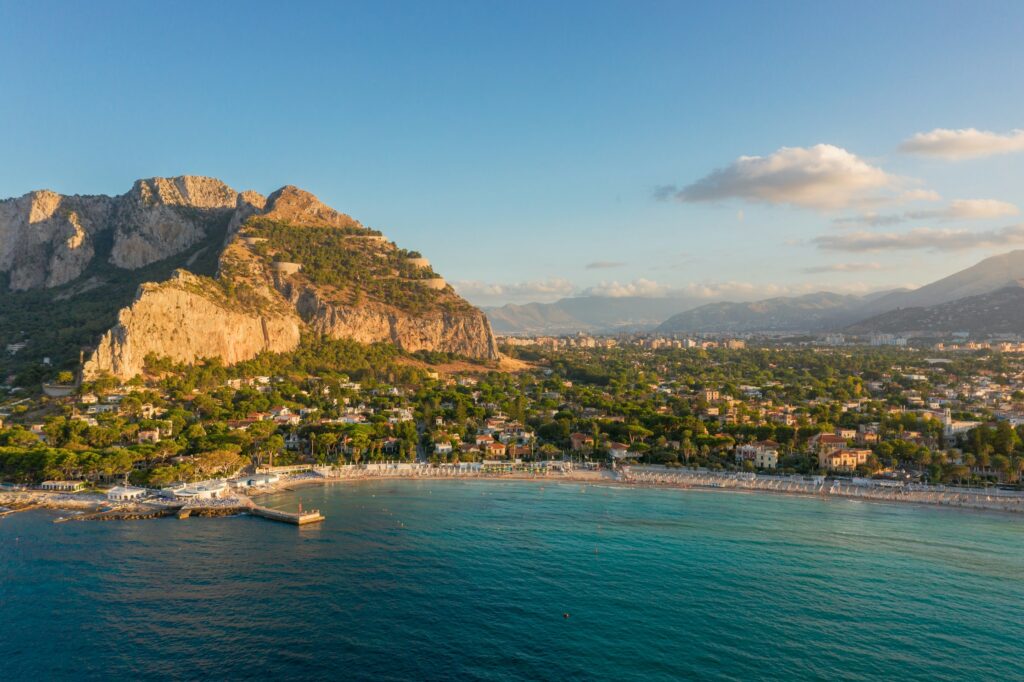
Palermo is one of the best choices for travellers who want to hold on to summer for a little longer. Sicily’s capital usually remains warm well into autumn, but walking through the historic centre becomes far more comfortable once the strongest summer heat begins to fade.
I would start around Quattro Canti before continuing towards the Palermo Cathedral, the Norman Palace and the Palatine Chapel. Palermo is a city of contrasts, where grand architecture, busy markets and faded façades sit beside one another.
Food is one of the main reasons to visit. The markets of Ballarò, Capo and Vucciria are excellent places to experience the city’s energy and try Sicilian street food.
Autumn also works well for day trips. Monreale, with its celebrated cathedral and hillside views, is nearby, while the coastal town of Cefalù can be reached for a slower day beside the sea.
2. Tübingen, Germany
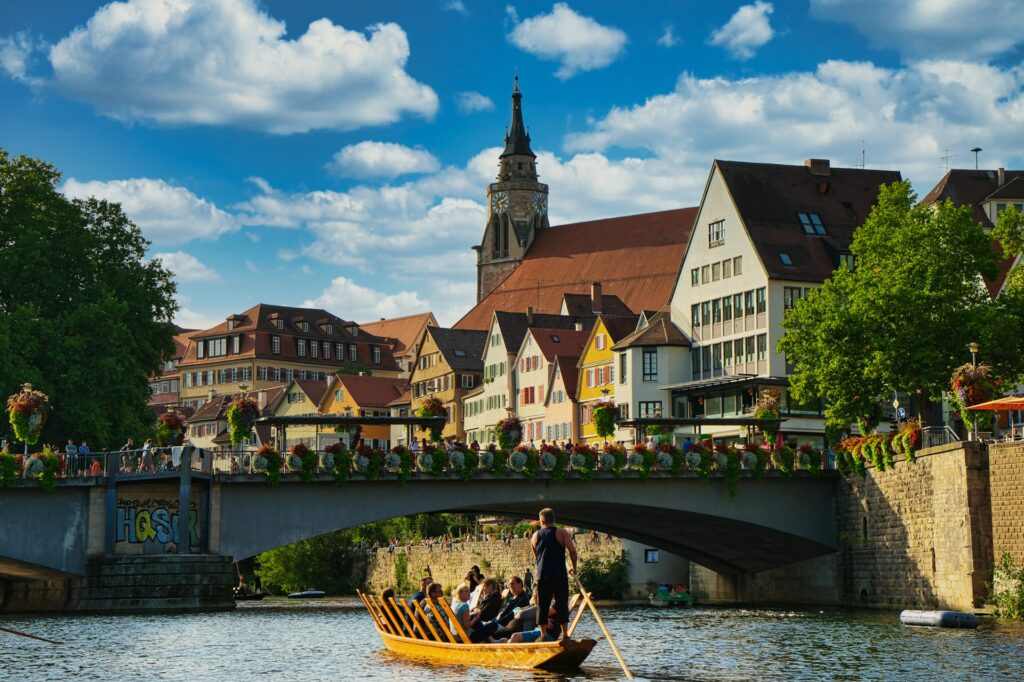
Tübingen is a compact university town in southwestern Germany, known for its colourful Old Town, riverside setting and youthful atmosphere.
The historic centre is easy to explore on foot. I would begin in the Marktplatz, continue through the narrow surrounding streets and then walk towards the Neckar River. Traditional punts glide along the water, while rows of colourful houses create one of the town’s most recognisable views.
Autumn gives Tübingen a particularly inviting atmosphere. The wooded hills around the town begin to change colour, cafés feel cosy, and the streets are lively without becoming overwhelming.
It is an ideal destination for a relaxed two-night break, especially for travellers who prefer smaller cities over major capitals. Stuttgart can be used as the main arrival point, but Tübingen feels much calmer and more intimate.
3. Ljubljana, Slovenia
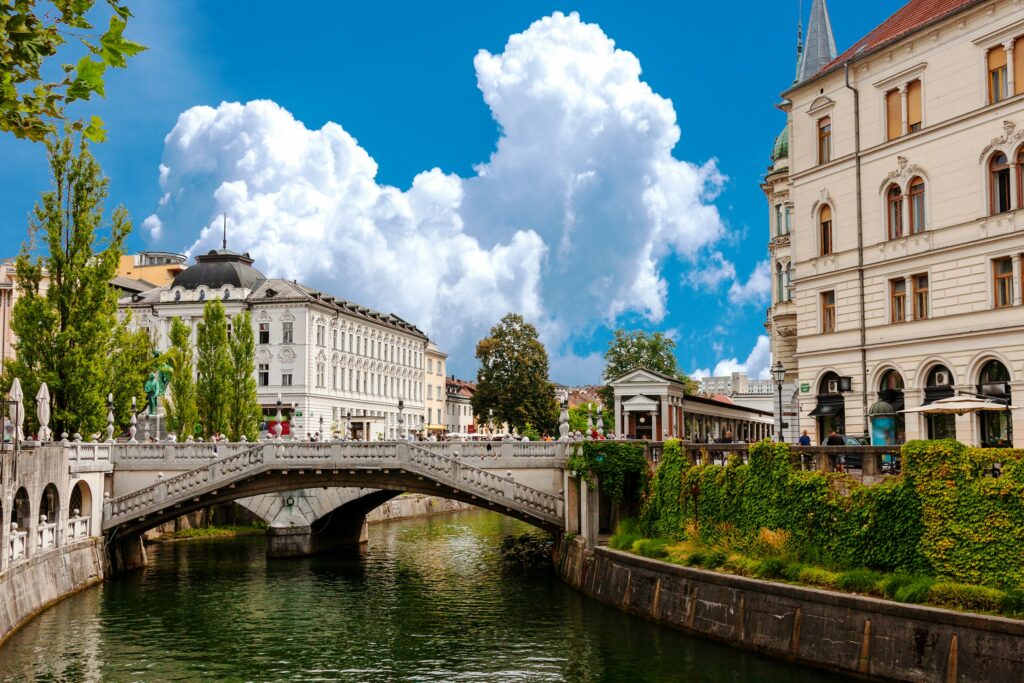
Ljubljana is one of the easiest European capitals to enjoy over a long weekend. The centre is compact, much of it is pedestrianised, and the Ljubljanica River runs through the heart of the city.
I would divide the first day between the riverside, Prešeren Square and Ljubljana Castle. The castle can be reached on foot or by funicular and provides a broad view over the city.
Autumn is also an excellent season for food. Ljubljana’s official tourism organisation highlights seasonal produce, Slovenian wine and autumn culinary events, while the Old Town hosts food and wine experiences connected to traditions such as St Martin’s Day.
Ljubljana works equally well as a standalone city break or as a base for exploring central Slovenia. The city is walkable, green and relaxed, but still offers enough restaurants, museums and cultural spaces to fill several days.
Articles Recommended:
- European Islands That Feel Like Summer Without the Crowds
- Where to Travel in Europe in October 2026: 12 Incredible Autumn Destinations
4. Vilnius, Lithuania
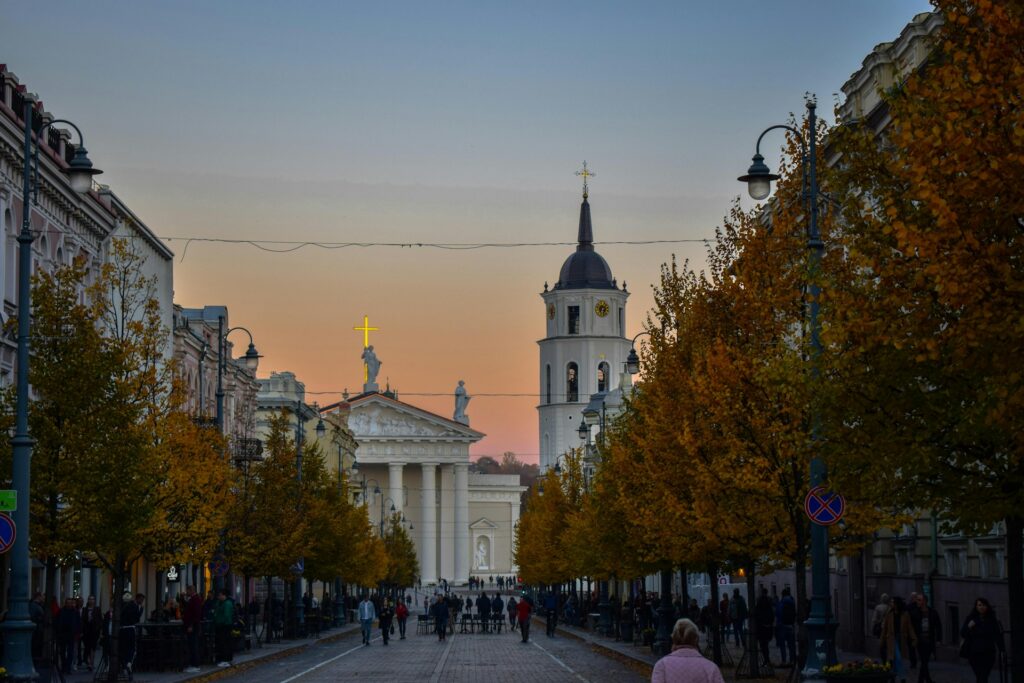
Vilnius becomes especially atmospheric in autumn. Its Baroque Old Town, leafy parks and hilltop viewpoints all take on a quieter character as the season changes.
I would begin around Cathedral Square before walking through the Old Town towards the Gates of Dawn. The city is best explored without a rigid route, as hidden courtyards, churches and side streets often become the most memorable parts of the visit.
For wider views, climb Gediminas Hill or walk towards the Hill of Three Crosses. The bohemian district of Užupis is also worth exploring for its galleries, cafés and independent character.
Vilnius promotes autumn as a season for colourful walks, warm cafés and seasonal dining, with events such as Gastro Week adding another reason to visit later in the year.
I would allow at least three days, especially if you enjoy museums and slow city walks.
5. Zaragoza, Spain
Zaragoza is often overlooked in favour of Madrid, Barcelona and Seville, but it makes an excellent autumn city break.
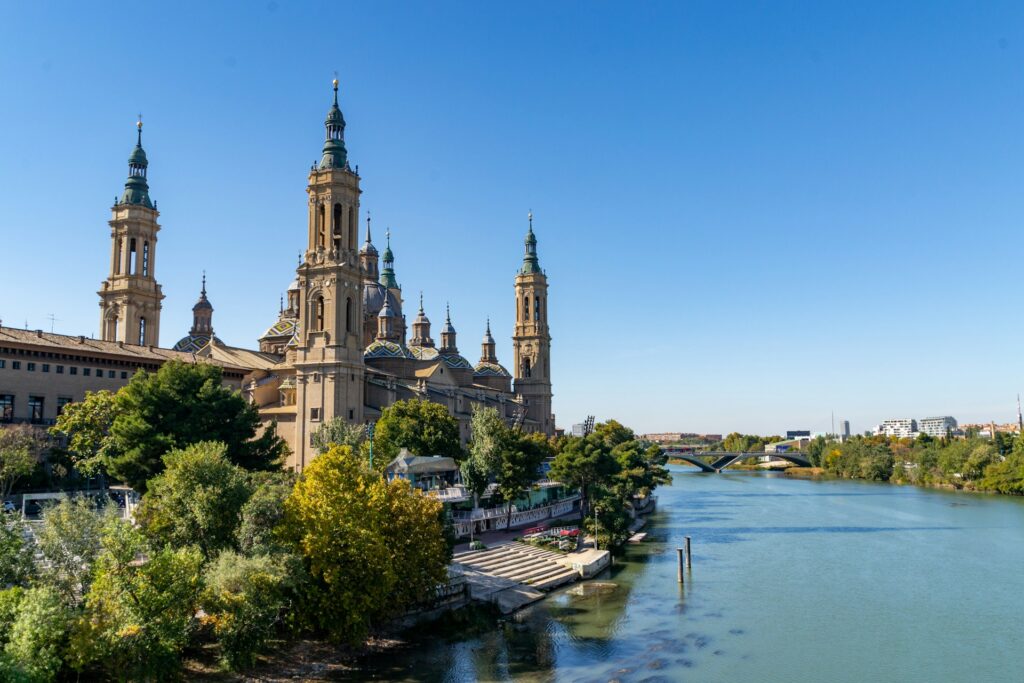
The city’s main landmark is the Basilica of Our Lady of the Pillar, which rises beside the Ebro River. From here, you can explore the historic centre, visit La Seo Cathedral and discover examples of Mudéjar architecture.
Zaragoza is also known for its tapas scene. I would spend an evening around El Tubo, moving between small bars and trying local dishes rather than settling into one long meal.
Autumn is one of the city’s strongest cultural seasons. Zaragoza’s tourism office highlights concerts, jazz, food experiences and the major Fiestas del Pilar as part of its September-to-December programme.
Because it is well connected by high-speed rail, Zaragoza can also be combined easily with Madrid or Barcelona.
6. Plovdiv, Bulgaria
Plovdiv is one of Europe’s oldest continuously inhabited cities, but it feels creative and youthful rather than preserved only for tourism.
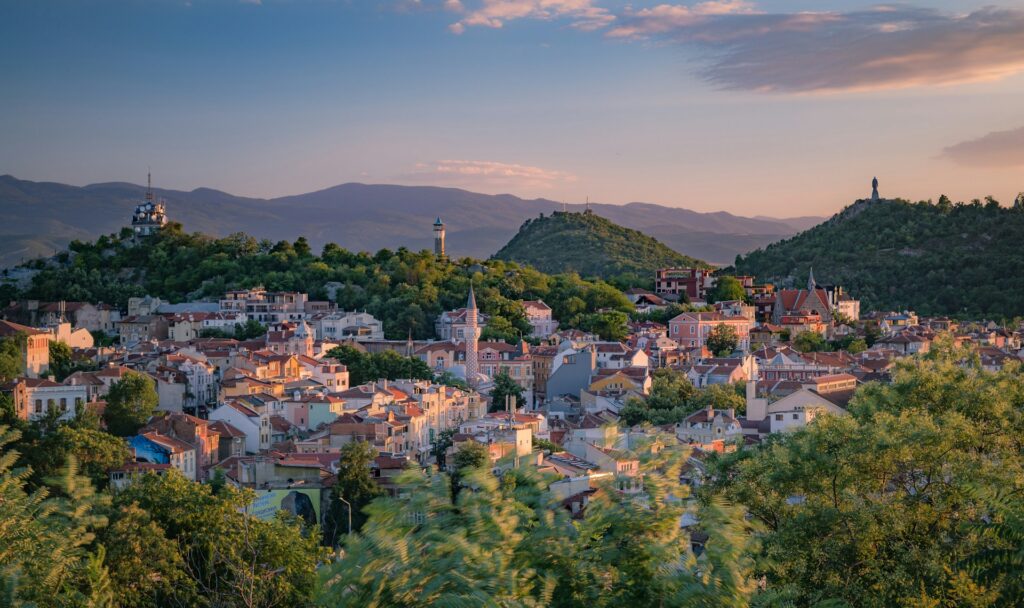
The Old Town is known for colourful nineteenth-century houses, cobbled streets and Roman ruins. The Ancient Theatre is the city’s most famous landmark, while the Roman Stadium appears unexpectedly beneath the modern centre.
I particularly like the contrast between the historic district and Kapana, a creative neighbourhood filled with cafés, small bars, galleries and independent shops.
Autumn is ideal for walking between the city’s hills, especially when the summer heat has softened. Evenings can become cool later in the season, but daytime sightseeing is usually much more comfortable than in July or August.
Plovdiv is a strong choice for travellers looking for culture, good food and lower costs than many western European destinations.
Articles Recommended:
- European Beach Destinations That Shine in September 2026
- 10 Best European Destinations to Visit in August 2026
7. Lecce, Italy
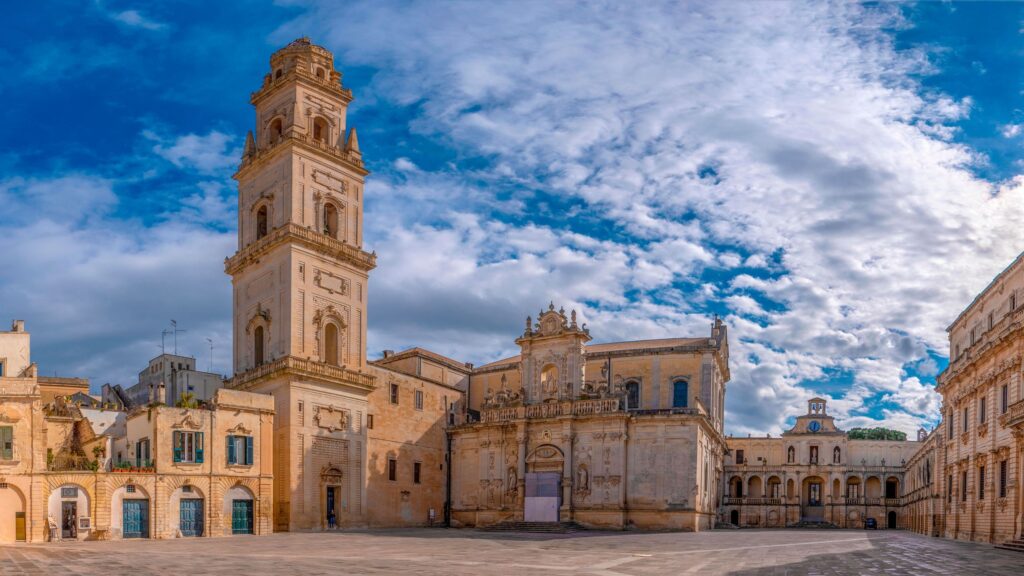
Lecce is sometimes described as the Florence of the South, but the city has a distinct identity shaped by elaborate Baroque architecture and the warm limestone of Puglia.
The historic centre is compact and best explored slowly. Piazza del Duomo is particularly beautiful in the evening, while the Basilica di Santa Croce is covered in intricate carved details.
I would also visit the Roman amphitheatre in Piazza Sant’Oronzo and spend time walking through the quieter streets away from the central landmarks.
Autumn brings more comfortable temperatures for sightseeing, while southern Puglia often retains a sense of late summer in September and early October. Lecce can also be used as a base for visiting Otranto, Gallipoli and several small towns across the Salento Peninsula.
For food, try pasticciotto, a small pastry filled with custard, and traditional dishes based on vegetables, bread and handmade pasta.
8. Brno, Czech Republic
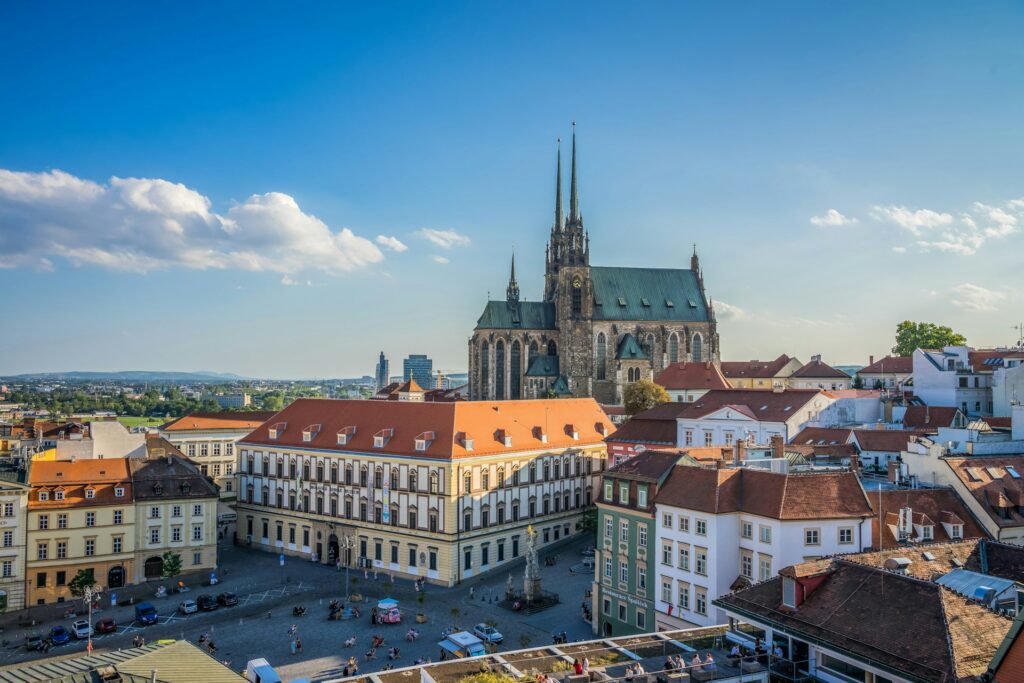
Brno is a lively university city that feels far less formal than Prague. It has historic squares, modernist architecture, underground spaces and a strong café and bar scene.
Begin in the centre around Freedom Square before visiting the Cathedral of St Peter and Paul. Špilberk Castle sits above the city and provides a good introduction to Brno’s history.
One of the city’s most famous buildings is Villa Tugendhat, an important example of modernist architecture. Advance reservations are usually essential for interior tours, so this is one attraction I would plan before travelling.
Autumn suits Brno particularly well because it is a city built around indoor culture as much as outdoor sightseeing. Cafés, wine bars, galleries and restaurants become part of the experience once evenings grow cooler.
Brno is also a useful base for exploring South Moravia and its vineyard towns.
9. Antwerp, Belgium
Antwerp combines grand architecture, fashion, art and one of Europe’s most impressive railway stations.
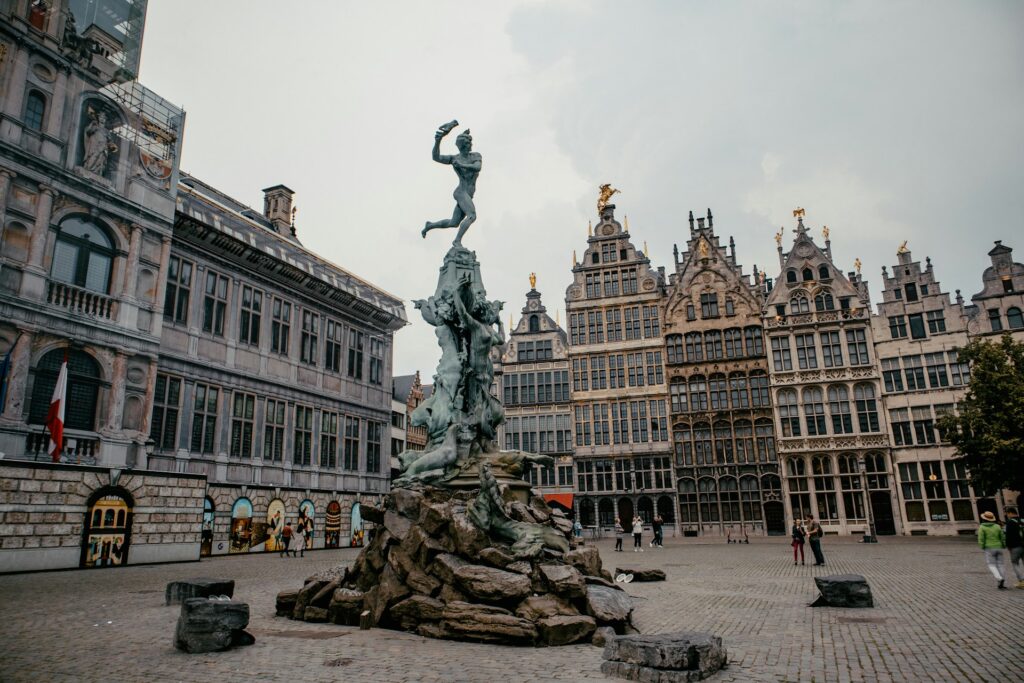
I would begin at Antwerpen-Centraal before walking towards the Grote Markt and Cathedral of Our Lady. The historic centre is compact, but the city’s neighbourhoods are varied enough to reward a longer stay.
The Museum aan de Stroom provides wide views from its upper levels, while the riverside and former dock areas reveal Antwerp’s maritime character. Travellers interested in art can also explore the city’s connection to Peter Paul Rubens.
Autumn is ideal for Antwerp because the city does not depend on outdoor attractions or perfect weather. Museums, design shops, cafés and restaurants make it easy to adapt the day if it rains.
It also feels more energetic and urban than Bruges, making it a good choice for travellers who want historic beauty without a purely postcard-like atmosphere.
Articles Recommended:
10. Porto, Portugal
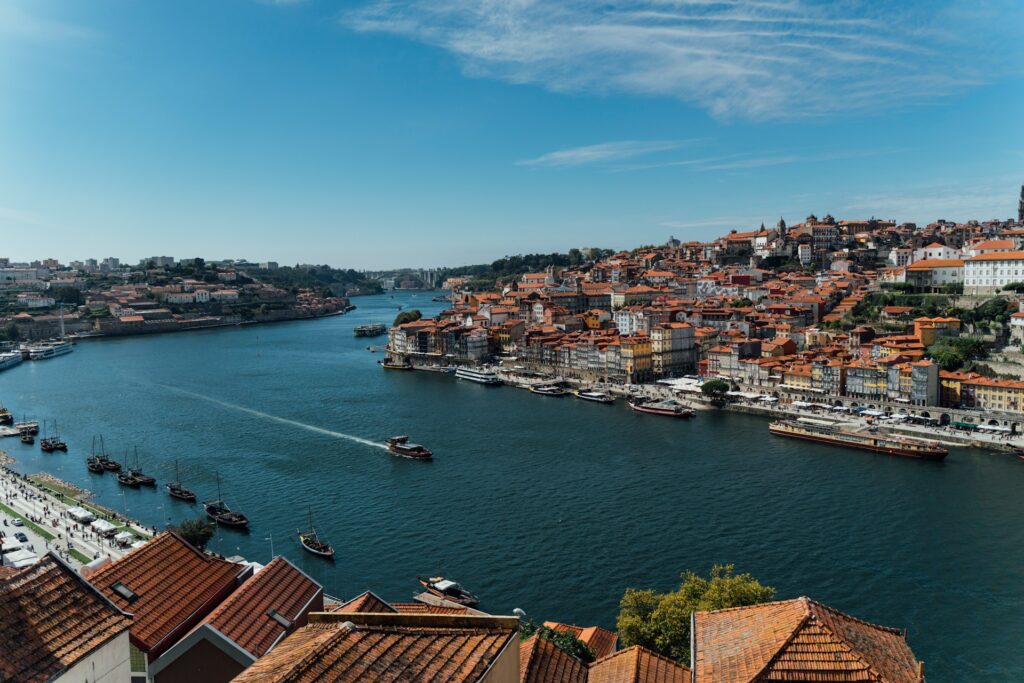
Porto is beautiful throughout the year, but autumn brings softer light, fewer peak-season visitors and a more atmospheric mood along the Douro River.
Start in the historic centre before walking downhill towards Ribeira. From there, cross the Dom Luís I Bridge to Vila Nova de Gaia for one of the best views back towards Porto.
The city is hilly, so I would avoid trying to cover every neighbourhood in one day. Allow time for São Bento Station, Livraria Lello, the Clérigos area and a slow walk beside the river.
Autumn weather can be unpredictable, particularly later in the season, but Porto works well even on rainy days. Churches, markets, cafés and wine cellars provide plenty of indoor options.
For a longer trip, add a day in the Douro Valley, where vineyard landscapes become especially appealing around harvest season.
Why Take a European City Break in Autumn?
Autumn offers a balance that is difficult to find in peak summer. Temperatures are generally better for walking, museums feel more inviting, and historic centres often become easier to enjoy.
The season also brings a stronger focus on food. Harvest traditions, wine events and seasonal menus give many cities a different character from their summer version.
I recommend travelling in September or early October for the best chance of mild weather. Late October and November can be colder and wetter, but they are often ideal for travellers who prioritise culture, cafés and quieter streets over sunshine.
Final Thoughts
The best European city breaks for autumn are not necessarily the largest or most famous cities.
Palermo and Lecce offer warmer weather and southern European food, while Ljubljana, Vilnius and Tübingen provide colourful streets and a slower atmosphere. Zaragoza, Plovdiv and Brno are strong cultural choices, while Antwerp and Porto combine major sights with neighbourhoods worth exploring at an unhurried pace.
My main advice is to choose a city that suits the season rather than trying to recreate a summer holiday. Pack comfortable shoes, bring a light waterproof layer and leave room for long meals, museum visits and spontaneous café stops.
Autumn changes the rhythm of European cities, and that slower pace is often exactly what makes the trip memorable.
Written & updated by Matteo — Travelupo
