Discover the world. Create memories that last a lifetime.

Travel guides, hidden gems, and smart itineraries to help you explore better.
The Most Beautiful Small Towns in Europe That Feel Like a Fairytale

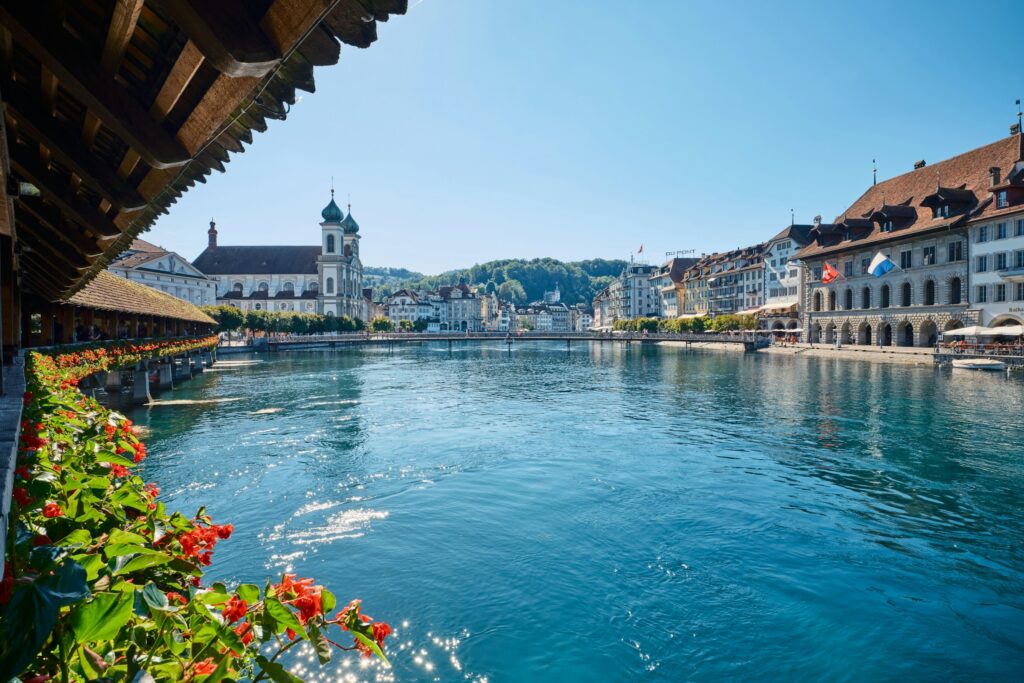
The Most Beautiful Small Towns in Europe That Feel Like a Fairytale
There’s something different about small towns in Europe.
While big cities impress with landmarks and energy, smaller places tend to stay with you in a quieter way. The pace slows down, details become more visible, and the experience feels less like sightseeing and more like stepping into a story.
I’ve often found that some of the most memorable moments in Europe don’t happen in famous capitals, but in places where time seems to move differently — where narrow streets wind between pastel houses, where church bells echo through empty squares, and where evenings are spent watching the light fade over rooftops instead of rushing to the next attraction.
Across Europe, there are countless towns that feel almost unreal in their beauty. Some sit between mountains, others along coastlines, and many seem untouched by modern life.
For travelers in 2026, these places offer something increasingly rare: atmosphere, authenticity, and space to truly enjoy where you are.
Hallstatt, Austria
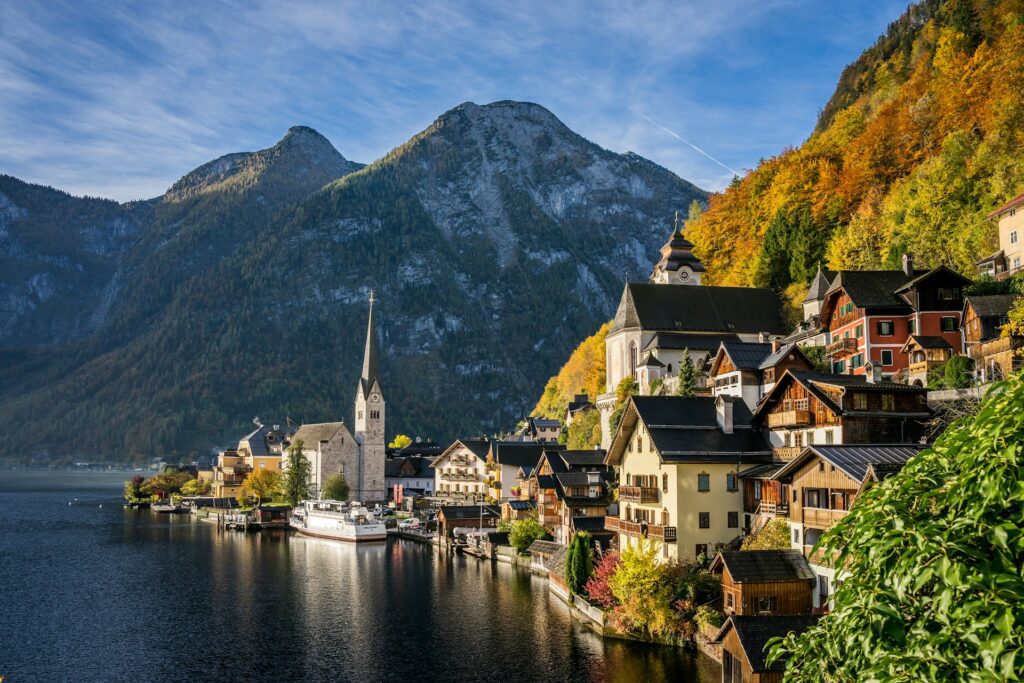
Hallstatt is often described as one of the most beautiful villages in the world, and standing on its lakeside edge, it’s easy to understand why.
Nestled between a calm alpine lake and steep mountains, the town looks almost perfectly composed. Wooden houses cling to the hillside, their reflections mirrored in the water below. Early mornings here feel especially magical, when mist rises from the lake and the streets remain nearly silent.
Despite its popularity in photos, Hallstatt still rewards those who take the time to explore beyond the main viewpoint. Walking through its narrow streets, climbing toward the salt mines, or simply sitting by the water reveals a calm, almost timeless atmosphere.
Articles Recommended:
- A 7-Day Paris Itinerary for First-Time Visitors
- Why Europe Is One of the Best Places in the World for Solo Travel
Colmar, France
Colmar feels like it belongs in a storybook.
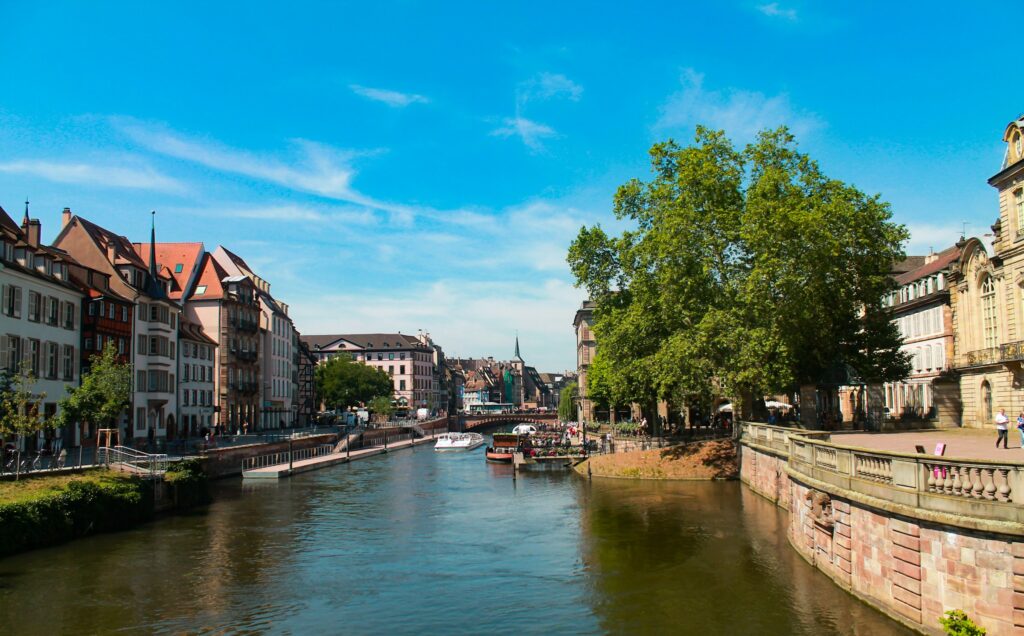
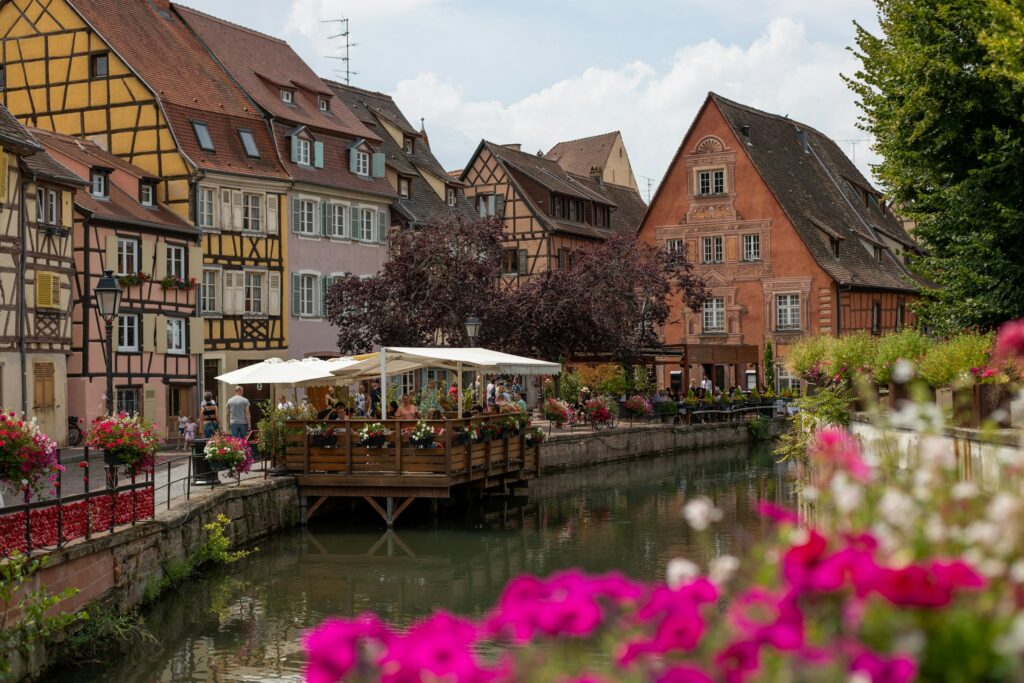
Located in the Alsace region, the town is known for its colorful half-timbered houses, flower-lined canals, and cobblestone streets that seem designed for wandering without direction.
What makes Colmar particularly special is how well preserved it feels. Buildings lean slightly over narrow alleys, shutters are painted in soft pastel tones, and small details — window boxes, lanterns, wooden doors — give the town a warm, inviting character.
In the evening, when lights reflect softly on the canals, the atmosphere becomes even more enchanting.
Positano, Italy
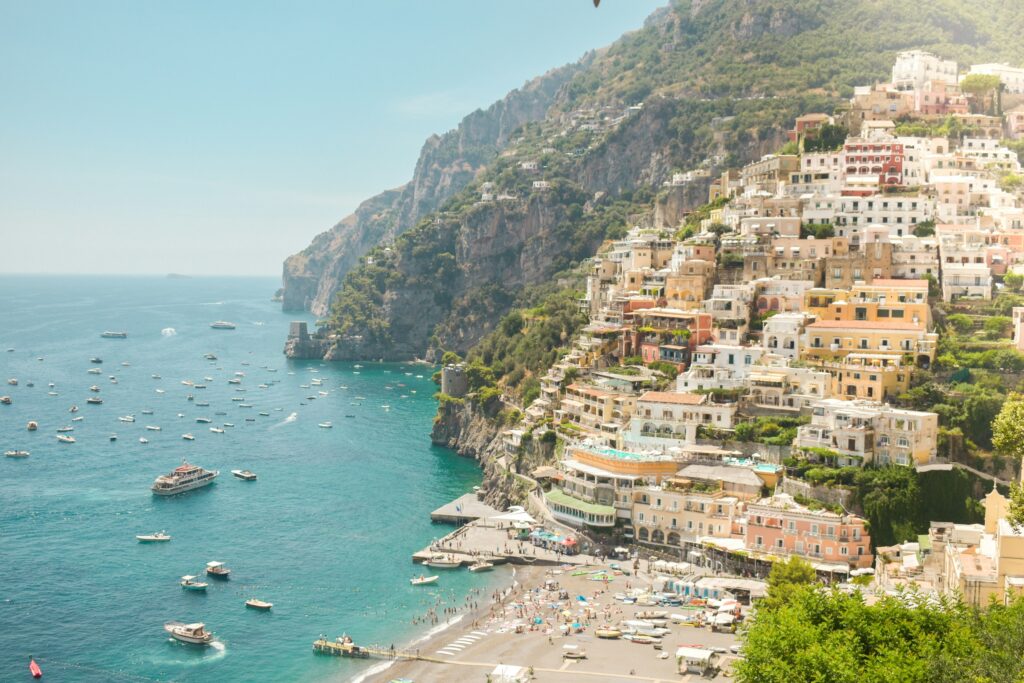
Positano doesn’t unfold slowly — it reveals itself all at once.
Approaching from the road above, the town appears as a cascade of pastel-colored houses tumbling down toward the sea. Every angle offers a different perspective, and every street seems to lead to a view that feels almost unreal.
Walking through Positano means navigating steep stairways, small boutiques, and terraces filled with flowers and sunlight. The rhythm of the place is slower than nearby cities, shaped by the sea and the surrounding cliffs.
What makes Positano unforgettable is not just its beauty, but the way it feels suspended between land and water, constantly shifting with light and perspective.
Articles Recommended:
- How to Plan Your First Trip to Europe: A Complete Guide
- How to Travel Europe by Train: A Beginner’s Complete Guide
Rothenburg ob der Tauber, Germany
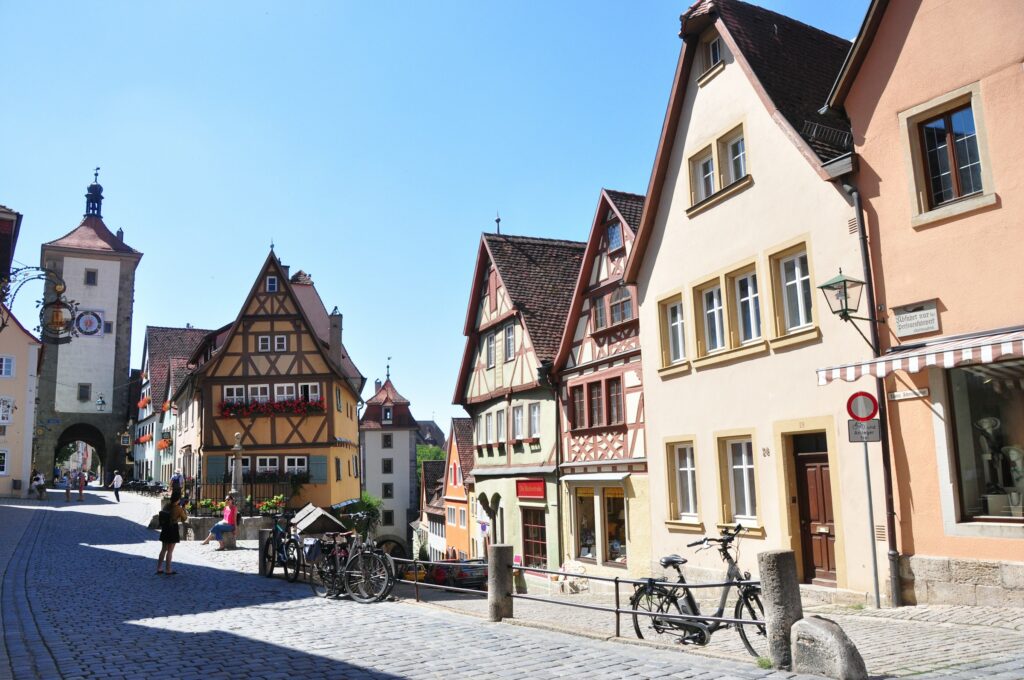
Rothenburg ob der Tauber is one of Europe’s best-preserved medieval towns, and walking through it feels like stepping back in time.
City walls surround the historic center, and inside them, narrow streets wind past timber-framed houses, towers, and small squares that seem unchanged for centuries.
Unlike larger German cities, Rothenburg has maintained a consistent architectural identity. There are no modern intrusions, no large developments — just a carefully preserved town where history is visible in every corner.
At night, when most day visitors have left, the town becomes quiet and atmospheric in a way that feels almost surreal.
Sintra, Portugal
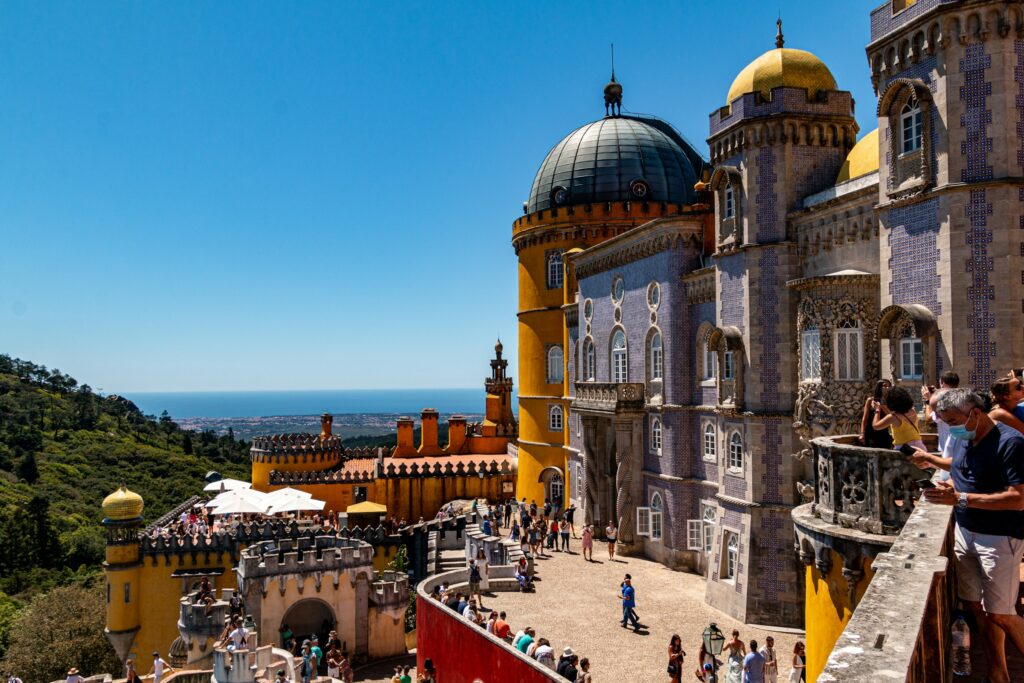
Just outside Lisbon, Sintra feels like a place shaped more by imagination than reality.
Set among forested hills, the town is known for its palaces, castles, and gardens that rise from the landscape in unexpected ways. The colorful Pena Palace stands above the trees like something from a fantasy world, while the Quinta da Regaleira hides tunnels, staircases, and symbolic architecture beneath its gardens.
What makes Sintra unique is how nature and architecture blend together. Mist often drifts through the hills, creating an atmosphere that feels mysterious and slightly dreamlike.
It’s not just a beautiful town — it’s an experience that feels almost cinematic.
Articles Recommended:
- Best Months to Visit Europe (And When to Avoid the Crowds)
- The Biggest Mistakes First-Time Visitors Make in Europe
Giethoorn, Netherlands
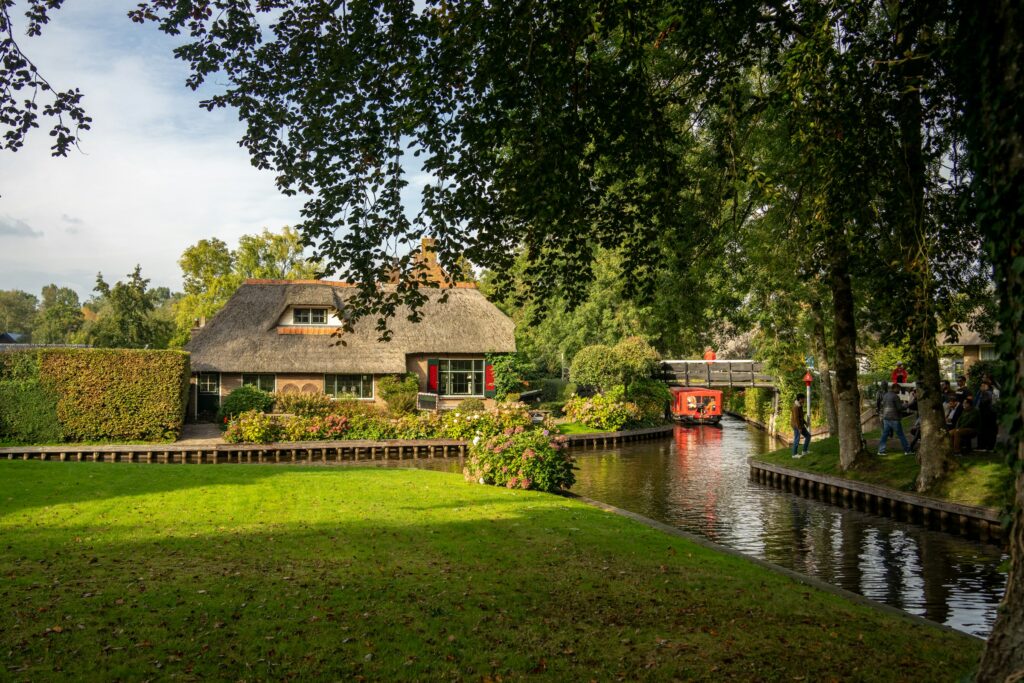
Giethoorn is often called “the village with no roads,” and visiting it feels unlike anywhere else in Europe.
Instead of streets, canals connect houses, and small wooden bridges link different parts of the village. Boats glide quietly through the water, replacing cars and creating a calm, almost meditative environment.
The houses themselves are surrounded by gardens, with thatched roofs and carefully maintained landscapes that add to the sense of tranquility.
Walking or boating through Giethoorn feels less like exploring a destination and more like drifting through a peaceful, living painting.
Oia (Santorini), Greece
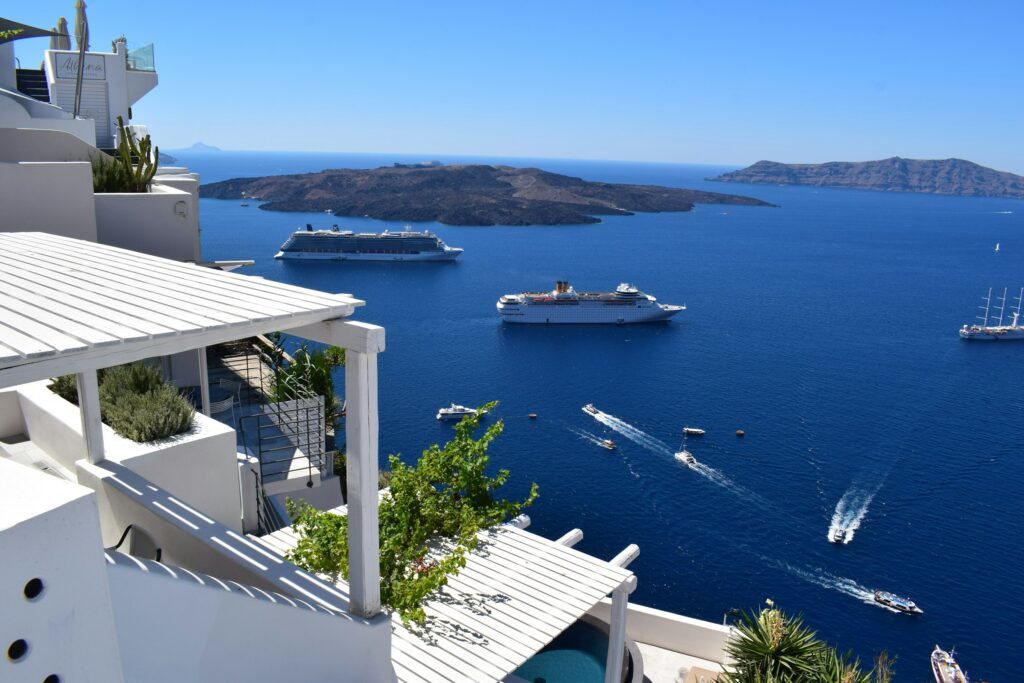
Oia is one of the most photographed places in Europe, but its beauty goes beyond images.
Perched on the edge of Santorini’s volcanic cliffs, the town looks out over the deep blue of the Aegean Sea. Whitewashed buildings, blue domes, and narrow pathways create a striking contrast against the surrounding landscape.
Sunset in Oia is often the highlight. As the light softens and the sky shifts through shades of orange and pink, the entire town seems to glow.
Despite its popularity, there are still quiet corners to discover — small alleys, hidden terraces, and moments where the noise fades and the view takes over.
Articles Recommended:
- Rome for the First Time: A Complete Travel Guide to Italy’s Eternal City
- How Many Days Do You Really Need in Europe?
Český Krumlov, Czech Republic
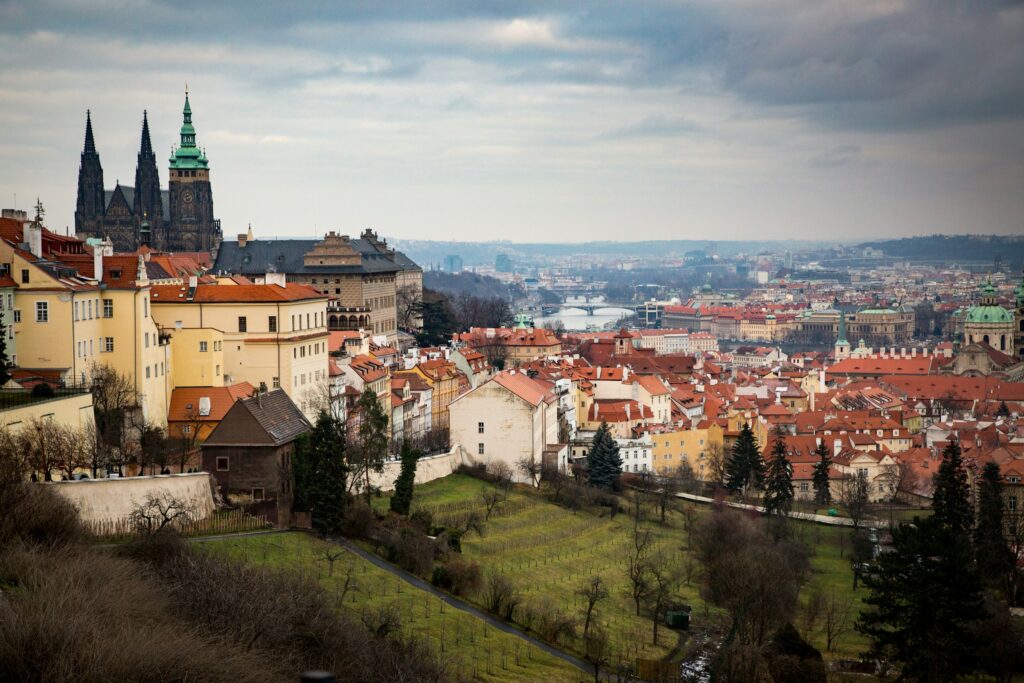
Český Krumlov feels like a miniature version of Prague — but quieter, more intimate, and in many ways even more enchanting.
The town curves around the Vltava River, with a castle complex rising above red rooftops and winding streets below. From above, the view looks almost too perfect to be real, like a carefully designed painting.
Walking through Český Krumlov is all about getting lost in its layout. Streets twist unexpectedly, small courtyards open up between buildings, and views of the river appear suddenly between narrow alleys.
What makes it especially memorable is the scale. Unlike larger cities, everything feels close, allowing you to experience the town slowly, without any sense of rush.
Annecy, France
Annecy is often called the “Venice of the Alps,” but the town has its own unique identity.
Set beside a clear alpine lake and surrounded by mountains, Annecy combines natural beauty with a charming old town filled with canals, bridges, and pastel-colored buildings.
The water flowing through the town is remarkably clean, and reflections of houses and flowers create scenes that feel almost too perfect to be real.
What stands out most is the atmosphere. Despite its beauty, Annecy feels relaxed and local, with markets, bakeries, and everyday life continuing at a steady pace.
Sitting by the canals or walking along the lakefront often becomes one of those simple travel moments that you remember long after the trip ends.
Articles Recommended:
- Tokyo for the First Time: A Complete Guide to Japan’s Most Dynamic City
- Island Hopping in Greece: A Realistic Itinerary for Sun, Beaches, and Variety
Why Small Towns Often Feel More Memorable
After visiting both large cities and small towns across Europe, I’ve noticed a clear difference in how each place is experienced.
Cities often impress with scale and variety, but small towns offer something more subtle: a sense of presence.
Without the constant movement and crowds, it becomes easier to notice details — the texture of old buildings, the sound of footsteps on cobblestones, the way locals interact in everyday settings.
Time also feels different. There’s less pressure to move quickly, which allows for a deeper connection with the place.
In many ways, small towns reveal a side of Europe that feels more personal and less curated for tourism.
Final Thoughts
Europe’s most famous cities will always be worth visiting, but some of its most beautiful experiences are found in smaller places.
Towns like Hallstatt, Colmar, Positano, Rothenburg, Sintra, Giethoorn, and Oia offer something that larger destinations often cannot: space to slow down, observe, and experience travel in a more meaningful way.
For anyone planning a trip in 2026, including even one or two small towns in your itinerary can completely change the rhythm of your journey.
Because sometimes, the places you remember most are not the ones you planned carefully — but the ones that felt like you discovered them for yourself.
Written & updated by Matteo — Travelupo
