

Wine Regions in Europe Worth Visiting for an Authentic Experience
Wine is one of the easiest ways to understand a place.
It reflects the climate, the landscape, and often the history of the region it comes from. That’s why visiting a wine region feels different from simply tasting wine at home. You’re not just trying a drink — you’re experiencing where it was created.
When I started looking into Europe’s wine regions, what stood out wasn’t just the quality of the wine, but how different each destination felt. Some are elegant and structured, others are rustic and relaxed, and a few feel almost untouched by tourism.
If you’re planning a trip around wine, these are some of the regions that offer more than just tastings — they offer a complete experience.
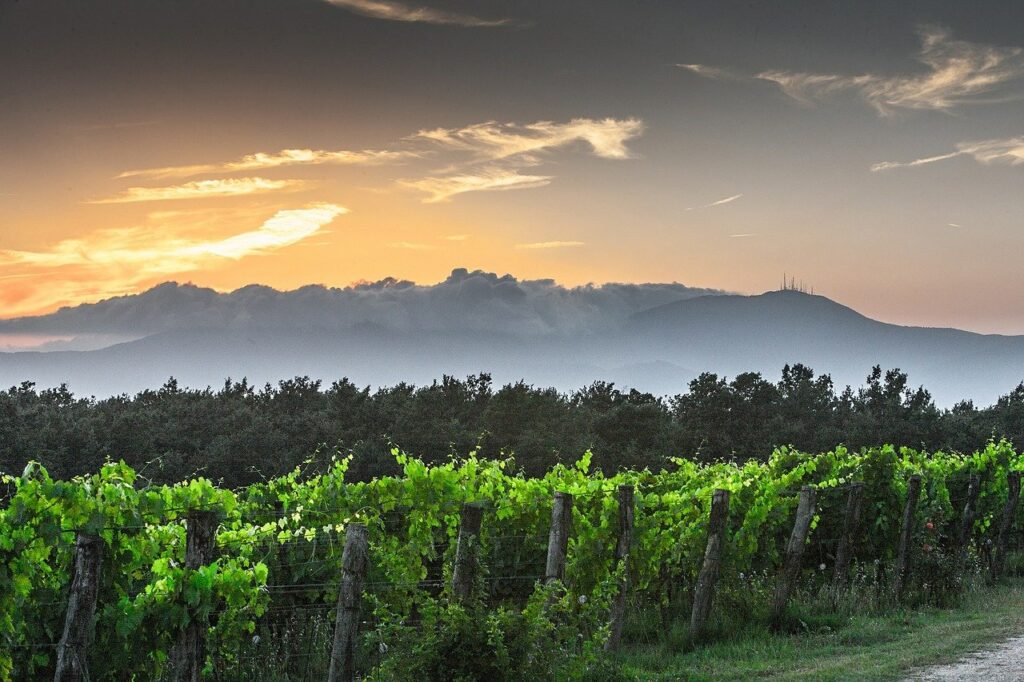
Tuscany, Italy — Landscapes That Define Wine Travel
Tuscany is often the first place people think of when it comes to wine in Europe.
And once you see it, it’s easy to understand why. Rolling hills, vineyards stretching across the landscape, and small villages that feel unchanged over time create a setting that feels almost designed for slow travel.
What makes Tuscany stand out is the balance. You’re not just visiting wineries — you’re exploring a region that combines wine, food, and culture in a very natural way.
Spending time here often means long meals, local wines like Chianti or Brunello, and views that stay with you long after the trip ends.
Articles Recommended:
- The Most Beautiful Castles in the World (And Why They’re Worth Visiting)
- The Most Beautiful Islands in the World (And How to Choose the Right One)
Bordeaux, France — Structure and Tradition
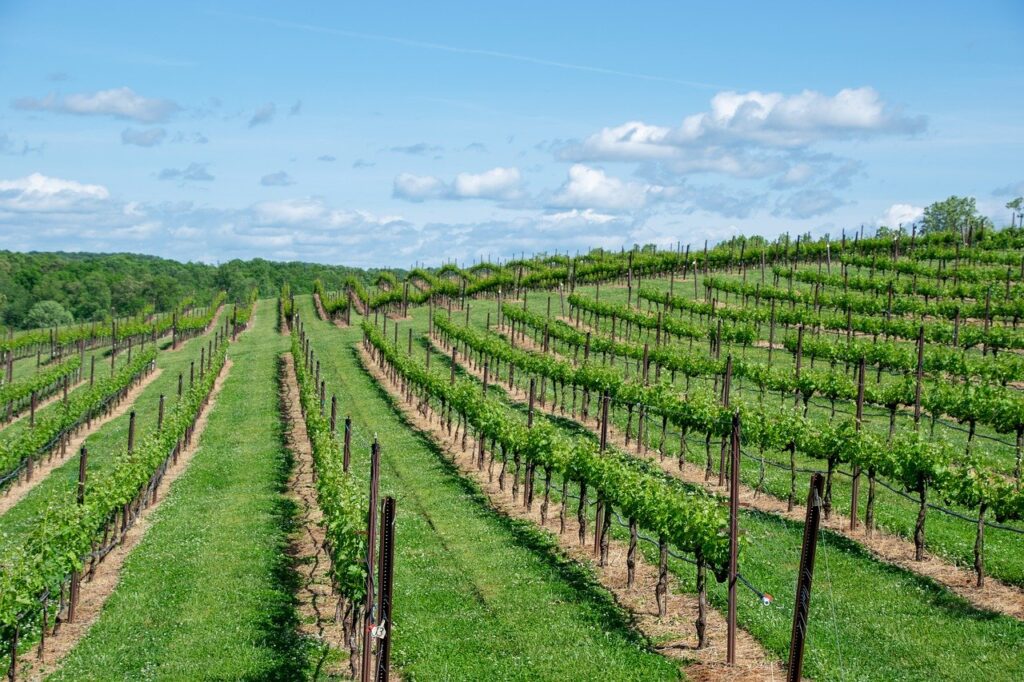
Bordeaux feels more formal compared to many other wine regions.
The vineyards are larger, the estates are more structured, and the approach to wine is deeply rooted in tradition. It’s a place where wine has been refined over centuries.
What I found interesting is how organised everything feels. Visiting Bordeaux is less about wandering and more about understanding — learning how wines are classified, how they are produced, and why certain names carry so much weight.
At the same time, nearby Saint-Émilion offers a softer contrast, with a more relaxed village atmosphere that balances the experience.
La Rioja, Spain — Simplicity and Character
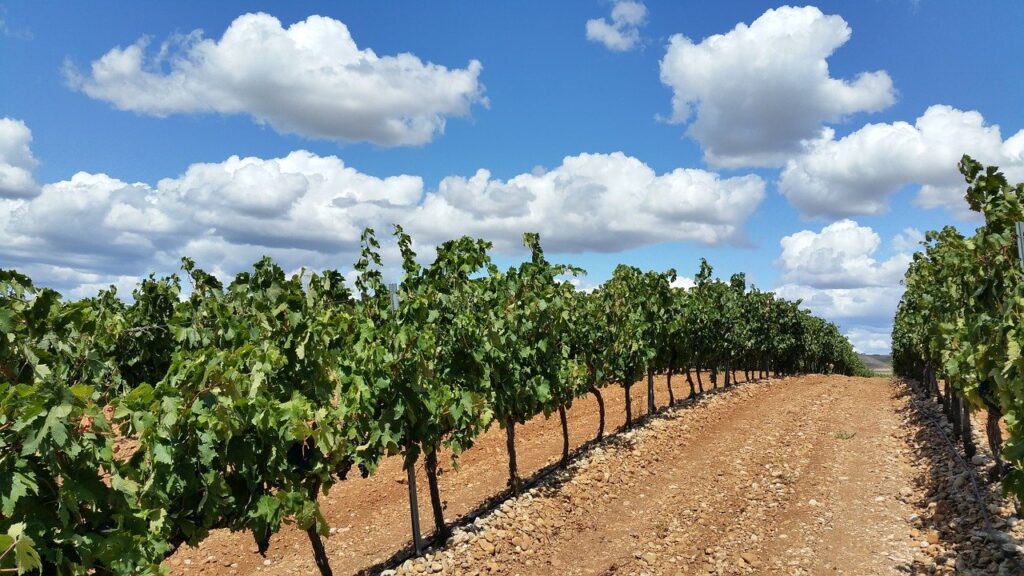
La Rioja offers a more approachable and relaxed experience.
The region is known for its red wines, particularly those made from Tempranillo grapes, but what makes it memorable is how accessible everything feels.
You can move easily between vineyards, stop in small towns, and combine wine tasting with local food without needing a strict plan.
It’s a place where the experience feels natural rather than curated.
Douro Valley, Portugal — Wine and Landscape Together
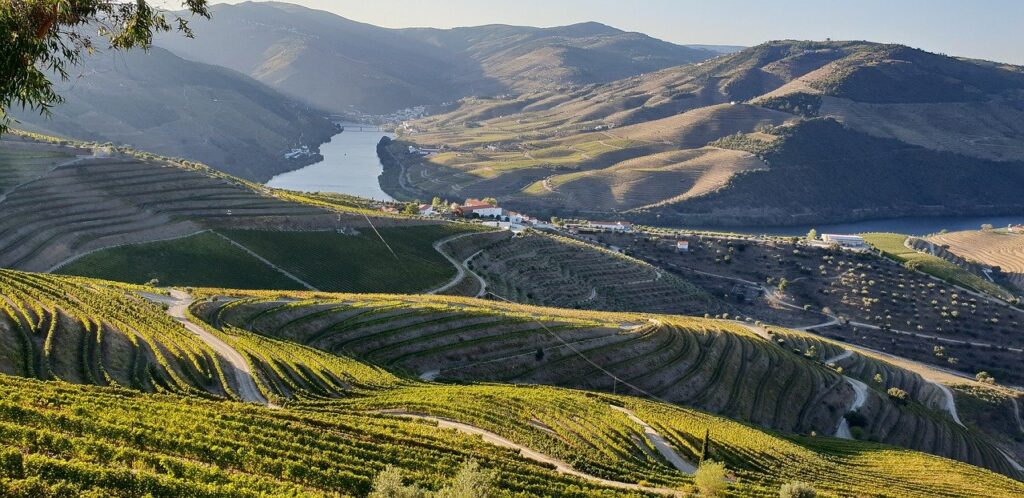
The Douro Valley is one of the most visually striking wine regions in Europe.
Vineyards are built into steep hillsides along the river, creating a landscape that feels both dramatic and peaceful at the same time.
Travelling through the region — whether by car, train, or boat — becomes part of the experience. It’s not just about the wineries, but about how they fit into the environment.
This is also where Port wine originates, which adds another layer to the visit, especially when tasting it in the place it was first produced.
Articles Recommended:
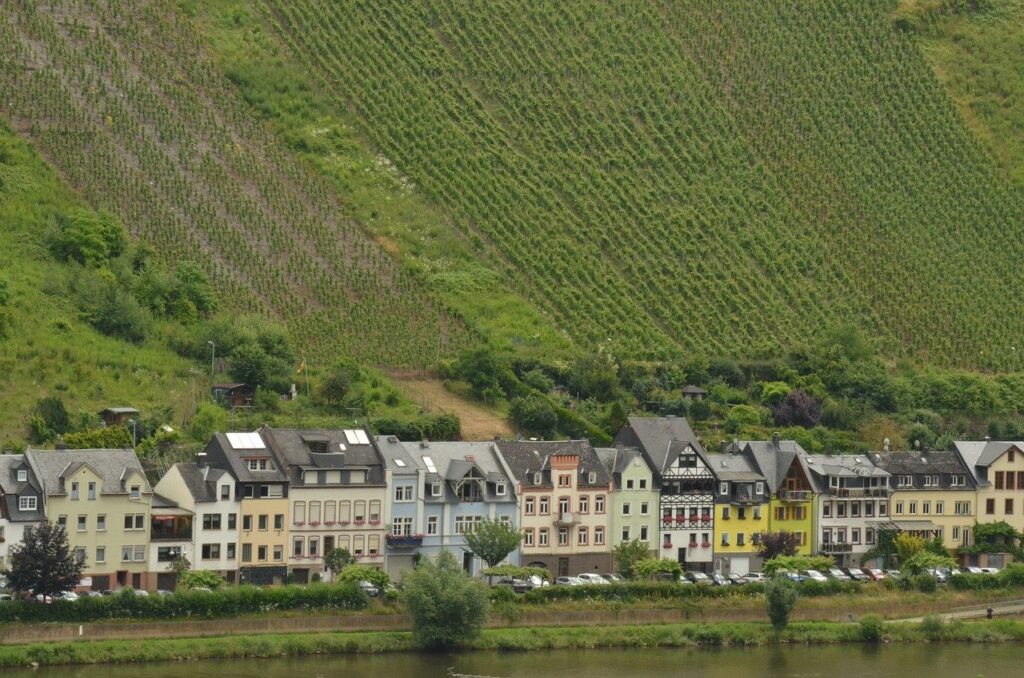
Mosel, Germany — Quiet and Underrated
Mosel is often overlooked compared to other European wine regions, but that’s part of what makes it special.
The vineyards follow the curves of the river, with steep slopes that create a very different visual experience compared to flatter regions.
The wines here, especially Riesling, are lighter and more delicate, which reflects the cooler climate.
What stood out to me is how calm the region feels. It’s less crowded, slower, and more focused on the landscape than on large-scale tourism.
Piedmont, Italy — Depth and Tradition
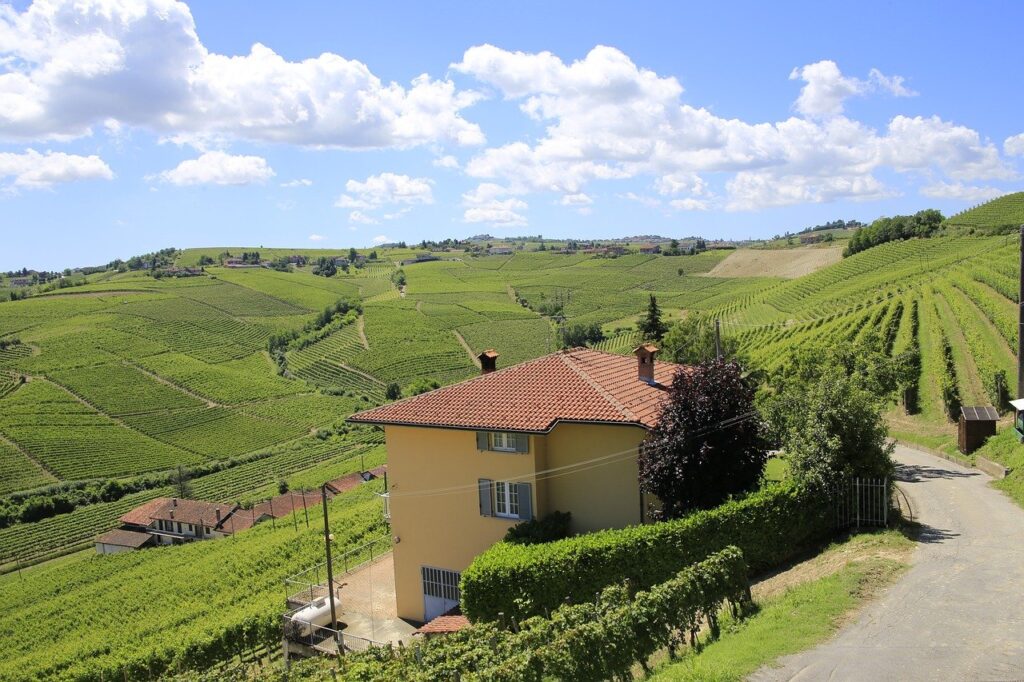
Piedmont offers a more intense wine experience.
Known for wines like Barolo and Barbaresco, the region focuses on depth, structure, and aging. It’s a place where wine is taken seriously, but without feeling inaccessible.
The setting adds to that experience. Vineyards are surrounded by hills, castles, and small villages, creating a strong sense of place.
Compared to Tuscany, Piedmont feels slightly less polished but more focused on the wine itself.
Champagne, France — Where It All Begins
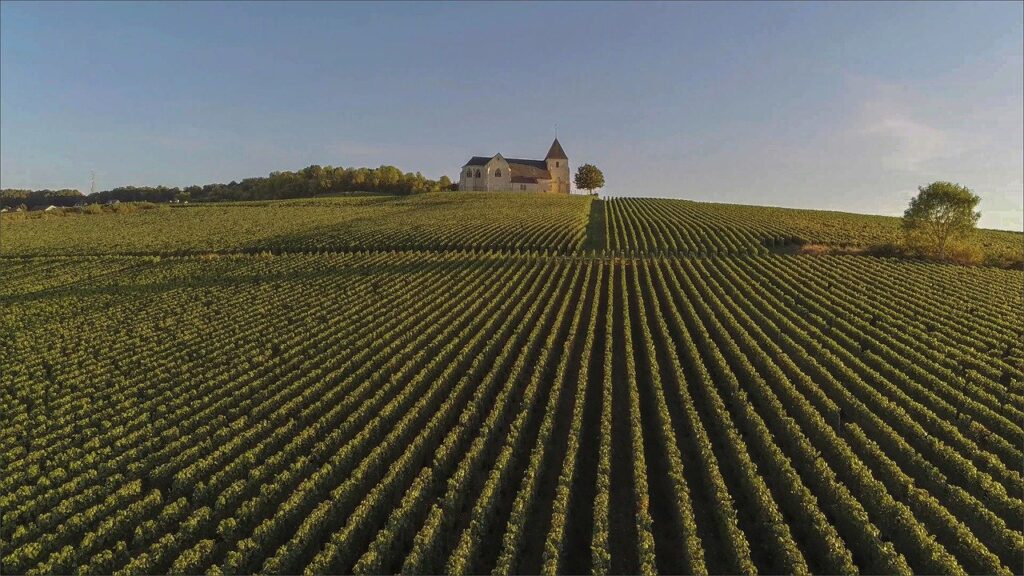
Champagne is one of the few regions where the name is instantly recognised worldwide.
But visiting it in person feels different from what you might expect. Beyond the well-known houses, there are smaller producers and quieter villages that offer a more personal experience.
What makes it interesting is seeing how something so globally known is produced in a relatively small and specific area.
Tasting Champagne at the source adds context that you don’t get elsewhere.
Articles Recommended:
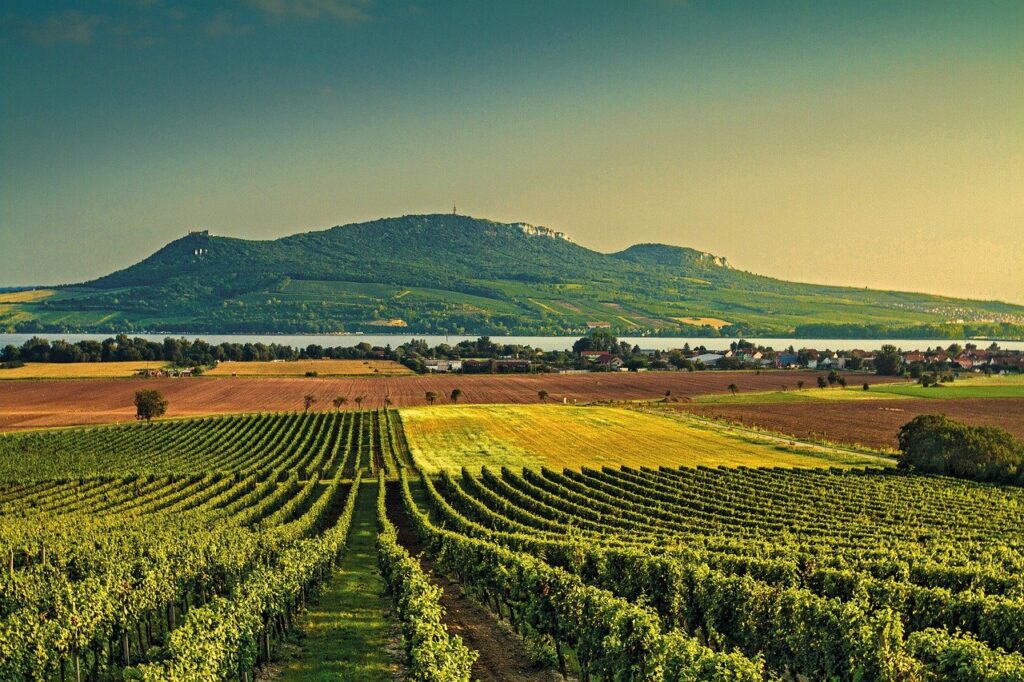
Moravia, Czech Republic — An Unexpected Discovery
Moravia is not usually the first place people think of when planning a wine trip, but it offers something different.
The region is smaller, less commercial, and more focused on local traditions. That creates a more authentic atmosphere, especially if you’re looking for something less obvious.
Wine here feels connected to everyday life rather than tourism.
It’s a good reminder that some of the most interesting experiences come from places that are not widely known.
How to Choose the Right Wine Region
After exploring these destinations, one thing becomes clear.
The best wine region depends on the kind of experience you’re looking for.
- For scenery → Tuscany or Douro Valley
- For tradition → Bordeaux or Champagne
- For a relaxed trip → La Rioja
- For something quieter → Mosel or Moravia
- For depth and complexity → Piedmont
Choosing based on experience rather than reputation usually leads to a better trip.
One thing that often makes a difference in these regions is the time of year you visit. Harvest season, usually between late summer and early autumn, brings a completely different atmosphere. Vineyards become more active, local festivals take place, and the entire region feels more alive.
At the same time, visiting outside of peak periods offers a quieter and more personal experience, where you can explore at your own pace without the crowds. Both options offer something valuable, and choosing between them depends on whether you prefer energy and events or calm and space.
Articles Recommended:
- Weekend Getaways in Europe for Under €100
- A Foodie’s Guide to Barcelona: What to Eat and Where to Start
Final Thoughts
Wine regions in Europe offer more than just tastings.
They bring together landscape, culture, and local traditions in a way that feels complete. Each destination has its own rhythm, and that’s what makes exploring them so rewarding.
In many cases, the experience of being there — walking through vineyards, sitting down for a long meal, or simply enjoying the surroundings — becomes just as important as the wine itself.
And that’s what makes these regions worth visiting.
Written & updated by Matteo — Travelupo
