
Why Shoulder Season Travel in Europe Is Smarter Than Summer
For years, I believed summer was the only serious way to experience Europe.
Long evenings. Full café terraces. Music spilling into streets. That unmistakable energy of cities at their loudest. It seemed obvious: if you want Europe at its best, you go in July or August.
But after traveling across the continent in every season — from peak heat in Rome to quiet Septembers in Lisbon — I’ve come to a different conclusion.
Europe doesn’t peak in summer.
It breathes better just before it.
What most travelers call “shoulder season” — late April through early June, and again in September into early October — isn’t a compromise. It’s not a backup plan for people who couldn’t travel in summer.
It’s often the smarter choice.
And once you experience Europe during this window, it becomes difficult to return to peak-season travel without noticing what you’ve lost.
The Illusion of “Peak Season = Best Season”
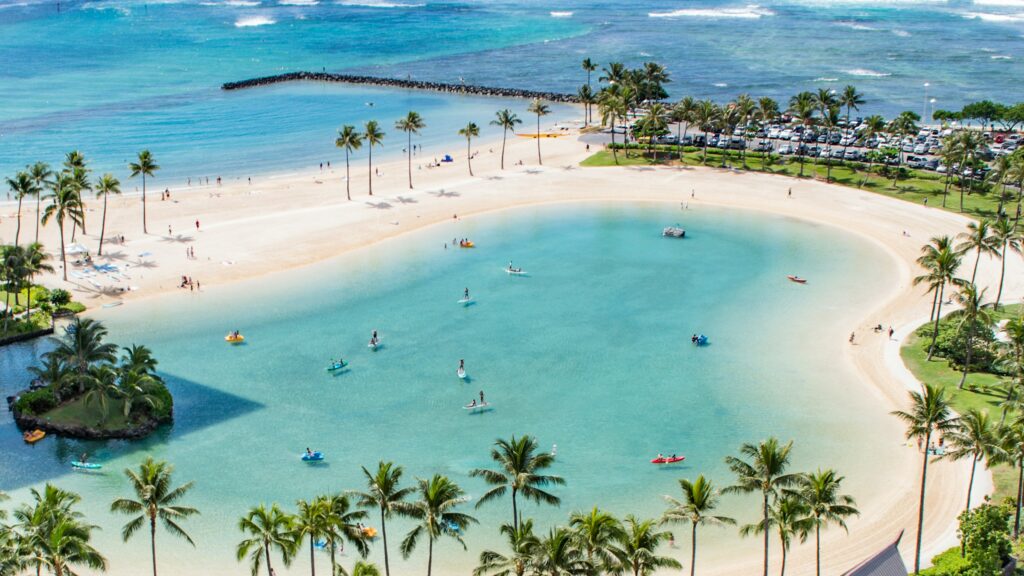
Summer is marketed as the ideal time for Europe. School holidays align, festivals fill calendars, and social media reinforces the narrative. Blue skies over Santorini, sunset aperitivos in Florence, beach clubs in the Algarve — it all looks irresistible.
But what isn’t shown is the friction.
The queues that stretch longer than expected.
The hotel prices that quietly double.
The exhaustion that comes from navigating cities operating beyond capacity.
I once visited Barcelona in mid-August and remember thinking how beautiful it was — and how strangely disconnected it felt. Restaurants were efficient but rushed. Attractions felt transactional. Even the beaches carried a slight tension, as if everyone were competing for the same square meter of sand.
When I returned the following May, the city felt different. Not quieter in a lifeless way — but balanced. The same sun, the same architecture, the same Mediterranean breeze — but without the strain.
The difference wasn’t visual. It was emotional.
Weather: The Most Misunderstood Factor
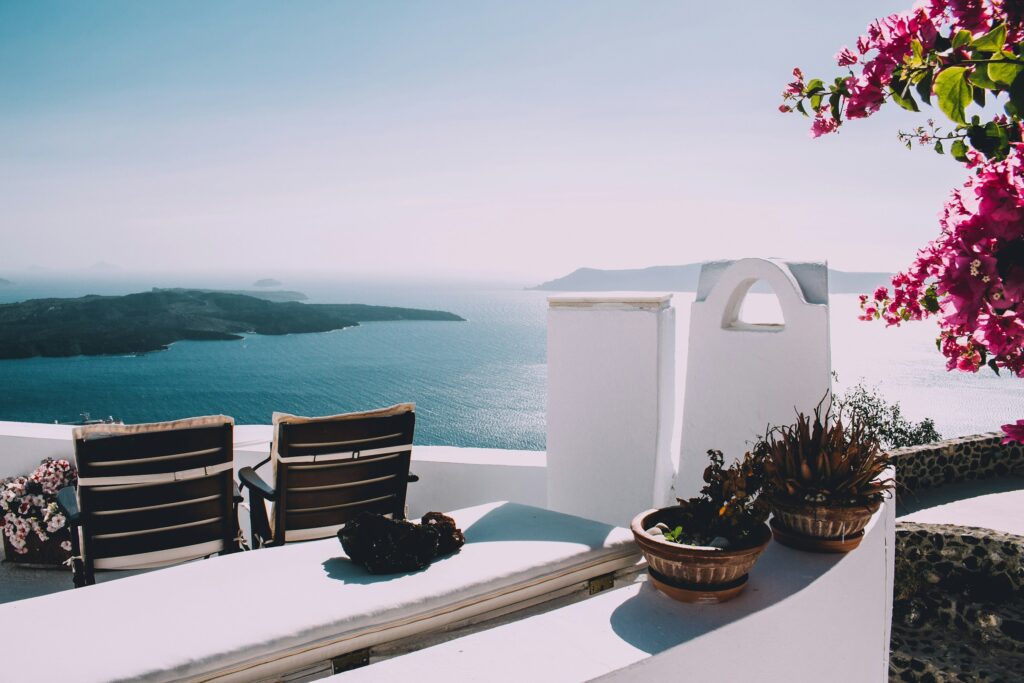
One of the biggest misconceptions about shoulder season is that it means unpredictable weather. In reality, much of southern Europe begins to warm meaningfully by late April.
Athens in May regularly reaches the mid-20s Celsius. Seville often approaches early summer heat without tipping into discomfort. Lisbon offers bright, dry days ideal for walking its hills without the intensity of August sun.
The Mediterranean Sea warms more slowly, but by September it retains heat from the summer months, often making early autumn beach days more comfortable than mid-summer scorchers.
What I’ve learned is that extreme heat rarely improves a travel experience. Cities are designed for walking. Exploration requires movement. When temperatures exceed comfort, you begin organizing your day around avoidance — shade, air conditioning, short routes.
Shoulder season gives you warmth without punishment.
Articles Recommended:
- European Destinations That Are Perfect for a First-Time Solo Trip
- Best European Cities to Visit in May (Warm Weather, Fewer Crowds & Better Prices)
The Crowd Equation
Crowds do more than slow you down. They change the atmosphere of a place.
Cities like Rome, Paris, Dubrovnik, and Amsterdam are extraordinary — but in peak summer they operate under constant pressure. Restaurants reduce menus for efficiency. Service accelerates. Museums become strategic operations.
During shoulder season, something shifts.
You notice more local presence. You can linger longer. Conversations feel less hurried. Even photographs capture more than just movement.
In Prague one late September, I walked across Charles Bridge at sunset and realized I wasn’t weaving through a wall of bodies. The city felt alive, but breathable. It’s a subtle difference, yet it changes the texture of memory.
Travel becomes less about endurance and more about absorption.

The Economics of Timing
From a structural standpoint, pricing behavior in Europe is remarkably predictable.
July and August represent compressed demand. Families travel simultaneously. Events cluster. Airlines and hotels respond accordingly.
The months flanking summer operate differently. Infrastructure remains fully open, but occupancy drops just enough to soften pricing.
Hotel rates can fall dramatically compared to peak weeks. Availability improves, which means better room categories and less last-minute compromise. Flights often stabilize, especially outside major holiday weekends.
It’s not about chasing the cheapest deal. It’s about proportional value. You’re paying for experience quality rather than scarcity.
And that difference accumulates over a week-long trip.
Articles Recommended:
- European Destinations That Feel Expensive but Aren’t
- Coastal Towns Around the World That Are Better in Spring Than Summer
How Cities Feel Different
There’s also a behavioral shift among locals.
In summer-heavy destinations, residents often adjust routines around tourism. Some leave temporarily. Others operate businesses in high-efficiency mode.
In shoulder season, the rhythm feels more natural. Markets are stocked for locals as much as visitors. Cafés fill with residents finishing workdays rather than purely travelers. Cultural life resumes its own pace.
I noticed this distinctly in Porto one May. The riverside was lively, but not saturated. Conversations flowed easily. Restaurant owners had time to recommend dishes rather than simply rotate tables.
You feel less like a consumer and more like a participant.
Light, Space, and Psychological Ease
Travel is not just logistical; it’s psychological.
Peak season carries expectation pressure. Higher prices create subconscious demands for perfection. Crowds amplify comparison — the fear of missing out, the rush to maximize.
Shoulder season lowers that pressure.
There’s more physical space, which translates into mental space. You allow yourself to wander without urgency. A missed reservation doesn’t feel catastrophic. A spontaneous detour becomes enjoyable rather than disruptive.
In Florence one late April, I spent hours simply sitting in Piazza Santo Spirito watching afternoon light shift across buildings. It wasn’t on an itinerary. It didn’t require booking. It just happened.
That kind of ease rarely survives peak season intensity.
Articles Recommended:
- Most Underrated European Beach Towns to Visit in Spring 2026
- Affordable Spring Getaways in Europe for Under €500 (2026 Guide)
Not a Universal Solution
Shoulder season is not ideal for every type of travel.
If your goal is Ibiza at its most electric, or Alpine hiking at full elevation access, or festival-heavy nightlife in Mediterranean resort towns, peak summer may still be the right choice.
Some destinations are structurally seasonal.
But for cultural city travel, historical exploration, food-focused itineraries, and balanced coastal escapes, shoulder season repeatedly offers the superior equation.
Why I Rarely Choose July Anymore
Over time, my priorities shifted.
I value fluidity over spectacle.
Atmosphere over hype.
Comfort over intensity.
Europe in shoulder season aligns with that.
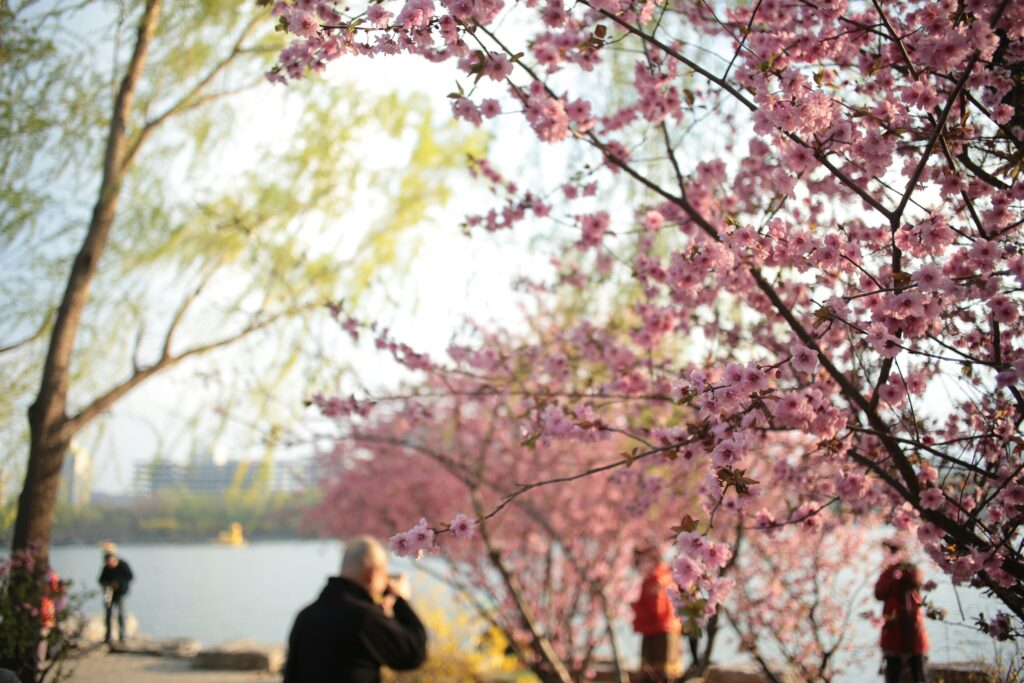
The cities feel less staged. The experiences feel more grounded. The financial pressure softens. Even the photographs seem calmer — less about volume, more about light.
Summer still has its moments. But if the goal is depth rather than density, I’ll take late May or late September nearly every time.
Articles Recommended:
- Affordable Exotic Destinations for Winter 2025–2026 (Long-Haul Sun Worth the Flight)
- Affordable Warm Destinations for Winter 2025–2026 (Without Long-Haul Flights)
The Smarter Way to Experience Europe
Travel isn’t only about where you go. It’s about when you go.
Shoulder season doesn’t promise emptiness. It doesn’t eliminate tourism. What it offers is proportion — enough energy to feel vibrant, enough calm to feel personal.
And in a continent as layered as Europe, proportion matters.
For travelers willing to shift their calendar slightly — not dramatically — the reward isn’t just savings or smaller queues. It’s a version of Europe that feels more like itself.
And once you experience that version, it’s difficult to see summer as the default again.
Written & updated by Matteo — Travelupo
