

Places to Visit in Japan for First-Time Travelers
Japan is one of those destinations that feels completely different from anywhere else.
It’s not just about the landmarks or the cities — it’s the contrast. You move from ultra-modern skylines to quiet temples, from busy streets to peaceful gardens, often within the same day.
When I first looked into planning a trip to Japan, the hardest part wasn’t finding places to visit — it was deciding where to start. There’s simply too much to see.
Instead of trying to cover everything, it makes more sense to focus on places that give you a well-rounded introduction to the country.
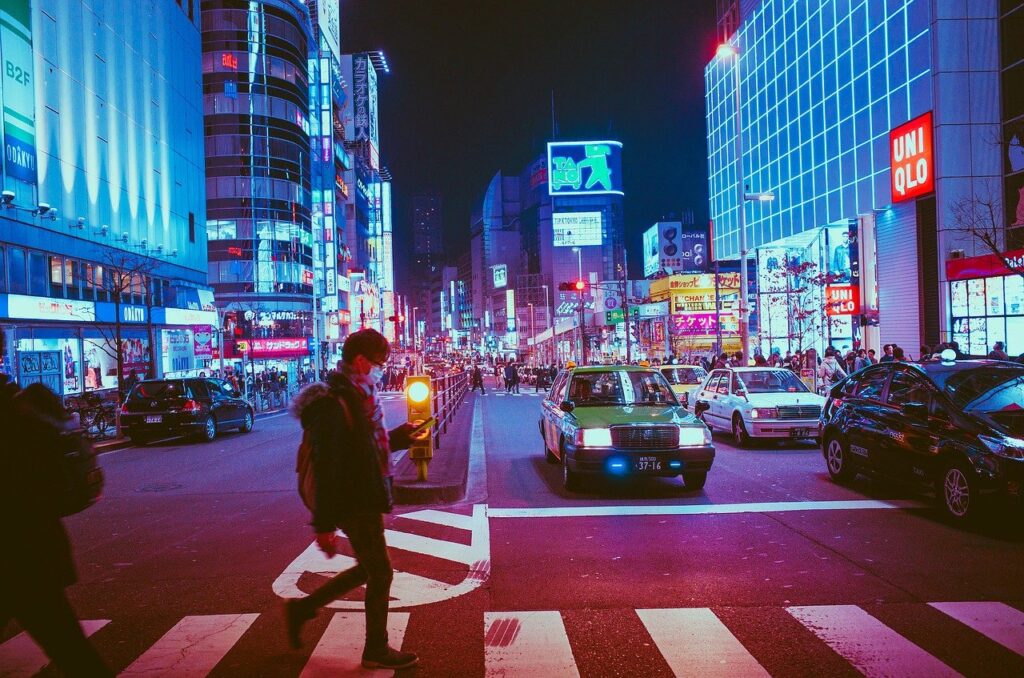
Tokyo — The Energy of Modern Japan
Tokyo is usually the starting point, and for good reason.
It’s a city that never really slows down. From the moment you arrive, everything feels fast, bright, and full of movement. Areas like Shibuya and Shinjuku give you that first impression of what people imagine Japan to be — crowded crossings, tall buildings, and endless activity.
But what surprised me is how much contrast exists within the city. Just a short walk can take you from a busy street into a quiet park or a traditional shrine.
Tokyo is not just about sightseeing — it’s about experiencing a different rhythm of life.

Articles Recommended:
- The Most Underrated Cities in Europe to Visit in 2026
- The Most Beautiful Small Towns in Europe That Feel Like a Fairytale
Osaka — Food and Social Energy
Osaka feels more relaxed and outgoing compared to Tokyo.
It’s often described as the food capital of Japan, and that reputation becomes clear very quickly. Street food, casual restaurants, and local dishes are part of everyday life here.
What stood out to me is the atmosphere. The city feels more open, more social, and less structured than Tokyo. Even walking around at night feels different — more informal and energetic.
It’s a good place to balance sightseeing with simply enjoying the moment.
Naoshima — Art and Simplicity
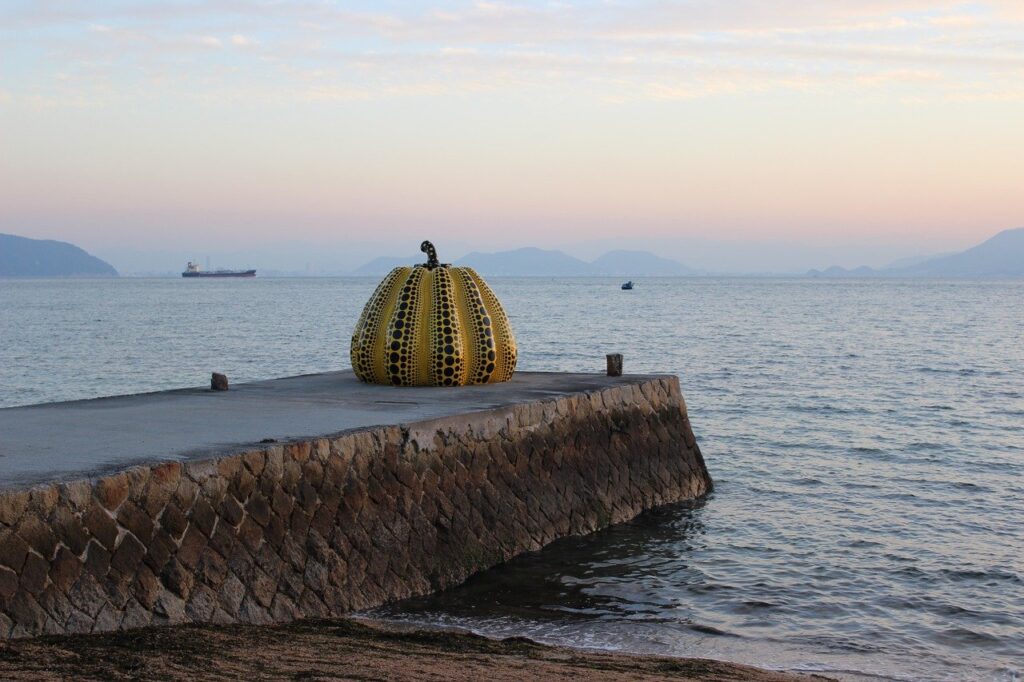
Naoshima is one of the most unique places you can visit in Japan.
The island is known for its art installations, museums, and architecture, all integrated into the natural landscape.
Getting there takes more effort compared to other destinations, but that’s part of what keeps it quieter and more focused.
Cycling around the island, moving between galleries and open spaces, creates a completely different experience from the major cities.
Yokohama — Close to Tokyo, But Different
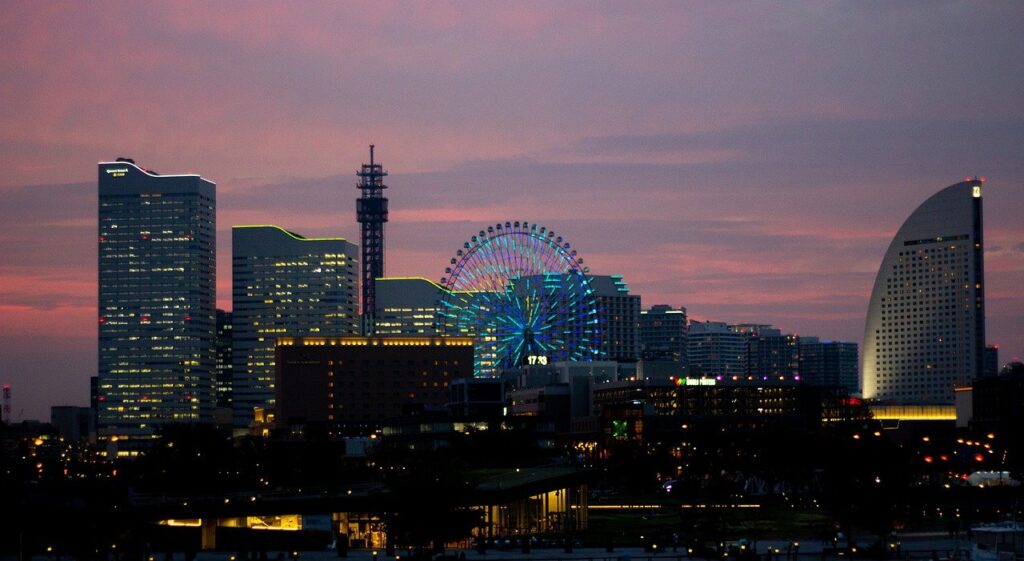
Yokohama is located very close to Tokyo, but it feels noticeably calmer.
It’s a waterfront city, with open spaces, modern architecture, and a more relaxed pace. The Chinatown area is one of the largest in Japan and offers a completely different side of the country.
It’s an easy addition to a Tokyo-based trip and works well if you want a break from the intensity of the capital.
Articles Recommended:
- Tokyo for the First Time: A Complete Guide to Japan’s Most Dynamic City
- Rome for the First Time: A Complete Travel Guide to Italy’s Eternal City
Mount Fuji — Japan’s Most Recognisable Landscape
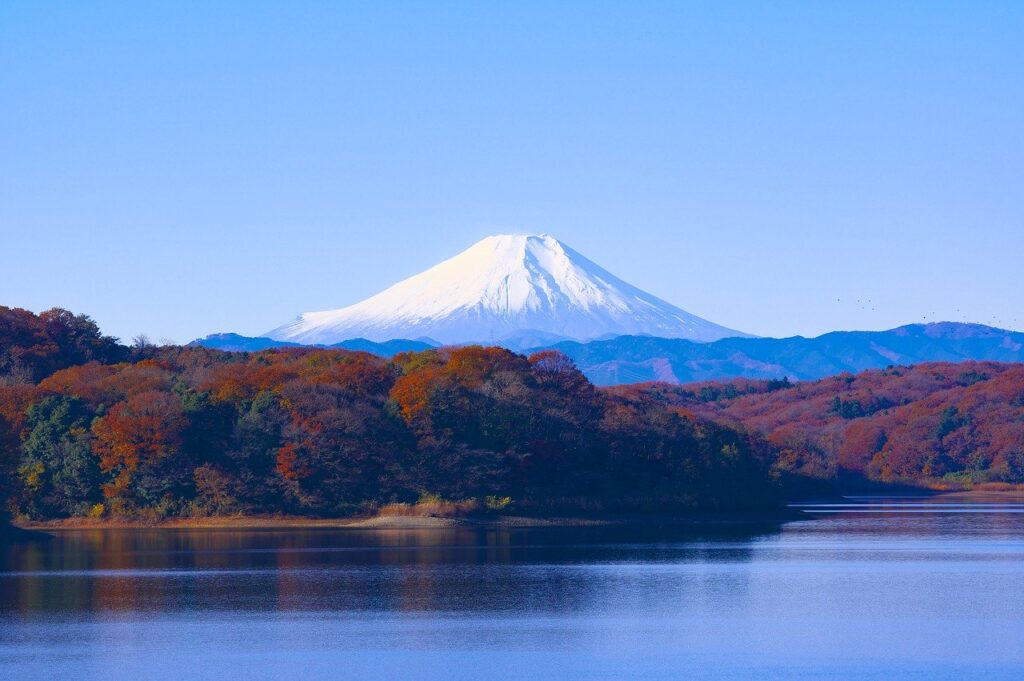
Mount Fuji is one of the most iconic sights in the country.
You don’t necessarily need to climb it to appreciate it. In fact, some of the best experiences come from seeing it from a distance — especially from areas like Hakone or the Fuji Five Lakes.
The mountain itself feels almost symbolic. It’s not just a natural landmark, but something that represents Japan as a whole.
Weather plays a big role here. On clear days, the view is unforgettable. On cloudy days, it can disappear completely.
Kanazawa — A Less Crowded Alternative
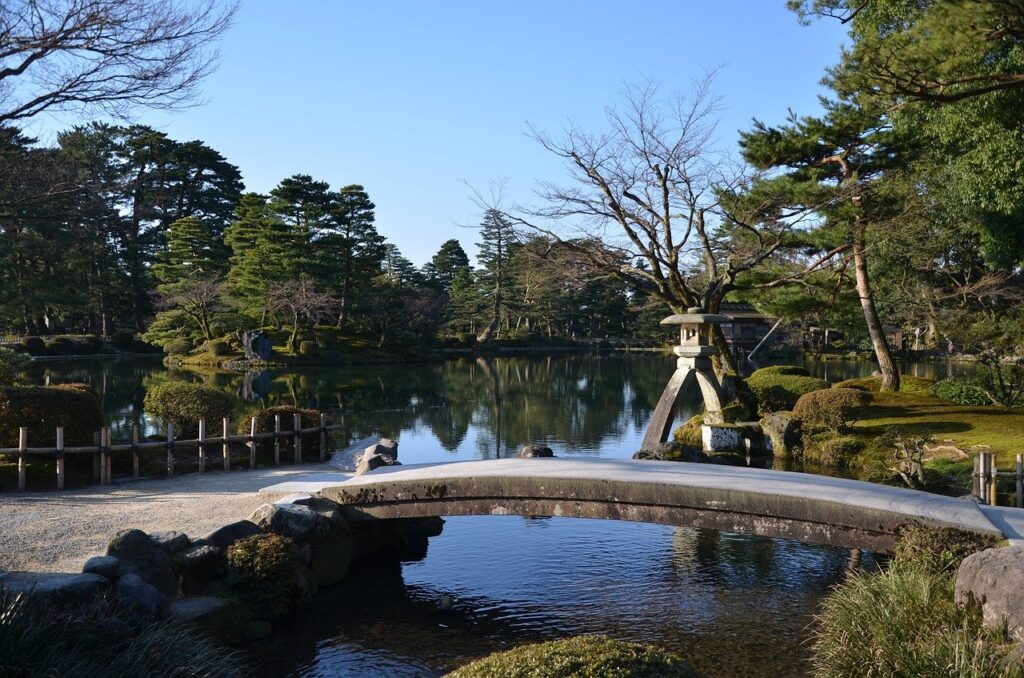
Kanazawa offers many of the cultural elements people look for in Kyoto, but with fewer crowds.
What makes it stand out is how preserved and accessible everything feels. The city has traditional districts, markets, and one of the most famous gardens in Japan — Kenrokuen.
It’s also known for food, particularly seafood, which adds another dimension to the experience.
If you’re looking for a place that feels authentic without being overwhelming, Kanazawa is a strong option.
Kyoto — Tradition and Atmosphere
If Tokyo represents modern Japan, Kyoto shows you its past.
The city is known for its temples, shrines, and traditional streets, but what makes it special is the atmosphere. Walking through areas like Gion or along the Philosopher’s Path feels completely different from being in a large city.
Kyoto can get crowded, especially around major landmarks, but timing makes a difference. Early mornings or late afternoons tend to feel more peaceful.
It’s one of the places where slowing down actually improves the experience.

Articles Recommended:
- The Most Beautiful Hotels in the World
- The Most Beautiful Islands in the World (And How to Choose the Right One)
Nara — A Short Trip That Feels Completely Different
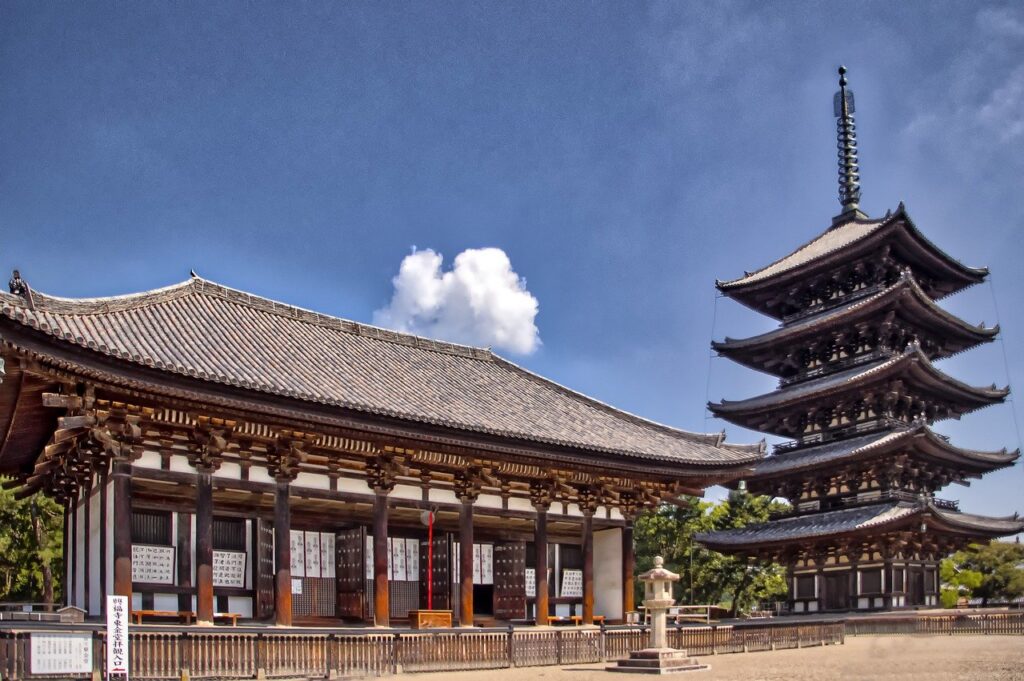
Nara is often visited as a day trip from Kyoto, but it offers something unique.
The city is quieter, more traditional, and centred around its historical sites. Nara Park is the most well-known area, where deer move freely among visitors, which gives the place a slightly surreal feeling.
Beyond that, the temples and shrines add depth to the visit, especially Todai-ji, which houses one of the largest Buddha statues in Japan.
It’s a simple destination, but one that leaves a strong impression.
Hiroshima — History and Reflection
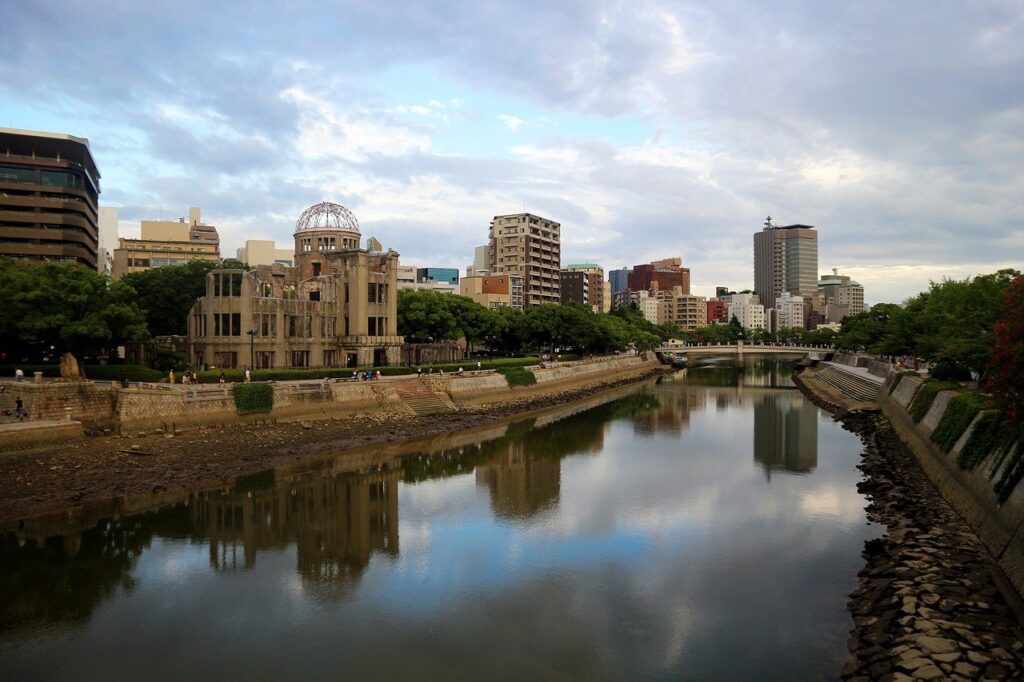
Hiroshima is one of the most important cities to visit if you want to understand Japan’s modern history.
The Peace Memorial Park and Museum are central to the experience. It’s not an easy visit, but it’s a meaningful one.
At the same time, the city itself feels lively and rebuilt. It’s not defined only by its past.
Nearby, Miyajima Island offers a completely different atmosphere, especially with its famous floating torii gate.
Kobe — A Balanced Stop Between Cities
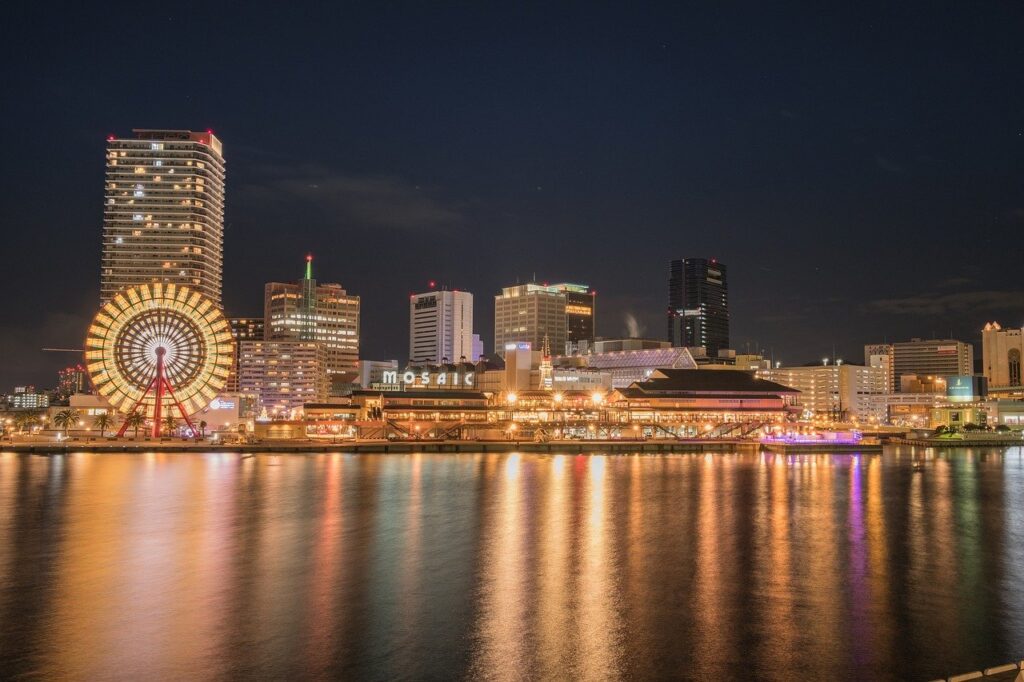
Kobe is often overlooked, but it works well as a stop between Osaka and Hiroshima.
The city sits between the mountains and the sea, which creates a different kind of setting compared to other urban areas in Japan.
It’s also known for its food, particularly Kobe beef, which adds a specific reason to visit.
Kobe doesn’t require much time, but it adds variety to a broader itinerary.
Articles Recommended:
- The Most Beautiful Castles in the World (And Why They’re Worth Visiting)
- Are There Sharks in Greece? What You Should Actually Know Before Swimming
How to Choose Where to Go in Japan
The key to planning a trip to Japan is not trying to see everything.
Instead, focus on balance:
- Tokyo → modern experience
- Kyoto → traditional culture
- Osaka → food and nightlife
- One or two additional stops → variety
Adding too many destinations can make the trip feel rushed. Choosing fewer places and spending more time in each often leads to a better experience.
Final Thoughts
Japan is not a destination you fully understand in one trip.
Each place offers something different, and the contrast between them is what makes the country so memorable.
For a first visit, it’s not about covering as many locations as possible. It’s about choosing a mix that gives you a real sense of what Japan is like.
And once you’ve done that, it’s almost certain you’ll want to return.
Written & updated by Matteo — Travelupo
