Discover the world. Create memories that last a lifetime.

Travel guides, hidden gems, and smart itineraries to help you explore better.
Is Overtourism Changing Europe Forever?

Is Overtourism Changing Europe Forever?
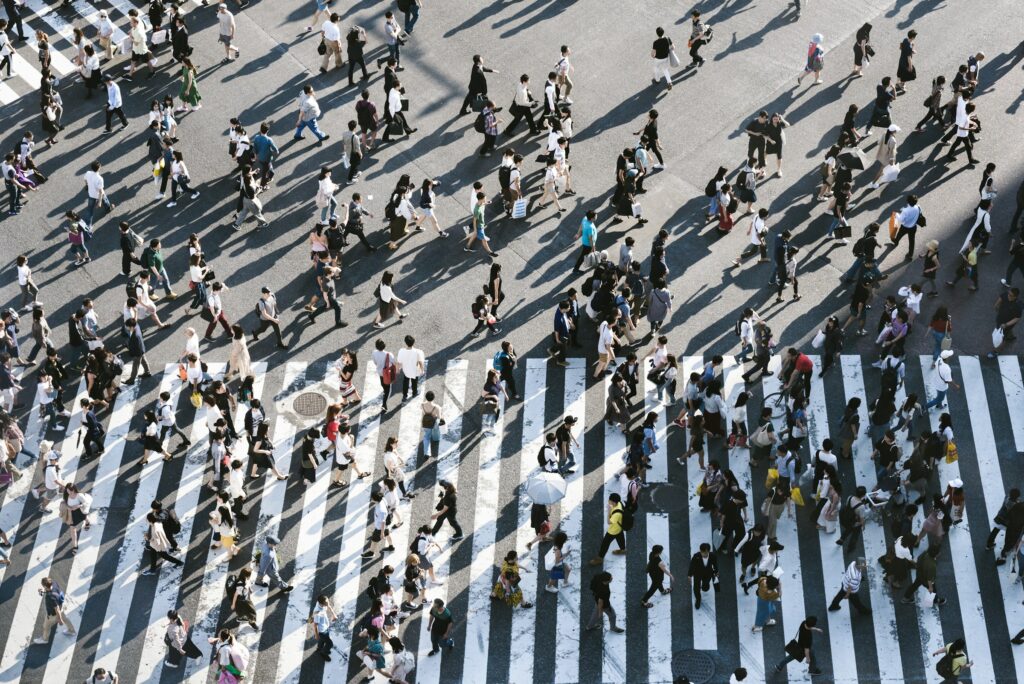
The first time I truly felt the weight of overtourism wasn’t in an airport or on a crowded beach. It was standing in a narrow street in Barcelona’s Gothic Quarter, pressed gently but persistently forward by a stream of visitors moving in one direction. No one was rushing. No one was shouting. And yet the space felt full — saturated. The city wasn’t chaotic. It was simply overwhelmed.
In that moment, I began to wonder whether something fundamental had shifted in how we experience Europe. Not just in how we travel, but in how cities themselves function under the constant pressure of global mobility.
Overtourism is a word that appears frequently in headlines. It often feels dramatic, even accusatory. But on the ground, it rarely looks dramatic. It looks like long lines outside bakeries at 9 a.m. It looks like rental suitcases rolling across cobblestones before sunrise. It looks like cafés replacing local menus with laminated photo boards. It looks subtle — until it isn’t.
Europe has always welcomed travelers. Pilgrims, merchants, artists, and students have crossed its borders for centuries. Tourism itself is not new. What is new is scale. Low-cost airlines, social media visibility, remote work flexibility, and a global middle class with unprecedented mobility have reshaped the landscape in ways few cities were designed to absorb.
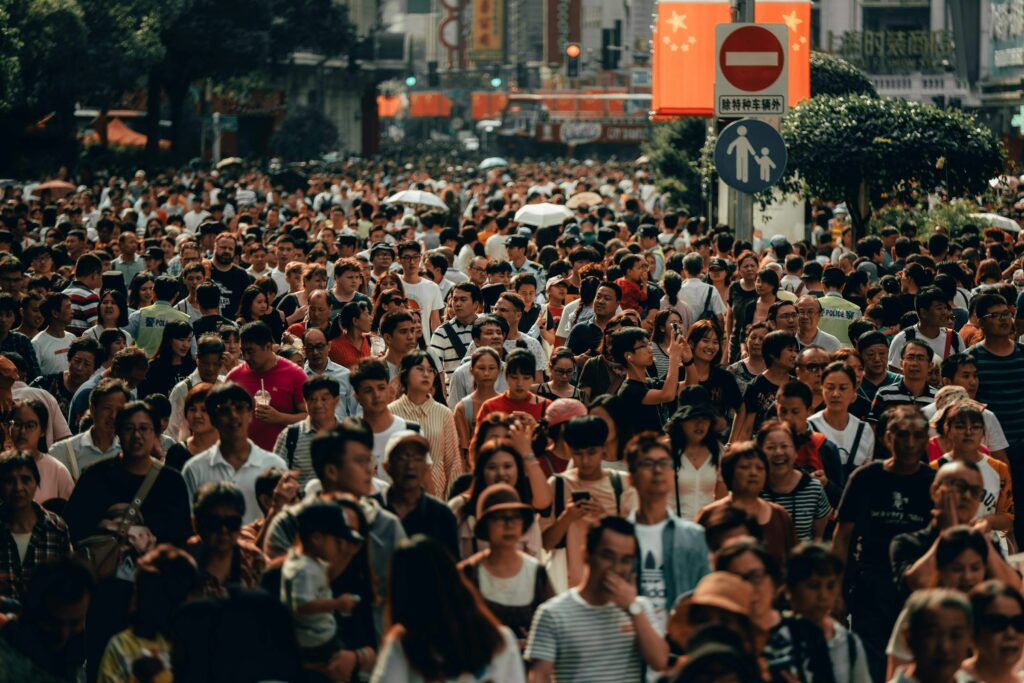
Walking through Venice at midday in summer, the city feels less like a living place and more like a corridor. The architecture remains breathtaking. The canals shimmer exactly as they always have. But daily life moves elsewhere. Residential windows are shuttered. Grocery stores become souvenir shops. The rhythm of a neighborhood changes when most of its temporary inhabitants are visitors.
This shift is not limited to Venice. Lisbon’s Alfama district, once known for quiet fado evenings and local taverns, has seen housing prices rise sharply as short-term rentals multiply. In Amsterdam, local authorities have actively tried to discourage certain types of tourism, not because visitors are unwelcome, but because volume has begun to strain infrastructure and social balance. Even in smaller cities, the pattern repeats: a few viral images lead to sudden surges, and neighborhoods that once felt hidden become stages.
Articles Recommended:
- Why Shoulder Season Travel in Europe Is Smarter Than Summer
- A Practical, Honest Guide to Visiting Barcelona for the First Time
The paradox is that much of this travel is fueled by admiration. People visit because they care. They want to experience history, architecture, culture, cuisine. They want to stand beneath cathedral domes or sit in sunlit plazas. Yet admiration, when multiplied by millions, can alter the very environments that inspired it.
What fascinates me most is not just the presence of crowds, but the psychological change in how destinations are approached. Increasingly, travel is planned around visibility. Certain streets become “must-see” because they are recognizable online. Certain cafés gain lines because they appear in curated feeds. The result is concentration. Ten blocks overflow while the rest of the city remains calm and underexplored.
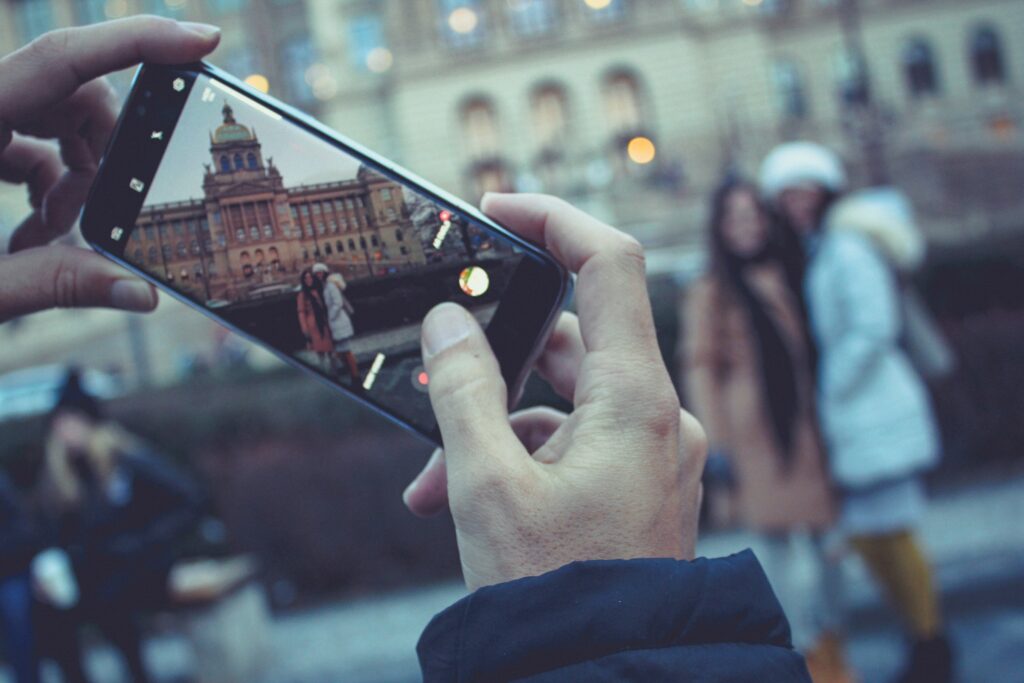
This concentration creates the illusion that an entire city is overwhelmed, when in reality the pressure is uneven. Step a few streets away in Rome, and silence returns. Walk beyond the waterfront in Dubrovnik, and ordinary life continues almost untouched. Overtourism often gathers in highly photogenic pockets rather than blanketing an entire region.
Still, its long-term effects deserve serious consideration. When housing shifts toward short-term rentals, residents may relocate. When local shops convert to souvenir stalls, daily needs become harder to meet. When public transport fills primarily with visitors, commuting changes. None of these transformations happen overnight. They accumulate slowly, altering the social texture of a place.
Articles Recommended:
- Best European Cities to Visit in May (Warm Weather, Fewer Crowds & Better Prices)
- European Destinations That Are Perfect for a First-Time Solo Trip
At the same time, tourism sustains countless livelihoods. In many southern European regions, hospitality is not a luxury industry — it is an economic foundation. Restaurants, taxi drivers, museum staff, tour guides, and hotel employees depend on steady visitor flow. Reducing tourism indiscriminately is neither realistic nor desirable. The question is not whether people should travel, but how travel can remain sustainable without hollowing out the very communities that make Europe compelling.
Some cities have begun experimenting with responses. Venice introduced entry fees during peak days. Barcelona has restricted new hotel licenses in certain districts. Dubrovnik caps cruise ship arrivals. Amsterdam limits short-term rental days. These measures are not anti-tourist; they are attempts to recalibrate equilibrium.
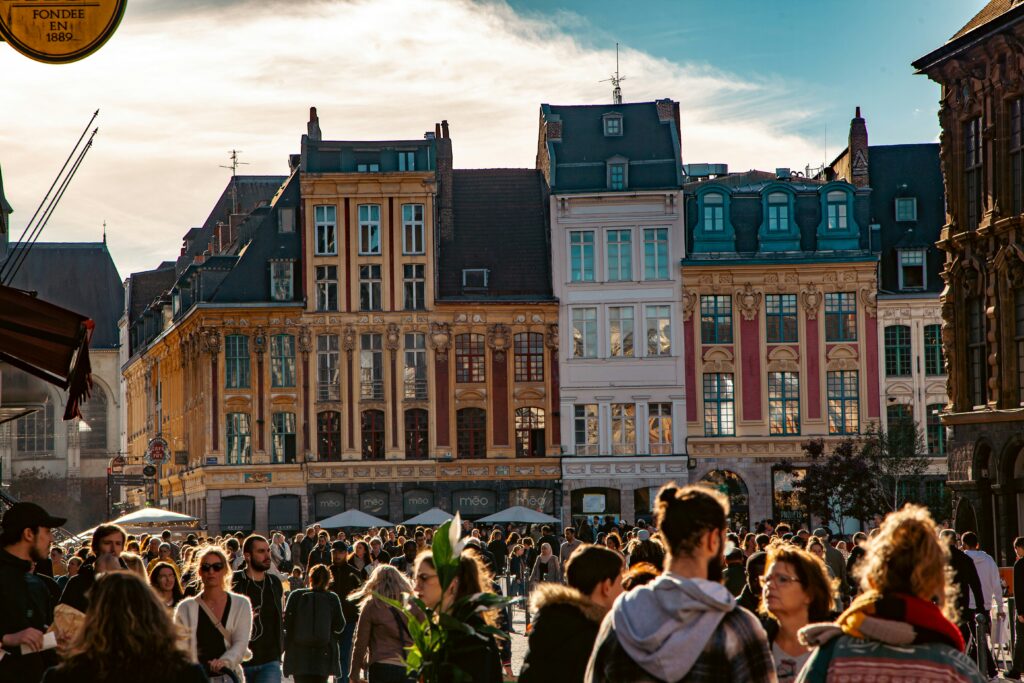
Yet policy alone cannot reshape the experience. Travelers themselves increasingly shape outcomes. Visiting in shoulder season rather than peak summer reduces pressure. Staying in locally owned accommodations supports residents more directly. Exploring neighborhoods beyond the obvious landmarks distributes economic benefit more evenly. These choices are small individually, but significant collectively.
Personally, I have noticed that my own travel habits have shifted. I no longer feel compelled to see every iconic site during high season. I am more curious about morning markets than about midday viewpoints. I am more patient with cities that reveal themselves gradually. The most memorable travel experiences I’ve had in recent years occurred not in front of famous monuments, but in quieter residential streets, where daily life unfolded without spectacle.
Articles Recommended:
- Best Months to Visit Europe (And When to Avoid the Crowds)
- The Biggest Mistakes First-Time Visitors Make in Europe
This raises a broader question: has overtourism changed Europe forever, or has it simply forced a new phase of adaptation?
Europe has endured transformations for centuries — wars, migrations, industrialization, modernization. Cities have expanded, contracted, rebuilt, and reinvented themselves repeatedly. Tourism is another layer in that long continuum. The challenge lies in balance. Too little tourism can weaken local economies. Too much concentrated tourism can erode authenticity and quality of life.
I do not believe Europe is being “ruined.” That narrative is too simplistic. But I do believe certain areas are reaching thresholds where unmanaged growth becomes visible and uncomfortable. The solution is not retreating from travel, but traveling with awareness.
Interestingly, some destinations are already seeing shifts in visitor behavior. After years of concentrated tourism in a handful of iconic cities, travelers are rediscovering smaller regional towns. Instead of only Florence, they explore Bologna. Instead of only Barcelona’s Gothic Quarter, they spend time in Gràcia or Poblenou. Instead of exclusively Santorini, they look toward less prominent Greek islands. This diffusion may become one of the most positive consequences of overtourism awareness.
Articles Recommended:
- How Many Days Do You Really Need in Europe?
- Rome for the First Time: A Complete Travel Guide to Italy’s Eternal City
There is also a generational change in mindset. Many younger travelers prioritize sustainability and local integration. They seek experiences that feel grounded rather than purely photogenic. They ask questions about housing impact, cultural preservation, and environmental strain. While not universal, this trend suggests that awareness is increasing.
Ultimately, overtourism reflects something deeply human: curiosity, aspiration, and mobility. The desire to see the world is not the problem. The speed and scale at which we move through it may be.
Standing again in Barcelona months after that crowded afternoon, I noticed something different. It was early November. The air was cooler. The same narrow street felt calm. Residents chatted outside bakeries. A delivery truck navigated slowly between pedestrians. The city felt balanced again. It hadn’t changed fundamentally — the season had.
That realization shifted my perspective. Perhaps Europe is not permanently transformed by overtourism, but cyclically strained by peaks of intensity. With thoughtful policy, responsible infrastructure, and mindful travel choices, equilibrium can return.
Articles Recommended:
- Tokyo for the First Time: A Complete Guide to Japan’s Most Dynamic City
- The Best European Cities to Visit for the First Time
Travel will continue. Flights will land. Suitcases will roll across cobblestones. The question is whether we approach cities as temporary consumers of scenery or as respectful participants in living environments.
I remain optimistic. Europe’s cities are resilient. They have weathered centuries of change. If anything, overtourism has sparked necessary conversations about preservation, equity, and sustainability. It has forced governments, residents, and travelers alike to reconsider how shared spaces function.
And perhaps that is the lasting change: not destruction, but awareness.
Europe may feel more crowded in certain moments. Some neighborhoods may shift in character. But beneath the movement, the core of these cities — their architecture, culture, and social memory — remains intact.
Overtourism is not the end of Europe as we know it. It is a reminder that beauty, when widely admired, requires thoughtful stewardship.
Written & updated by Matteo — Travelupo
