Discover the world. Create memories that last a lifetime.

Travel guides, hidden gems, and smart itineraries to help you explore better.
How to Travel Europe by Train: A Beginner’s Complete Guide

How to Travel Europe by Train: A Beginner’s Complete Guide
For many travelers, the idea of crossing Europe by train feels almost romantic. Images of rolling countryside, historic stations, and comfortable rail journeys between famous cities have shaped the way people imagine exploring the continent.
When I first began traveling through Europe, I quickly realized that trains are not just a nostalgic way to move between destinations — they are often the most practical and enjoyable way to travel.
Unlike airports, which require long security lines and distant terminals, train stations are usually located in the heart of cities. You can arrive shortly before departure, step onto the platform, and within minutes find yourself gliding through landscapes that change from vineyards to mountains to historic towns.
For first-time visitors, however, the European rail system can seem confusing. Different countries operate different rail companies, tickets come in several forms, and passes like Eurail or Interrail raise questions about whether they are worth the cost.
Once you understand the basics, though, traveling Europe by train becomes surprisingly simple — and often one of the highlights of the journey.
Why Train Travel Works So Well in Europe
Europe’s rail system developed over more than a century, connecting cities long before air travel became common. Because of this history, many major train stations sit directly in city centers, making rail travel extremely convenient.
When you arrive by train in cities like Paris, Rome, or Amsterdam, you often step out of the station already surrounded by restaurants, cafés, and local neighborhoods. There is no long transfer from a distant airport, which saves both time and energy.
High-speed rail has also transformed travel across the continent. Countries such as France, Spain, Italy, and Germany operate trains capable of reaching speeds over 300 kilometers per hour. These services make journeys between major cities remarkably quick.
For example, traveling between Paris and Lyon or between Rome and Florence often takes less time by train than by plane once airport procedures are considered.
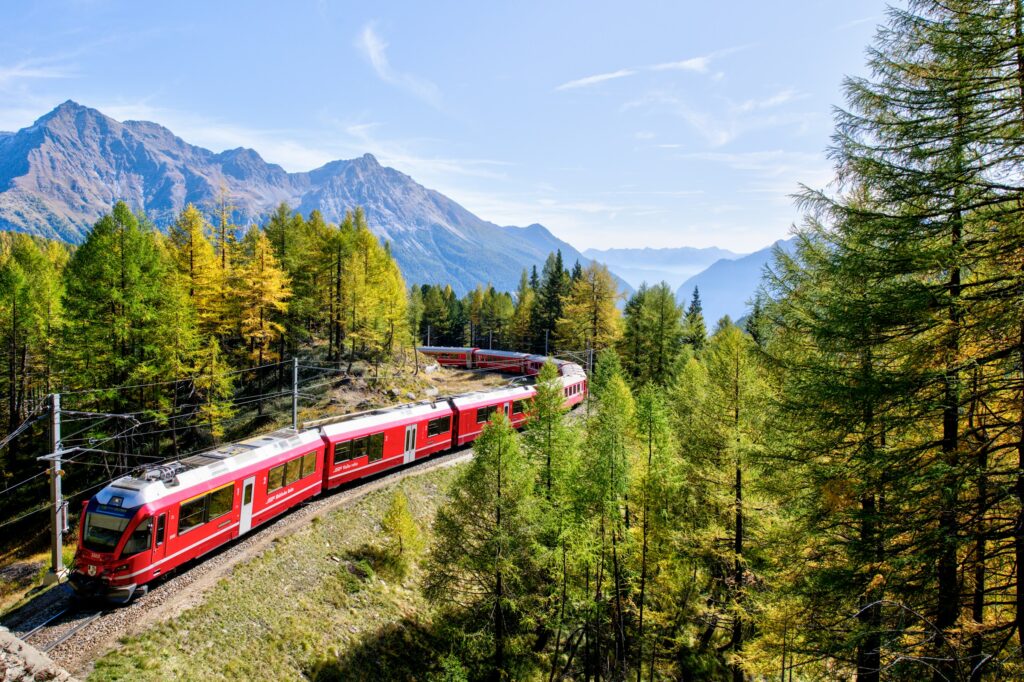
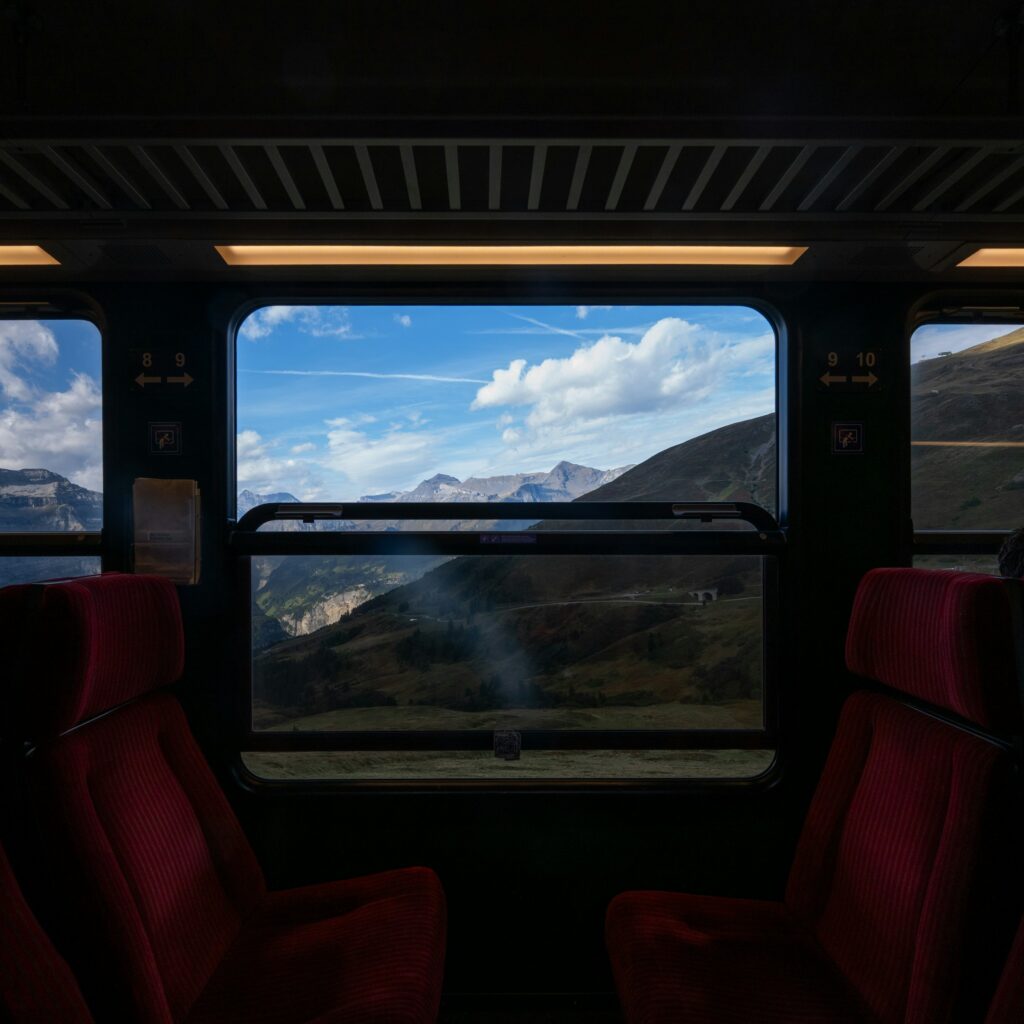
Another advantage of train travel is the experience itself. Instead of staring out airplane windows from high altitude, trains allow you to watch the landscape change gradually — vineyards outside Bordeaux, alpine scenery in Switzerland, or rolling countryside in Tuscany.
The journey becomes part of the travel experience rather than simply a way to reach the next destination.
Understanding Europe’s Rail Networks
Although the European rail system is extensive, it is not a single unified network. Each country generally operates its own national rail company, though international routes connect many of them.
France’s network is run by SNCF, while Italy’s major operator is Trenitalia. Germany’s trains are managed by Deutsche Bahn, and Spain’s network is operated by Renfe. Despite these different companies, most systems work together efficiently, allowing travelers to move between countries with relative ease.
High-speed trains usually connect the largest cities, while regional trains serve smaller towns and rural areas. These regional routes often move more slowly but provide access to places that high-speed trains bypass.
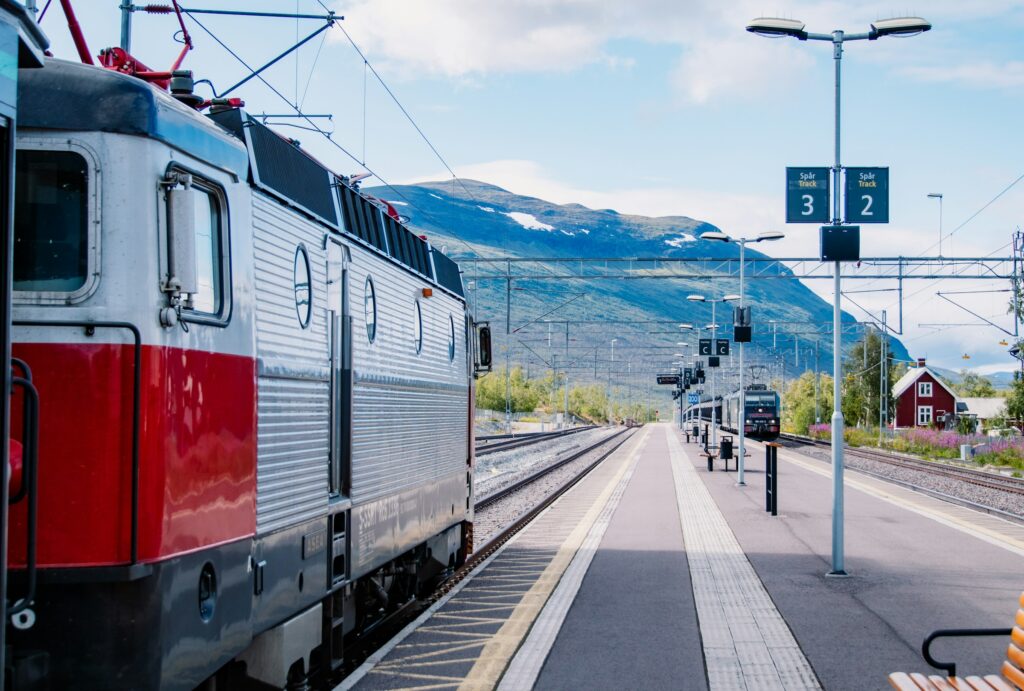
For first-time travelers, the key thing to remember is that the system may look complicated on maps, but the process of actually boarding trains is straightforward. Stations display clear departure boards, and platforms are well organized.
After a short adjustment period, navigating stations becomes second nature.
Articles Recommended:
- Best Months to Visit Europe (And When to Avoid the Crowds)
- The Biggest Mistakes First-Time Visitors Make in Europe
Eurail Pass vs Individual Tickets
One of the biggest decisions travelers face when planning train travel in Europe is whether to purchase a rail pass or buy tickets individually.
The Eurail Pass, designed for visitors from outside Europe, allows unlimited train travel within a certain time period across multiple countries. Interrail passes provide similar benefits for European residents.
At first glance, these passes seem like an obvious choice. The freedom to board trains without worrying about individual tickets is appealing, especially for longer trips.
However, the value of a rail pass depends heavily on your itinerary.
For travelers planning to visit many cities within a short period of time, a pass can offer flexibility and convenience. On the other hand, if your itinerary includes only a few train journeys, purchasing individual tickets often ends up being cheaper.
Many European train companies also offer discounted fares when tickets are booked in advance. High-speed trains, especially in countries like France and Italy, frequently provide early booking deals that significantly reduce prices.
In other words, there is no single correct option. The best choice depends on how frequently you plan to travel by rail.
Planning Your First Train Journey
Planning a train journey across Europe usually begins with selecting your route. Once you know which cities you want to visit, checking travel times between them helps determine whether trains are the best option.
Several websites and apps allow travelers to compare routes, schedules, and ticket prices. Many travelers use these tools to understand connections before purchasing tickets directly from national rail websites.
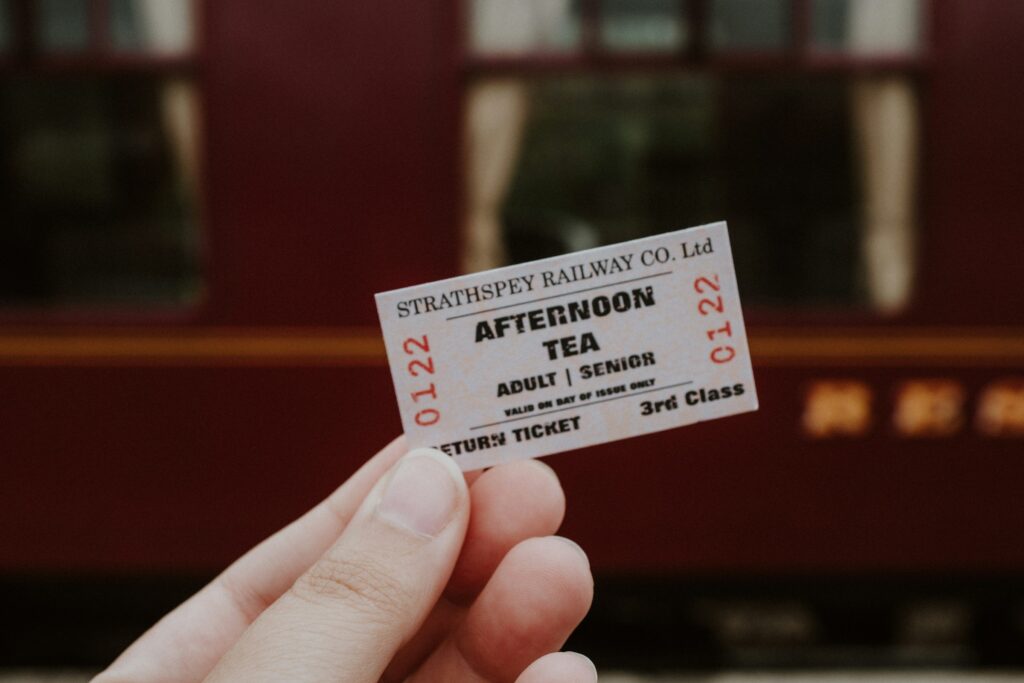
When booking, you may notice that some trains require seat reservations while others do not. High-speed trains and popular international routes often require reservations, while regional trains typically allow passengers to board freely.
It is also helpful to arrive at stations with a little time to spare, particularly when traveling for the first time. Large stations can contain multiple platforms, and locating the correct departure area may take a few minutes.
Once on board, trains generally provide comfortable seating, luggage storage areas, and sometimes food services. Many trains also offer quiet carriages for travelers who prefer a calmer atmosphere during the journey.
Articles Recommended:
- Rome for the First Time: A Complete Travel Guide to Italy’s Eternal City
- How Many Days Do You Really Need in Europe?
Practical Tips for First-Time Train Travelers
Traveling by train in Europe quickly becomes easy once you understand a few practical details.
Packing light can make a significant difference, especially when moving between platforms or navigating stairs in older stations. While trains provide luggage space, travelers are usually responsible for handling their own bags.
It’s also worth paying attention to departure boards inside stations. Platforms occasionally change at the last moment, and announcements often appear only a few minutes before boarding.
Food and drinks are usually allowed on trains, which makes longer journeys more pleasant. Many travelers stop by a bakery or market before departure to bring snacks along for the ride.
Finally, don’t hesitate to ask station staff for help if something seems confusing. Railway employees are generally accustomed to assisting international travelers.
Why Train Travel Encourages Slower Exploration
One of the unexpected benefits of traveling Europe by train is that it naturally encourages a slower pace.
Air travel often pushes travelers to cover large distances quickly, sometimes jumping between cities hundreds or even thousands of kilometers apart. Train routes, on the other hand, often connect places that are geographically close.
This encourages itineraries built around regional exploration rather than long-distance leaps.
Instead of rushing across the continent, many travelers find themselves discovering places they might otherwise overlook — smaller cities, scenic landscapes, and local communities that reveal a different side of Europe.
This slower style of travel often leads to richer experiences and a deeper understanding of the places visited.
Articles Recommended:
- Tokyo for the First Time: A Complete Guide to Japan’s Most Dynamic City
- The Best European Cities to Visit for the First Time
Final Thoughts
Traveling Europe by train combines practicality with experience in a way few other forms of transportation can match. The convenience of city-center stations, the comfort of modern rail cars, and the ability to watch the landscape unfold outside the window make train journeys uniquely rewarding.
For first-time visitors, the system may seem complicated at first, but it quickly becomes familiar. After just a few trips, navigating stations, booking tickets, and planning routes begins to feel surprisingly simple.
More importantly, train travel allows you to experience Europe at a human pace. Instead of rushing between airports and terminals, you move gradually from one place to another, watching the scenery change along the way.
And in many cases, those quiet hours on the train become just as memorable as the destinations themselves.
Written & updated by Matteo — Travelupo
