

One of the most common questions people ask when planning a trip to Europe is surprisingly simple: how many days do you actually need?
At first glance, the answer might seem obvious. Europe looks compact on the map. Countries sit close together, trains move quickly between cities, and budget flights make it possible to cross borders in just a few hours. Because of this, many travelers imagine they can experience a large portion of the continent in a short amount of time.
But once you begin planning more carefully, the reality becomes clearer. Europe may be geographically smaller than other continents, yet it contains an extraordinary density of culture, architecture, cuisine, and history. Every city has its own rhythm, and rushing between them often leaves travelers feeling as if they’ve seen a lot but absorbed very little.
So the real question isn’t just how many days you have — it’s how deeply you want to experience the places you visit.
Over time, and after multiple trips across different parts of Europe, I’ve realized that the length of your trip shapes the experience more than the number of destinations you choose.
The Reality of a One-Week Trip
A seven-day trip to Europe is possible, but it requires careful expectations.
Many first-time visitors imagine they can visit several countries within a week. On paper it might look manageable: Paris, Amsterdam, and Rome all connected by flights or trains. But what often gets underestimated is how much time travel itself consumes.
Airports, train stations, hotel check-ins, and navigation all take energy. Even efficient European transport systems require a certain mental adjustment when you’re in an unfamiliar place.
When you only have a week, the best approach is usually choosing one major city and perhaps one nearby destination. A trip centered around Paris with a day trip to Versailles works well. Rome combined with Florence can also be manageable. Barcelona with a short coastal escape offers another good balance.
With a week, the goal shouldn’t be to “cover Europe.” Instead, the goal is to build a meaningful introduction.
You’ll have enough time to see iconic landmarks, explore a few neighborhoods, and experience the local atmosphere without feeling constantly rushed.
Why Ten Days Changes Everything
Once a trip extends to around ten days, the possibilities expand significantly.
Ten days allows for breathing room. You can move beyond the initial orientation period that every traveler experiences in a new city. By the third or fourth day, places start to feel familiar. You recognize streets, cafés, and transport routes. The city stops feeling like a puzzle and begins to feel like a temporary home.
This extra time also makes multi-city travel more enjoyable. Instead of rushing between destinations every two days, you can divide your trip into two or three locations with several nights in each.
A ten-day trip might look like Paris and Amsterdam, Rome and Florence, or Barcelona and Lisbon. These combinations provide variety without overwhelming your schedule.
More importantly, ten days allow space for the unexpected — long dinners, spontaneous walks, or quiet afternoons that weren’t planned in advance.
Those moments often become the most memorable part of a trip.
Articles Recommended:
- Tokyo for the First Time: A Complete Guide to Japan’s Most Dynamic City
- The Best European Cities to Visit for the First Time
Two Weeks: The Ideal First Visit
For many travelers, two weeks is the sweet spot for a first trip to Europe.
Fourteen days provide enough time to experience multiple cities while still maintaining a comfortable pace. You can move through regions more naturally, especially when using trains instead of frequent flights.
A two-week journey might include three or four destinations connected geographically. For example, a route through Paris, Brussels, and Amsterdam offers cultural variety while keeping travel time manageable. In southern Europe, Rome, Florence, and Venice create a natural historical progression.
With two weeks, something else begins to happen: your perception of Europe shifts.
The trip stops feeling like a short vacation and begins to feel like a deeper exploration. You become more comfortable with local customs, transportation, and daily routines. Instead of focusing only on landmarks, you begin noticing everyday life — morning cafés, neighborhood markets, evening strolls along riverbanks.
This shift is what transforms travel from sightseeing into experience.
The Temptation to Do Too Much
One of the biggest mistakes first-time travelers make is trying to fit too many destinations into a single trip.
It’s understandable. Europe offers an incredible range of iconic places, and the fear of missing something can easily push travelers to add “just one more city” to the itinerary.
But each additional destination adds hidden costs: packing, transit time, accommodation changes, and mental fatigue.
After several days of constant movement, the excitement of discovery can quietly turn into exhaustion. Cities start to blur together, and the journey becomes more about logistics than enjoyment.
Ironically, seeing fewer places often results in a richer experience.
Spending four days in a single city allows you to discover small details — local bakeries, quiet courtyards, favorite walking routes — that you would never notice during a rushed visit.
Articles Recommended:
Geography Matters More Than People Expect
Another factor that shapes the ideal trip length is geography.
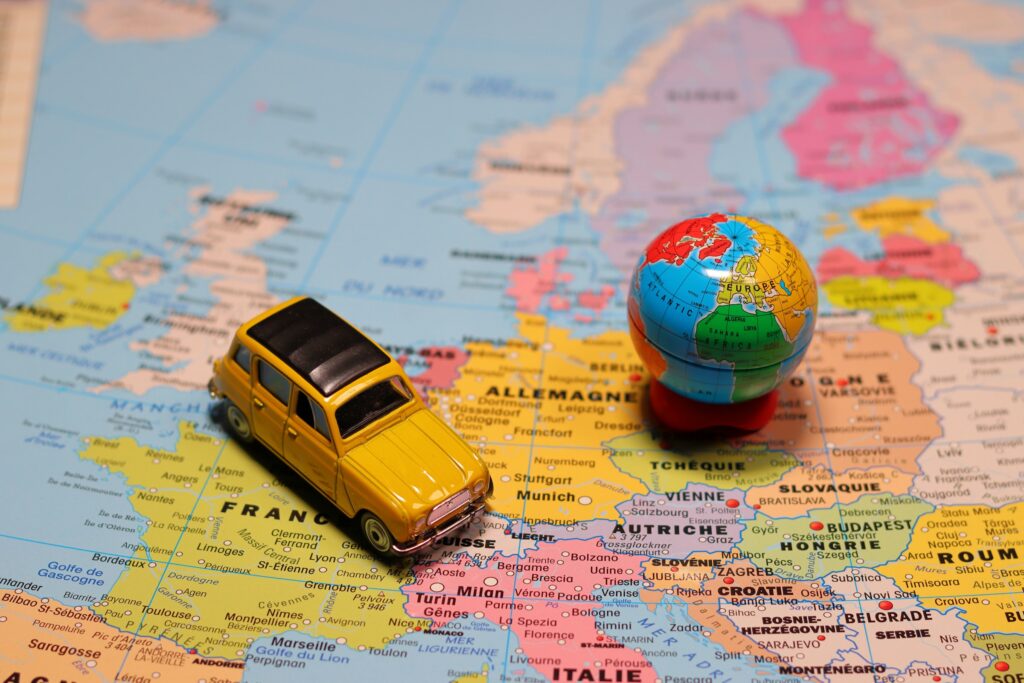
While Europe’s countries sit close together, travel distances can still be significant depending on your route. Moving between neighboring cities like Vienna and Budapest is relatively easy. Traveling from Barcelona to Prague, however, requires much more time.
High-speed trains have improved connectivity across Western Europe, but long distances still demand planning. Flights can shorten travel time, yet airports and security procedures add their own complications.
Choosing destinations within the same region can dramatically improve the flow of a trip. Northern Italy, for example, offers several remarkable cities within just a few hours of each other. Spain and Portugal also connect well by air and rail.
When destinations are geographically aligned, travel feels smoother and more relaxed.
The Role of Travel Pace
Perhaps the most important element of a successful European trip is pace.
Europe’s cities reward slow exploration. Historic neighborhoods reveal their charm gradually — through quiet streets, small cafés, and unexpected viewpoints. When travelers rush from one landmark to the next, these subtle experiences often disappear.
A balanced itinerary includes both structured sightseeing and unplanned time. Some mornings might begin with a museum visit, while afternoons are spent wandering without a strict agenda.
This slower rhythm aligns more closely with the way many European cities function. Meals stretch longer. Public squares invite lingering conversations. Parks and riverbanks become social spaces rather than quick photo stops.
When travelers adapt to this pace, the experience feels far more natural.
Articles Recommended:
The Difference Between Visiting and Understanding
Ultimately, the number of days you spend in Europe shapes the difference between visiting places and understanding them.
A short trip introduces you to famous landmarks and iconic images — the Eiffel Tower, the Colosseum, the canals of Amsterdam. These moments are powerful and unforgettable.
But longer stays reveal something deeper: the personality of a place.
You notice how neighborhoods change throughout the day, how locals interact in public spaces, and how cultural traditions influence daily life. These observations create a more personal connection to the cities you visit.
And that connection is often what inspires travelers to return.

Finding the Right Length for Your Trip
There is no universal answer to how many days you need in Europe.
A week can provide a meaningful introduction. Ten days offer a more balanced journey. Two weeks allow for deeper exploration and multiple destinations without overwhelming the schedule.
The key is aligning your itinerary with your expectations. If your goal is to collect photographs of famous landmarks, a faster trip might satisfy you. But if you want to truly experience European culture, giving yourself more time makes a significant difference.
Europe is not a destination you complete in one visit.
It’s a continent that invites repeated journeys — each one revealing something new.
Articles Recommended:
- A Practical, Honest Guide to Visiting Barcelona for the First Time
- Why Shoulder Season Travel in Europe Is Smarter Than Summer
Final Thoughts
Planning a European trip often begins with ambitious ideas about how much can be seen in a limited time. But the most memorable experiences usually come from slowing down rather than speeding up.
Cities reveal their character gradually. Streets become familiar after several days. Favorite cafés appear unexpectedly. Conversations linger longer than expected.
Whether you have seven days or two weeks, the goal isn’t to conquer Europe.
It’s to experience enough of it that you leave wanting to return.
And in many ways, that feeling — the quiet certainty that you’ve only begun to explore — is what makes a first trip to Europe so unforgettable.
Written & updated by Matteo — Travelupo
