
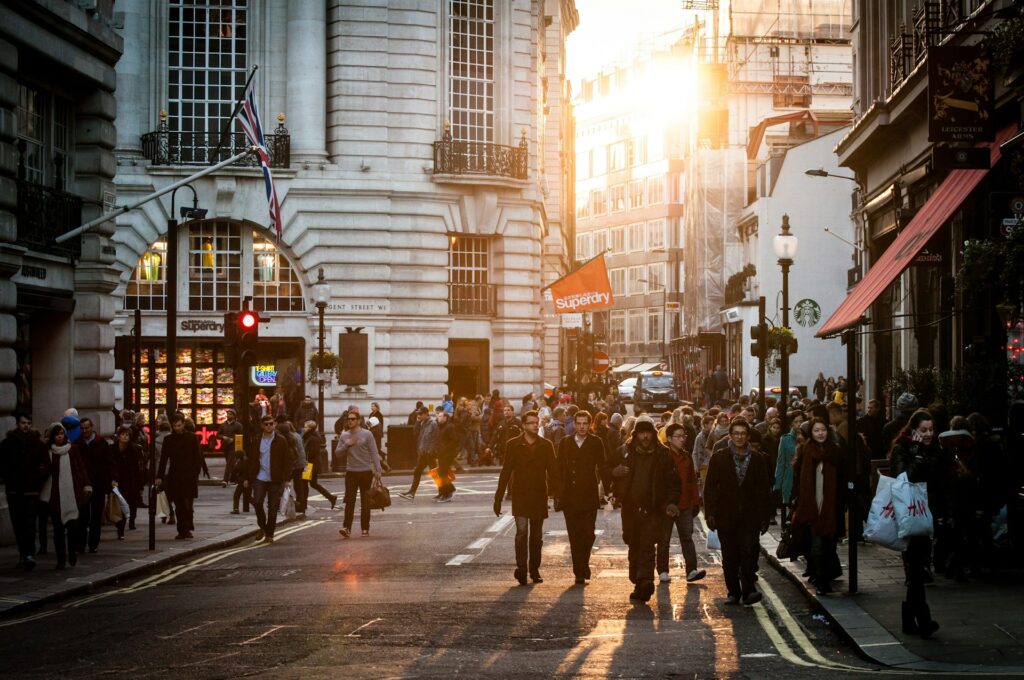
Travel doesn’t always need trains, rental cars, or packed itineraries. Sometimes, the best way to experience a city is simply by walking — letting streets guide you, pausing for coffee when something catches your eye, and discovering places that don’t appear on any map.
Across Europe, many cities were built long before cars existed. Their historic centers are compact, human-scaled, and designed for life on foot. In these places, walking isn’t just convenient — it’s the best way to travel.
For 2026, walkable cities are becoming increasingly popular with travelers who want easy logistics, lower costs, and a more relaxed pace. No car rentals, no traffic stress, and no wasted time commuting — just culture, food, and atmosphere within walking distance.
Here are 10 of Europe’s most walkable cities for travelers, where you can explore comfortably on foot and still experience everything that matters.
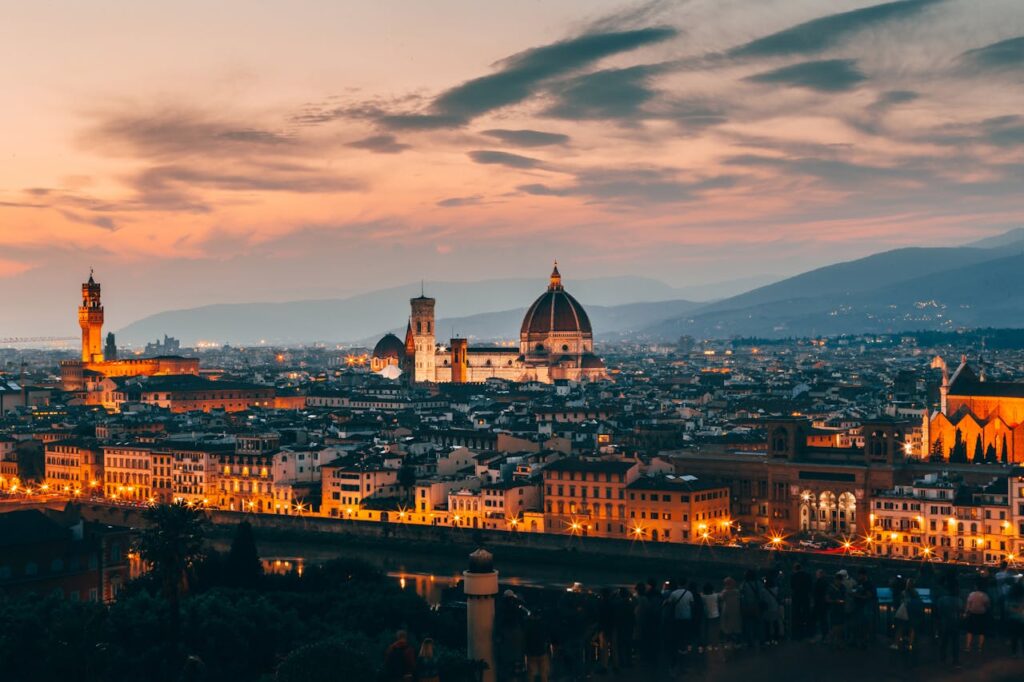
1. Florence, Italy — Art, Food & History in a Perfect Walking Radius
Why it’s walkable: Flat historic center, compact layout
Best for: Culture lovers, first-time Italy visitors
Stay for less: Boutique hotels from €95/night via Travelupo
Florence is one of Europe’s most walkable cities — and one of the most rewarding. Nearly all major sights sit within a 20-minute walking radius, turning the city into an open-air museum.
From the Duomo to Ponte Vecchio, from artisan workshops to wine bars, Florence flows naturally on foot. Streets are narrow, distances are short, and every turn reveals another Renaissance masterpiece.
Walkable highlights:
– Duomo → Uffizi → Ponte Vecchio loop
– Oltrarno craft district
– Evening strolls along the Arno River
Insider tip: Stay south of the river for quieter nights and local dining.
2. Ljubljana, Slovenia — Green, Calm & Designed for Walking
Why it’s walkable: Pedestrianized center, riverside paths
Best for: Slow travel, sustainability-minded travelers
Stay for less: Central boutique stays from €85/night
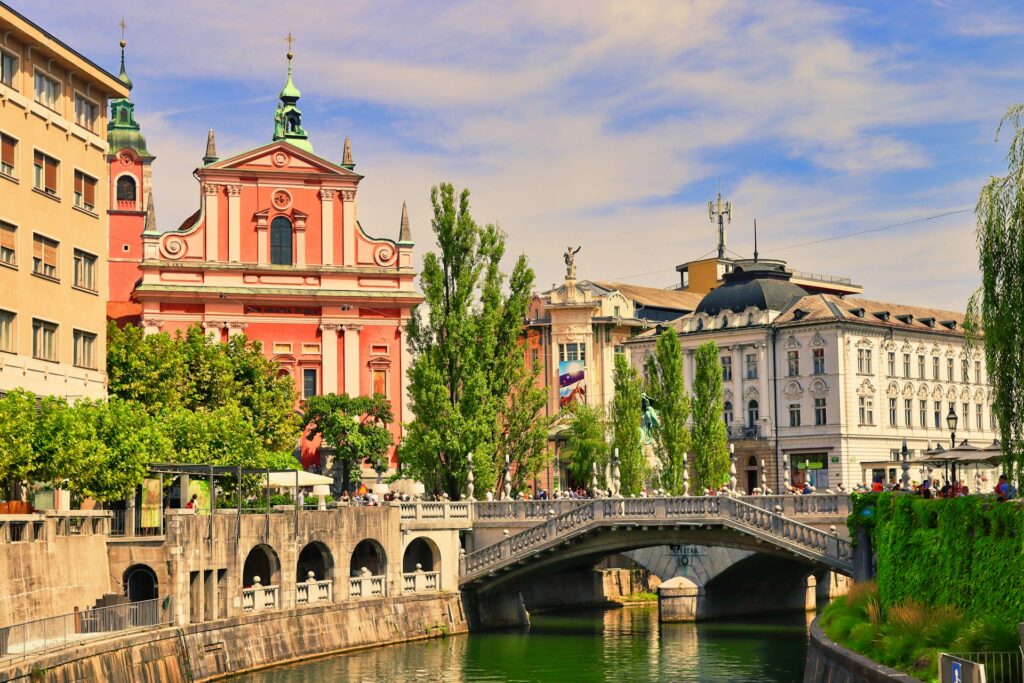
Ljubljana consistently ranks among Europe’s most pedestrian-friendly capitals. Cars are restricted in the historic center, and the city feels calm, clean, and human-scaled.
The Ljubljanica River winds through cafés, bridges, and open squares, making walking not just easy — but enjoyable. You can cross the entire old town in minutes.
Walkable highlights:
– Triple Bridge and old town loop
– Castle hill walk for panoramic views
– Riverside café hopping
Insider tip: Early mornings offer the most peaceful walks before day-trippers arrive.
Articles Recommended:
- Coziest Small Towns in Europe to Visit in Spring 2026
- Warm Winter Destinations in Europe for January 2026 — Sun Without Flying Far
3. Porto, Portugal — Compact Hills, Big Character
Why it’s walkable: Dense historic neighborhoods
Best for: Food lovers, photographers
Stay for less: Ribeira area hotels from €90/night
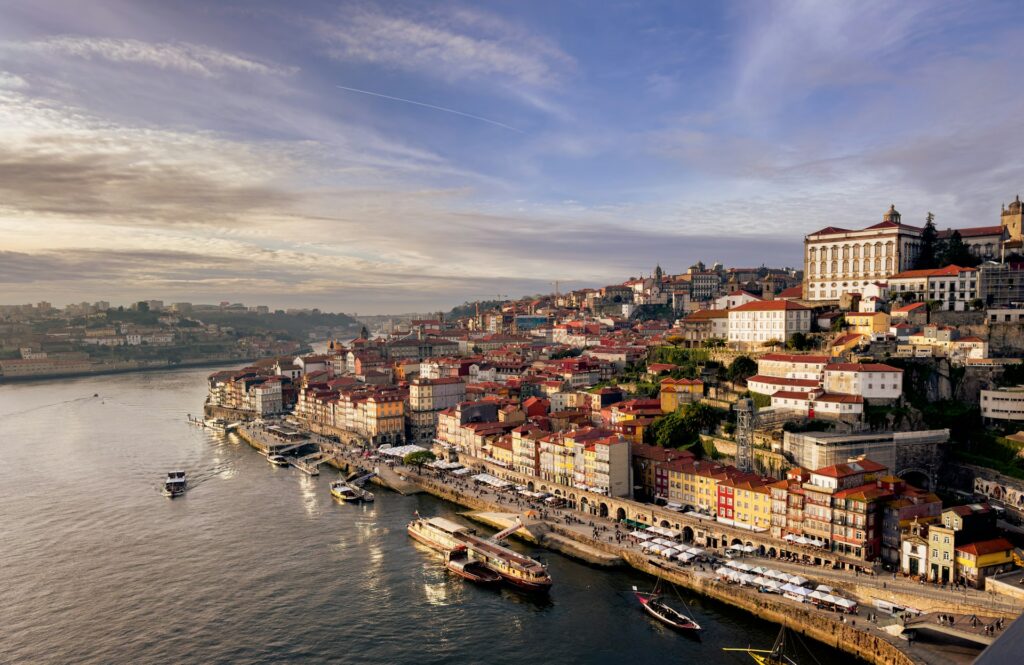
Porto proves that even a hilly city can be walkable. While there are some climbs, distances are short and the rewards are high — river views, tiled facades, and atmospheric streets.
Most travelers spend their days walking between the Ribeira, São Bento, and Vila Nova de Gaia, crossing bridges and stopping often for coffee or wine.
Walkable highlights:
– Ribeira waterfront
– Dom Luís I Bridge crossing
– Historic wine cellars
Insider tip: Wear comfortable shoes — Porto’s charm is best explored slowly.
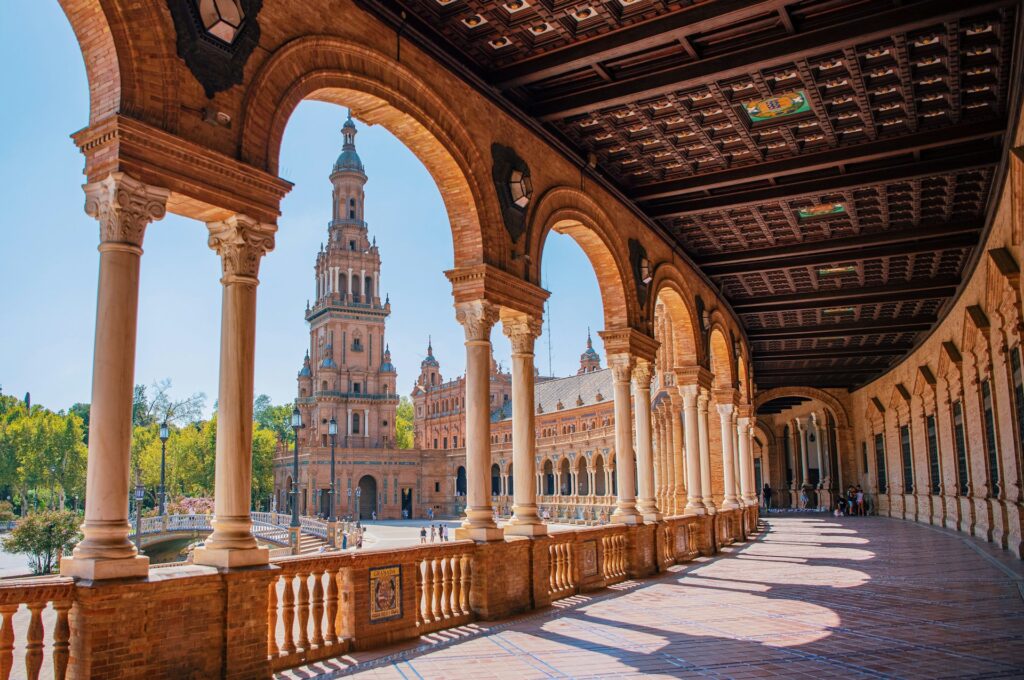
4. Seville, Spain — Sunshine, Courtyards & Endless Wandering
Why it’s walkable: Flat terrain, shaded streets
Best for: Winter & spring city breaks
Stay for less: Central stays from €85/night
Seville’s old town is one of the largest historic centers in Europe — and still incredibly walkable. Narrow lanes provide shade, distances are manageable, and the city rewards wandering.
From tapas bars to hidden courtyards, Seville unfolds best on foot, especially in spring and winter when temperatures are ideal.
Walkable highlights:
– Cathedral & Alcázar district
– Santa Cruz neighborhood
– Evening strolls along the Guadalquivir
Insider tip: Walk after sunset — Seville truly comes alive at night.
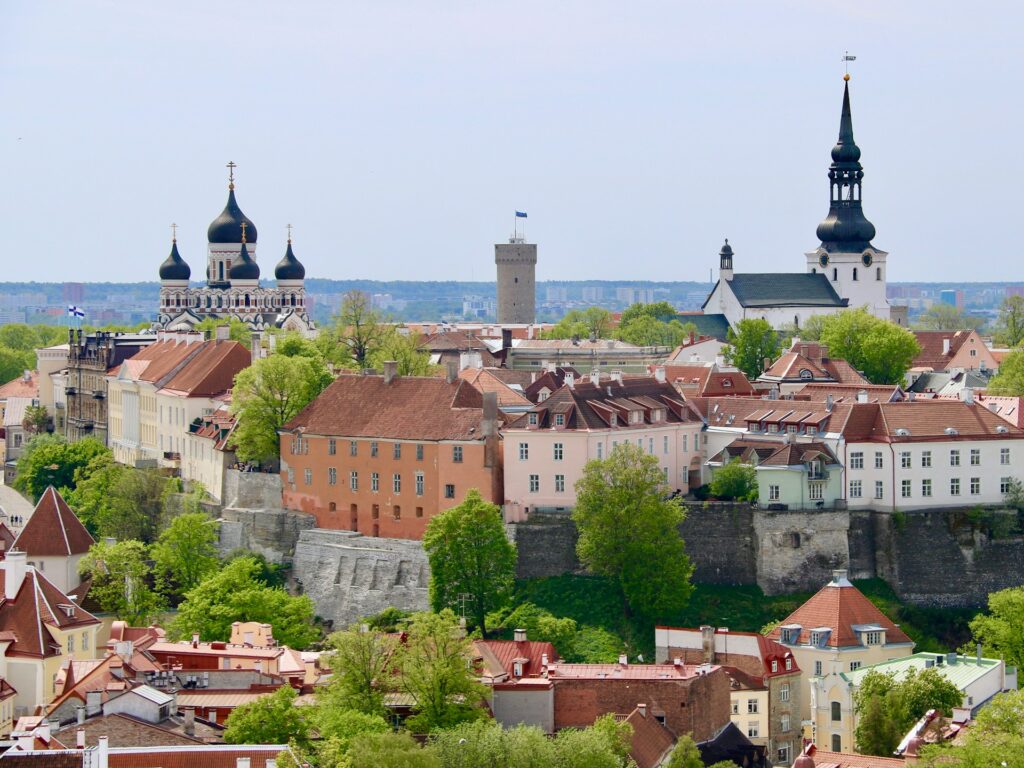
5. Tallinn, Estonia — Medieval Streets Made for Walking
Why it’s walkable: Walled old town, compact core
Best for: Fairytale vibes, short trips
Stay for less: Old Town hotels from €80/night
Tallinn’s medieval old town is almost entirely pedestrian, making it one of Europe’s easiest cities to explore without transport. Cobblestones lead through towers, courtyards, and historic squares.
Beyond the walls, trendy neighborhoods are still reachable on foot, offering cafés, markets, and creative spaces.
Walkable highlights:
– Toompea Hill viewpoints
– Town Hall Square
– Kalamaja district
Insider tip: Comfortable shoes are essential — cobblestones are charming but unforgiving.
Articles Recommended:
- Best European Destinations for April 2026 — Warm Weather & Low Prices
- Best Weekend Getaways in Europe for Spring 2026 — Quick, Easy & Affordable
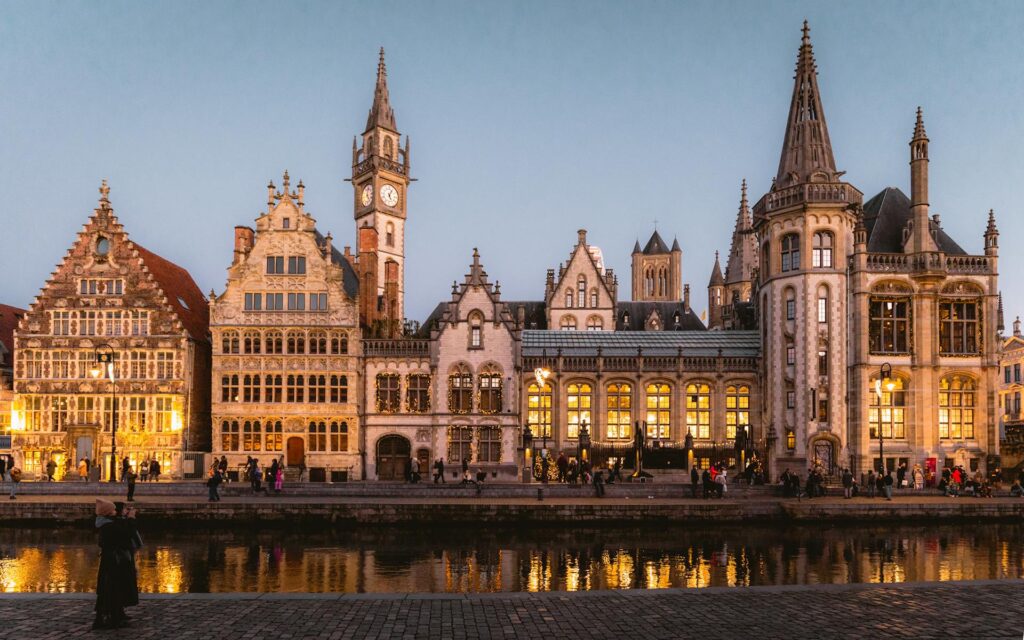
6. Ghent, Belgium — Historic Beauty Without the Crowds
Why it’s walkable: Dense medieval center, canals
Best for: Culture lovers avoiding tourist overload
Stay for less: Central hotels from €90/night
Ghent offers Bruges-level beauty with far fewer crowds. The city center is compact and easy to navigate on foot, with canals guiding you naturally from one landmark to another.
Walking here feels effortless, with lively squares and quiet side streets blending seamlessly.
Walkable highlights:
– Gravensteen Castle
– Graslei canal area
– Evening canal walks
Insider tip: Ghent is especially magical at night when landmarks are illuminated.
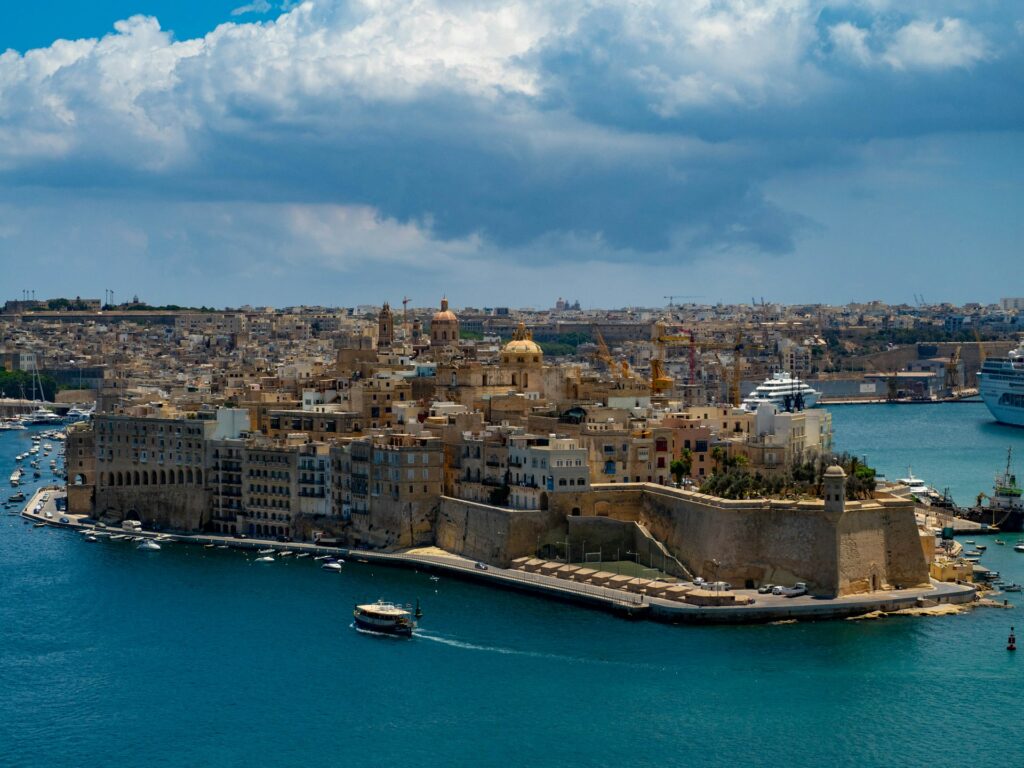
7. Valletta, Malta — Small Capital, Big History
Why it’s walkable: Tiny city footprint
Best for: Culture, sea views, mild winters
Stay for less: Boutique hotels from €90/night
Valletta is one of Europe’s smallest capitals, meaning everything is close. Streets are steep in places, but distances are short, and the reward is constant sea views and golden architecture.
You can walk from one end of the city to the other in under 30 minutes.
Walkable highlights:
– Upper Barrakka Gardens
– Old city grid streets
– Harbor viewpoints
Insider tip: Combine walking with ferry hops to nearby towns for variety.
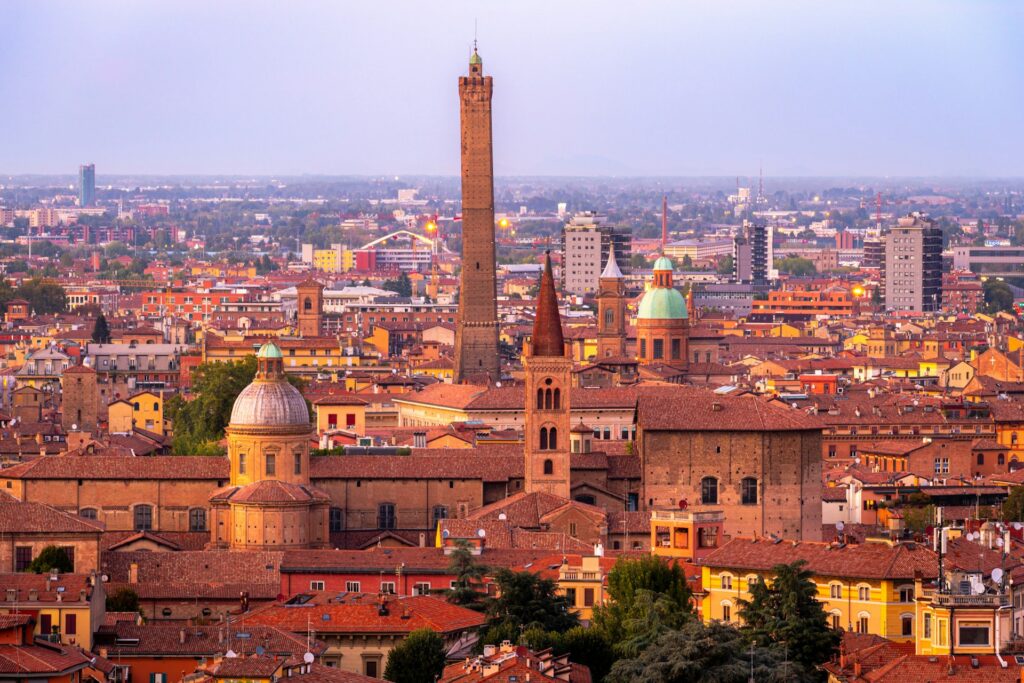
8. Bologna, Italy — Covered Walkways & Local Life
Why it’s walkable: 40 km of porticoes (covered sidewalks)
Best for: Food-focused travel, all-weather walking
Stay for less: Historic center hotels from €85/night
Bologna may be Italy’s most comfortable walking city. Its famous porticoes protect pedestrians from sun and rain, making year-round exploration easy.
Distances are short, food stops are frequent, and the city feels deeply local.
Walkable highlights:
– Piazza Maggiore
– University district
– Food markets and trattorias
Insider tip: Walk early mornings to see Bologna at its most authentic.
Articles Recommended:
- Best Food Cities in Europe for 2026 — Eat Well Without Overspending
- Warmest Places in Europe to Visit in April 2026 (Affordable Spring Sun & Hidden Gems)
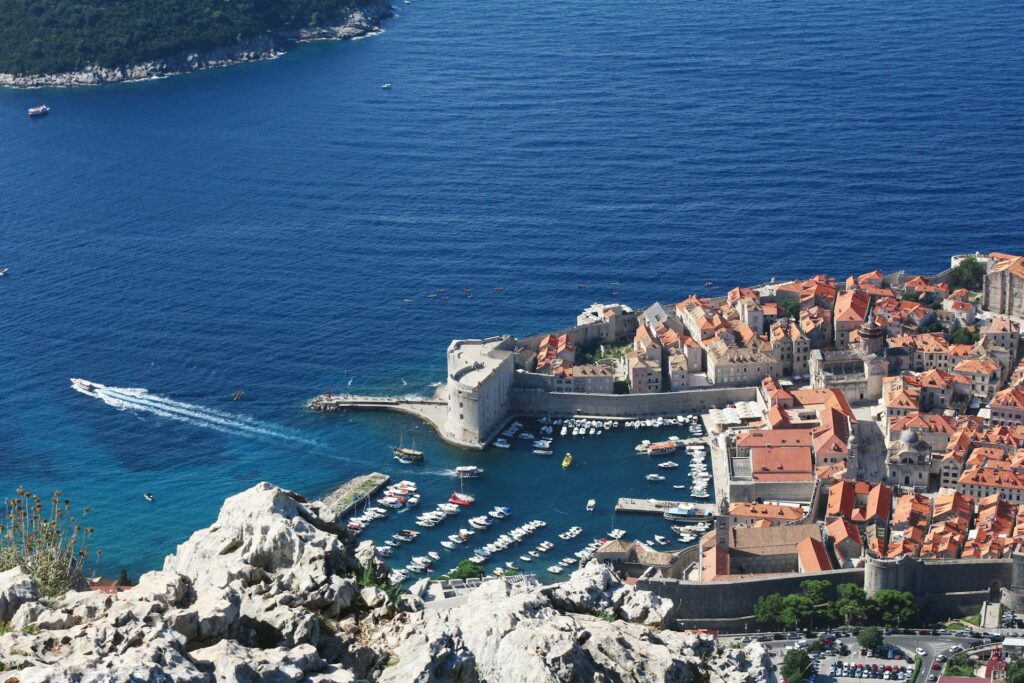
9. Dubrovnik, Croatia — Car-Free Old Town Perfection
Why it’s walkable: Completely pedestrian historic core
Best for: Short stays, dramatic scenery
Stay for less: Old town guesthouses from €95/night
Dubrovnik’s old town is fully walkable and car-free. Once inside the walls, everything unfolds on foot — limestone streets, hidden alleys, and sea views at every turn.
While summer crowds can be intense, shoulder seasons make walking here magical.
Walkable highlights:
– City walls loop
– Stradun main street
– Cliffside paths
Insider tip: Visit early morning or late evening for the best walking experience.
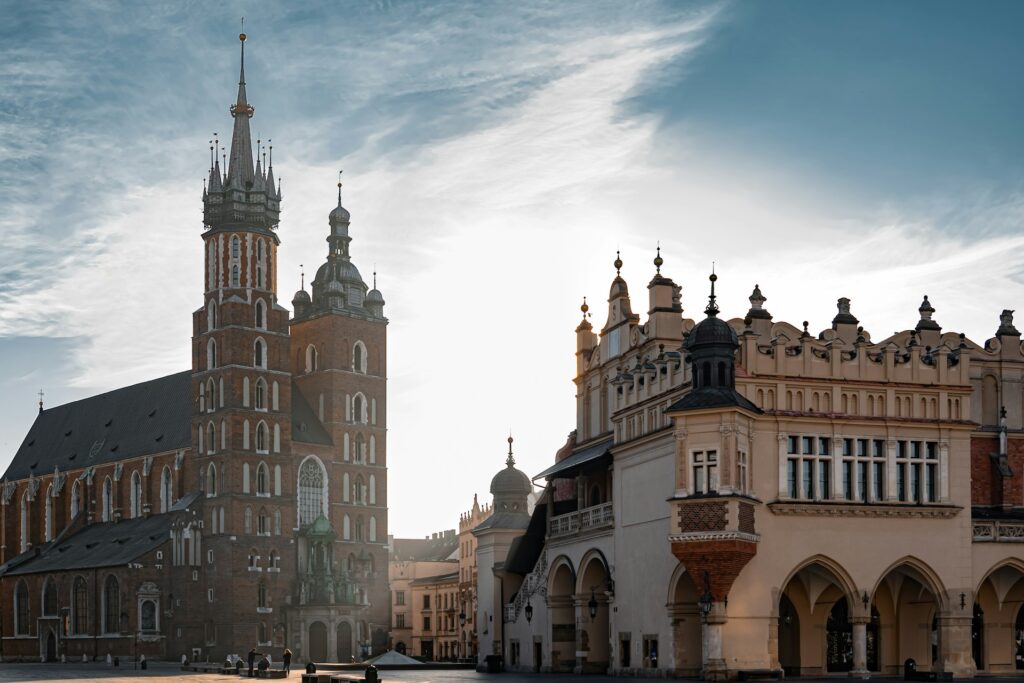
10. Kraków, Poland — Grand Squares & Easy Distances
Why it’s walkable: Flat layout, large pedestrian zones
Best for: Budget travelers, history lovers
Stay for less: Central hotels from €75/night
Kraków’s old town is spacious yet walkable, anchored by Europe’s largest medieval square. Streets are flat, distances are short, and attractions cluster naturally.
Walking between neighborhoods feels easy and rewarding.
Walkable highlights:
– Main Market Square
– Wawel Castle route
– Kazimierz district
Insider tip: Evening walks through Kazimierz offer great food and atmosphere.
Why Walkable Cities Are Perfect for Travelers
Walkable destinations offer more than convenience:
– Lower travel costs
– Less stress
– Better local immersion
– Flexible, spontaneous exploration
You experience cities at human speed, not through schedules.
Articles Recommended:
- Best Affordable Warm Destinations in March 2026 — Sunshine, Value & Early Spring Escapes
- Affordable Ski Resorts in Europe for Late Winter 2026 (March Deals)
Travelupo Tips for Walkable City Breaks
– Stay central to reduce transport costs
– Choose boutique hotels or guesthouses
– Pack comfortable walking shoes
– Plan flexible itineraries
– Use Travelupo bundles to save on flights + stays
Final Thoughts
Some cities are meant to be driven. Others are meant to be walked.
In Europe’s most walkable cities, travel becomes simple again — no routes to memorize, no tickets to buy, no rush to keep up. Just streets, stories, and the freedom to explore at your own pace.
👉 Start planning your walk-friendly European escape with Travelupo — and let the city guide you.
