
For most travelers, coastal travel is automatically associated with summer. Hot weather, busy beaches, and long daylight hours dominate the imagination. Yet across the world, many seaside towns quietly lose their charm at peak season. Streets narrow under pressure, daily life retreats, and the coast becomes something to manage rather than enjoy.
Spring tells a different story.
In spring, coastal towns rediscover their natural rhythm. Temperatures are gentle, the light is softer, and the sea feels present without being overwhelming. Cafés reopen gradually, harbors return to routine, and walking becomes the main way to experience a place. Instead of navigating crowds, you observe details — architecture, conversations, the relationship between land and water.
Here are 10 coastal towns around the world that are genuinely better in spring than in summer — handpicked for their calm atmosphere, walkability, cultural depth, and ability to feel like real places before peak season reshapes them.
1. Essaouira, Morocco
Atlantic air, history, and balance
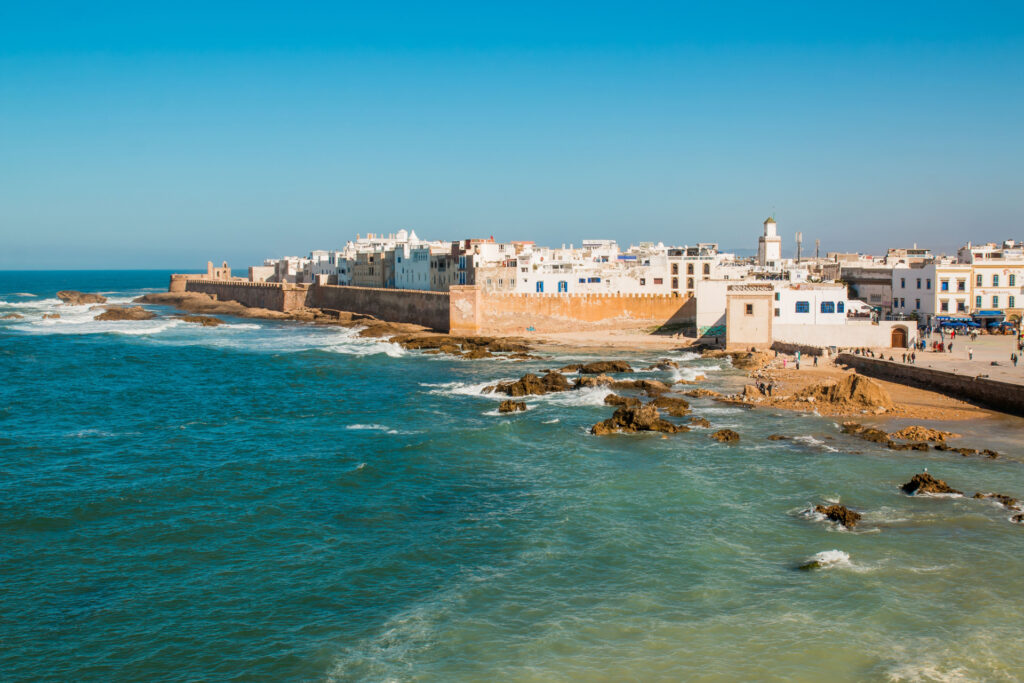
Essaouira is shaped by wind, history, and the Atlantic Ocean. In summer, strong winds and heavy tourism can dominate the experience. Spring offers equilibrium. Days are mild, winds are softer, and the medina regains its everyday pace.
Walking along the fortified ramparts becomes meditative rather than hurried. The fishing port functions as it always has, with boats returning in the afternoon and locals gathering near the shore. Spring also highlights Essaouira’s artistic identity — galleries, workshops, and cafés feel part of daily life rather than visitor entertainment.
The beach itself becomes a space for long walks rather than crowded sunbathing, reinforcing Essaouira’s identity as a place of movement and reflection.
Why it’s better in spring:
Milder wind, comfortable temperatures, and authentic local rhythm.
2. Hoi An, Vietnam
Ancient streets before heat and humidity
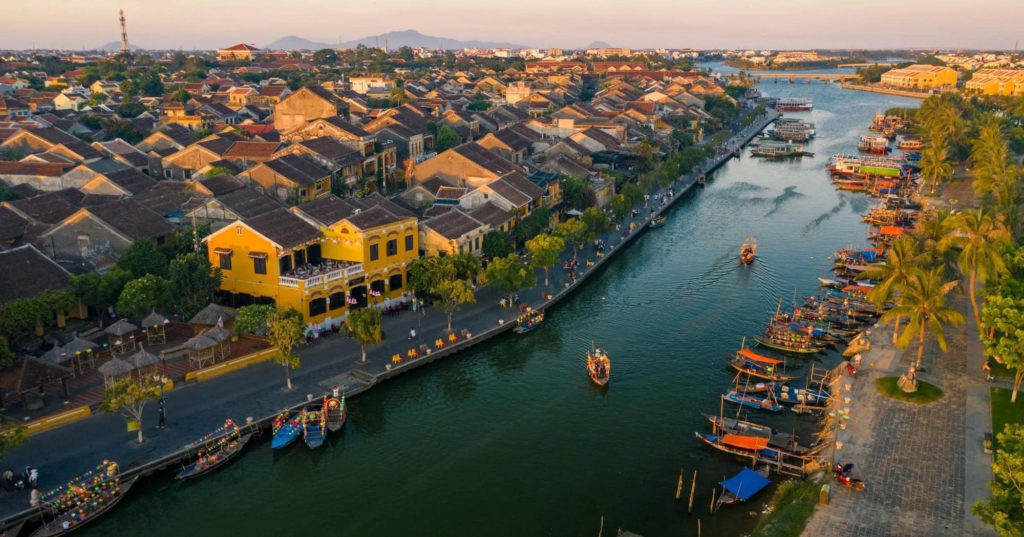
Hoi An’s preserved architecture and riverside setting attract visitors year-round, but spring offers its most comfortable expression. Before the tropical summer intensifies, the town is walkable, calm, and visually striking.
Spring days allow for exploration beyond the historic core — cycling through rice paddies, reaching nearby beaches, and wandering markets without fatigue. Lantern-lit evenings feel atmospheric rather than congested, and the riverfront regains its reflective quality.
Hoi An in spring feels balanced: cultural, social, and deeply rooted in place.
Why it’s better in spring:
Lower humidity, walkability, and unforced cultural immersion.
Articles Recommended:
- Affordable Spring Getaways in Europe for Under €500 (2026 Guide)
- Most Underrated European Beach Towns to Visit in Spring 2026
3. Comporta, Portugal
Minimalist landscapes and Atlantic calm
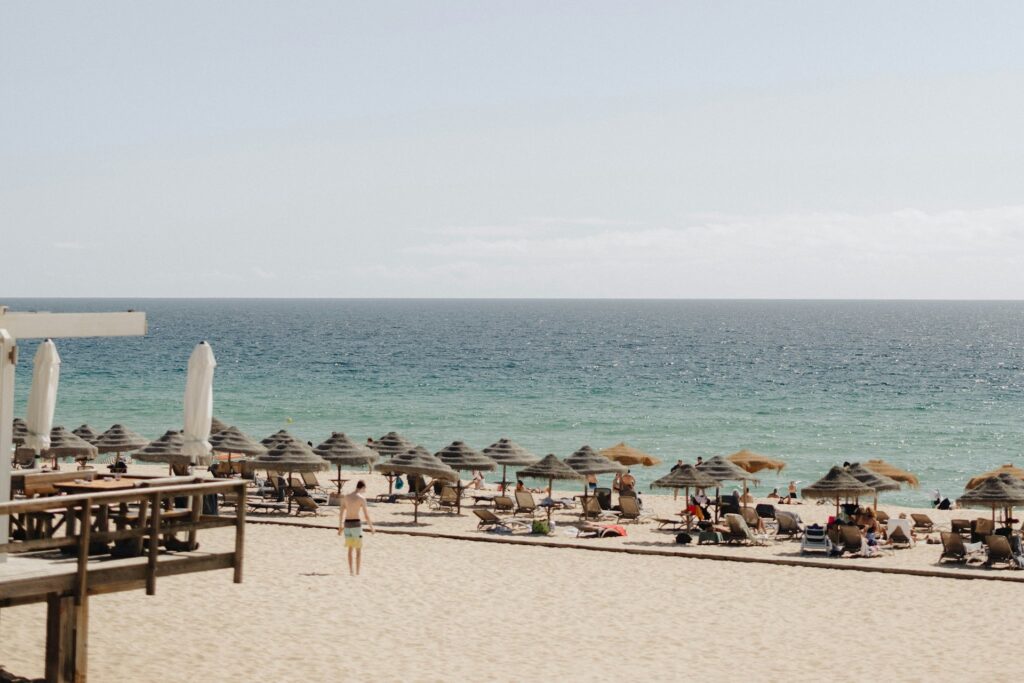
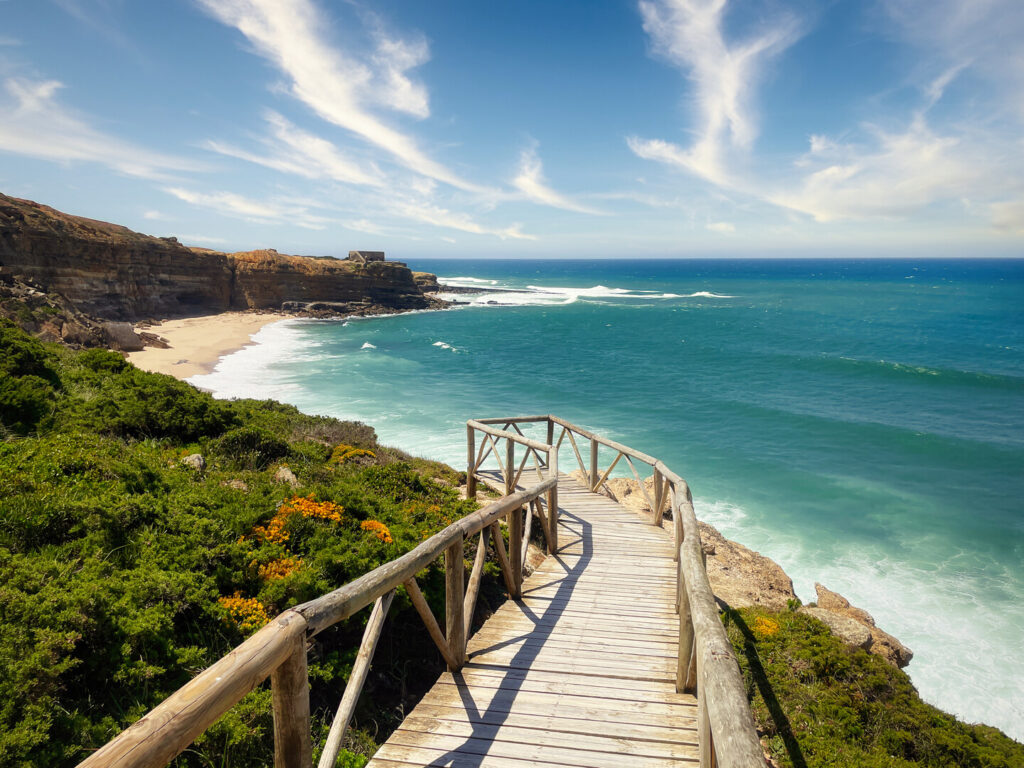
Comporta is defined by absence as much as presence — empty beaches, wide skies, and understated architecture. Summer introduces noise and density that dilute this identity. Spring restores the original vision.
Wooden boardwalks cross dunes untouched by footprints. Rice fields surrounding the village turn vivid green. The Atlantic feels powerful yet serene. Spring days encourage walking, reading, and quiet observation rather than structured activity.
Comporta is not a place to “do” much — and spring makes that clear.
Why it’s better in spring:
Space, silence, and uninterrupted nature.
4. Ericeira, Portugal
Atlantic drama without saturation
Ericeira is globally recognized for surfing, but spring reveals its broader character. The cliffs remain dramatic, the sea alive, yet the town feels grounded and lived-in.
Spring temperatures suit long coastal walks and exploration of the historic center. Local bakeries, markets, and cafés dominate daily life rather than visitor-oriented businesses. Even the surf culture feels integrated rather than overwhelming.
This is Ericeira as a coastal town first — not a seasonal destination.
Why it’s better in spring:
Wild scenery with breathing room and local continuity.
5. Nafplio, Greece
Elegant waterfront life restored
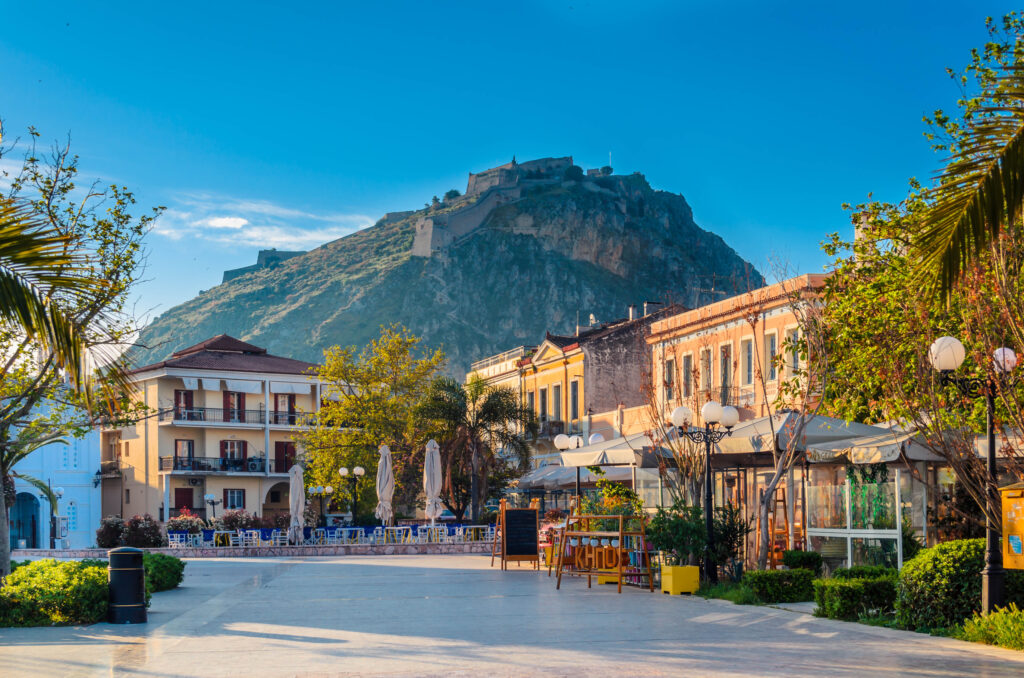
Nafplio is a town of layers: Venetian streets, neoclassical buildings, and a calm waterfront. Summer heat and crowds compress these elements. Spring releases them.
Walking along the harbor becomes effortless, fortresses above town invite exploration, and nearby beaches feel quiet and open. Cafés operate at a steady, social pace rather than peak turnover.
Nafplio in spring feels cohesive — a town where history, sea, and daily life align naturally.
Why it’s better in spring:
Mild weather enhances walkability and architectural detail.
Articles Recommended:
- Affordable Exotic Destinations for Winter 2025–2026 (Long-Haul Sun Worth the Flight)
- Affordable Warm Destinations for Winter 2025–2026 (Without Long-Haul Flights)
6. Jeju Island, South Korea
Volcanic coastline in bloom
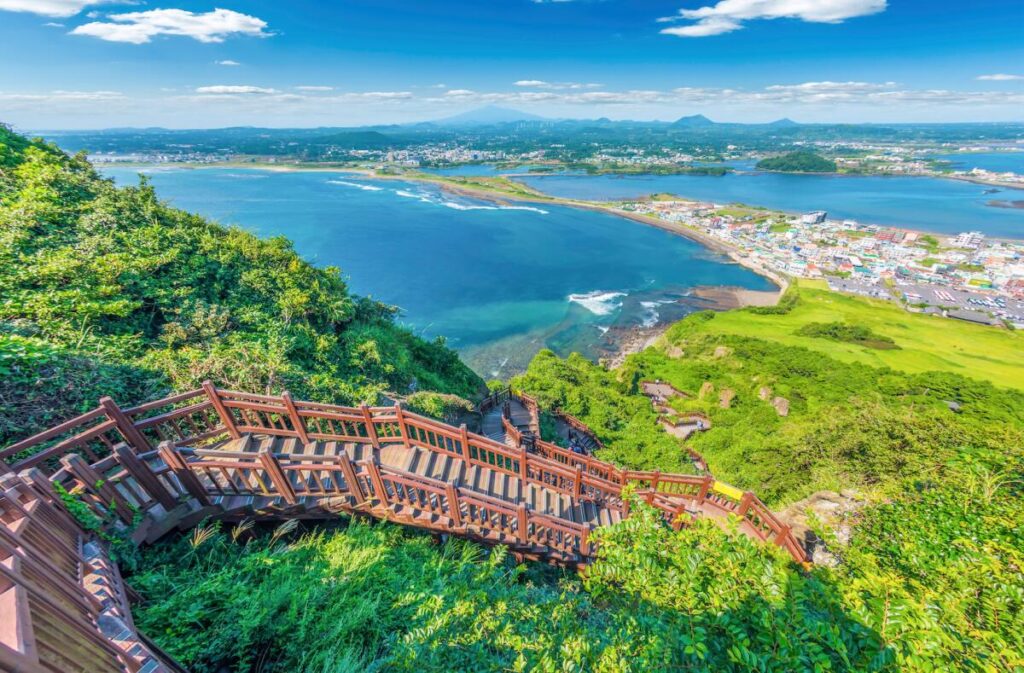
Jeju Island experiences one of Asia’s most striking spring seasons. Before summer humidity and tourism surge, the island’s coastal villages, cliffs, and walking paths are at their most vivid.
Cherry blossoms bloom along roads and trails, volcanic landscapes soften under greenery, and seaside towns feel expansive rather than crowded. Spring temperatures are ideal for exploring on foot, whether along the coast or inland paths.
Jeju in spring emphasizes movement, nature, and calm.
Why it’s better in spring:
Peak natural beauty before heat and monsoon season.
7. Todos Santos, Mexico
Desert-meets-sea harmony
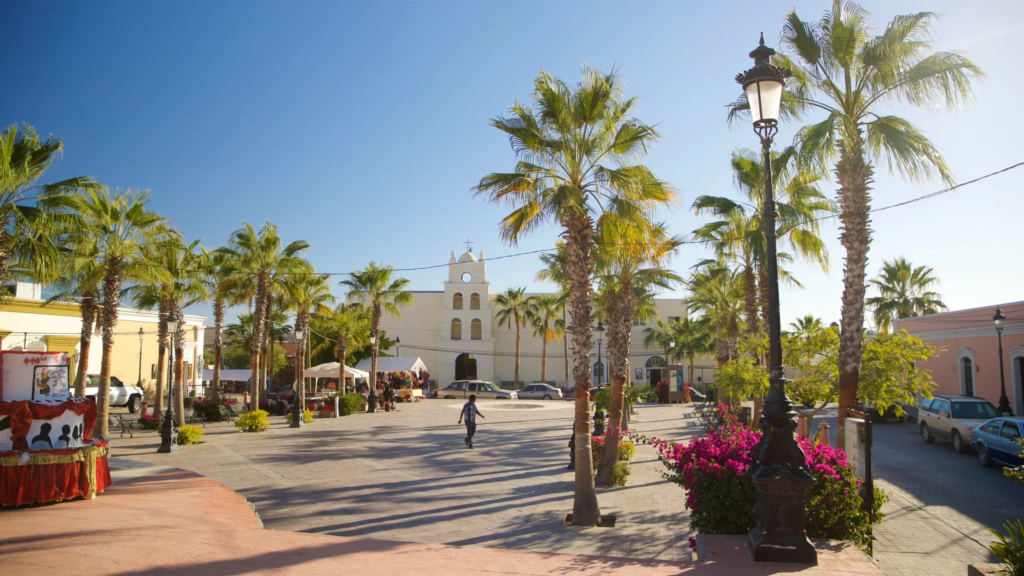
Todos Santos sits where desert landscapes meet the Pacific. Summer heat can be intense, but spring provides clarity and comfort.
Walking through the town’s creative districts, exploring nearby beaches, and enjoying sunset views become natural parts of the day. The town’s artistic community thrives in spring, contributing to a relaxed yet vibrant atmosphere.
Spring allows Todos Santos to feel balanced rather than extreme.
Why it’s better in spring:
Comfortable temperatures and active local culture.
8. Colonia del Sacramento, Uruguay
Riverside calm and colonial charm
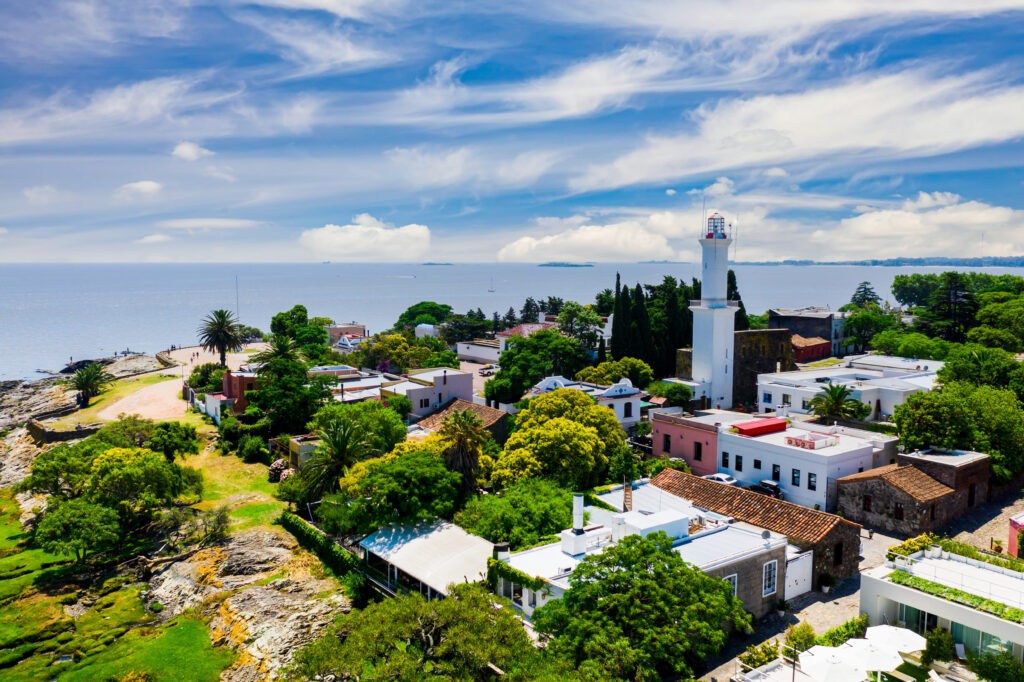
Colonia’s appeal lies in its simplicity — cobbled streets, colonial architecture, and river views. Summer tourism introduces busyness; spring restores stillness.
The town becomes a place for wandering without purpose, sitting by the water, and observing small details. Spring weather is ideal for walking, and the riverfront regains its quiet reflective quality.
Why it’s better in spring:
Human-scale exploration without seasonal pressure.
Articles Recommended:
- Quiet & Affordable European Spring Destinations Away from Big Cities
- Best European Destinations for Travelers Who Want to Slow Down (Calm, Culture & Space to Breathe)
9. Galle Fort, Sri Lanka
Colonial walls before tropical intensity
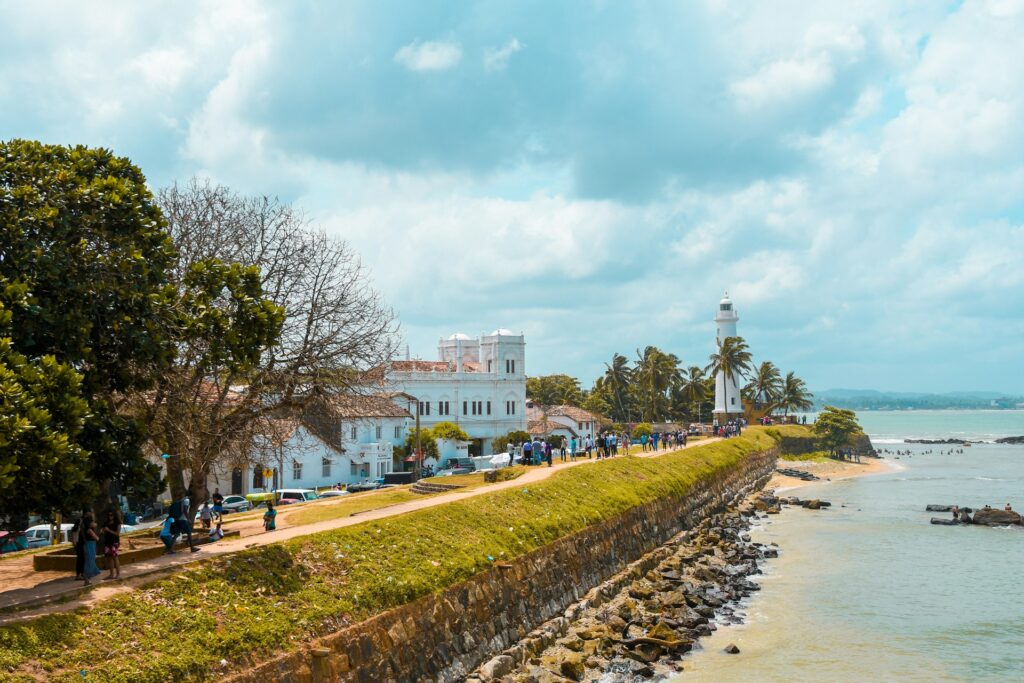
Galle Fort is atmospheric year-round, but spring offers its most comfortable conditions. Before heavier rains and heat arrive, walking the fort walls and exploring narrow streets is effortless.
Cafés, galleries, and residential spaces coexist naturally. Spring highlights Galle Fort’s cultural depth rather than turning it into a climate endurance test.
Why it’s better in spring:
Lower humidity and easier exploration.
10. Kaikoura, New Zealand
Pacific wilderness between seasons
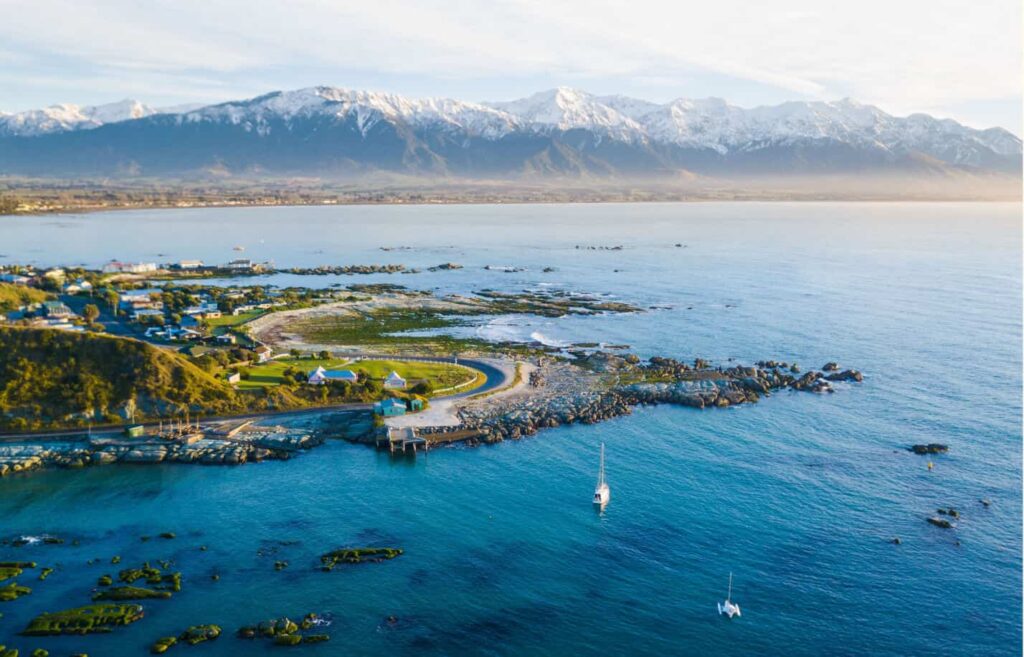
Kaikoura’s rugged coastline and marine life define its identity. Summer crowds and winter chill can overshadow this. Spring finds balance.
Coastal walks are clear and cool, wildlife activity increases, and the town feels connected to its environment rather than tourism cycles.
Spring reveals Kaikoura as a working coastal community framed by extraordinary nature.
Why it’s better in spring:
Clarity, calm, and raw coastal atmosphere.
Why Spring Works Globally for Coastal Towns
Across continents, spring offers the same advantages:
- Walkability replaces endurance
- Observation replaces avoidance
- Local life replaces performance
Spring allows coastal towns to function as places, not products.
Articles Recommended:
- Best European Destinations for Travelers Who Hate Crowds (Quiet, Beautiful & Easy to Enjoy)
- Best European Destinations for First-Time Travelers (Easy, Safe & Affordable)
Best Months to Visit in Spring (Worldwide)
- March: Quietest, dramatic light, cooler air
- April: Ideal balance of warmth and calm
- May: Longer days, still before peak season in many regions
How to Experience Coastal Towns Properly in Spring
- Walk first, plan second
- Spend more time in fewer places
- Follow local daily rhythms
- Explore beyond the shoreline
Final Thoughts
These coastal towns don’t lose beauty in summer — they lose space. Spring gives them room to breathe, revealing why they existed long before tourism.
If you value calm, walkable environments and destinations that feel lived-in rather than staged, spring proves that the world’s most rewarding coastlines are often best experienced before the crowds arrive.
