
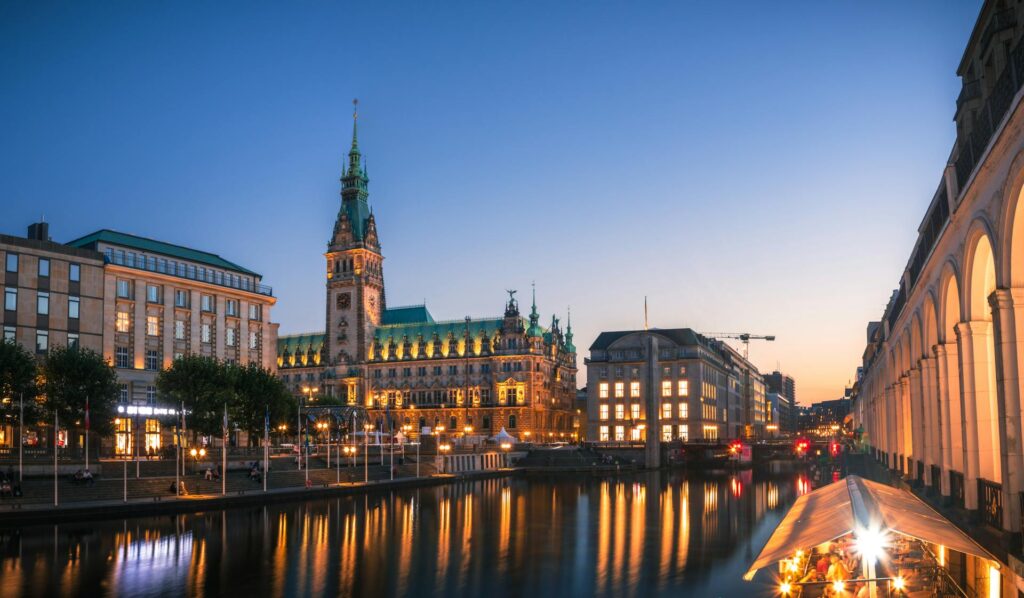
One of the first questions people ask when planning a trip to Europe is surprisingly simple: when is the best time to go?
At first glance, the answer might seem obvious. Summer appears to be the natural choice. The weather is warm, days are long, and images of sunny plazas and outdoor cafés often define the European travel dream.
But after traveling across Europe in different seasons, I’ve realized that the “best” time to visit isn’t always the most popular one. In fact, some of the most memorable trips happen outside the peak summer months.
Timing changes everything. It affects prices, crowds, weather, and even the atmosphere of the places you visit. A city in July can feel entirely different from that same city in October.
Understanding how the seasons shape the travel experience can help you choose the right moment for your own journey.
When Is the Best Time to Visit Europe?
For most travelers, the best time to visit Europe is during the shoulder seasons of late spring (May–June) and early autumn (September–October). During these months, the weather is usually pleasant, major attractions remain open, and the large summer crowds have not yet reached their peak. Prices for flights and accommodation also tend to be lower compared with the busiest summer weeks.
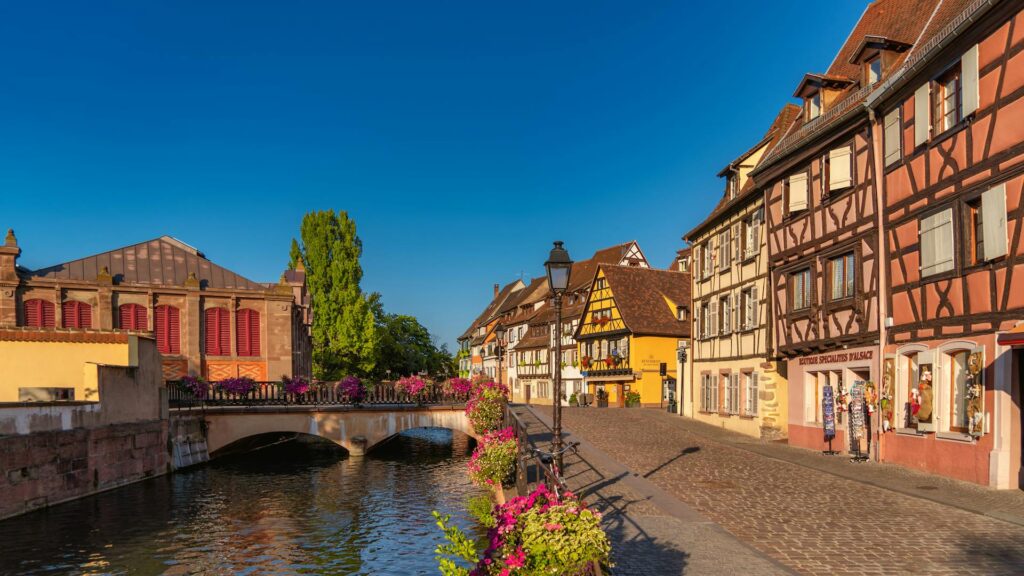
Spring: Europe Begins to Wake Up
Spring is often one of the most pleasant times to visit Europe, especially for travelers who want comfortable weather without the overwhelming crowds of summer.
From March through May, many European cities gradually come back to life after winter. Parks begin to bloom, outdoor terraces reopen, and longer daylight hours make exploring more enjoyable. Temperatures are usually mild, particularly in southern destinations such as Italy, Spain, and Portugal.
One of the most appealing aspects of spring travel is the balance it offers. Popular landmarks remain busy, but they rarely reach the intense crowd levels seen during peak summer months.
Cities like Rome, Paris, and Barcelona feel energetic but still manageable. Walking through historic neighborhoods becomes far more enjoyable when you’re not surrounded by massive tour groups at every corner.
Spring also tends to bring better prices for flights and accommodation, especially in early April and May before the summer travel season fully begins.
For many travelers, this period quietly offers one of the best combinations of good weather, moderate crowds, and reasonable costs.
Articles Recommended:
- Rome for the First Time: A Complete Travel Guide to Italy’s Eternal City
- The Biggest Mistakes First-Time Visitors Make in Europe
Summer: Europe at Its Most Vibrant — and Most Crowded
Summer remains the most popular season to travel across Europe, and it’s easy to understand why.
Between June and August, cities come alive with festivals, open-air concerts, and long evenings filled with outdoor dining and social life. In northern Europe, daylight can stretch far into the evening, creating an atmosphere that feels lively and energetic.
Coastal destinations also reach their peak during this time. Mediterranean beaches in places like Greece, Croatia, and southern Italy attract travelers from around the world who come for warm water and sunny skies.
But the popularity of summer travel comes with trade-offs.
Major cities such as Rome, Venice, and Barcelona can become extremely crowded during July and August. Popular attractions often involve long lines, and accommodation prices tend to rise significantly.
Heat can also become intense, particularly in southern Europe. Walking through historic streets under strong midday sun can be exhausting if you’re not prepared.
For travelers who enjoy a lively atmosphere and don’t mind crowds, summer can still be a fantastic time to visit. But it’s helpful to plan carefully and accept that some places will feel busier than expected.
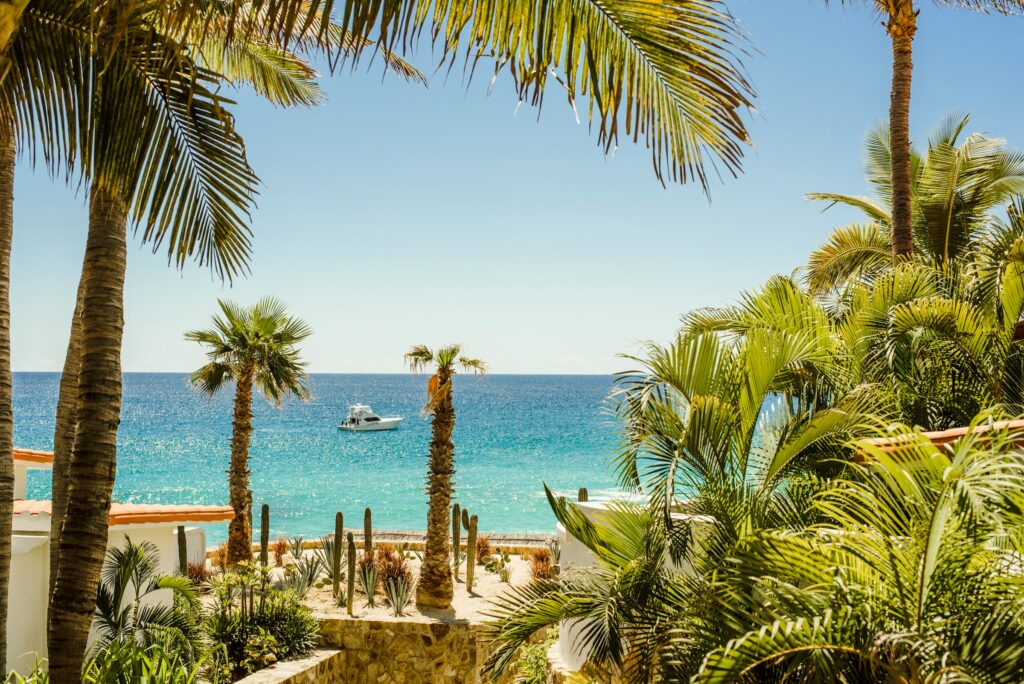
Autumn: A Season Experienced Travelers Love
If you ask frequent travelers about their favorite time to visit Europe, many will quietly mention autumn.
From September through October, many destinations settle into a calmer rhythm after the summer rush. Temperatures remain comfortable in much of the continent, especially in southern regions, and the intense tourist crowds begin to fade.
Cities feel more relaxed, and popular attractions often become easier to visit. Restaurants and cafés remain lively, but the atmosphere feels less hectic than during peak summer months.
Autumn also brings beautiful seasonal changes. Parks fill with golden leaves, vineyards begin their harvest season, and the cooler air makes walking through historic neighborhoods particularly enjoyable.
Another advantage of autumn travel is pricing. As the main tourist season ends, flights and hotels often become more affordable, making it possible to experience some of Europe’s most famous destinations at a lower cost.
For travelers who want a balance of pleasant weather, manageable crowds, and cultural events, autumn can be one of the most rewarding times to explore Europe.
Articles Recommended:
- How Many Days Do You Really Need in Europe?
- Tokyo for the First Time: A Complete Guide to Japan’s Most Dynamic City
Winter: A Different Kind of European Experience
Winter travel in Europe offers a completely different atmosphere compared with the warmer months.
From November through February, many destinations become quieter as tourism slows down. In northern and central Europe, temperatures drop and daylight hours shorten, creating a cozy winter mood.
Cities such as Vienna, Prague, and Budapest become especially charming during the holiday season when Christmas markets fill historic squares with lights, music, and seasonal food.
While winter weather may limit outdoor sightseeing in some areas, the season brings its own advantages. Museums, galleries, and historic buildings often feel far less crowded, allowing visitors to explore them at a more relaxed pace.
Prices for accommodation and flights also tend to drop during winter, making it one of the most budget-friendly times to travel.
Southern destinations such as Spain, Portugal, and parts of Italy remain relatively mild even during winter months, offering a quieter and more peaceful alternative to the busy summer season.
For travelers interested in culture, architecture, and seasonal traditions, winter can reveal a unique side of Europe.

The Hidden Advantage of Shoulder Season
Between the peak and off-peak periods lies what many experienced travelers call shoulder season.
This refers to the months just before or after the busiest travel periods, typically late spring and early autumn. During these times, the advantages of both high and low seasons begin to overlap.
Weather remains pleasant in most regions, yet crowds are noticeably smaller than in the middle of summer. Prices for flights and accommodation are also more manageable.
Late May, early June, and September often represent the sweet spot for European travel. Cities remain vibrant, outdoor dining is still common, and the pace of tourism feels more comfortable.
Traveling during shoulder season allows visitors to enjoy the beauty of Europe without the intensity that sometimes accompanies peak travel months.
Articles Recommended:
Choosing the Right Time for Your Travel Style
Ultimately, the best time to visit Europe depends on what kind of travel experience you are looking for.
Some travelers prioritize warm weather and lively festivals, making summer the ideal season for them. Others prefer a quieter atmosphere where historic streets and cultural sites can be explored without large crowds.
Budget considerations also play a role. Traveling outside the busiest months can significantly reduce costs while still offering excellent experiences.
For travelers who enjoy photography, culture, and slow exploration, spring and autumn often provide the most balanced conditions.
Europe’s diversity means there is no single perfect moment for everyone. Each season offers a slightly different perspective on the continent.
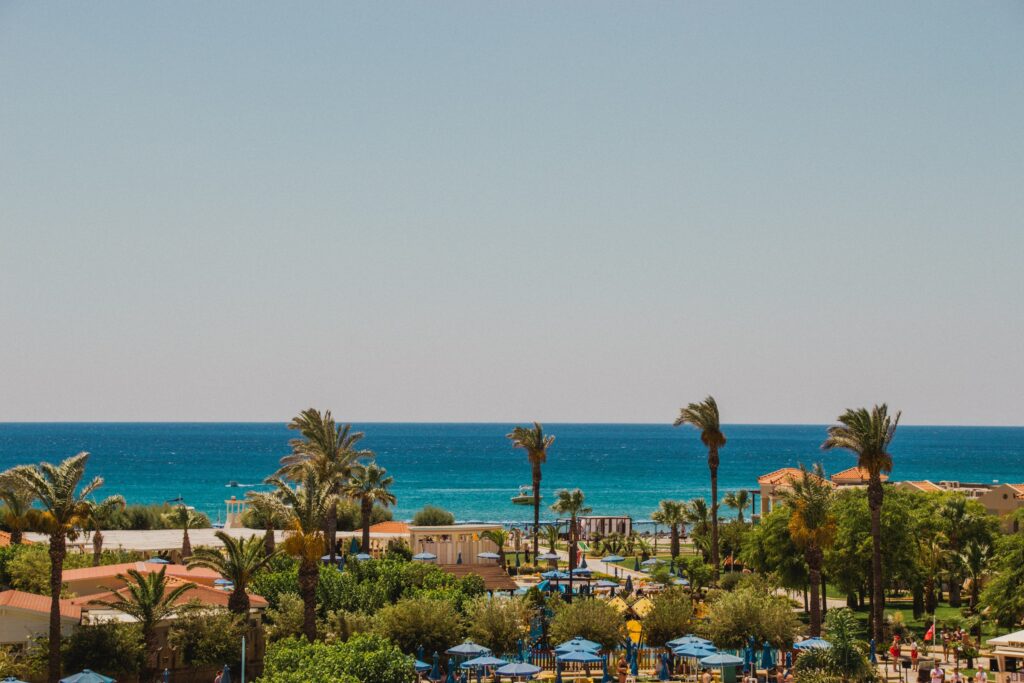
Where to Travel in Europe During Each Season
While Europe can be visited year-round, certain regions shine during specific seasons. Choosing the right destination for the time of year can dramatically improve the travel experience.
During spring, southern Europe often offers the most comfortable weather. Countries such as Italy, Spain, Portugal, and Greece enjoy warm sunshine without the intense summer heat. Cities like Rome, Barcelona, and Lisbon feel lively yet manageable, making spring an ideal time for exploring historic neighborhoods and outdoor cafés.
In summer, northern and coastal regions tend to be the most enjoyable. Scandinavia, the Alps, and destinations along the Adriatic Sea provide pleasant temperatures and long daylight hours. Cities like Copenhagen, Stockholm, and Dubrovnik come alive during this period, while Mediterranean islands attract travelers looking for beaches and vibrant nightlife.
Autumn is often perfect for cultural cities and wine regions. Places like Tuscany, southern France, and central Europe become especially beautiful as vineyards enter harvest season and parks turn golden. Cities such as Prague, Budapest, and Vienna feel atmospheric and relaxed after the summer crowds fade.
During winter, travelers often gravitate toward two very different experiences. Northern Europe offers festive Christmas markets and snowy scenery in cities like Vienna, Munich, and Prague. Meanwhile, southern destinations such as Portugal, southern Spain, and parts of Italy remain relatively mild, making them excellent choices for travelers who prefer quieter sightseeing with fewer tourists.
By matching the region to the season, travelers can enjoy Europe at its most comfortable and rewarding.
Articles Recommended:
Final Thoughts
Europe changes with the seasons, and each period reveals a different version of the continent.
Summer may showcase the liveliest energy, but spring brings renewal, autumn offers calm beauty, and winter reveals a quieter cultural depth. The best time to visit ultimately depends on the experience you hope to have.
For many travelers, the most rewarding trips come when they move slightly outside the obvious peak months. With fewer crowds, more manageable prices, and a slower rhythm of exploration, Europe often feels more authentic during these moments.
Choosing the right month can transform a trip from simply enjoyable into truly unforgettable.
Written & updated by Matteo — Travelupo
