
A Practical, Honest Guide to Visiting Barcelona for the First Time
Barcelona is one of those cities that people think they already understand.
The beaches. The Gaudí architecture. The tapas. The late nights. The effortless Mediterranean energy.
And yet, almost every first-time visitor I’ve spoken to — including myself on my first visit — arrives with expectations that don’t quite match reality. Barcelona is beautiful, yes. But it’s also complex, layered, and occasionally overwhelming in ways that glossy images don’t prepare you for.
The key to enjoying Barcelona isn’t squeezing in every landmark.
It’s understanding how the city actually works.
The City Is Bigger Than It Looks
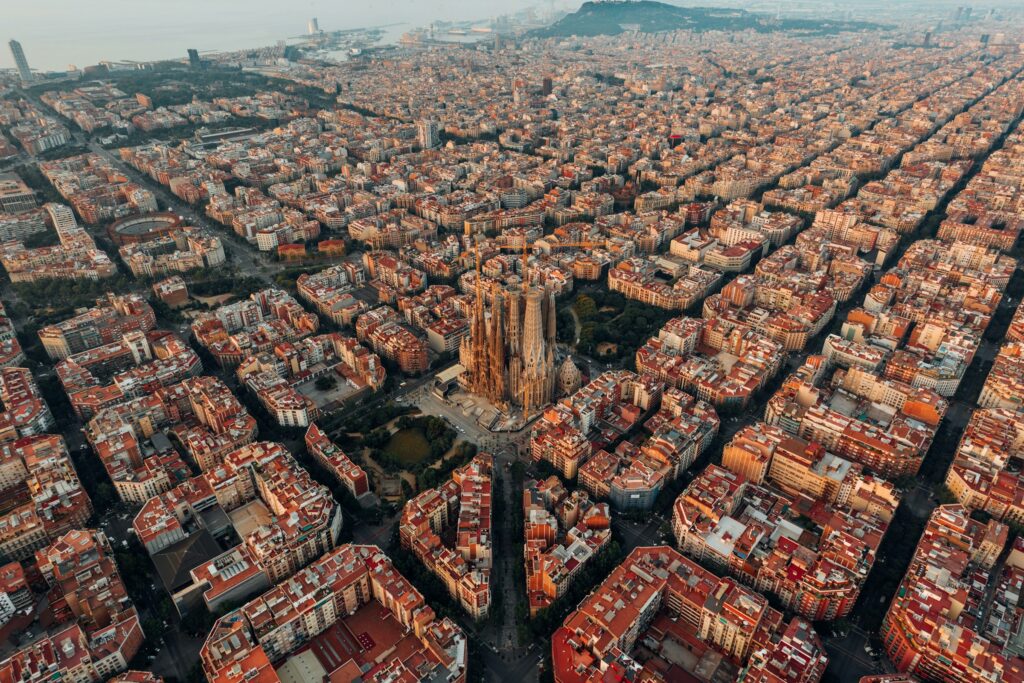
On a map, Barcelona appears compact. The grid of the Eixample looks orderly. The Gothic Quarter seems clustered. The beach runs conveniently along the edge.
But walking Barcelona reveals its scale differently.
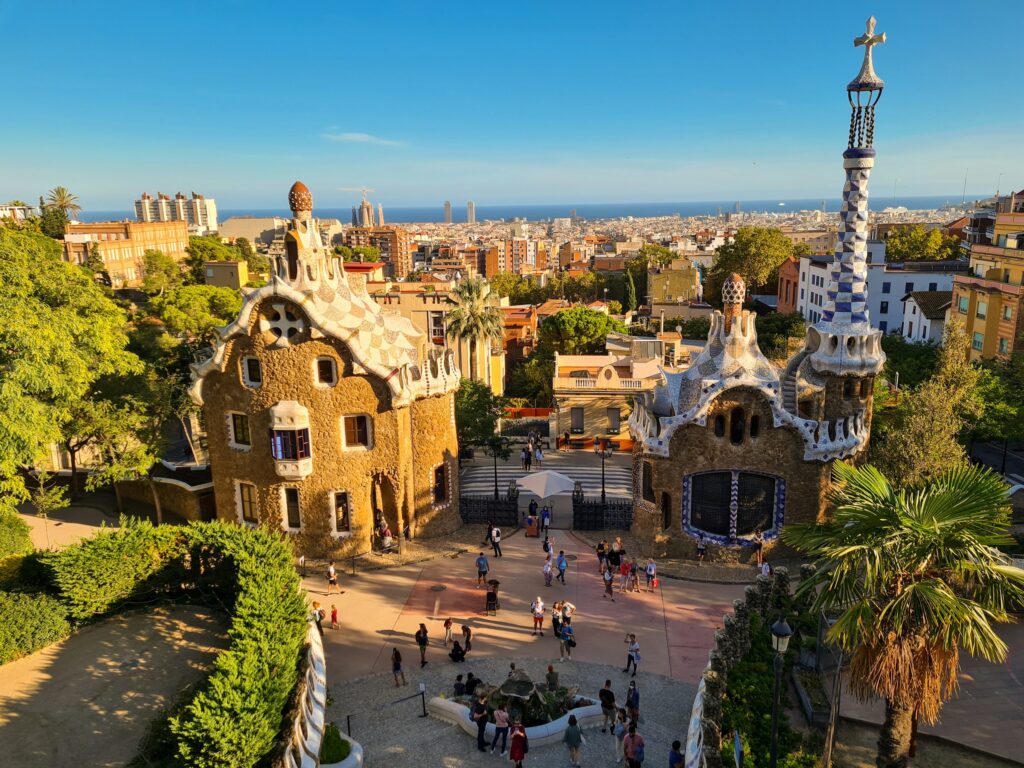
Distances stretch longer than expected under the sun. The transition from the medieval alleys of El Born to the wide boulevards of Passeig de Gràcia shifts the rhythm completely. The climb toward Park Güell feels steeper in person than in photographs.
What surprised me most on my first visit was how much planning movement matters. Barcelona rewards those who move deliberately — grouping neighborhoods rather than zigzagging across them. It’s not a city that unfolds best in frantic checklist mode.
When approached with patience, it begins to feel balanced.
Gaudí: Spectacular, But Not the Whole Story
No visit to Barcelona is complete without experiencing Antoni Gaudí’s work. That part is true.
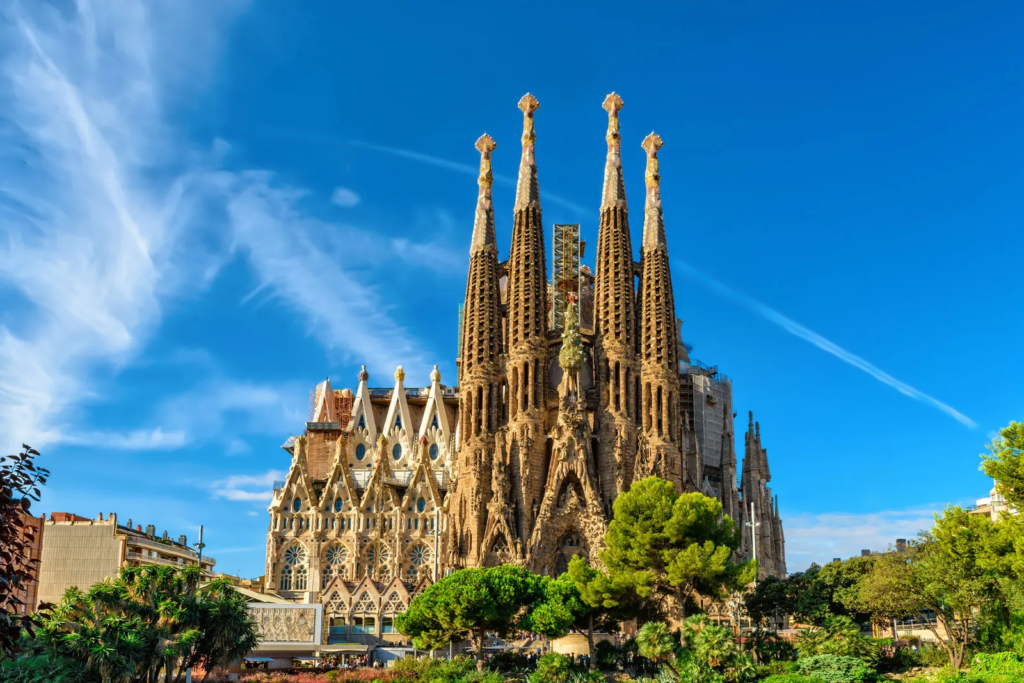
The Sagrada Família is genuinely extraordinary. It doesn’t feel like a monument; it feels alive — light filtering through colored glass in ways that feel almost cinematic. Casa Batlló and Casa Milà display imagination rarely matched in European architecture.
But here’s what first-time visitors often miss: Gaudí is one layer, not the city itself.
If you only move between architectural highlights, you risk seeing Barcelona as a museum rather than a living city. What makes Barcelona compelling is the contrast between ornate design and everyday life — laundry hanging from balconies, corner cafés filled with locals, the quiet afternoon lull when shutters partially close.
Gaudí draws you in. The streets around him give you context.
Articles Recommended:
- Why Shoulder Season Travel in Europe Is Smarter Than Summer
- Best European Cities to Visit in May (Warm Weather, Fewer Crowds & Better Prices)
The Gothic Quarter Isn’t the Entire Old City
Many travelers assume the Gothic Quarter defines historic Barcelona. It is atmospheric, undeniably. Narrow stone lanes, hidden courtyards, cathedral facades — it carries the weight of centuries.
But it is also the epicenter of tourism.
Step slightly outward into El Born and you’ll notice the shift. The same historic texture exists, but the atmosphere relaxes. Small galleries appear. Restaurants feel less transactional. Conversations spill into streets more naturally.
Barcelona reveals itself gradually. The deeper you walk — away from souvenir-heavy corridors — the more nuanced it becomes.
The Beach Is a Bonus, Not the Main Attraction
One of Barcelona’s greatest advantages over cities like Paris or Rome is its coastline. The idea of combining culture with sea air is appealing, and in many ways it works beautifully.
But expectations matter.
Barcelona’s urban beaches are lively and energetic, not secluded Mediterranean coves. In peak summer, they can feel crowded and noisy. The water is refreshing, but the atmosphere leans social rather than tranquil.
When I first visited in late May, the beach felt like a welcome extension of the city — a place to sit, breathe, and reset between explorations. When I returned in August, it felt closer to a festival.
Timing changes the experience dramatically.
Articles Recommended:
- European Destinations That Are Perfect for a First-Time Solo Trip
- European Destinations That Feel Expensive but Aren’t
Food Culture Beyond the Tapas Narrative
Barcelona’s food reputation often gets reduced to tapas and sangria. That framing undersells it.
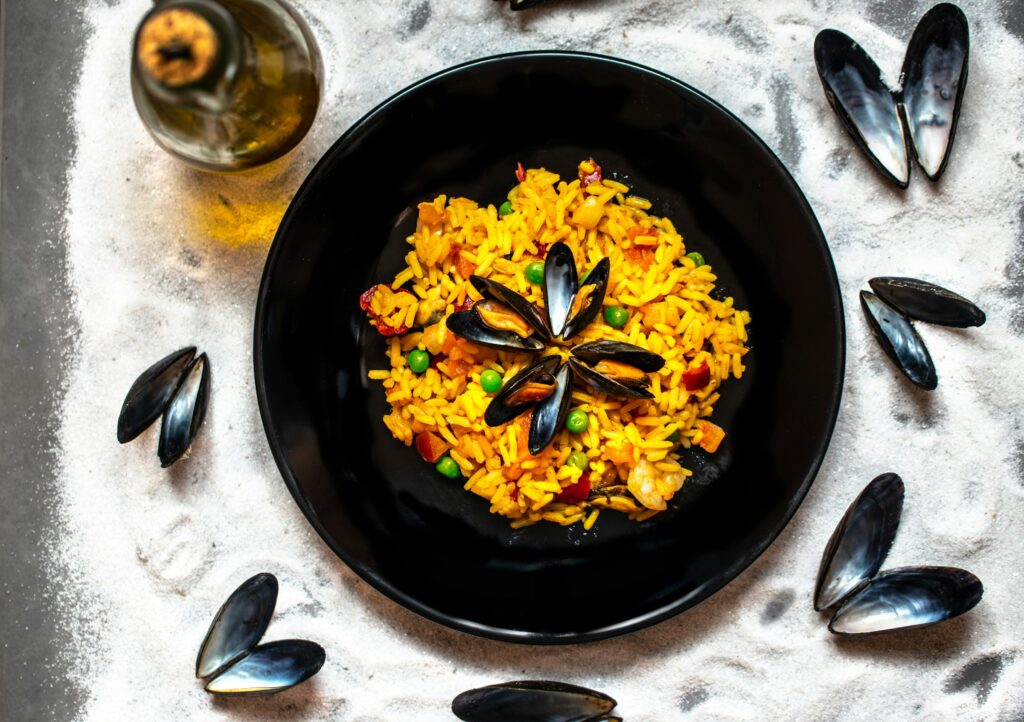
Yes, small plates and vermouth culture are part of local life. But Catalan cuisine has its own identity — rooted in seafood, rice dishes, seasonal vegetables, and bold but balanced flavors.
What stood out to me wasn’t the trend-driven restaurants, but the neighborhood spots filled with regulars. Lunch stretches long. Dinner starts late. There’s a rhythm that resists rushing.
One evening in Gràcia, I found myself in a modest restaurant where the menu wasn’t translated and the owner gently guided us through the day’s offerings. That kind of experience rarely appears in “Top 10” guides, yet it defines the memory of the city.
Barcelona rewards curiosity more than checklists.
When Barcelona Feels Overwhelming
It would be dishonest to pretend Barcelona is always effortless.
In peak summer, parts of the city can feel saturated. La Rambla becomes a river of movement. Popular attractions require advance reservations. Heat intensifies fatigue.
There’s also the reality of overtourism tensions. Barcelona has openly grappled with the pressures of visitor volume. Being aware of that context — respecting neighborhoods, avoiding noise late at night, choosing local businesses thoughtfully — matters.
Understanding that you are a guest, not just a consumer, shifts the tone of your visit.
Articles Recommended:
- Coastal Towns Around the World That Are Better in Spring Than Summer
- Most Underrated European Beach Towns to Visit in Spring 2026
The Best Time to Visit (Realistically)
If I had to choose one month to recommend for first-time visitors, it would be May or late September.
The weather is warm enough for outdoor life without the intensity of mid-summer heat. The sea begins to feel inviting. The city maintains its energy, but the edges soften.
Winter has its own charm — quieter streets and cultural focus — but Barcelona is built around light. Spring and early autumn allow that light to shape the experience without overwhelming it.
Timing, in this city, is everything.
The Neighborhoods That Change the Narrative
Barcelona is not defined by one central core.
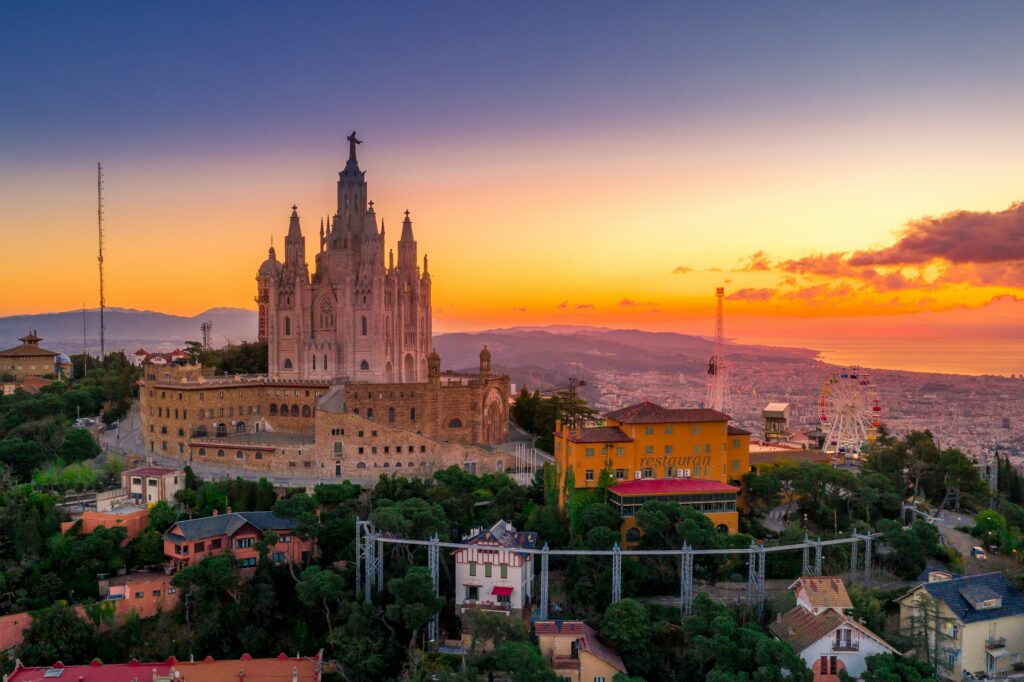
Gràcia feels almost village-like, independent and residential. El Poblenou blends industrial past with creative present. The Eixample grid, often seen as purely functional, reveals elegant façades and some of the city’s best dining.
Exploring these areas without a rigid agenda is often more rewarding than standing in line for another landmark.
The city’s identity lies in its transitions — from medieval to modernist, from beach to boulevard, from tourist-heavy to quietly local.
Articles Recommended:
- Affordable Spring Getaways in Europe for Under €500 (2026 Guide)
- Affordable Exotic Destinations for Winter 2025–2026 (Long-Haul Sun Worth the Flight)
Common First-Time Mistakes
Many first-time visitors compress too much into too little time. Barcelona encourages lingering, but rushed itineraries remove that possibility.
Another common mistake is underestimating distances. The city invites walking, but thoughtful planning prevents exhaustion.
Finally, many travelers stay exclusively near major attractions. Venturing slightly outward often yields the most memorable moments.
Barcelona isn’t difficult. It simply benefits from moderation.
Why Barcelona Endures
Despite its challenges — crowds, rising costs, political complexity — Barcelona remains magnetic.
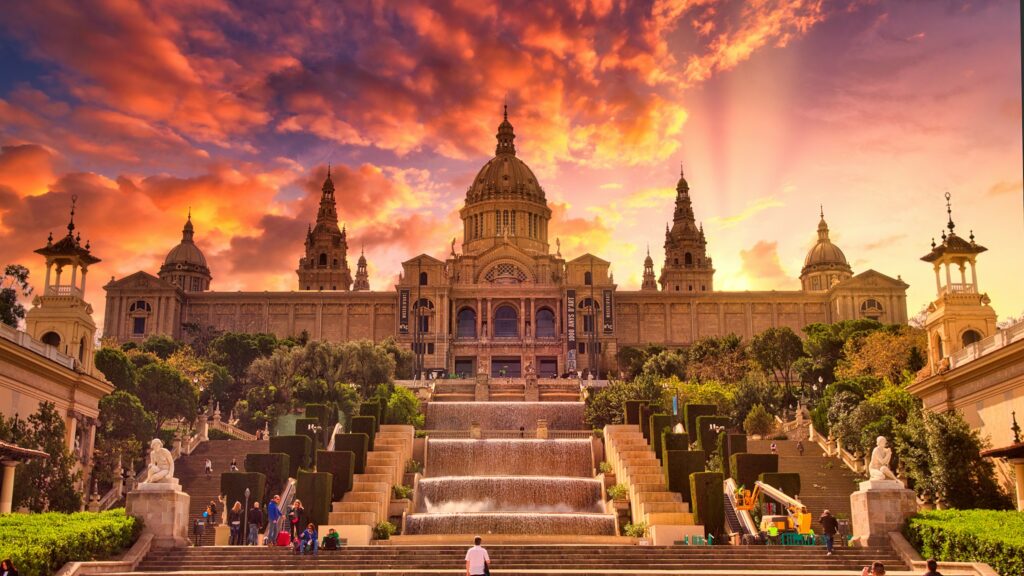
It offers architectural imagination that feels playful rather than rigid. It blends urban structure with coastal openness. It balances tradition with creative evolution.
But its real strength lies in how it feels when experienced at the right pace.
Sit long enough in Plaça del Sol in the early evening and you’ll notice something subtle: conversations deepen, light softens, music drifts lightly from nearby bars. The city doesn’t demand spectacle. It offers texture.
And that texture is what stays with you.
Articles Recommended:
- Affordable Warm Destinations for Winter 2025–2026 (Without Long-Haul Flights)
- Quiet & Affordable European Spring Destinations Away from Big Cities
Barcelona Beyond the First Visit
What surprised me most about Barcelona wasn’t what I saw — it was how differently the city felt the second time I returned.
On my first visit, I focused on landmarks. I timed entries, checked opening hours, navigated between neighborhoods with purpose. The trip was rewarding, but structured. When I returned months later, I approached the city differently. I skipped certain attractions. I allowed entire afternoons to unfold without direction. I spent more time in Gràcia than near La Rambla. I revisited the beach at sunrise rather than mid-afternoon. The city felt softer, more layered, less performative.
That shift taught me something important about Barcelona: it’s a city that rewards familiarity. It doesn’t reveal itself entirely in a single weekend. Its real character lives in small transitions — the way light changes on Eixample façades, the quiet hum of early-morning cafés before tourists arrive, the subtle shift in language and identity between Catalan and Spanish signage. These are details that don’t announce themselves loudly, but once noticed, they deepen the experience considerably.
For first-time visitors, that’s reassuring. You don’t need to see everything. Barcelona isn’t a city you “complete.” It’s one you begin to understand — and perhaps return to, differently, another time.
Final Thoughts
Barcelona is neither overrated nor effortless. It’s a city that rewards awareness.
If you arrive expecting a postcard, you may feel underwhelmed. If you arrive prepared to observe — to move slowly, to wander neighborhoods beyond the obvious, to time your visit thoughtfully — Barcelona reveals itself in layers.
For first-time visitors, the smartest approach isn’t intensity. It’s balance.
And once you find that balance, the city feels less like a checklist destination and more like a place you understand.
Written & updated by Matteo — Travelupo
