
A Foodie’s Guide to Barcelona: What to Eat and Where to Start
The first time I arrived in Barcelona, I thought I had a clear idea of what I would eat.
Tapas, paella, maybe something by the beach.
But within the first day, I realised something important — Barcelona’s food scene isn’t just about dishes. It’s about timing, atmosphere, and the way people experience food together. Meals stretch longer, flavours feel simpler but more intentional, and eating becomes part of the rhythm of the city.
If you’re planning a trip, this guide will help you understand not just what to eat, but how to experience Barcelona properly.
Starting at La Boqueria — but avoiding the mistake most people make
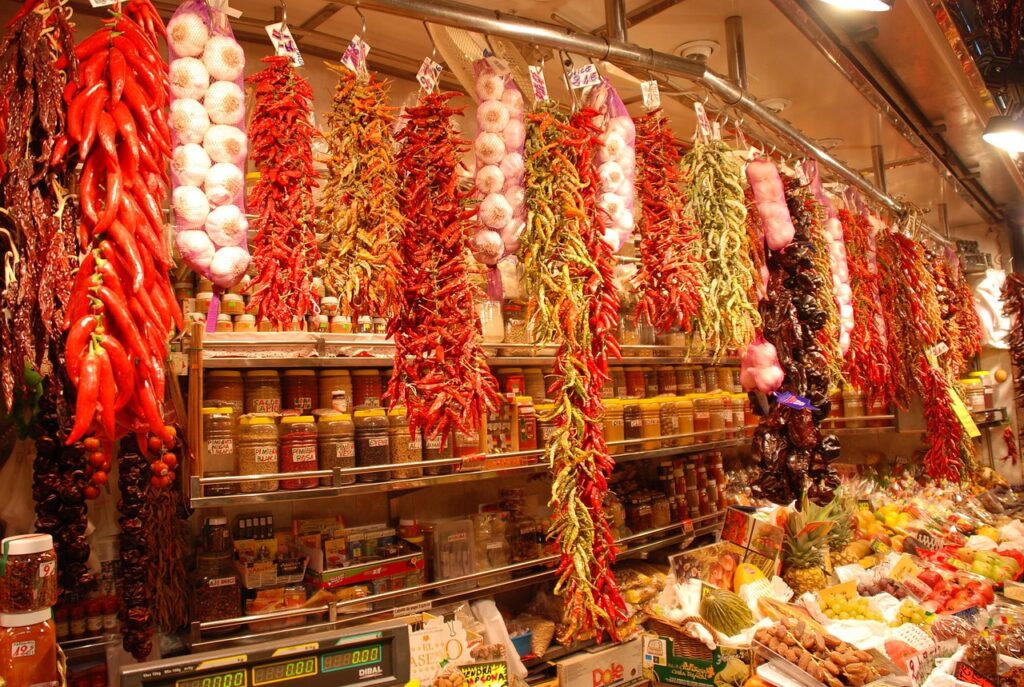
La Boqueria is one of the most famous food markets in Europe, and it’s usually the first stop for visitors.
It’s worth visiting — but only if you approach it the right way.
Go early in the morning, before it becomes crowded. That’s when the market feels authentic, when locals are still shopping, and when the stalls are at their best.
Walk through slowly and try small things rather than sitting for a full meal. Fresh fruit juices, slices of jamón ibérico, local cheeses, and olives give you a better sense of the region than any single dish would.
Later in the day, the market becomes busy and loses part of its charm. Timing here makes all the difference.
Understanding tapas culture in Barcelona
One of the biggest misunderstandings I had at the beginning was thinking of tapas as a full meal.
In Barcelona, tapas are meant to be shared, and more importantly, they are meant to be experienced across different places.
A typical evening involves moving from one bar to another, trying a few dishes at each stop. It’s a slower, more social way of eating.
Classic dishes like patatas bravas, tortilla, croquetas, and pan con tomate appear everywhere, but the quality varies depending on where you go. It’s worth stepping away from the most crowded streets and exploring neighbourhood spots instead.
Instead of sangria, which is often aimed at tourists, most locals drink vermouth or wine with their food. That small detail alone changes the experience.
Articles Recommended:
- A Practical, Honest Guide to Visiting Barcelona for the First Time
- How to Plan Your First Trip to Europe: A Complete Guide
The truth about paella in Barcelona
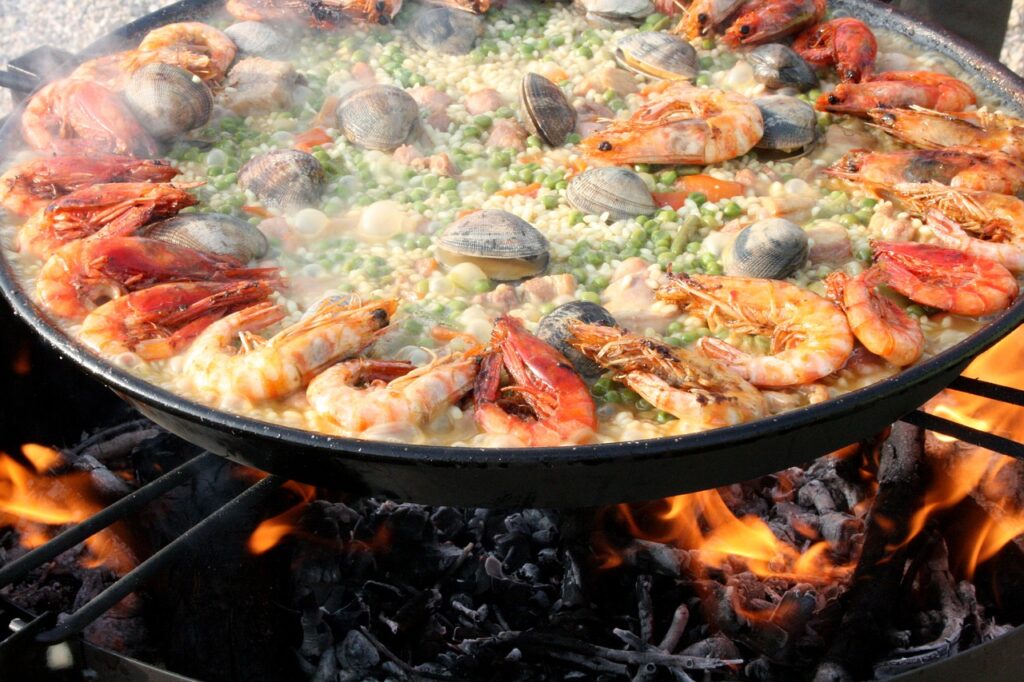
Paella is one of the most searched foods when it comes to Barcelona, but it’s important to understand that it doesn’t originate here.
It comes from Valencia, and while you can find good versions in Barcelona, you need to be selective.
Restaurants that display photos of paella outside or are located in very tourist-heavy areas tend to prioritise convenience over quality. A good paella is cooked fresh, has a rich flavour, and often includes a slightly crispy layer of rice at the bottom.
It is also traditionally eaten at lunch rather than dinner, which is something many visitors don’t realise.
Choosing the right place makes a noticeable difference.

Eating by the sea — worth it if you choose carefully
Barcelona’s coastline offers some great dining experiences, but it can also be inconsistent.
Some beachfront restaurants are overpriced and designed for quick turnover. Others, especially slightly away from the busiest areas, offer a much better balance of quality and atmosphere.
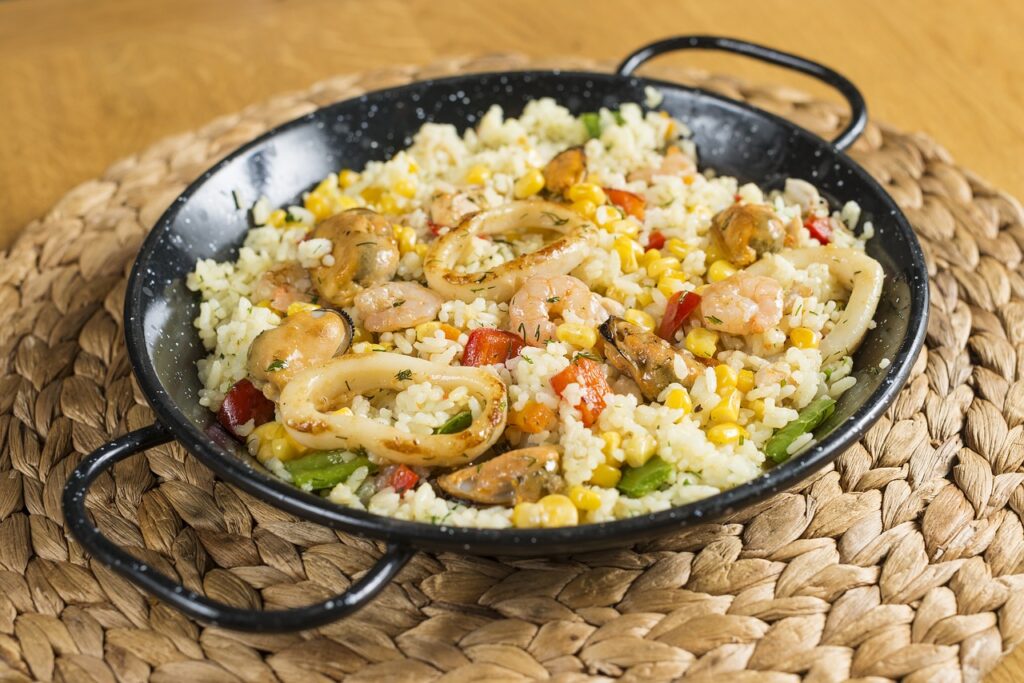
Grilled seafood, simple rice dishes, and a glass of wine by the water can easily become one of the highlights of your trip.
Walking just a few minutes further from the main tourist zones often leads to noticeably better food.
Articles Recommended:
- How Many Days Do You Really Need in Europe?
- Best Budget Food Destinations Around the World (Eat Well for Less in 2026)
A more local experience in Poble-Sec
One of the most enjoyable food experiences I had in Barcelona wasn’t planned at all.
It happened in Poble-Sec, along Carrer Blai, where the focus shifts to pintxos — small bites typically served on bread and held together with a skewer.
The concept is simple. You take what you want, keep the sticks, and pay at the end.
It’s informal, social, and much closer to how locals actually spend their evenings. The variety is wide, and the atmosphere feels relaxed compared to more central areas.
Is fine dining necessary in Barcelona?
Barcelona is home to several internationally recognised restaurants, including Michelin-starred options.
They offer creative interpretations of traditional Catalan cuisine and can be memorable experiences.
However, what stood out to me was that you don’t need fine dining to enjoy the city’s food scene. Some of the best meals come from small, unpretentious places where the focus is simply on good ingredients and proper preparation.
Fine dining can be worth it for a special occasion, but it’s not essential to understanding Barcelona’s food culture.
Articles Recommended:
- Best Food Cities in Europe for 2026 — Eat Well Without Overspending
- How to Plan a 2-Week Europe Itinerary (Step-by-Step)
Desserts and café culture
Barcelona’s dessert scene is often overlooked, but it deserves attention.
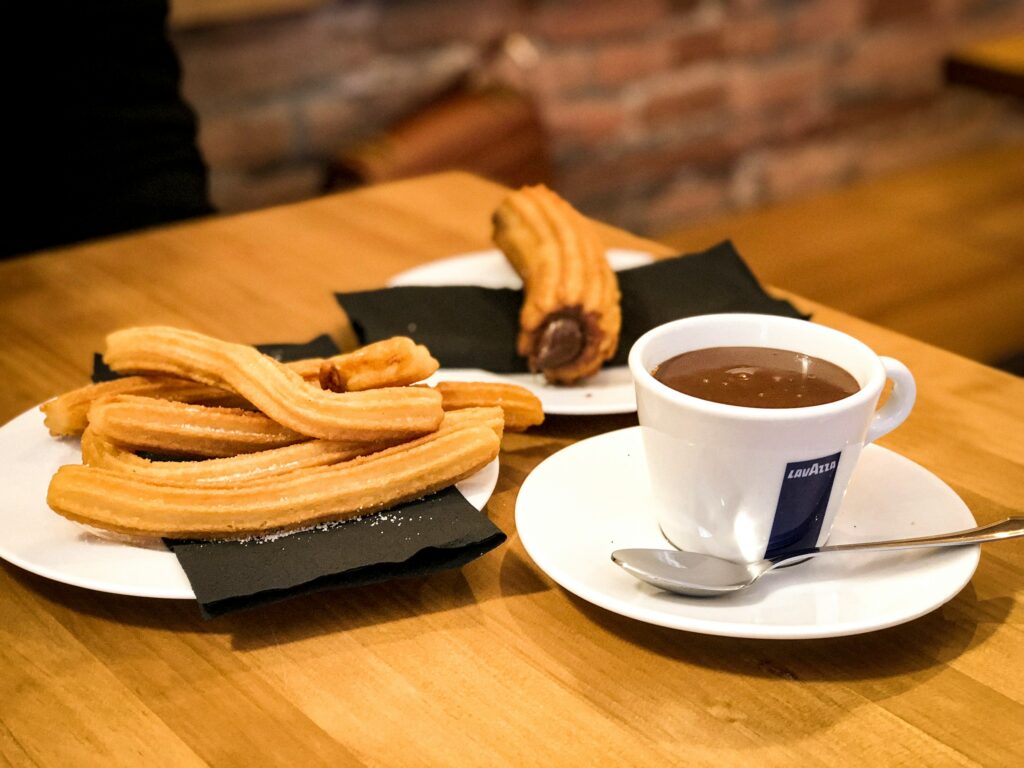
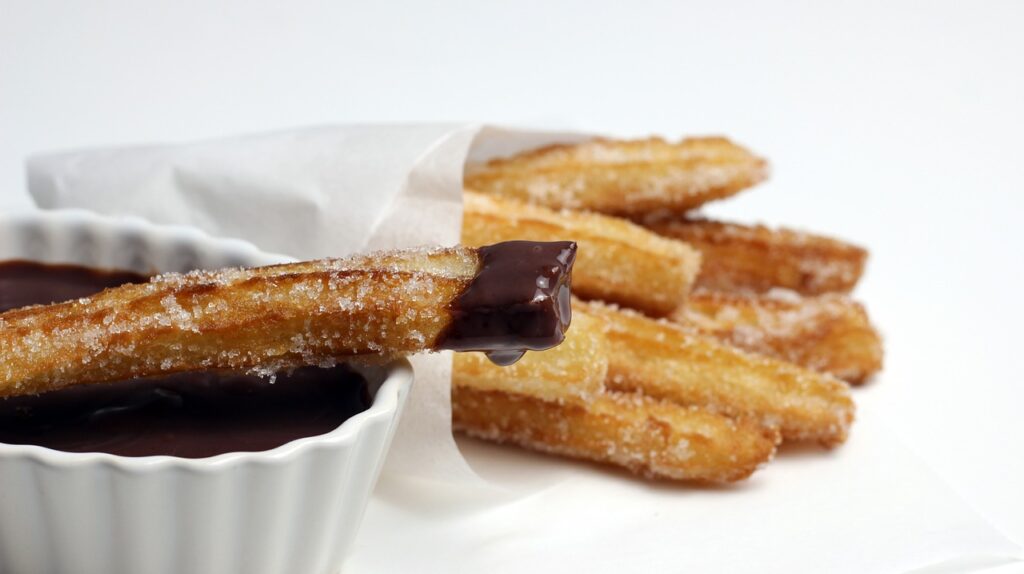
Traditional options like crema catalana and churros with chocolate are widely available, but the quality varies depending on where you go. Small bakeries and cafés tend to offer the best versions.
Taking time to sit in a café and have a cortado is part of the experience. It’s not just about the dessert or the coffee — it’s about slowing down and enjoying the moment.
Evening:
Experience Barcelona’s laid-back beach culture at the chiringuitos, beachside eateries offering a range of seafood delights. Indulge in grilled sardines, seafood paella, and fresh seafood platters while enjoying the sunset and the soothing sound of the Mediterranean waves.
How expensive is food in Barcelona?
Barcelona is relatively flexible when it comes to budget.
It’s possible to eat very well without spending much, especially if you avoid tourist-heavy areas and choose local neighbourhood spots. Sharing dishes also helps keep costs down.
At the same time, there are plenty of high-end options if you want a more refined experience.
Compared to many other Western European cities, Barcelona offers good value for the quality of food you get.
Articles Recommended:
- Rome for the First Time: A Complete Travel Guide to Italy’s Eternal City
- Tokyo for the First Time: A Complete Guide to Japan’s Most Dynamic City
What makes Barcelona stand out as a food destination
What makes Barcelona unique is the balance it offers.
You have access to fresh Mediterranean ingredients, strong culinary traditions, and modern creativity all within the same city. It doesn’t feel overly formal, and it doesn’t feel overly commercial either.
You can move between simple meals and more refined experiences without feeling like you need to change your approach.
That balance is what makes Barcelona one of the most complete food destinations in Europe.
Final thoughts
Barcelona is not a city where you rush from one meal to another.
It’s a place where food becomes part of your day, where meals stretch longer than expected, and where the experience matters just as much as the dish itself.
If you approach it with that mindset, you’ll get far more out of it than simply following a list of places to eat.
Written & updated by Matteo — Travelupo
