Discover the world. Create memories that last a lifetime.

Travel guides, hidden gems, and smart itineraries to help you explore better.
A 7-Day Paris Itinerary for First-Time Visitors


A 7-Day Paris Itinerary for First-Time Visitors
Paris is one of those cities that rarely matches expectations — because it often exceeds them.
It’s not just about landmarks like the Eiffel Tower or the Louvre. It’s the rhythm of the city, the cafés, the streets, and the way everything feels connected.
Planning a full week in Paris gives you the rare opportunity to go beyond the highlights and actually experience the city at a more natural pace.
If it’s your first visit, this itinerary focuses on balance — combining iconic sights with neighbourhoods, culture, and time to simply enjoy being there.
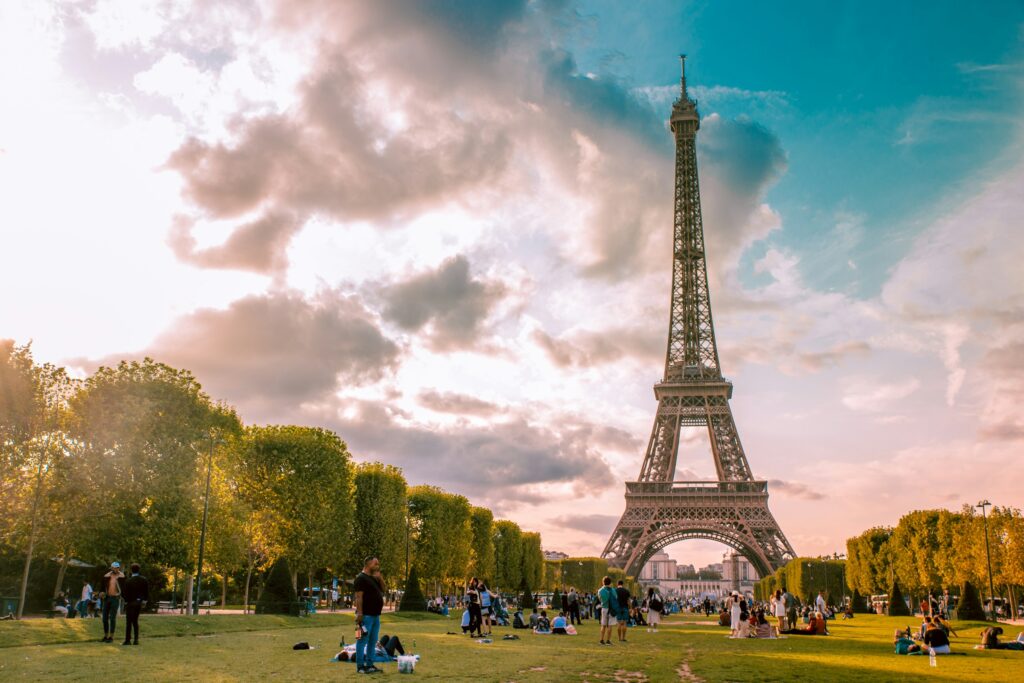
Day 1 — First Impressions and the Eiffel Tower
The first day in Paris should be simple.
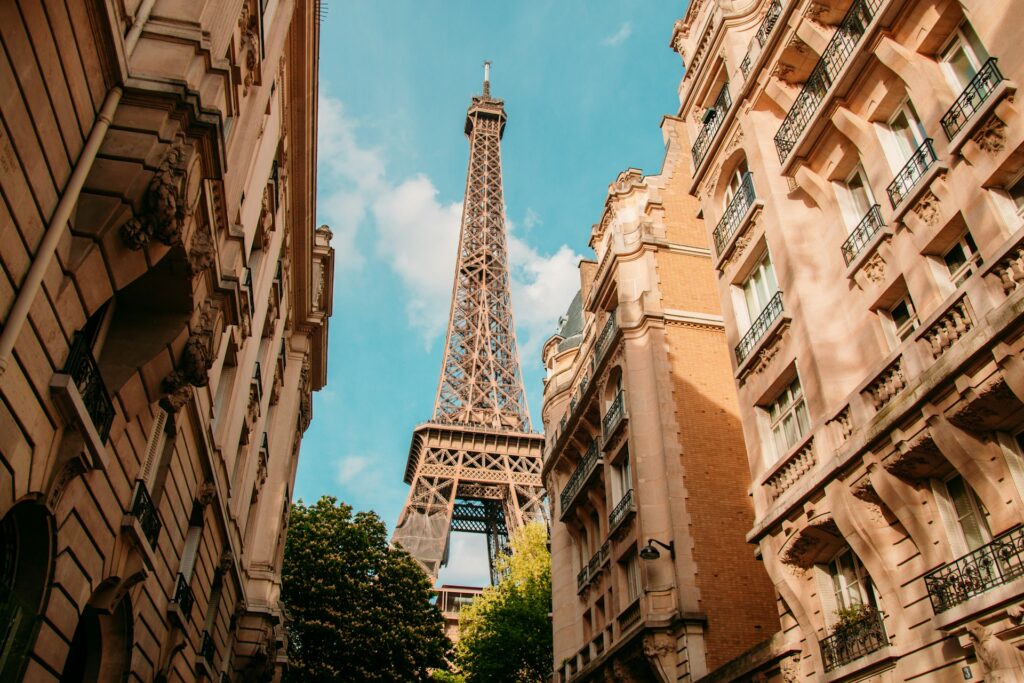
Start with the Eiffel Tower, not just as a landmark, but as a way to orient yourself. Seeing the city from above gives you a better understanding of how everything fits together.
From there, walk toward the Seine and continue in the direction of the Champs-Élysées. The avenue itself is busy and commercial, but it leads naturally to the Arc de Triomphe, where another viewpoint offers a different perspective of Paris.
Keep the pace relaxed. The goal of the first day is not to see everything, but to adjust to the city.
Day 2 — Île de la Cité and the Historic Centre
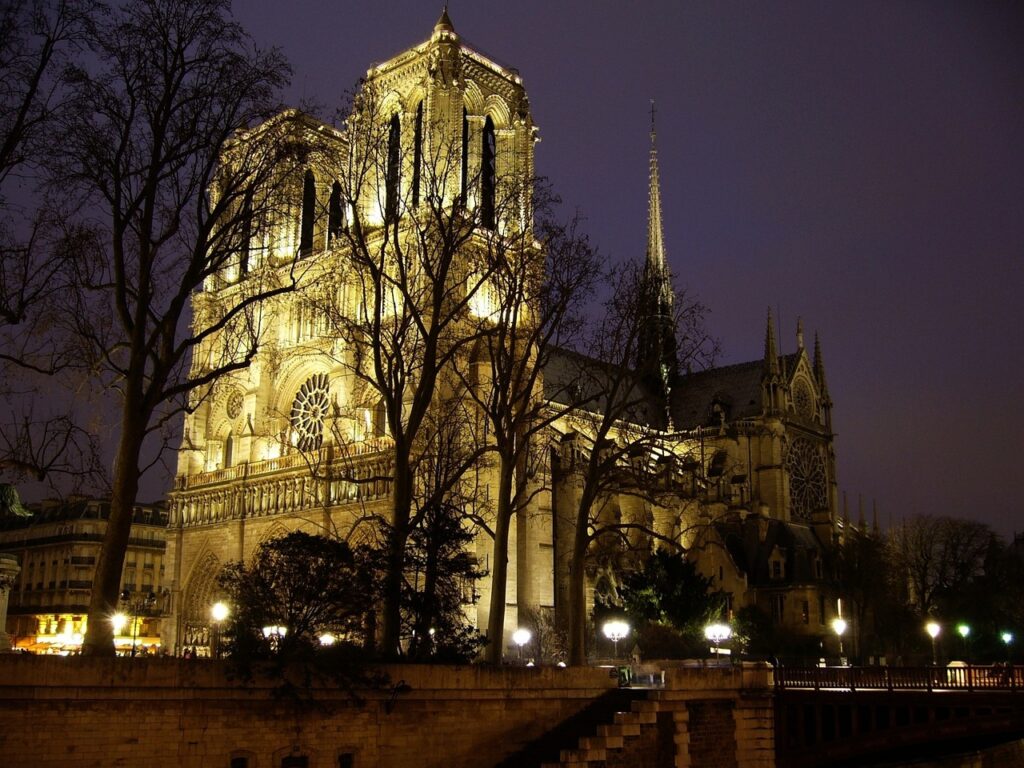
The second day focuses on the origins of Paris.
Île de la Cité is where the city began, and walking through it feels more compact and historic. Even after the fire, Notre-Dame remains one of the most important landmarks to visit from the outside.
Nearby, Sainte-Chapelle offers one of the most impressive interiors in the city, especially when the light passes through the stained glass.
From there, continue toward the Marais district. This area combines history with a more modern energy — small streets, shops, and cafés that feel less formal than central Paris.
Articles Recommended:
- A First-Time Guide to Cape Town: What to See and Do
- Things to Do in Krakow: A Complete Guide to the City’s Highlights
Day 3 — The Louvre and Montmartre
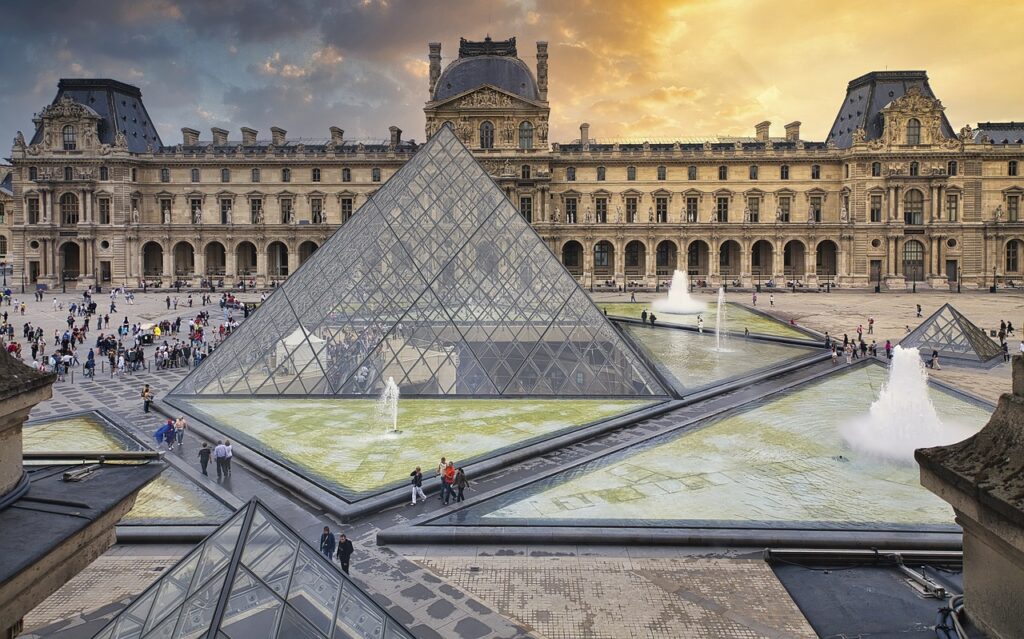
The Louvre requires time.
Instead of trying to see everything, focus on a few key sections. The scale of the museum makes it impossible to cover in one visit, so choosing what to see helps avoid fatigue.
Afterward, move toward Montmartre.
The contrast is immediate. The area feels more relaxed, more artistic, and slightly removed from the rest of the city. Walking up toward Sacré-Cœur gives you one of the best views of Paris.
Spending the evening here, rather than rushing back to the centre, makes the experience more complete.
Day 4 — A Day Trip to Versailles
Leaving the city for a day changes the rhythm of the trip.
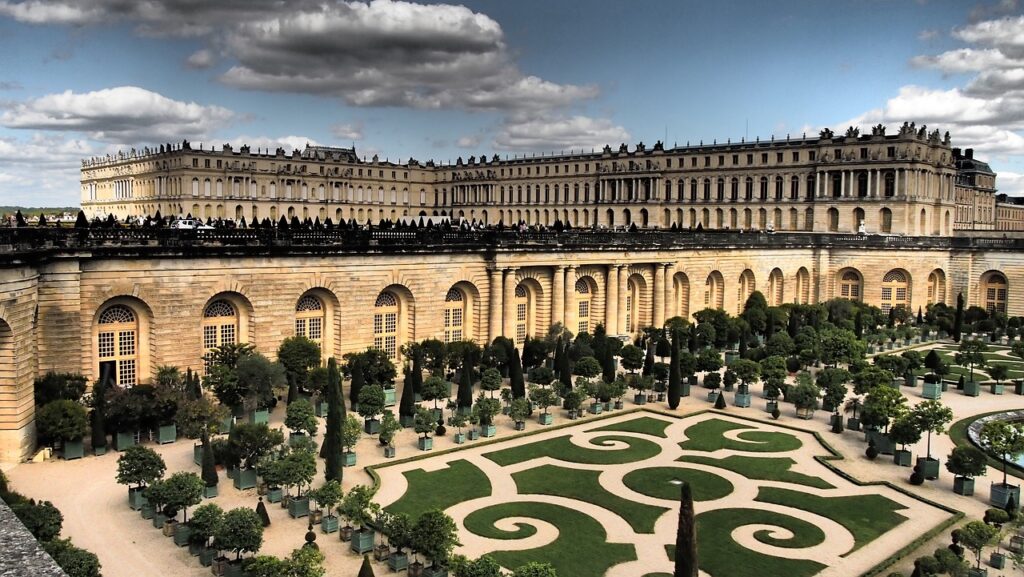
The Palace of Versailles is about 45 minutes from Paris, but it feels much further in atmosphere. The scale of the palace and its gardens is difficult to fully grasp until you walk through it.
The Hall of Mirrors is the most well-known space, but the gardens are just as important. Taking time to walk through them allows you to slow down after several days in the city.
It’s a full-day visit, so keeping the rest of the schedule light is important.
Day 5 — Saint-Germain and the Musée d’Orsay
Saint-Germain-des-Prés offers a different version of Paris.
It’s known for cafés, small streets, and a more intellectual atmosphere. Sitting down for coffee here feels like part of the experience, not just a break.
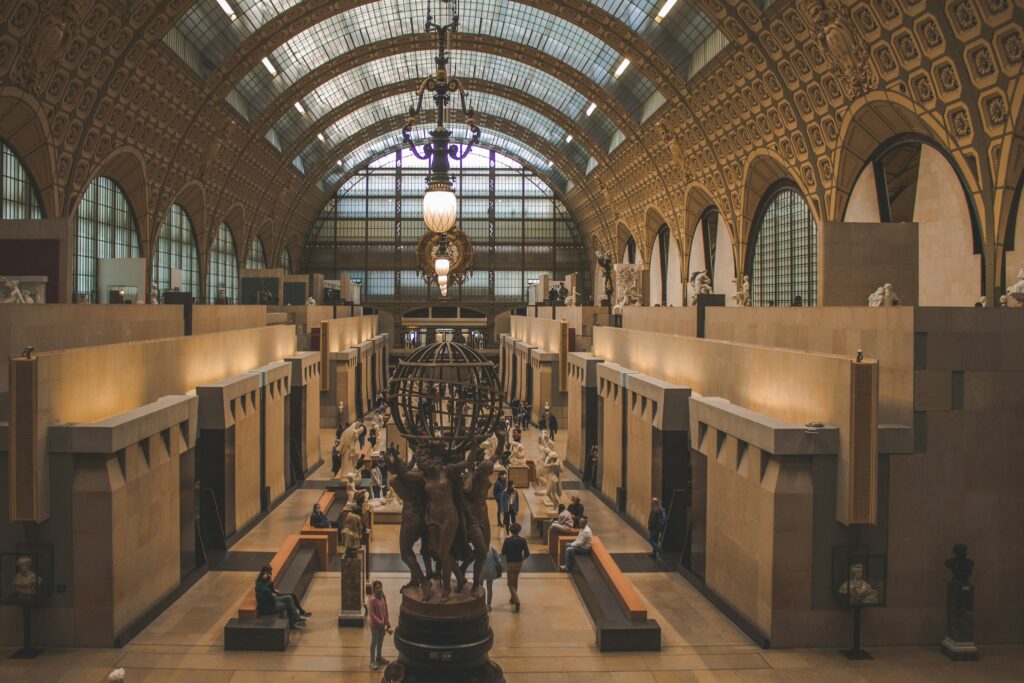
Nearby, the Musée d’Orsay provides a more focused museum experience compared to the Louvre. The building itself, a former train station, adds to the atmosphere.
From inside, the large clock windows offer one of the most recognisable views over the Seine.
Articles Recommended:
- One Day in Cairo: A Simple Itinerary for First-Time Visitors
- Places to Visit in Japan for First-Time Travelers
Day 6 — Canal Saint-Martin and a Slower Pace
By the sixth day, slowing down becomes essential.
The Canal Saint-Martin area is less about major landmarks and more about everyday Paris. Locals gather here, especially in the evenings, creating a more relaxed and social atmosphere.
Walking along the canal, stopping for food, or simply sitting by the water gives you a different perspective of the city.
If you’re interested in nightlife or shows, this is also a good evening to explore that side of Paris.

Day 7 — Fontainebleau or a Flexible Final Day
For the final day, you have two options.
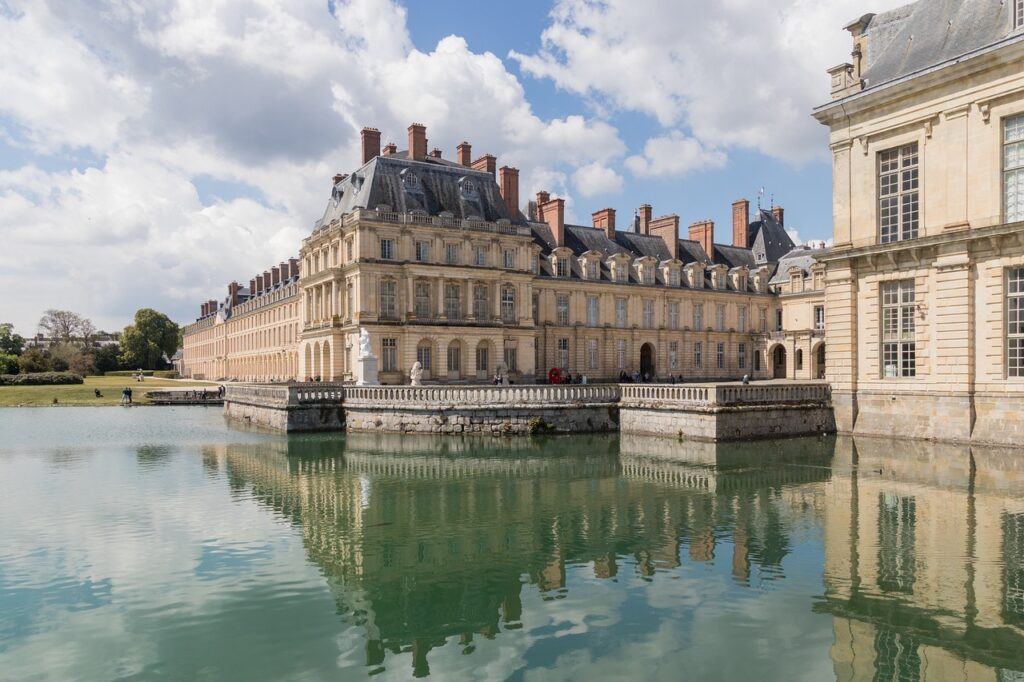
If you still want to explore, a trip to Fontainebleau offers another historic palace with fewer crowds than Versailles. The setting feels more natural, and the visit is generally quieter.
Alternatively, you can stay in Paris and revisit your favourite areas.
Often, the last day is best spent without a strict plan — walking, revisiting places, or simply enjoying the city one more time before leaving.
How to Move Around Paris
Paris is one of the easiest cities in Europe to navigate.
The public transport system — including metro, buses, and RER trains — connects almost every part of the city efficiently. For most visitors, using the metro is the simplest option.
Apps like Google Maps or Citymapper make planning routes straightforward and reduce the need for guesswork.
Walking, however, is just as important. Many of the best experiences in Paris happen between destinations.
Articles Recommended:
- Wine Regions in Europe Worth Visiting for an Authentic Experience
- Island Hopping in Greece: A Realistic Itinerary for Sun, Beaches, and Variety
When Is the Best Time to Visit Paris?
Paris can be visited year-round, but the experience changes with the seasons.
Spring and early autumn tend to offer the best balance — mild weather, manageable crowds, and a comfortable pace for exploring.
Summer is more vibrant but also more crowded, while winter feels quieter and more atmospheric, especially around the holidays.
Choosing the right time depends on whether you prefer energy or calm.
Where to Stay in Paris for a Week
Choosing the right area to stay in Paris can shape your entire experience.
For a first visit, central neighbourhoods like the 1st, 4th, 5th, or 6th arrondissement offer the best balance between accessibility and atmosphere. You’ll be within walking distance of major attractions while still experiencing the everyday rhythm of the city.
If you prefer something quieter, areas slightly outside the centre, such as the 7th or 15th arrondissement, provide a more residential feel without being too far from key sights.
Paris is well connected, so even if you stay a bit further out, the metro system makes it easy to reach everything quickly. The goal is not just convenience, but choosing a place that matches how you want to experience the city.
How to Plan Your Days Without Feeling Rushed
One of the biggest mistakes when visiting Paris for a week is trying to do too much each day.
While it might seem like seven days is a lot of time, the city is best experienced at a slower pace. Instead of filling every hour, it’s better to group nearby attractions together and leave space in between.
For example, combining the Louvre with nearby areas like the Seine or Palais Royal makes the day feel more natural. The same applies to neighbourhoods like Montmartre or Saint-Germain, where walking and exploring without a strict plan often leads to the best moments.
Planning less but experiencing more is what makes a Paris itinerary work.

What to Book in Advance
Paris is one of the most visited cities in the world, and some attractions require planning ahead.
The Louvre, Eiffel Tower, and Palace of Versailles can all have long queues, especially during peak seasons. Booking tickets in advance helps you avoid waiting and allows you to manage your time better.
Restaurants can also be busy, particularly well-known spots. While spontaneous dining is part of the Paris experience, making a few reservations — especially for evenings — can make your trip smoother.
A small amount of planning before arrival can significantly improve your overall experience.
A Simple Budget Overview for One Week in Paris
The cost of a week in Paris varies depending on your travel style, but having a general idea helps with planning.
A mid-range trip typically includes:
- Accommodation in a central area
- Regular dining at cafés and restaurants
- Public transport passes
- Entry to major attractions
Paris can be expensive, but there are ways to balance costs. Walking instead of using transport, choosing smaller local restaurants, and mixing paid attractions with free experiences like parks and neighbourhood walks can make a noticeable difference.
The key is not necessarily spending less, but spending wisely.
Articles Recommended:
- How to Plan a 2-Week Europe Itinerary (Step-by-Step)
- How to Plan Your First Trip to Europe: A Complete Guide
Final Thoughts
Spending a week in Paris allows you to experience more than just the highlights.
It gives you time to understand how the city feels — its pace, its neighbourhoods, and the small details that are easy to miss on a shorter trip.
Paris is not a city that needs to be rushed.
And in many ways, the best moments are the ones that aren’t planned at all.
Written & updated by Matteo — Travelupo
