Discover the world. Create memories that last a lifetime.

Travel guides, hidden gems, and smart itineraries to help you explore better.
The Biggest Mistakes First-Time Visitors Make in Europe


For many travelers, a first trip to Europe is something they imagine for years. Images of Parisian cafés, Roman ruins, Spanish plazas, and historic streets often shape expectations long before the journey actually begins. Europe feels both familiar and mysterious — a place where centuries of history exist alongside vibrant modern cities.
But once planning begins, many travelers quickly realize something: Europe is far more complex than it first appears.
Distances, cultures, transportation systems, and travel pace can all surprise first-time visitors. What looks simple on a map can become exhausting in reality, and some of the most common travel mistakes happen before the trip even begins.
After traveling across Europe and speaking with many first-time visitors along the way, certain patterns appear again and again. The good news is that most of these mistakes are easy to avoid once you understand how travel in Europe really works.
Trying to See Too Many Cities
Perhaps the most common mistake travelers make is attempting to see too many places in a single trip.
Europe’s compact geography makes it tempting to design ambitious itineraries. On a map, cities like Paris, Amsterdam, Rome, and Barcelona may appear relatively close together. Budget airlines and fast trains make it seem as if visiting several countries in a short time is perfectly realistic.
Technically, it is possible. But the experience often becomes rushed and exhausting.
Travel days require more time and energy than people expect. Airports, train stations, hotel check-ins, and navigation in unfamiliar environments quickly consume large parts of the day. When travelers move every one or two days, much of the trip becomes focused on logistics rather than discovery.
The most rewarding trips usually focus on fewer destinations with more time in each. Spending three or four days in a city allows you to experience neighborhoods, cafés, and local rhythms — the details that truly define a place.
Underestimating Travel Time
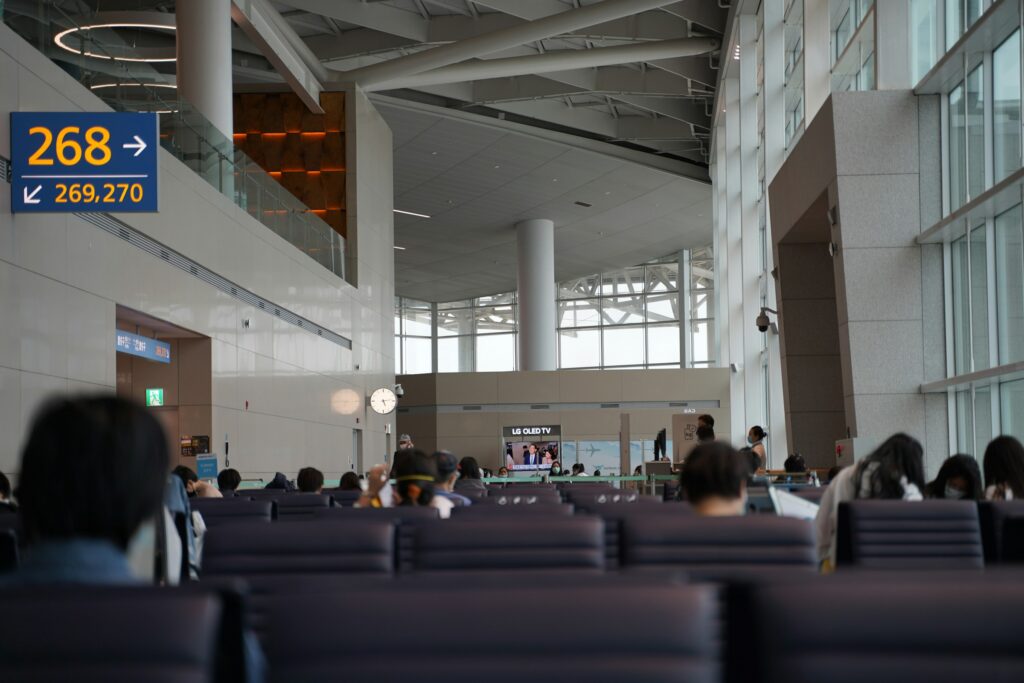
Closely related to the previous mistake is underestimating how long it takes to move between destinations.
Europe’s transportation system is excellent, but travel still requires planning. High-speed trains connect many major cities, yet not every route is direct. Flights can appear short on paper, but airport security, transportation to and from the airport, and waiting times often turn a two-hour flight into half a day of travel.
For example, a train journey between nearby cities may take only a few hours, but reaching the station, finding your platform, and navigating a new arrival city adds time and mental energy.
Many first-time travelers assume travel days will be quick transitions. In reality, these days often become the most tiring part of the trip.
A slower itinerary — with fewer long transfers — allows travelers to enjoy the journey rather than simply rushing through it.
Articles Recommended:
- Rome for the First Time: A Complete Travel Guide to Italy’s Eternal City
- How Many Days Do You Really Need in Europe?
Treating Europe Like a Checklist
Another common mistake is approaching Europe as a checklist of famous landmarks.
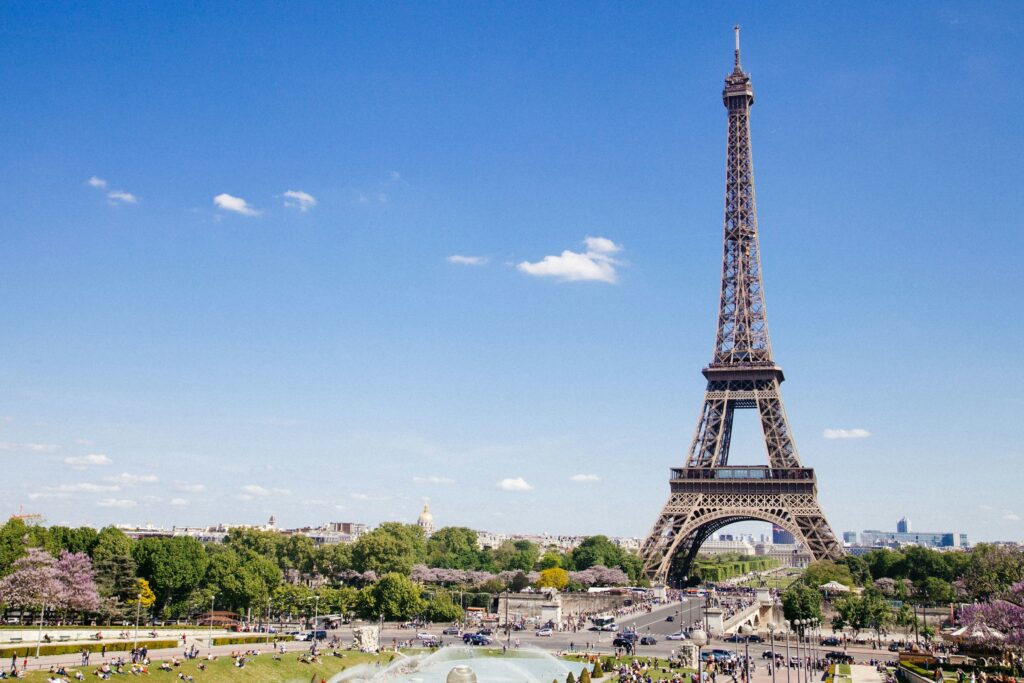
Iconic places such as the Eiffel Tower, the Colosseum, or the canals of Amsterdam are understandably on many travelers’ lists. These sites are extraordinary and absolutely worth visiting. However, focusing only on landmarks can create a narrow experience of the city.
European cities are layered environments. Their character often appears in everyday spaces — neighborhood markets, quiet parks, small bakeries, and local cafés. Some of the most memorable moments during travel happen away from the major attractions.
Walking through residential streets, sitting in a local square, or wandering through a neighborhood market can reveal a city’s personality far more than rushing between monuments.
The goal isn’t to skip famous places, but to balance sightseeing with exploration.
Overplanning Every Hour
Planning is important when traveling internationally, but too much structure can remove the spontaneity that makes travel exciting.
Many first-time visitors create detailed daily schedules, sometimes planning every hour of their trip in advance. While this may seem efficient, it often leads to stress when unexpected changes occur.
Cities have their own rhythm, and some experiences unfold naturally. A quiet street might lead to a beautiful viewpoint. A small restaurant may invite you to stay longer than planned. A neighborhood festival might appear unexpectedly.
Leaving room for unplanned moments allows travelers to discover parts of a city that never appear in guidebooks.
Some of the best travel memories come from simply allowing time to wander.
Articles Recommended:
- Tokyo for the First Time: A Complete Guide to Japan’s Most Dynamic City
- The Most Beautiful Small Towns in Europe That Feel Like a Fairytale
Ignoring Regional Differences
Europe is often spoken about as if it were a single destination, but the continent contains an extraordinary range of cultures, languages, and traditions.
The atmosphere of southern Italy differs greatly from that of northern Germany. Spanish cities move at a different pace than Scandinavian capitals. Even neighboring countries may have very different customs, food traditions, and daily routines.
First-time travelers sometimes expect Europe to feel uniform, but part of its beauty lies in these regional differences.
Understanding that each place has its own personality helps travelers adapt more easily. Observing how locals behave — when they eat, how they socialize, and how public spaces function — adds depth to the experience.
Choosing the Wrong Time to Visit
Timing can dramatically influence how a trip feels.
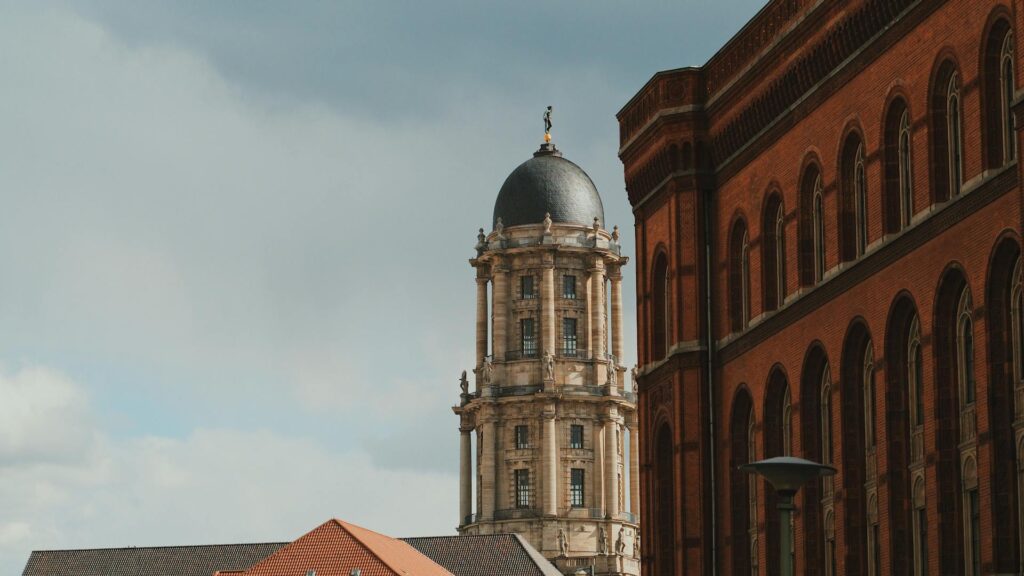
Summer is the most popular travel season, but it also brings large crowds and higher prices. Major cities like Rome, Barcelona, and Paris can become extremely busy during July and August, especially around major landmarks.
Many experienced travelers prefer the shoulder seasons, particularly spring and early autumn. During these months, temperatures remain comfortable while crowds and accommodation prices tend to be lower.
Traveling outside peak season also creates a more relaxed atmosphere. Streets feel less congested, museums become easier to visit, and restaurants often provide a more local experience.
Choosing the right time of year can transform a trip from stressful to enjoyable.
Articles Recommended:
- How to Plan a 2-Week Europe Itinerary (Step-by-Step)
- Why Traveling Slower Makes Europe More Rewarding
Focusing Only on Famous Destinations
Another mistake many travelers make is visiting only the most well-known cities.
Europe’s famous destinations deserve their reputation, but they represent only a small part of what the continent offers. Smaller cities and towns often reveal a different side of European life — one that feels quieter, more intimate, and sometimes even more memorable.
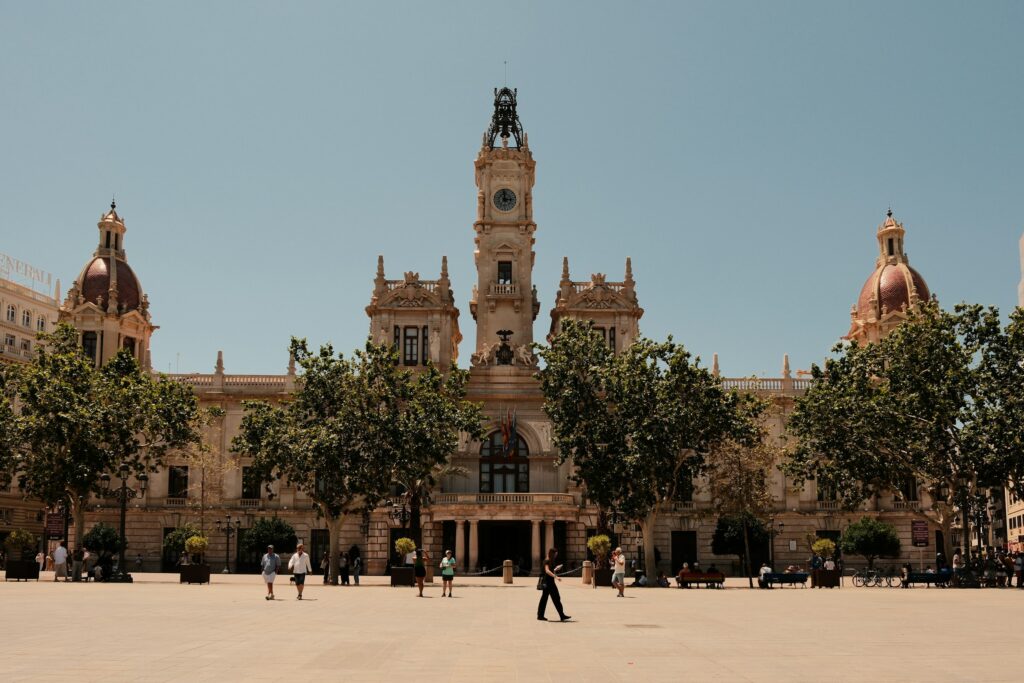
Places like Porto, Kraków, Ljubljana, or Valencia provide beautiful architecture, rich culture, and excellent food while often feeling less crowded than larger capitals.
Including one or two lesser-known destinations in an itinerary can create a much more balanced experience.
Forgetting to Slow Down
Perhaps the most important lesson for first-time visitors is learning to slow down.
European cities encourage a different pace of life than many travelers are used to. Meals last longer, public squares invite conversation, and evening walks are part of daily life.
When travelers rush constantly from place to place, they often miss the atmosphere that makes these cities special.
Slowing down allows you to notice small details: the sound of fountains in a quiet piazza, the smell of fresh bread from a bakery, or the way sunlight reflects off historic buildings at sunset.
These subtle moments often become the most memorable parts of a journey.
Articles Recommended:
Final Thoughts
Traveling through Europe for the first time is an unforgettable experience. The continent offers an extraordinary combination of history, culture, food, and landscape that few other regions can match.
But the most rewarding trips rarely come from trying to see everything at once.
By focusing on fewer destinations, allowing time to explore naturally, and embracing the rhythm of each city, travelers often discover that Europe feels far richer than they imagined.
A first trip to Europe is rarely the last. In fact, many travelers leave with the same realization: the continent is too complex and fascinating to understand in a single visit.
And that realization is often what makes the journey so meaningful.
Written & updated by Matteo — Travelupo
