Discover the world. Create memories that last a lifetime.

Travel guides, hidden gems, and smart itineraries to help you explore better.
European Destinations That Feel Expensive but Aren’t

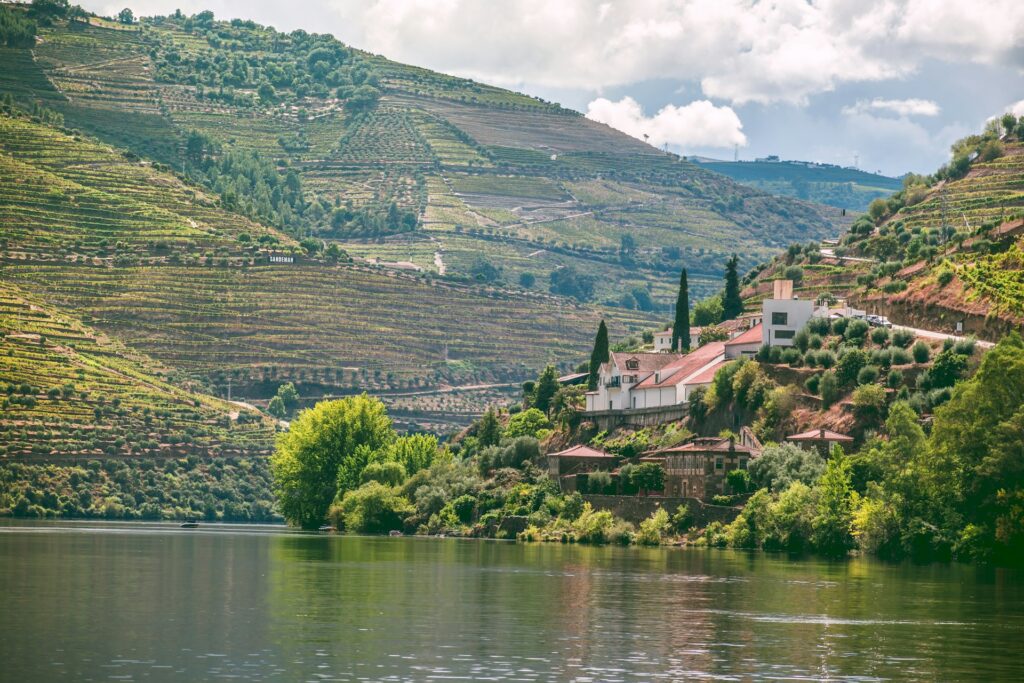
There’s a certain kind of European destination that looks luxurious the moment you arrive. Grand squares, historic cafés, riverfront promenades, elegant architecture, and a pace of life that feels refined rather than rushed. These places photograph like high-end escapes—and many travelers assume they come with premium price tags.
But some of Europe’s most stylish, atmospheric destinations are far more affordable than they appear—especially outside peak summer. With thoughtful timing and a preference for atmosphere over hype, you can enjoy destinations that feel exclusive without paying exclusive prices.
Here are 10 European destinations that feel expensive but aren’t — carefully handpicked by travelupo for their elegance, culture, and everyday affordability compared to how luxurious they look and feel.
1. Ljubljana, Slovenia
Boutique charm without boutique prices
Ljubljana often surprises first-time visitors. The city center is immaculate, car-free, and wrapped around a gentle river lined with cafés and bridges. Baroque facades, leafy parks, and a hilltop castle create a polished, almost curated feel—yet daily costs remain modest.
Spring brings outdoor dining, flower-filled balconies, and a relaxed local rhythm. Walking everywhere is easy, cultural venues are accessible, and the city feels thoughtfully designed rather than overbuilt.
Why it feels expensive:
Clean design, calm streets, and refined public spaces.
Why it isn’t:
Dining, transport, and accommodation costs remain among the lowest in Central Europe.

2. Porto, Portugal
Old-world elegance by the river
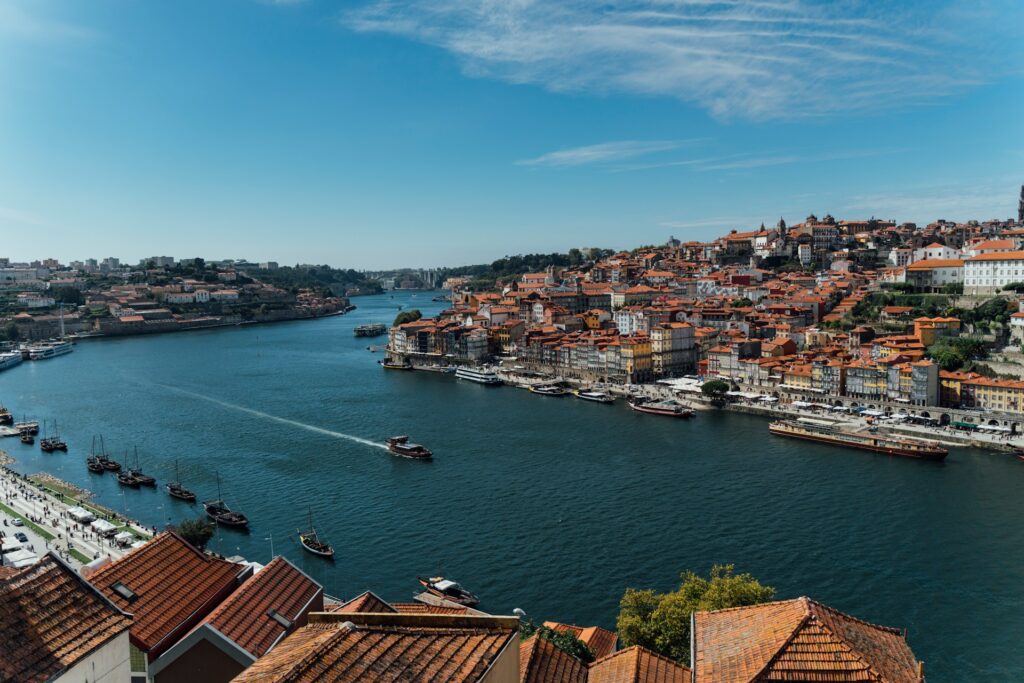
Porto’s riverfront is cinematic. Historic buildings rise from the Douro, tiled façades shimmer in sunlight, and wine cellars line the opposite bank. The atmosphere feels timeless and indulgent—especially in spring when crowds thin and light softens.
Despite its beauty, Porto remains surprisingly accessible. Local cafés, bakeries, and traditional eateries keep everyday costs low, and wandering the city on foot is a pleasure in itself.
Why it feels expensive:
Historic charm, riverside views, and refined wine culture.
Why it isn’t:
Affordable meals and modest daily expenses compared to Western Europe’s major cities.
Articles Recommended:
- Coastal Towns Around the World That Are Better in Spring Than Summer
- Most Underrated European Beach Towns to Visit in Spring 2026
3. Valencia, Spain
Modern design meets Mediterranean ease
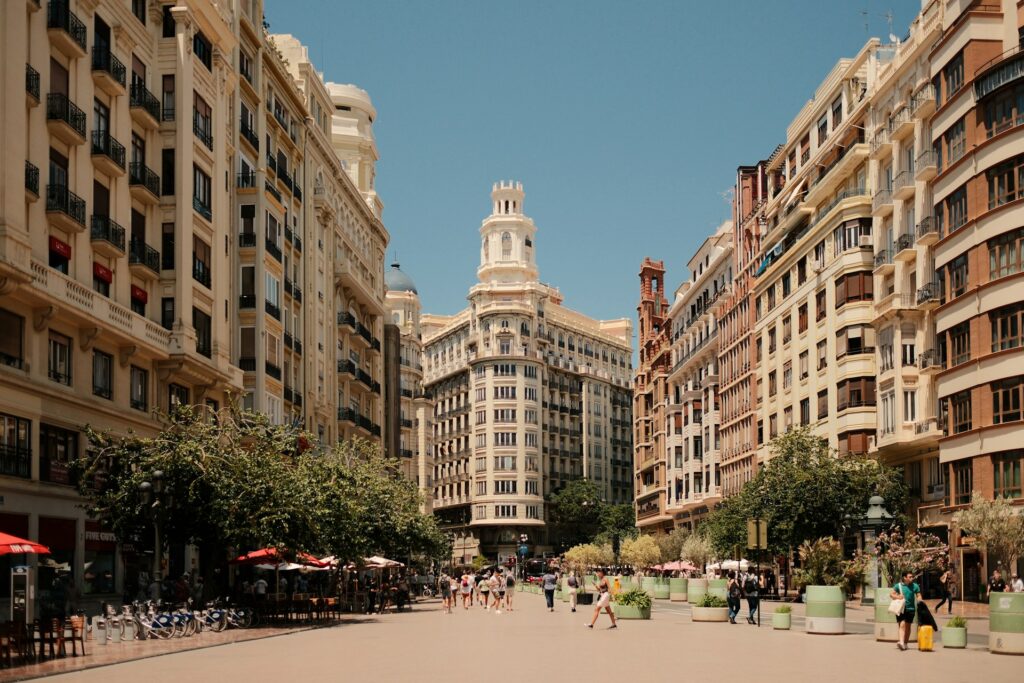
Valencia blends futuristic architecture with historic streets and long beaches—all without the intensity of Spain’s more famous cities. The City of Arts and Sciences alone gives the impression of a high-end cultural capital.
Spring is ideal for exploring Valencia: warm days, open parks, and an outdoor lifestyle that feels luxurious but approachable. Markets, cafés, and public spaces are designed for locals, not spectacle.
Why it feels expensive:
Striking architecture, beachfront setting, and design-forward culture.
Why it isn’t:
Reasonable dining costs and everyday pricing well below Barcelona or Madrid.
4. Trieste, Italy
Grandeur without Italian price inflation
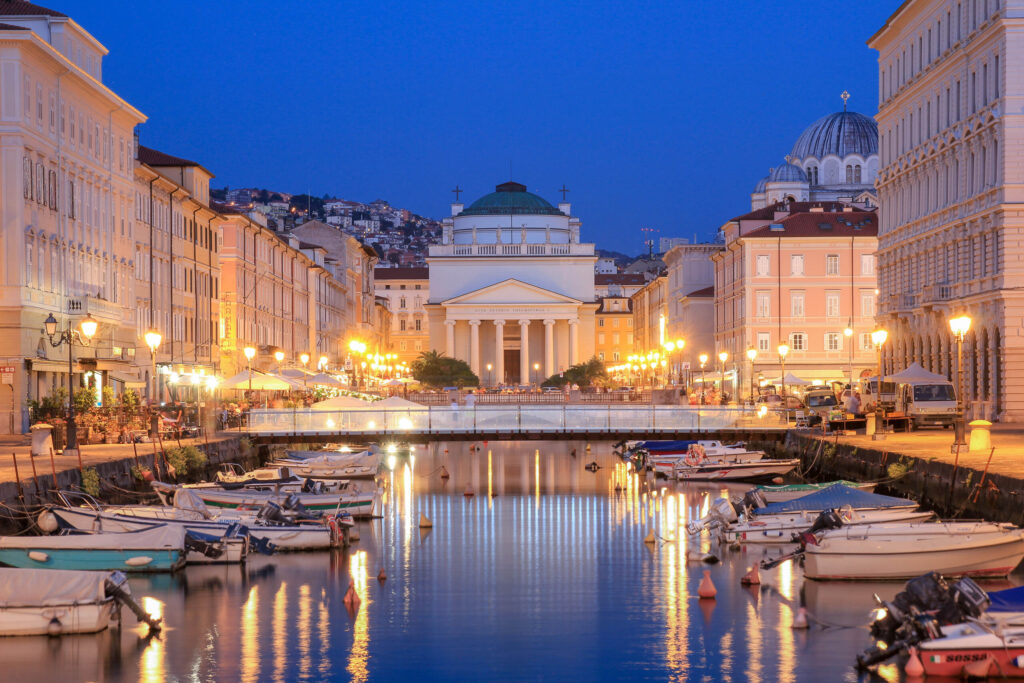
Trieste doesn’t fit the usual Italian mold—and that’s its advantage. Austro-Hungarian architecture, grand cafés, and a stately waterfront create an atmosphere closer to Vienna than Rome.
Spring reveals Trieste’s elegance: wide piazzas, calm promenades, and historic coffee culture that feels refined rather than touristy. The city remains largely overlooked, keeping prices grounded.
Why it feels expensive:
Imperial architecture, historic cafés, and waterfront promenades.
Why it isn’t:
Lower accommodation and dining costs than most Italian cities.
5. Gdańsk, Poland
Polished beauty with Baltic calm
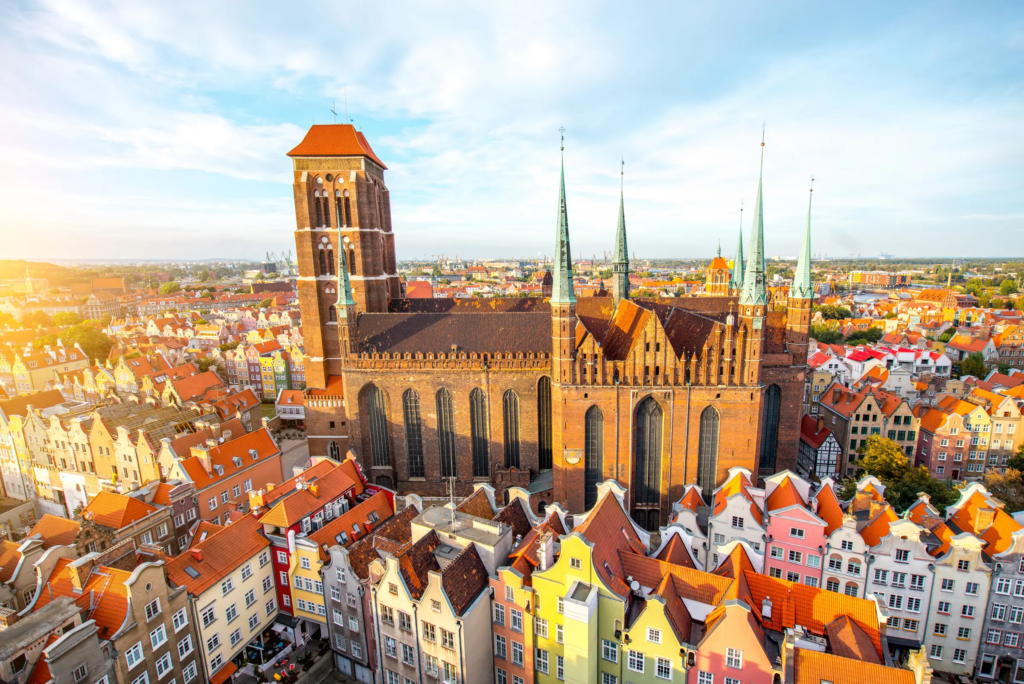
Gdańsk’s reconstructed old town is stunning—colorful façades, riverfront walkways, and elegant squares that feel meticulously planned. Spring adds light, space, and a gentle Baltic atmosphere.
Despite its visual appeal, Gdańsk remains highly affordable. Museums, meals, and local transport are all priced for residents, not tourists.
Why it feels expensive:
Immaculate architecture and waterfront setting.
Why it isn’t:
Consistently low daily costs compared to Western Europe.
Articles Recommended:
- Affordable Spring Getaways in Europe for Under €500 (2026 Guide)
- Affordable Exotic Destinations for Winter 2025–2026 (Long-Haul Sun Worth the Flight)
6. Seville, Spain
Southern grandeur with everyday warmth
Seville’s palaces, plazas, and orange-scented streets feel regal. The Alcázar, Plaza de España, and historic center create a sense of cultural richness that rivals Europe’s most famous capitals.
Spring is Seville’s sweet spot—warm but comfortable, lively but not overwhelming. Daily life remains affordable thanks to strong local traditions and casual dining culture.
Why it feels expensive:
Monumental architecture and vibrant cultural heritage.
Why it isn’t:
Reasonably priced food, attractions, and transport.

7. Budapest, Hungary
Old-world splendor at Central European prices
Budapest’s grandeur is impossible to miss. From the Parliament building to thermal baths and river views, the city feels opulent and cinematic—especially at dusk.
Spring allows you to enjoy Budapest without summer crowds, soaking up its beauty at a relaxed pace. Despite appearances, the city remains accessible and welcoming to budget-conscious travelers.
Why it feels expensive:
Historic architecture, river panoramas, and spa culture.
Why it isn’t:
Affordable dining, transport, and cultural activities.

8. Tallinn, Estonia
Storybook charm with Nordic order
Tallinn’s medieval old town feels preserved rather than reconstructed. Cobblestones, towers, and quiet lanes create an atmosphere that feels curated and premium.
Spring brings longer days and outdoor café life, while prices stay reasonable compared to Scandinavian neighbors. The city’s walkability adds to its effortless feel.
Why it feels expensive:
Immaculate preservation and calm Nordic design.
Why it isn’t:
Lower costs than nearby Northern European capitals.

Articles Recommended:
- Affordable Warm Destinations for Winter 2025–2026 (Without Long-Haul Flights)
- Quiet & Affordable European Spring Destinations Away from Big Cities
9. Turin, Italy
Italian elegance without Rome’s crowds
Turin’s wide boulevards, arcaded streets, and historic cafés project understated sophistication. The city feels intellectual, refined, and deeply Italian—without the tourist frenzy.
Spring highlights Turin’s walkability and café culture. The absence of mass tourism keeps daily expenses reasonable and the experience authentic.
Why it feels expensive:
Architectural harmony and historic café tradition.
Why it isn’t:
Lower accommodation and dining prices than Italy’s major hotspots.

10. Riga, Latvia
Art Nouveau beauty on a modest budget
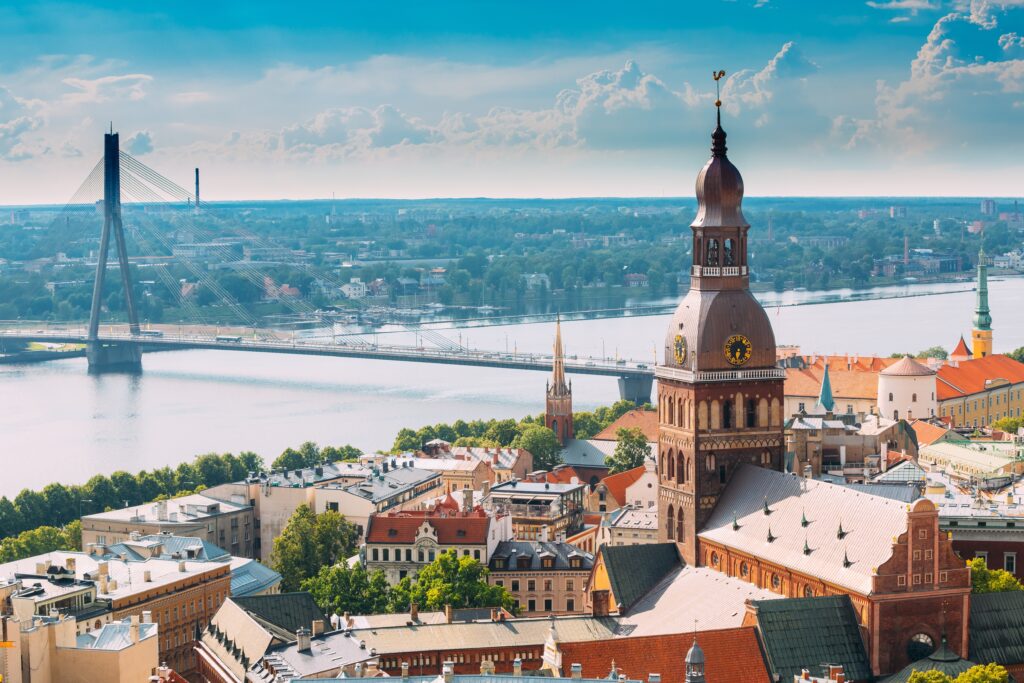
Riga boasts one of Europe’s most impressive collections of Art Nouveau architecture. Wide streets, elegant façades, and a refined old town give the city a distinctly upscale feel.
Spring makes Riga especially pleasant—green parks, open cafés, and long evenings—while costs remain approachable across the board.
Why it feels expensive:
Architectural richness and refined urban layout.
Why it isn’t:
Affordable accommodation, dining, and transport.
These Destinations Feel Luxurious Without the Luxury Price
What these cities share isn’t extravagance—it’s proportion. Their beauty comes from design, history, and livability rather than excess. They function for residents first, which keeps prices grounded and experiences authentic.
Common traits include:
- Walkable historic centers
- Strong café and public-space culture
- Local-focused dining scenes
- Less reliance on mass tourism
Luxury here is about how a place feels, not how much it charges.
Articles Recommended:
- Best European Destinations for Travelers Who Want to Slow Down (Calm, Culture & Space to Breathe)
- Best European Destinations for Travelers Who Hate Crowds (Quiet, Beautiful & Easy to Enjoy)
When to Visit for the Best Value
- March–April: Calm, cultural, and cost-effective
- May: Peak atmosphere without peak pricing
- Early autumn: Another excellent window for similar value
Final Thoughts
Europe’s most elegant destinations aren’t always the most expensive. Often, they’re simply overlooked. By choosing places where beauty comes from design, culture, and everyday life—not hype—you gain something far more valuable than a luxury label.
These destinations prove that travel can feel refined, atmospheric, and special without being costly. Sometimes, the most luxurious experiences are the ones that remain accessible.
