Discover the world. Create memories that last a lifetime.

Travel guides, hidden gems, and smart itineraries to help you explore better.
Tokyo for the First Time: A Complete Guide to Japan’s Most Dynamic City

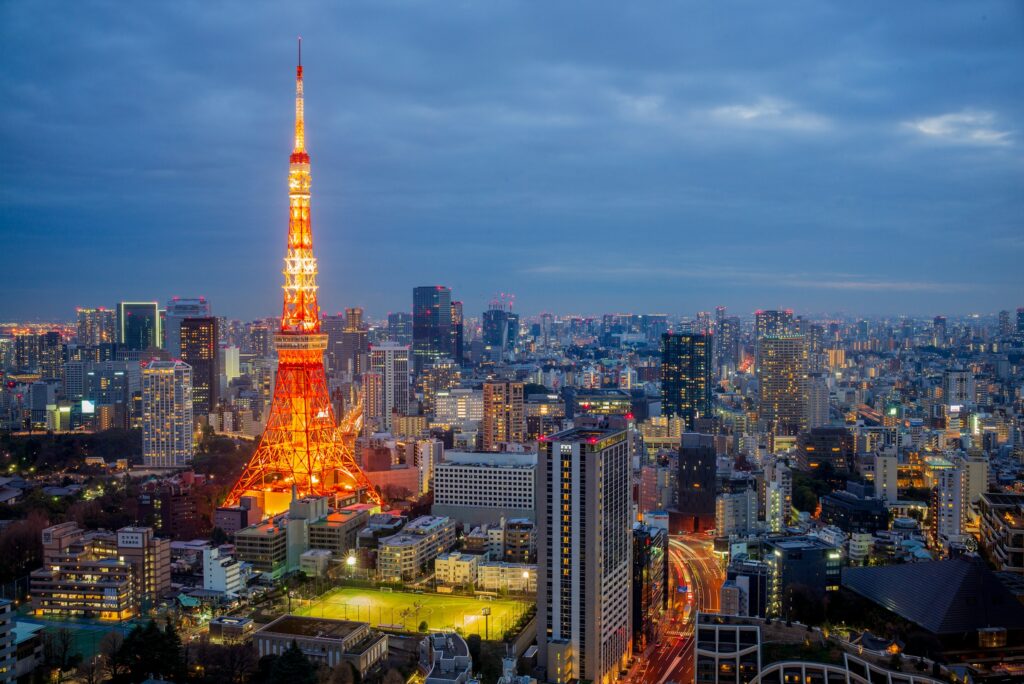
Tokyo for the First Time: A Complete Guide to Japan’s Most Dynamic City
Tokyo can feel overwhelming before you even arrive.
It’s one of the largest cities in the world. The skyline stretches endlessly. Train maps look impossibly complex. District names blur together — Shibuya, Shinjuku, Asakusa, Ginza — each with its own personality.
For a first-time visitor, Tokyo often carries two competing expectations: ultra-modern futurism and quiet ancient tradition. Neon-lit crossings. Zen temples. Vending machines on every corner. Tea ceremonies in wooden houses.
The truth is that Tokyo is not one thing. It’s a layered city that reveals itself gradually. And the key to enjoying it for the first time is not trying to understand it all at once.
It’s choosing a rhythm.
Understanding Tokyo’s Structure
Unlike many European capitals that revolve around a central historic core, Tokyo is decentralized. It is a collection of districts, each functioning almost like its own small city.
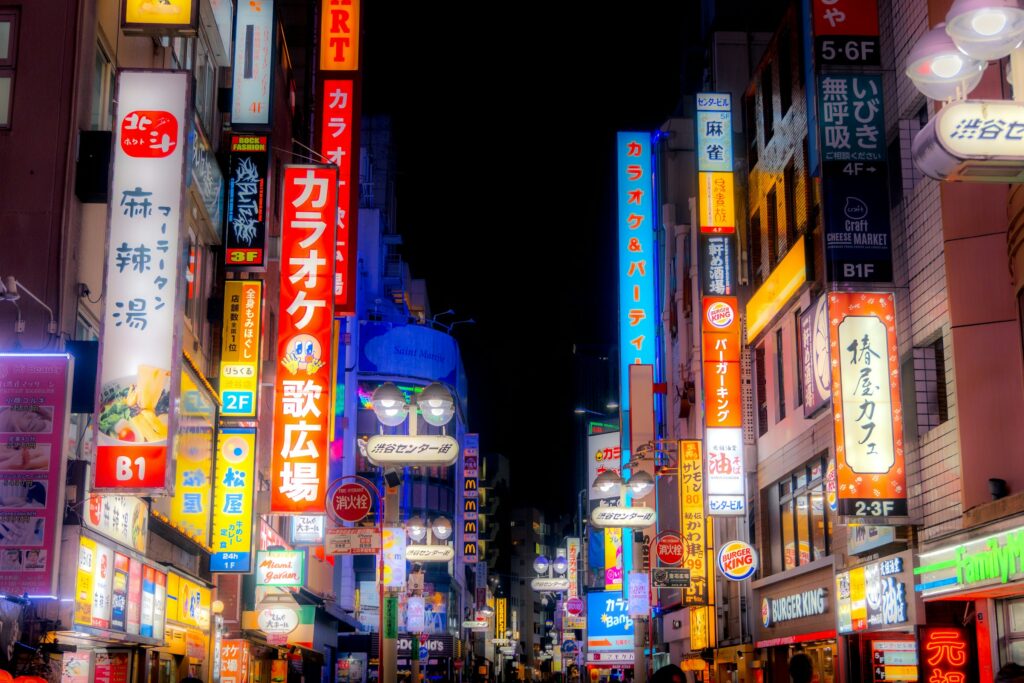
Shibuya pulses with energy — fashion, nightlife, and the famous scramble crossing. Shinjuku feels vertical and electric, especially after dark. Asakusa preserves an older atmosphere with temple streets and traditional shops. Ginza leans polished and upscale. Harajuku blends youth culture with quiet shrine paths.
For a first visit, it helps to think in neighborhoods rather than attractions.
Instead of racing across the city to tick landmarks off a list, spend extended time within a few districts. Walk. Observe. Notice how dramatically the atmosphere changes from one subway stop to the next.
Tokyo rewards immersion more than speed.
The Transportation System: Complex but Efficient
The Tokyo train system appears intimidating, but it’s remarkably efficient once you use it.
Multiple train operators share lines, but signage is clear and stations are meticulously organized. Suica or Pasmo cards simplify everything — tap in, tap out.
What surprised me on my first trip wasn’t the complexity, but the quiet order. Trains arrive on time. Platforms remain calm. Even during rush hour, there’s an unspoken choreography to movement.
Public transport is not just functional — it’s part of Tokyo’s rhythm.
Learning it early gives you freedom.
Articles Recommended:
Tradition Within Modernity
Tokyo’s modern skyline can distract from its cultural depth.
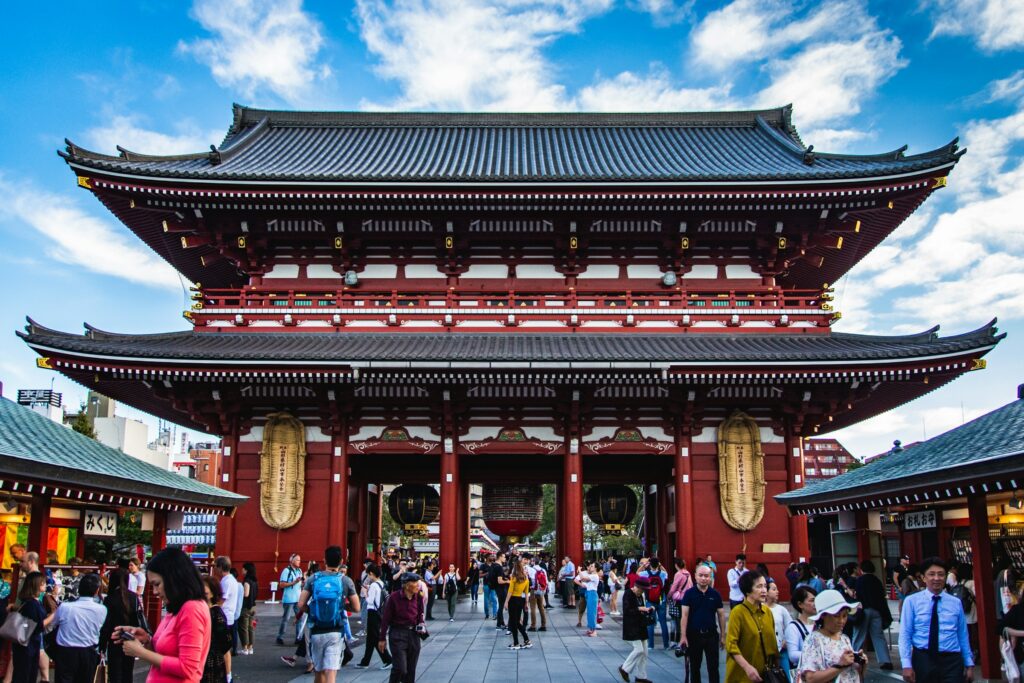
Yet within minutes of neon towers, you can step into centuries-old spaces. Meiji Shrine, surrounded by forest in the heart of the city, feels detached from urban chaos. Senso-ji Temple in Asakusa anchors tradition amid souvenir stalls and incense smoke.
The coexistence of past and present is not theatrical — it’s natural.
On my first visit, what struck me most was not the contrast between old and new, but how seamlessly they coexist. Office workers pass through shrine gates. School groups wander temple grounds before heading back to contemporary classrooms.
Tokyo does not preserve tradition behind glass. It integrates it into daily life.
Food: Precision and Simplicity
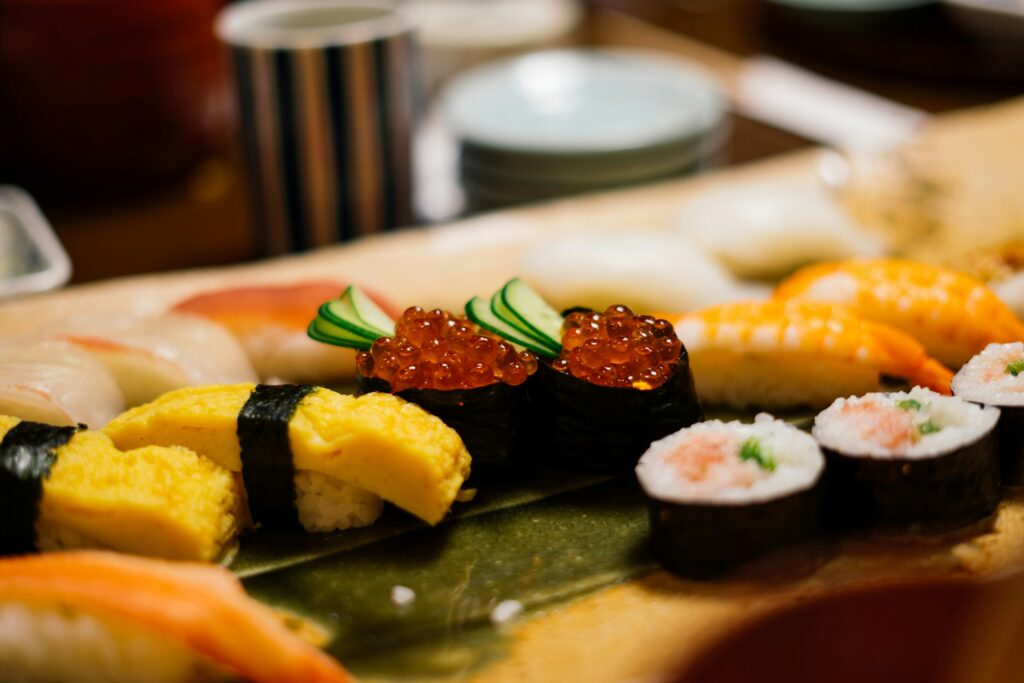
Tokyo is often described as a food capital of the world, and for good reason. The range is extraordinary — Michelin-starred sushi counters, ramen shops hidden under train tracks, refined kaiseki dining, convenience store meals that exceed expectations.
But what makes Tokyo’s food scene particularly compelling for first-time visitors is accessibility.
You don’t need to chase elite reservations to eat well. Some of the most memorable meals are simple bowls of ramen in small shops with ticket vending machines at the entrance.
There’s a precision to Japanese cooking — attention to detail, respect for ingredients — that elevates even modest dishes.
First-time visitors sometimes over-plan meals. In reality, wandering into neighborhood spots often delivers the most authentic experiences.
Articles Recommended:
The Importance of Etiquette
Tokyo operates on subtle social codes.
No loud phone calls on trains. Minimal public trash bins, yet spotless streets. Orderly queues. Respect for shared space.
For first-time visitors, awareness matters. Observing before acting goes a long way.
These cultural nuances are not restrictive; they are cohesive. They create an environment where millions of people coexist with remarkable smoothness.
Learning to adapt to that rhythm deepens appreciation for the city.
Where to Stay on Your First Visit
Choosing the right district makes a significant difference.
Shibuya offers energy and convenience. Shinjuku provides strong transport connections. Asakusa feels more traditional and slightly quieter. Ginza provides polished access to shopping and cultural institutions.
For a first trip, staying near a major JR Yamanote Line station simplifies navigation. That circular train line connects many key districts efficiently.
Tokyo’s accommodation spectrum ranges widely — compact business hotels, minimalist boutique stays, luxury high-rises with skyline views.
Rooms are often smaller than Western standards. But efficiency replaces excess.
Articles Recommended:
- Is Overtourism Changing Europe Forever?
- A Practical, Honest Guide to Visiting Barcelona for the First Time
Experiencing Tokyo at Different Times of Day
Tokyo transforms depending on the hour.
Early mornings feel almost serene. Parks fill with joggers. Cafés open quietly. The city exhales before accelerating.
Midday brings structured productivity. Crowds move with purpose.
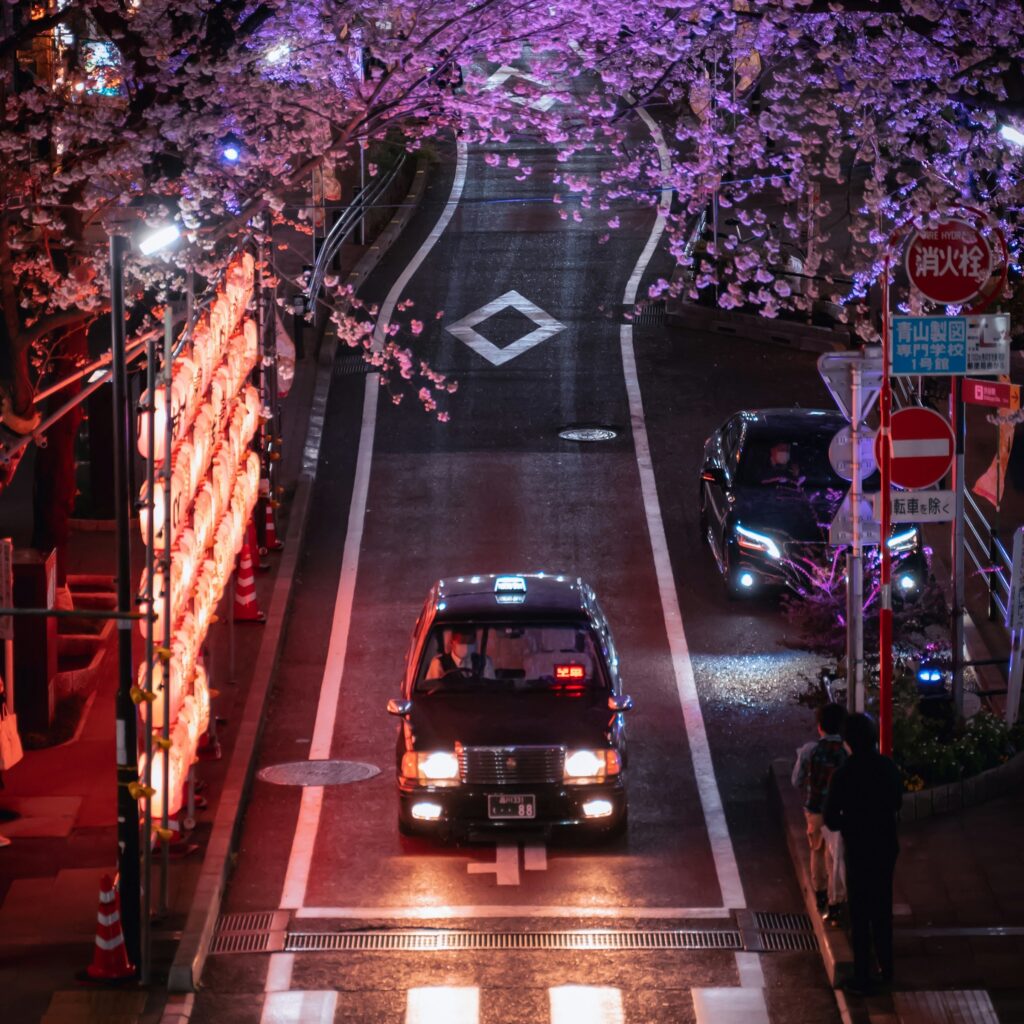
Evenings shift dramatically. Neon lights reflect off glass towers. Izakayas fill with conversation. Shinjuku’s skyline pulses.
Late at night, certain districts feel cinematic — quiet alleyways, glowing vending machines, small bars tucked into narrow corridors.
For first-time visitors, experiencing at least one district at multiple times of day reveals Tokyo’s dimensionality.
It is never static.
Day Trips That Add Perspective
While Tokyo alone can fill an entire trip, nearby destinations expand understanding.
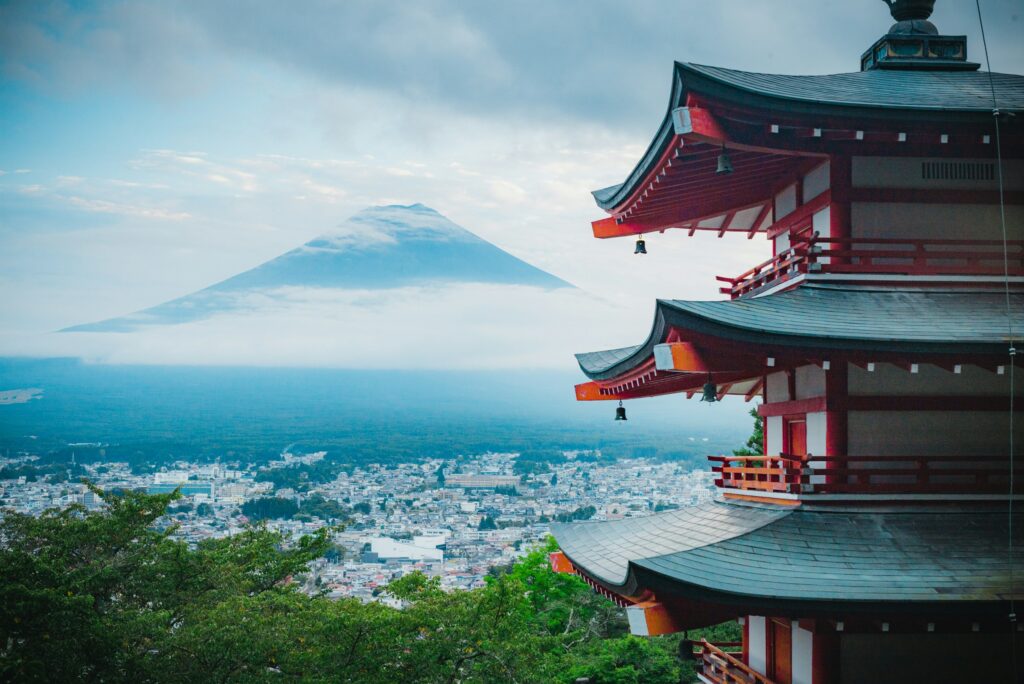
Nikko offers mountain temples and cedar-lined paths. Kamakura provides coastal scenery and giant Buddha statues. Hakone introduces hot springs and Mount Fuji views.
These escapes remind you that Japan’s landscape diversity sits just beyond the urban density.
But for a first trip of limited time, Tokyo itself is more than enough.
Articles Recommended:
- Why Shoulder Season Travel in Europe Is Smarter Than Summer
- Best European Cities to Visit in May (Warm Weather, Fewer Crowds & Better Prices)
The Myth of Overwhelm
Before visiting, many people worry that Tokyo will feel chaotic.
The reality is more nuanced.
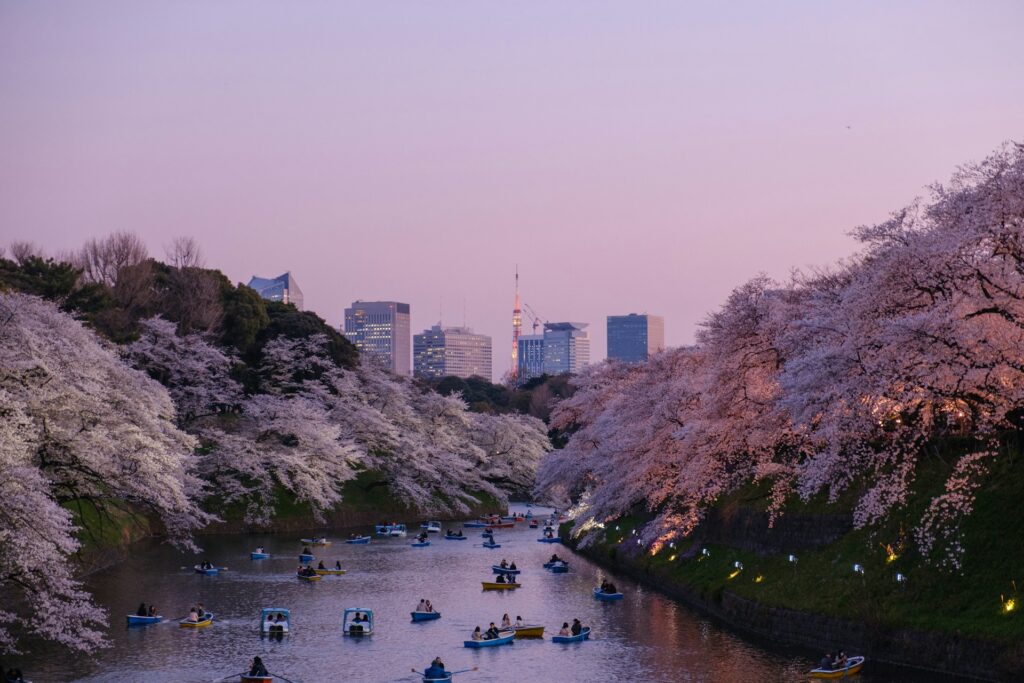
Yes, it’s vast. Yes, certain crossings and train stations are busy. But the city’s order counterbalances its size.
Compared to some Western capitals, Tokyo feels remarkably safe, clean, and structured.
Once you understand that it’s a network of villages rather than a single overwhelming mass, the anxiety fades.
How Many Days Do You Need?
For a first visit, five to seven days feels balanced.
Shorter stays risk reducing Tokyo to highlights. Longer stays allow deeper exploration of neighborhoods beyond guidebook staples.
The temptation to combine Tokyo with multiple other Japanese cities on a first trip is strong. But compressing too much reduces depth.
Tokyo deserves breathing room.
Articles Recommended:
- European Destinations That Are Perfect for a First-Time Solo Trip
- Warmest Places in Europe to Visit in April 2026
The Emotional Takeaway
What stays with you after leaving Tokyo is not just imagery.
It’s the feeling of contrast without conflict. Order within scale. Tradition within innovation.
Few cities manage to feel futuristic and rooted at the same time.
On my first visit, I expected spectacle. I found subtlety. The moments that linger aren’t necessarily the famous crossings or skyline views — they’re quiet side streets, vending machine glow at midnight, small shrines hidden between apartment buildings.
Tokyo reveals itself gradually.
One thing that became clear to me only after leaving Tokyo was how quietly it changes you. The city doesn’t overwhelm through spectacle alone — it recalibrates your sense of space, efficiency, and attention.
After a week navigating its trains, observing its etiquette, and moving through its layered neighborhoods, I found myself noticing small details differently — the way people queue, the way silence functions in public places, the way design serves purpose rather than decoration.
Tokyo isn’t simply a destination you visit; it’s an environment that subtly reshapes how you perceive urban life. That lingering shift, more than any skyline or landmark, is what makes a first trip unforgettable.
Final Thoughts
For first-time visitors, Tokyo offers something rare: complexity that remains navigable.
It challenges expectations without overwhelming them. It introduces cultural difference gently but unmistakably.
Approach it with patience rather than urgency. Choose neighborhoods instead of checklists. Learn the train system. Eat simply. Observe quietly.
Tokyo is not conquered in a single trip.
It’s understood in layers.
And for many travelers, that first visit becomes the beginning of many returns.
Written & updated by Matteo — Travelupo
