Discover the world. Create memories that last a lifetime.

Travel guides, hidden gems, and smart itineraries to help you explore better.
The Most Underrated Cities in Europe to Visit in 2026

The Most Underrated Cities in Europe to Visit in 2026
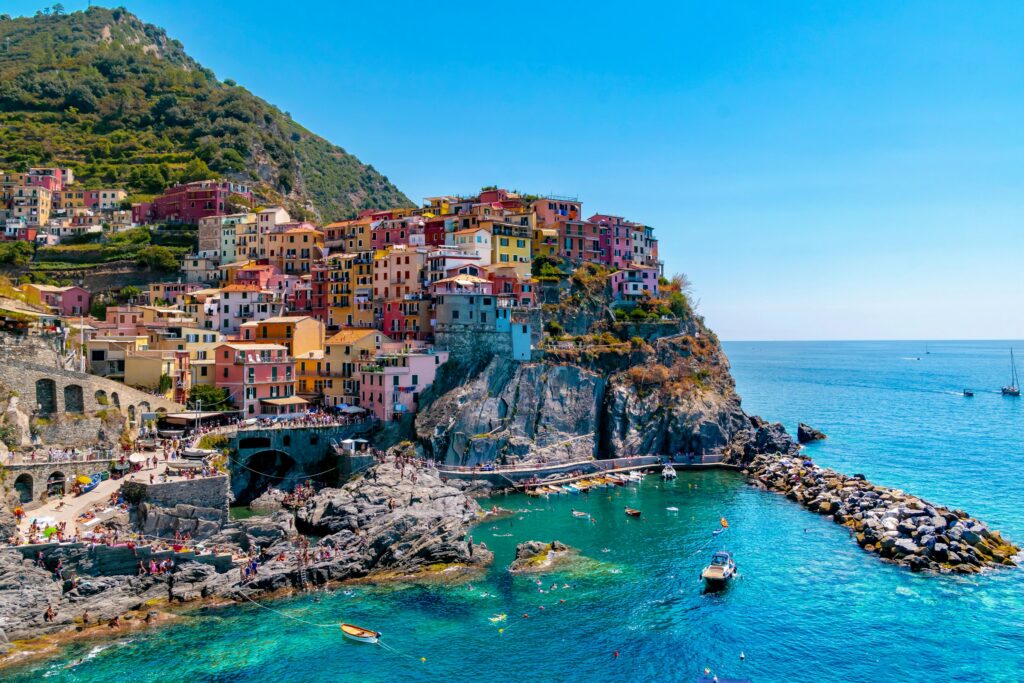
Europe is filled with cities that appear constantly in travel guides. Paris, Rome, Barcelona, and Amsterdam attract millions of visitors every year, and for good reason. Their history, architecture, and culture are remarkable.
But after traveling through Europe several times, I began to notice something interesting: some of the most memorable experiences often happened outside the famous destinations.
Smaller cities, or places that simply don’t receive the same international attention, often reveal a different side of Europe. Streets feel calmer, locals move at a slower pace, and it becomes easier to connect with the everyday atmosphere of a place rather than just its landmarks.
These cities are not hidden in the sense that they are unknown — many of them are well loved by regional travelers — but they remain surprisingly overlooked by international visitors.
For travelers planning a European trip in 2026, exploring a few underrated destinations can make a journey far richer and more memorable.
Ljubljana, Slovenia
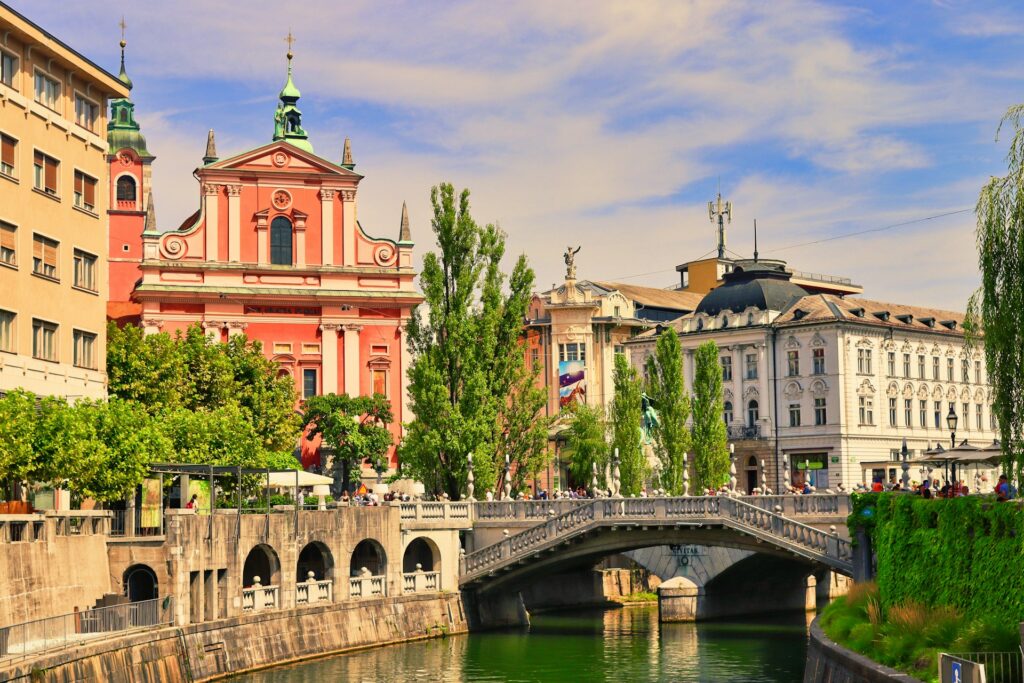
Ljubljana is one of those cities that quietly surprises almost everyone who visits.
Slovenia’s capital is small, relaxed, and remarkably charming. The historic center sits along the Ljubljanica River, where cafés line the waterfront and pedestrians dominate the streets instead of cars. A castle rises above the city on a wooded hill, offering sweeping views of red rooftops and distant mountains.
What makes Ljubljana especially enjoyable is its atmosphere. The city feels lively but never crowded, and it’s easy to spend hours simply walking through its bridges, markets, and public squares.
Another advantage is its location. From Ljubljana, travelers can easily reach places like Lake Bled, the Julian Alps, or Slovenia’s wine regions. It’s a city that works both as a destination in itself and as a gateway to the country’s remarkable landscapes.
Valencia, Spain
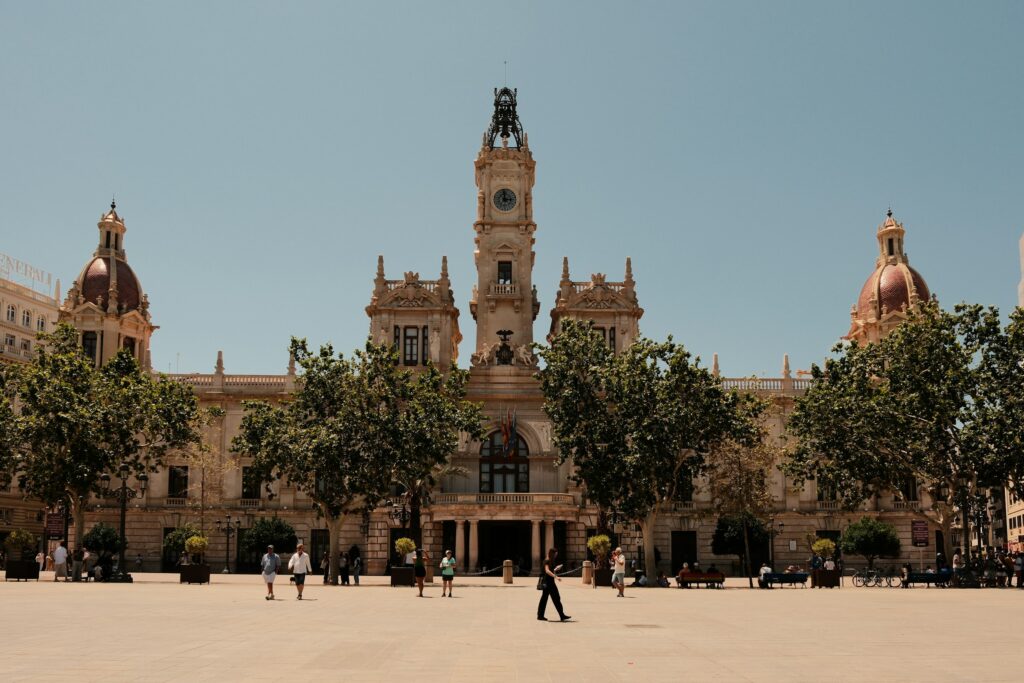
While Barcelona and Madrid dominate most travel itineraries, Valencia quietly offers many of the same attractions with a more relaxed rhythm.
This coastal Spanish city blends history and modern architecture in a fascinating way. On one side of the city, the futuristic City of Arts and Sciences rises like something from another world. On the other side, narrow streets of the old town lead to centuries-old markets, churches, and plazas.
Valencia also offers something many large European cities cannot: easy access to beaches directly from the city center.
What I appreciate most about Valencia is how balanced it feels. It has excellent food, beautiful architecture, and lively neighborhoods, yet it rarely feels overwhelming with tourists. Even during warmer months, the atmosphere remains comfortable and welcoming.
Articles Recommended:
- How to Plan Your First Trip to Europe: A Complete Guide
- Why Europe Is One of the Best Places in the World for Solo Travel
Bologna, Italy
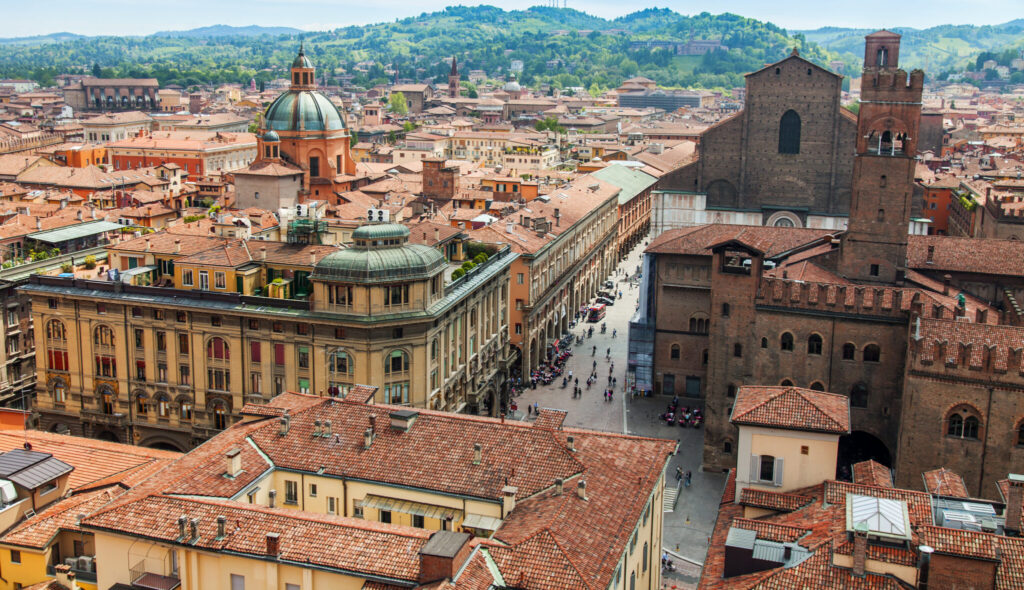
Italy is filled with famous cities, yet Bologna often remains overshadowed by Rome, Florence, and Venice.
This is surprising, because Bologna offers one of the most authentic urban experiences in the country.
The city is known for its endless porticoes — elegant covered walkways that stretch for kilometers through the historic center. Walking through these arcades gives Bologna a distinctive character that feels both historic and practical.
Food lovers also know Bologna as one of Italy’s culinary capitals. Traditional dishes like tagliatelle al ragù originated here, and local markets and trattorias showcase some of the country’s most beloved flavors.
Despite all of this, Bologna maintains a relaxed atmosphere thanks to its large university population and strong local culture.
For travelers seeking Italian history without overwhelming crowds, Bologna often becomes a highlight of the trip.
Ghent, Belgium
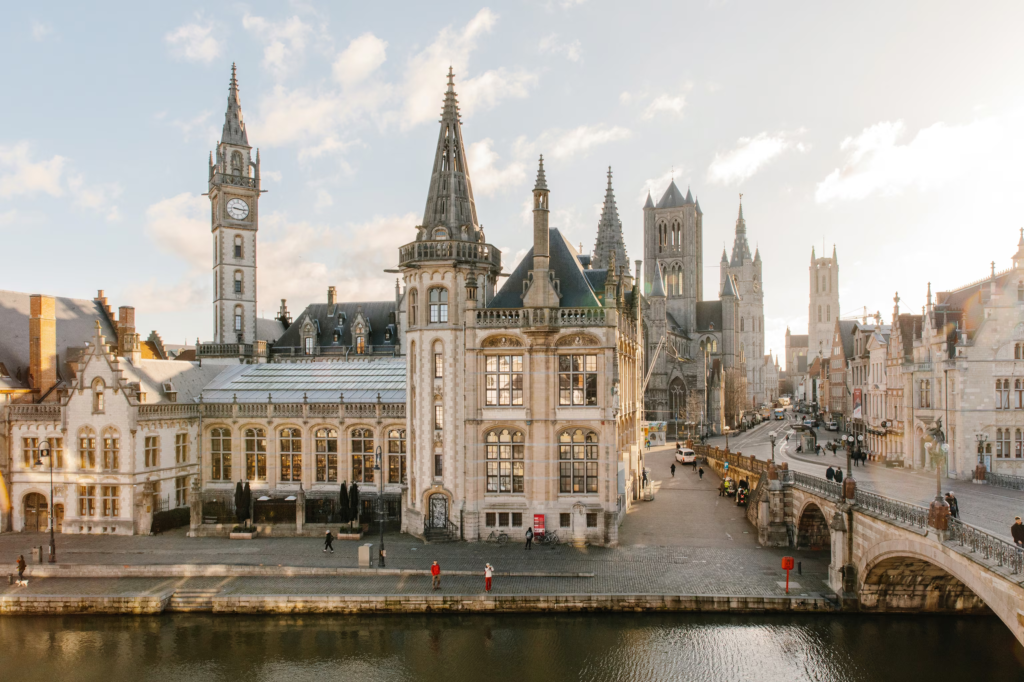
Many visitors to Belgium focus on Brussels or Bruges, but Ghent offers something unique: a medieval city with remarkable architecture that still feels like a living, dynamic place.
Ghent’s historic skyline is filled with towers, churches, and guild houses that reflect the city’s importance during the Middle Ages. At night, thoughtful lighting transforms canals and buildings into one of the most atmospheric urban landscapes in Europe.
What sets Ghent apart, however, is how modern and creative the city feels. University students, artists, and young professionals give the city an energy that blends naturally with its historic setting.
Walking along the canals in the evening, with reflections of medieval buildings shimmering on the water, often becomes one of those travel moments that stays with you long after the trip ends.
Articles Recommended:
- How to Travel Europe by Train: A Beginner’s Complete Guide
- Best Months to Visit Europe (And When to Avoid the Crowds)
Porto, Portugal
Lisbon often receives most of Portugal’s international attention, but Porto offers a character that many travelers find even more memorable.
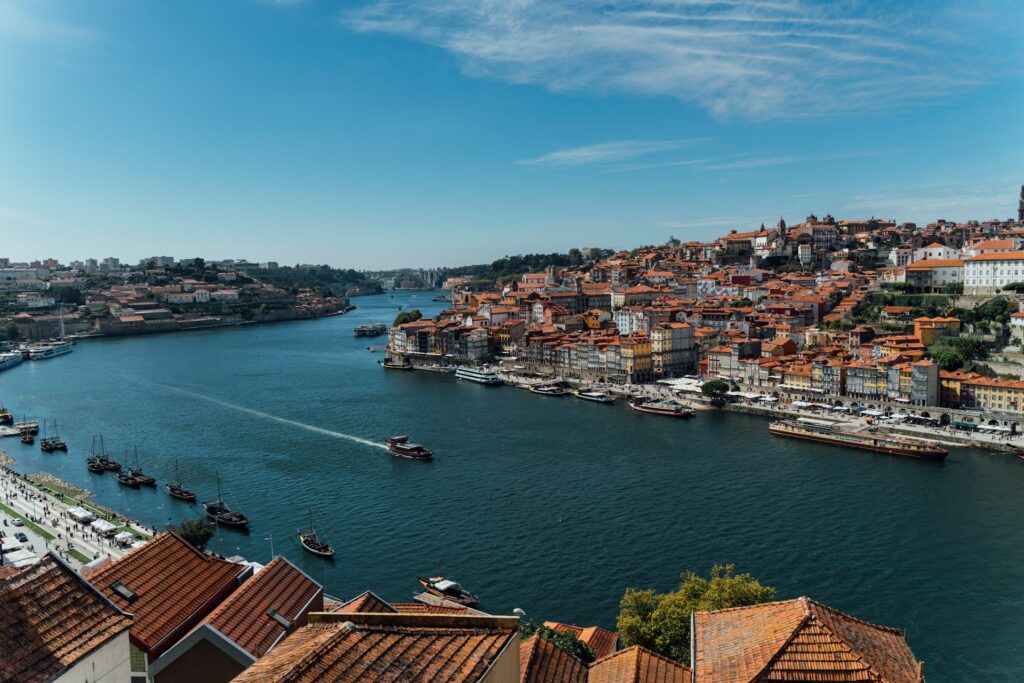
Built along the hills overlooking the Douro River, Porto’s colorful houses cascade down toward the waterfront. The Ribeira district, with its narrow streets and lively cafés, creates one of the most photogenic urban settings in Europe.
The city is also famous for its historic port wine cellars located just across the river in Vila Nova de Gaia. Visiting these cellars offers a glimpse into centuries of winemaking tradition that helped shape the region’s identity.
Yet Porto’s charm goes beyond wine and scenery. The city feels deeply authentic, with neighborhood cafés, local markets, and everyday life unfolding in ways that make visitors feel more connected to the place itself.
Tallinn, Estonia
Tallinn might be one of Europe’s most enchanting capitals, yet it still receives far fewer visitors than many cities in Western Europe.
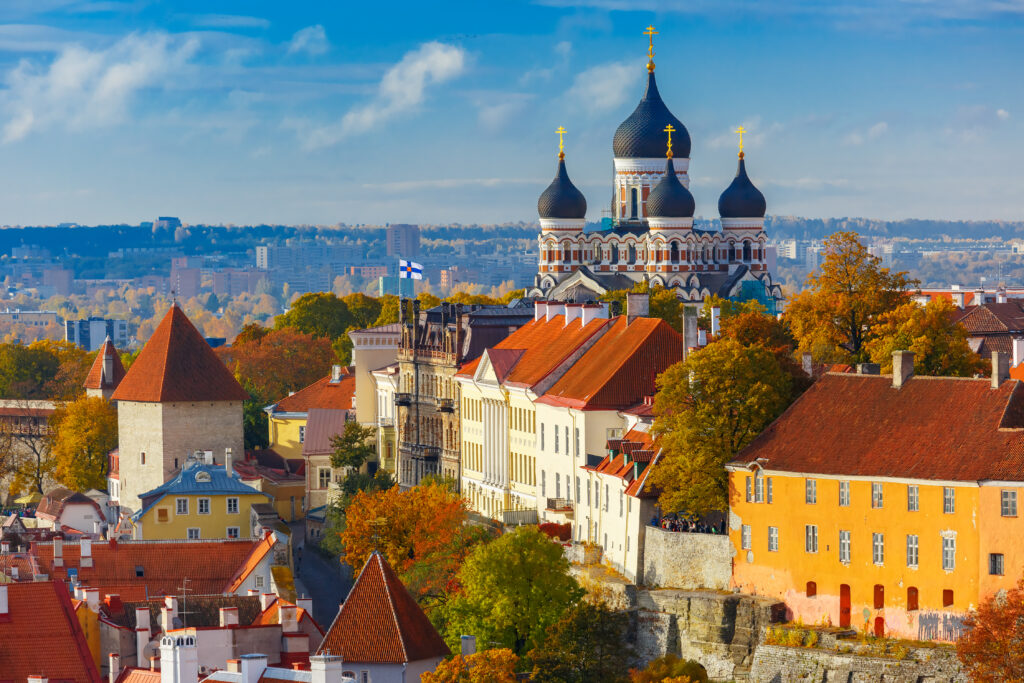
The historic center feels almost like stepping into a medieval storybook. Stone towers, narrow alleys, and preserved city walls create an atmosphere that seems untouched by time.
But Tallinn is far more than just a historic destination.
Estonia has developed one of the most advanced digital societies in Europe, and the city reflects this balance between tradition and innovation. Trendy cafés, creative districts, and modern design coexist comfortably with centuries-old architecture.
For travelers who enjoy places that combine history with a contemporary cultural scene, Tallinn offers an experience that feels both unique and refreshing.
Articles Recommended:
- The Biggest Mistakes First-Time Visitors Make in Europe
- Rome for the First Time: A Complete Travel Guide to Italy’s Eternal City
Tbilisi, Georgia
Although technically located at the crossroads of Europe and Asia, Tbilisi deserves attention from travelers exploring the broader European region.
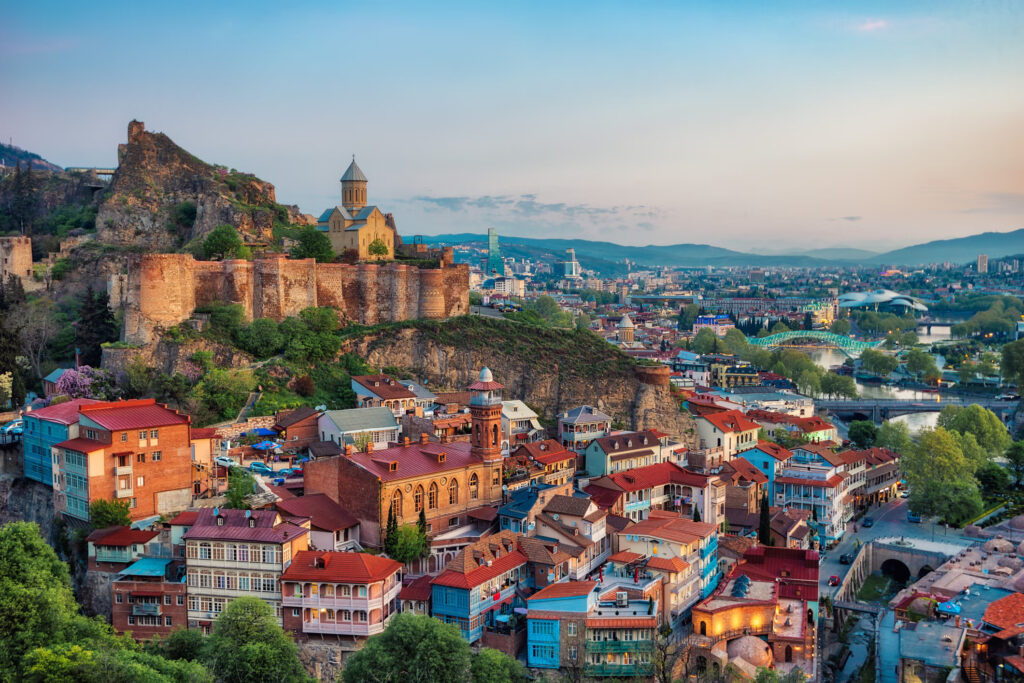
Georgia’s capital has developed into one of the most fascinating cultural destinations in recent years. Colorful wooden balconies, winding streets, and hilltop churches give the city a distinctive appearance that feels different from anywhere else in Europe.
Tbilisi’s food scene is another reason travelers fall in love with the city. Georgian cuisine combines rich flavors, fresh ingredients, and traditional cooking methods that create meals meant to be shared and enjoyed slowly.
The city’s creative energy is also remarkable. Old buildings have been transformed into art spaces, cafés, and design studios, creating neighborhoods where tradition and modern culture blend naturally.
For travelers willing to venture slightly beyond the usual European routes, Tbilisi can become one of the most rewarding discoveries.
Why Underrated Cities Often Offer the Best Experiences
After visiting many European destinations, I’ve come to appreciate how underrated cities often provide the most balanced travel experiences.
Large tourist hubs certainly offer iconic landmarks, but they can also feel crowded and rushed. In contrast, smaller or less famous cities tend to move at a slower pace.
Restaurants feel more local, neighborhoods reveal everyday life more clearly, and visitors often find themselves interacting more naturally with residents.
Traveling through these places encourages curiosity rather than checklist tourism.
Instead of rushing from one famous attraction to the next, travelers begin to notice the small details that define a place: the rhythm of local markets, the quiet corners of historic streets, or the simple pleasure of sitting in a café and watching daily life unfold.
Articles Recommended:
- How Many Days Do You Really Need in Europe?
- Tokyo for the First Time: A Complete Guide to Japan’s Most Dynamic City
Final Thoughts
Europe will always be known for its legendary cities, and destinations like Paris, Rome, and Barcelona deserve their reputation.
But some of the most meaningful travel experiences often happen in places that receive far less attention.
Cities like Ljubljana, Valencia, Bologna, Ghent, Porto, Tallinn, and Tbilisi reveal a different side of the continent — one that feels authentic, welcoming, and easier to explore without overwhelming crowds.
For travelers planning a trip to Europe in 2026, including one or two underrated cities in the itinerary can transform the journey. These destinations invite slower exploration, deeper connections, and the kind of discoveries that turn a good trip into an unforgettable one.
Written & updated by Matteo — Travelupo
