Discover the world. Create memories that last a lifetime.

Travel guides, hidden gems, and smart itineraries to help you explore better.
The Most Famous Landmarks in the World


The Most Famous Landmarks in the World (And Why They’re Worth Seeing in Person)
There are certain places in the world that almost don’t need an introduction.
You’ve seen them in photos, films, and travel guides so many times that they start to feel familiar — even before you visit them. But what I’ve realised after seeing a few of these landmarks in person is that they never feel quite the same as they look online.
Some are larger than expected. Others feel more atmospheric than impressive. And a few completely change the way you understand the place they belong to.
These are some of the most famous landmarks in the world — not just because of how they look, but because of the experience they offer when you actually stand in front of them.
Eiffel Tower, Paris, France
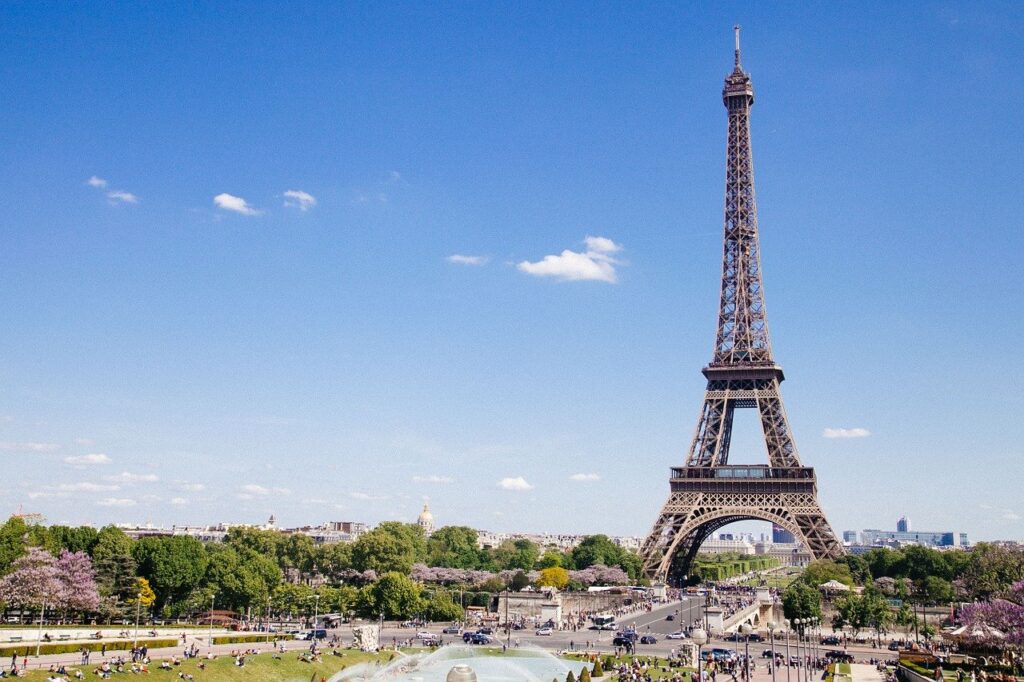
The Eiffel Tower is one of those landmarks that defines an entire city.
You can see it from multiple points across Paris, but the closer you get, the more its scale becomes noticeable. What stood out to me wasn’t just its height, but how it fits into the city’s layout — always present, but never overwhelming.
Going up to the top changes your perspective completely. Paris spreads out in every direction, and the city suddenly feels more structured and easier to understand.
It’s often described as romantic, and while that might sound like a cliché, there’s something about seeing it at sunset that makes that description feel accurate.
Articles Recommended:
- The Most Underrated Cities in Europe to Visit in 2026
- Why Europe Is One of the Best Places in the World for Solo Travel
Sydney Opera House, Sydney, Australia
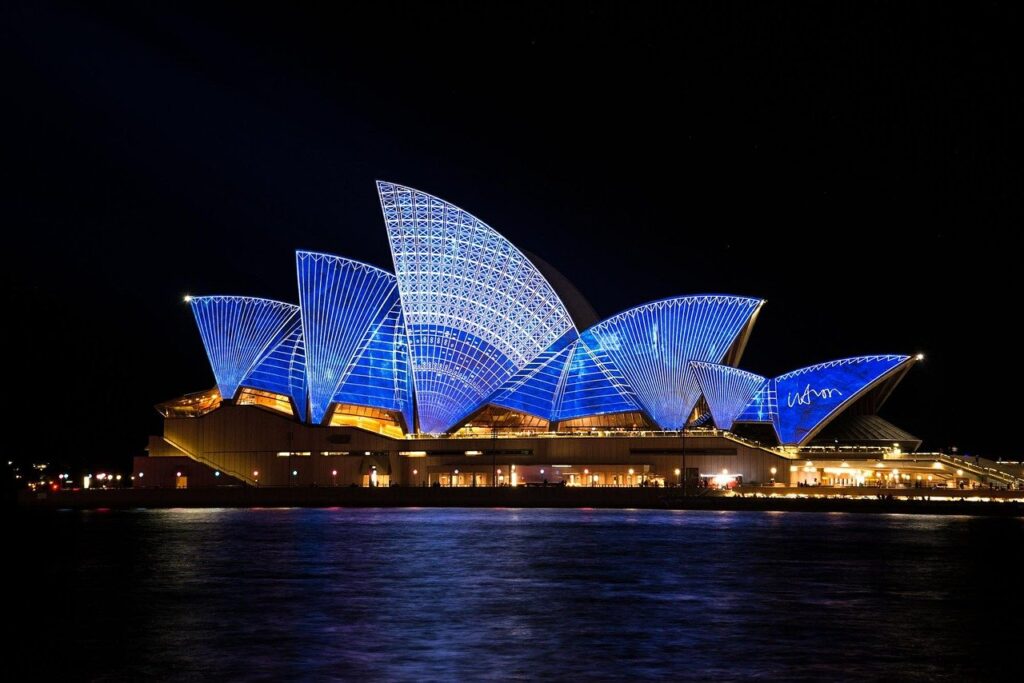
The Sydney Opera House is instantly recognisable, but what makes it interesting is how different it looks depending on where you stand.
From a distance, the structure seems almost unreal, with its sail-like design sitting directly on the harbour. Up close, the detail becomes more visible, especially the way the surface reflects light throughout the day.
It’s not just a landmark you look at — it’s part of the city’s daily life. Ferries pass by, people walk along the harbour, and events continue inside almost constantly.
The experience feels active rather than static.
The Pyramids of Giza, Egypt
The Pyramids are one of the few landmarks that genuinely feel timeless.
You can see them in photos countless times, but being there in person changes everything. The scale is difficult to fully grasp until you’re standing near them.
What makes them even more impressive is knowing how they were built — thousands of years ago, without modern tools.
The surrounding landscape adds to the experience. The desert feels open and quiet, and the pyramids rise from it in a way that feels almost unnatural.

The Colosseum, Rome, Italy
The Colosseum feels different from most landmarks because of what happened inside it.
From the outside, it’s impressive in size and structure. But once you step closer, you start to imagine how it was used — crowds, events, and the scale of entertainment that once took place there.
Walking around it, especially in the evening, gives it a completely different atmosphere. It becomes quieter, and the historical weight of the place becomes more noticeable.
It’s not just something to see — it’s something to reflect on.

Articles Recommended:
- The Most Beautiful Castles in the World (And Why They’re Worth Visiting)
- The Most Beautiful Islands in the World (And How to Choose the Right One)
Statue of Liberty, New York, USA
The Statue of Liberty is one of the strongest symbols associated with a country.
Seeing it from the water gives you the best perspective. As you approach, the statue feels larger and more detailed than expected.
What stood out to me is how it represents more than just a structure. It carries meaning — history, identity, and a sense of arrival.
That’s part of why it continues to attract so many visitors.

Great Wall of China
The Great Wall is difficult to compare with anything else.
It doesn’t exist in one place — it stretches across landscapes, moving through mountains and valleys in a way that feels endless.
Walking on it gives you a better understanding of its scale. It’s not just long — it’s physically demanding, with steep sections and uneven paths.
The surrounding views are just as important as the wall itself. You’re not just looking at a structure, but at how it interacts with the landscape.

Taj Mahal, India
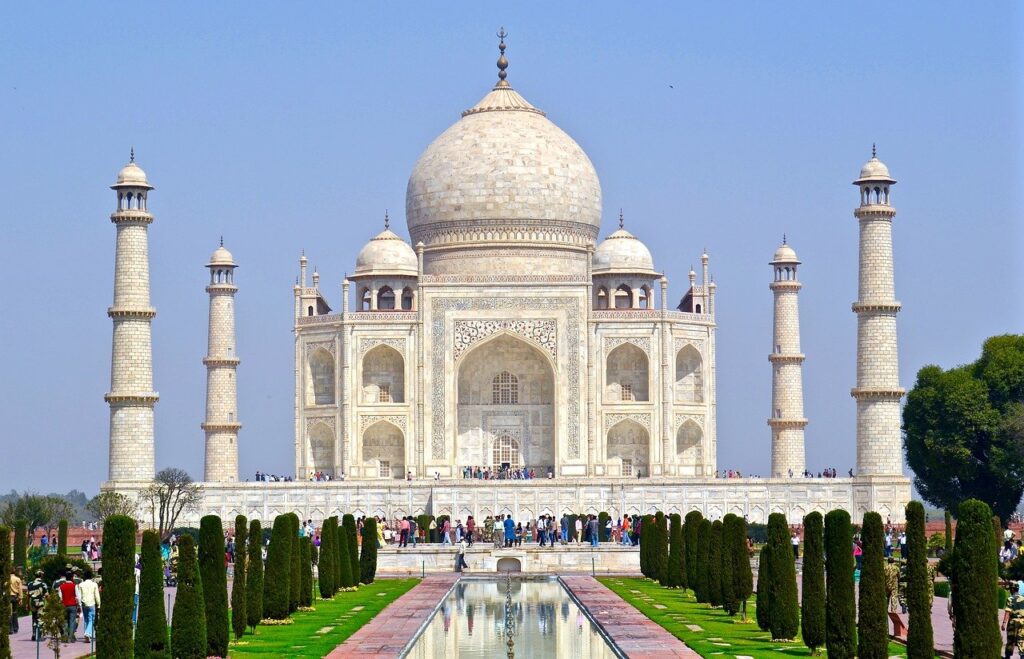
The Taj Mahal stands out for a different reason.
It’s not massive in the same way as some other landmarks, but its detail and symmetry make it one of the most visually balanced structures in the world.
What surprised me most was how the atmosphere changes throughout the day. Early morning feels calm and quiet, while later hours bring more movement and energy.
It was built as a monument of love, and that story adds another layer to the experience.
Articles Recommended:
- Island Hopping in Greece: A Realistic Itinerary for Sun, Beaches, and Variety
- A Foodie’s Guide to Barcelona: What to Eat and Where to Start
Christ the Redeemer, Rio de Janeiro, Brazil
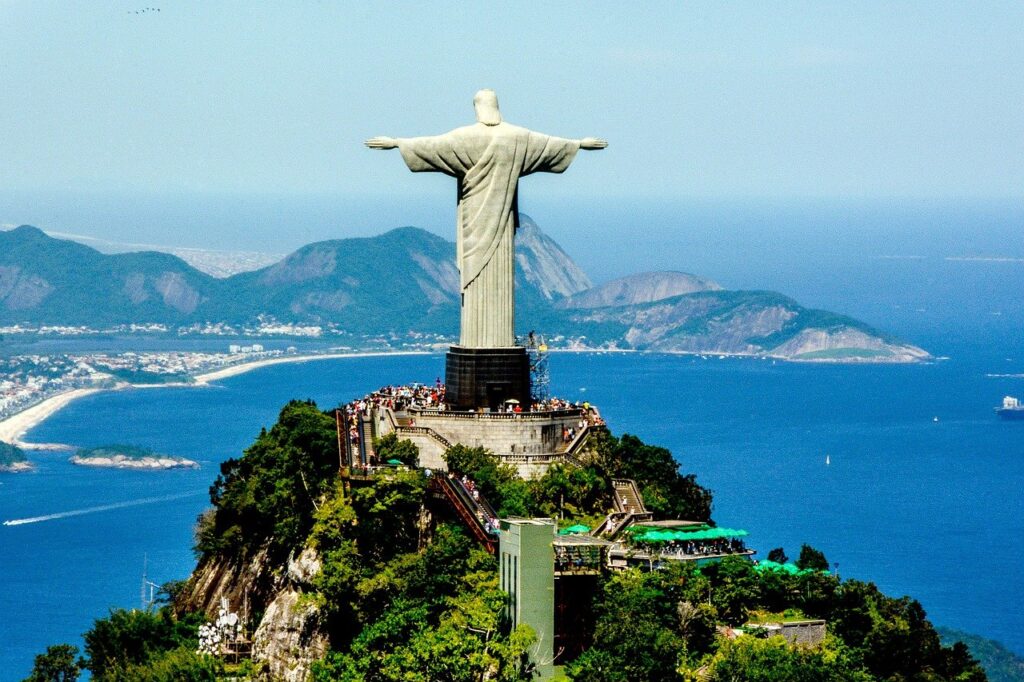
Christ the Redeemer is as much about the view as it is about the statue itself.
Reaching the top of Corcovado Mountain is part of the experience. Once there, the city of Rio spreads out below you, with the coastline, mountains, and urban landscape all visible at once.
The statue itself is simple in design, but its position gives it presence.
It feels less like a monument and more like a point of perspective over the entire city.
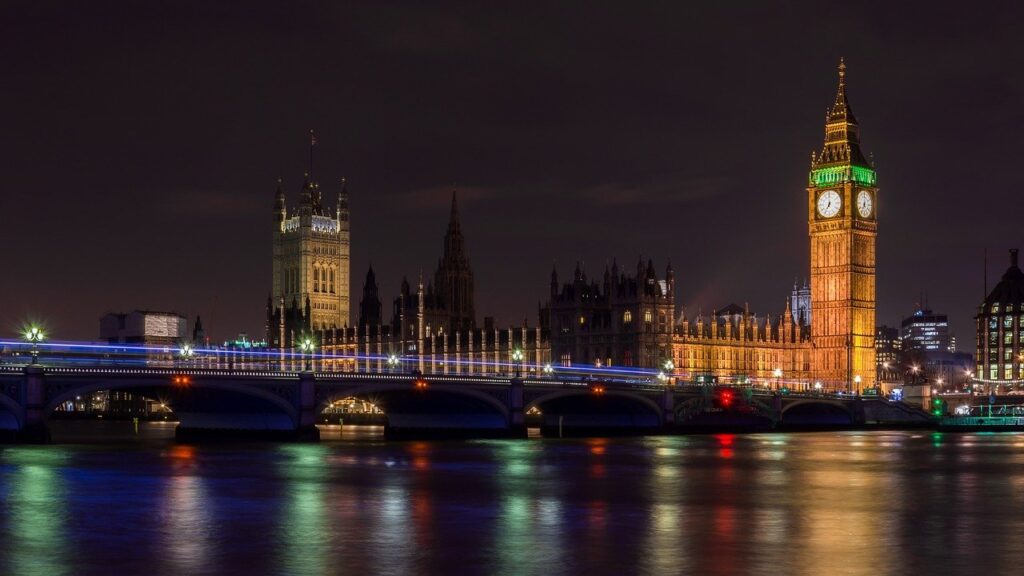
Big Ben, London, United Kingdom
Big Ben is one of the most recognisable landmarks in Europe, even though many people don’t realise it refers specifically to the bell inside the tower.
What makes it interesting is how integrated it is into the city. It’s not isolated — it sits within a busy area of London, surrounded by traffic, people, and daily life.
Hearing it ring adds something that photos can’t capture.
It’s a landmark you experience not just visually, but through sound and atmosphere.
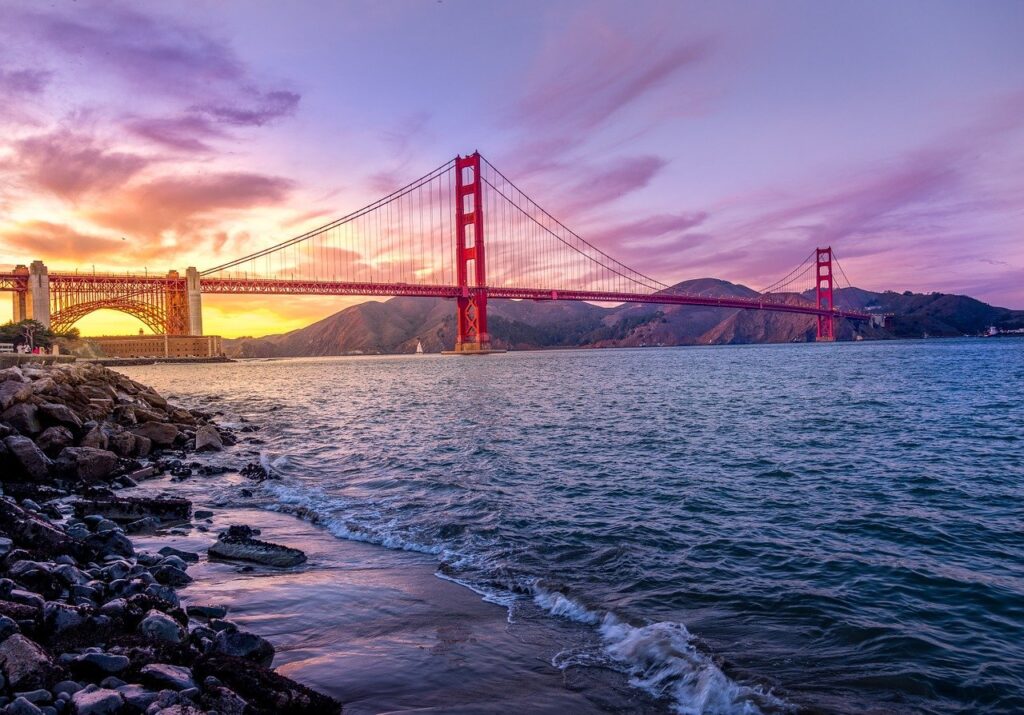
Golden Gate Bridge, San Francisco, USA
The Golden Gate Bridge is one of those landmarks where the setting is just as important as the structure.
Fog, wind, and changing light conditions mean it never looks exactly the same twice.
Walking across it gives you a completely different perspective compared to viewing it from afar. You feel the scale, the movement, and even the weather in a more direct way.
It’s not just something you look at — it’s something you move through.
Articles Recommended:
- How to Plan a 2-Week Europe Itinerary (Step-by-Step)
- The Most Beautiful Small Towns in Europe That Feel Like a Fairytale
Why Seeing Landmarks in Person Still Matters
With so much content online, it’s easy to feel like you’ve already “seen” these places.
But being there is different.
It’s not just about the structure — it’s about:
- The scale
- The atmosphere
- The surrounding environment
Some landmarks meet expectations. Others exceed them. And a few feel completely different from what you imagined.
Final Thoughts
The most famous landmarks in the world are not just popular because of their appearance.
They represent moments in history, cultural identity, and the character of the places they belong to.
Seeing them in person adds context that photos can’t provide.
And in many cases, the experience stays with you longer than expected — not because of how famous they are, but because of how they make you see a place differently.
Written & updated by Matteo — Travelupo
