Discover the world. Create memories that last a lifetime.

Travel guides, hidden gems, and smart itineraries to help you explore better.
The Best European Cities to Visit for the First Time

Planning your first trip to Europe can feel overwhelming.
The continent is dense with history, culture, languages, and architectural styles that shift dramatically within just a few hundred kilometers. Flights connect capitals in under two hours. High-speed trains glide between countries. Each city promises something iconic — a cathedral, a museum, a river, a skyline you’ve seen in photographs for years.
The temptation is to try to see everything.
But for a first trip, Europe is best approached with focus. The cities that leave the strongest impression are not necessarily the biggest or the most famous — they are the ones that introduce you gently to the rhythm of the continent.
After years of traveling across Europe — sometimes quickly, sometimes slowly — I’ve come to believe that certain cities offer the perfect first encounter. They combine beauty with walkability, culture with accessibility, and energy with ease.
If it’s your first time visiting Europe, these cities create a foundation that makes you want to return.
Paris — The Emotional Introduction
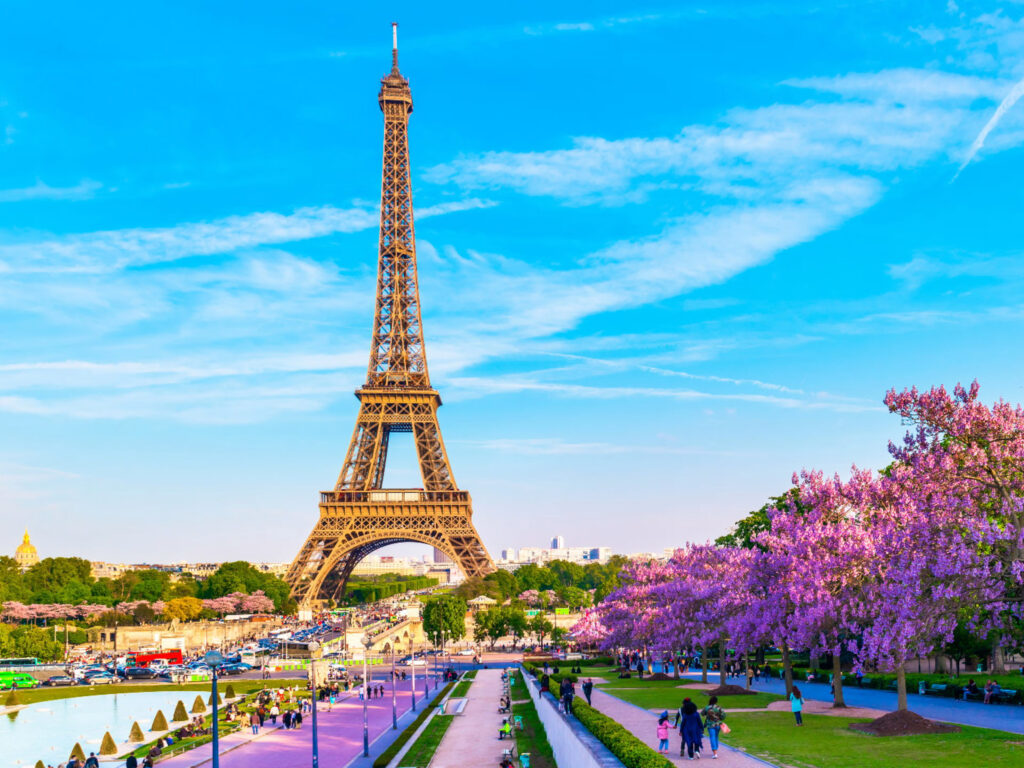
There’s a reason Paris appears at the top of so many first-time Europe itineraries. It’s not simply because of the Eiffel Tower or the Louvre. It’s because Paris feels like the distilled idea of Europe.
Wide boulevards, café terraces, riverbanks at sunset — the city carries both grandeur and intimacy. For a first visit, Paris offers something rare: familiarity mixed with surprise.
You can walk for hours without needing a strict plan. The Seine connects neighborhoods seamlessly. Museums sit within reach of one another. Even if you visit only a handful of landmarks, the city feels complete.
Paris also teaches an important lesson early: Europe rewards wandering. Some of my strongest memories there aren’t from major attractions, but from quiet streets in Le Marais or early mornings near Canal Saint-Martin before the city fully wakes.
For first-time travelers, Paris offers depth without chaos.
Articles Recommended:
Rome — Where History Feels Alive
If Paris is elegance, Rome is immersion.
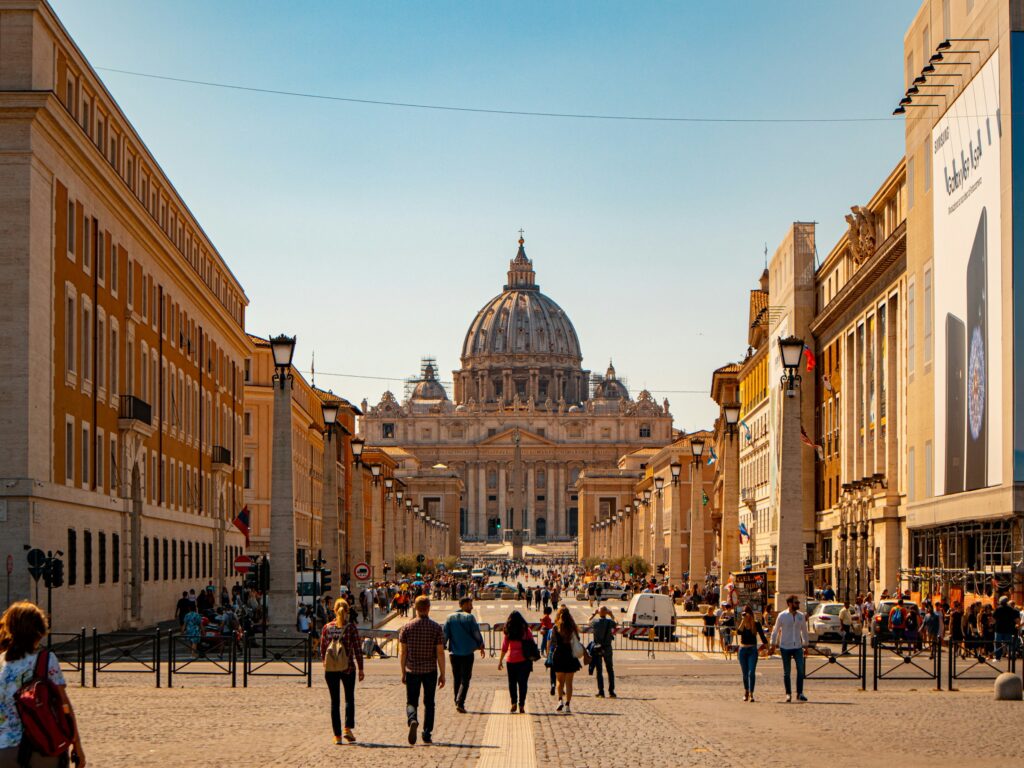
Few places in the world layer history as visibly as Rome. Ancient ruins stand beside Renaissance churches. Baroque fountains spill into lively piazzas. Everyday life unfolds in the shadow of monuments that are thousands of years old.
For a first trip, Rome can feel overwhelming — but that intensity is part of its magic.
Unlike cities that present history neatly behind museum glass, Rome integrates it into daily movement. You don’t visit the past; you walk through it.
Yes, it requires patience. Crowds gather at the Colosseum and Vatican Museums. But step a few streets away, and Rome reveals a quieter face — local trattorias, neighborhood bakeries, hidden courtyards.
Rome teaches first-time visitors that Europe is not simply about beauty. It is about continuity.
Barcelona — Balance Between City and Sea
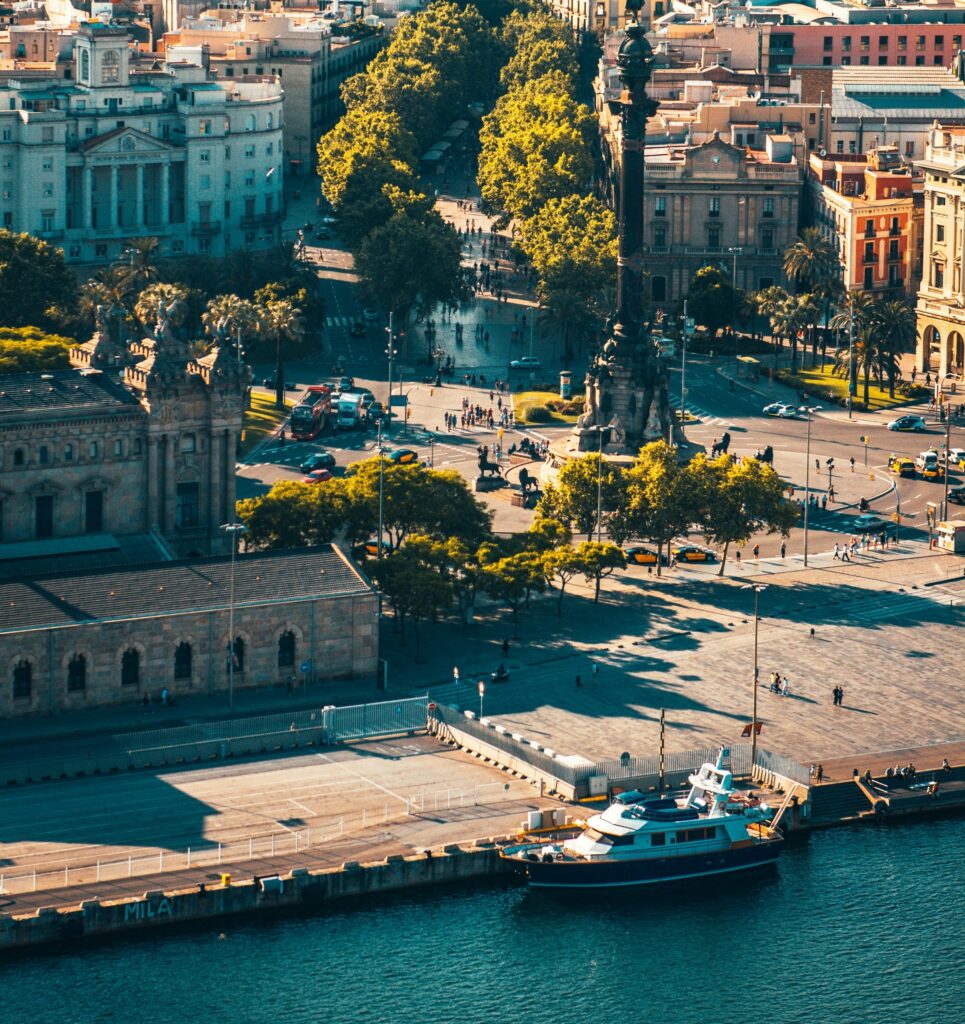
My favourite city i have visited is Barcelona and it works exceptionally well for a first European trip because it offers balance.
It has striking architecture — Gaudí’s imprint alone makes it unforgettable. It has walkable neighborhoods. It has beaches. It has food culture that feels social rather than formal.
The city feels vibrant without being overwhelming. You can spend the morning exploring the Gothic Quarter, the afternoon by the Mediterranean, and the evening in a lively square filled with conversation.
Barcelona also introduces visitors to regional identity. Catalonia has its own language, traditions, and rhythm. For first-time travelers, this offers an early understanding that Europe is not a single cultural block — it is a mosaic.
Articles Recommended:
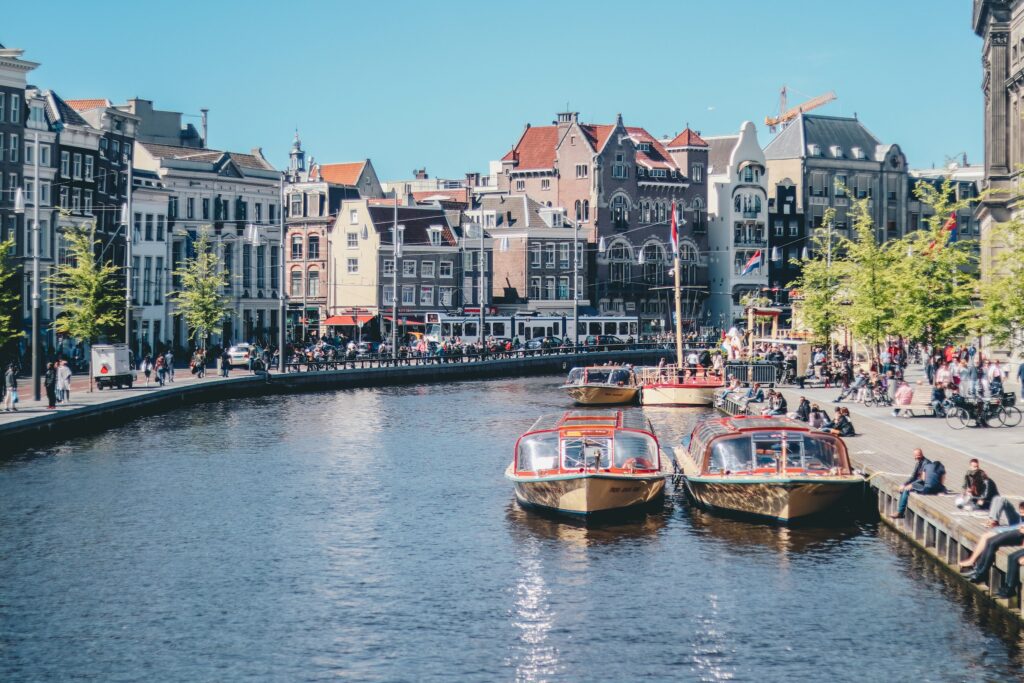
Amsterdam — Compact and Effortless
Amsterdam is one of the easiest European cities to navigate.
It’s compact. It’s organized. It’s visually distinct. Canals replace wide avenues. Bicycles outnumber cars. The atmosphere feels relaxed, even in busy seasons.
For a first trip, Amsterdam removes logistical stress. The airport connects quickly to the center. Major museums sit within walking distance of one another. English is widely spoken.
But beyond convenience, Amsterdam offers character.
There’s a quiet elegance to its canal houses and a calm energy along the water at dusk. Spend enough time there, and you realize the city is less about landmarks and more about atmosphere.
It’s a gentle entry point into European urban life.
Lisbon — Light, Texture, and Warmth
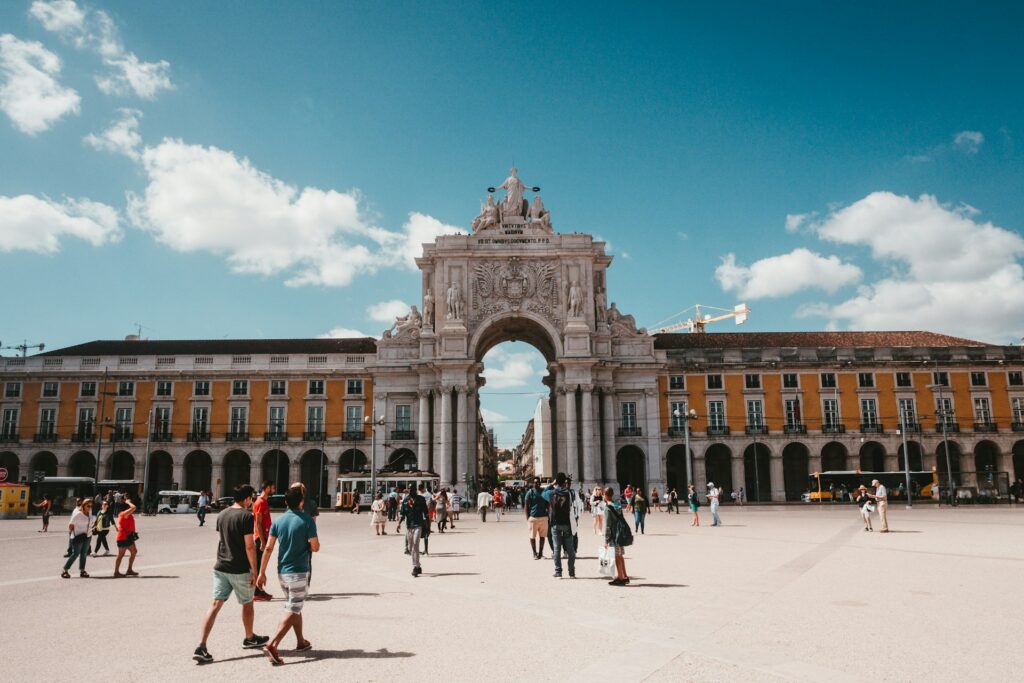
Lisbon often surprises first-time visitors.
The city unfolds across hills, overlooking the Atlantic, washed in warm light that changes throughout the day. Tram lines climb steep streets. Miradouros — scenic viewpoints — invite pauses rather than rushing.
Compared to some Western European capitals, Lisbon still feels moderately priced and less compressed. Meals stretch long. Conversations linger.
For a first European trip, Lisbon introduces something important: pace.
The city doesn’t demand urgency. It rewards slowing down, sitting on terraces, listening to Fado music drifting through narrow streets.
Lets just say Lisbon feels welcoming without feeling staged.
Articles Recommended:
- A Practical, Honest Guide to Visiting Barcelona for the First Time
- Why Shoulder Season Travel in Europe Is Smarter Than Summer
Prague — A Fairytale That Feels Real
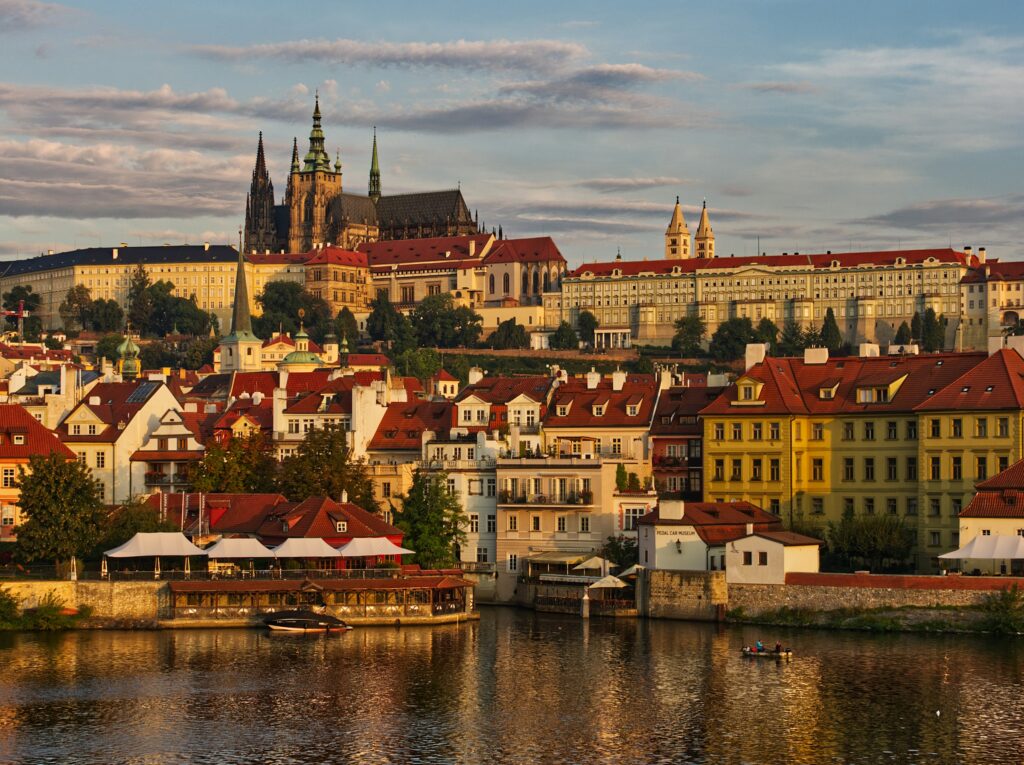
Prague is often described as fairytale-like, and visually, that’s true. Gothic spires rise above red rooftops. The Old Town Square glows at dusk. Charles Bridge feels cinematic.
But Prague also works well for first-time travelers because it’s approachable.
The historic core is concentrated. You can explore extensively on foot. Public transport is efficient and affordable. Cultural experiences — from classical concerts to local beer halls — are accessible without requiring luxury budgets.
While parts of Prague see heavy tourism, the city still retains authenticity in neighborhoods beyond the main square.
For many first-time visitors, Prague delivers the romantic idea of Europe they imagined — but with enough depth to keep it grounded.
Vienna — Order, Culture, and Calm
The truth is Vienna doesn’t shout for attention. It unfolds quietly.
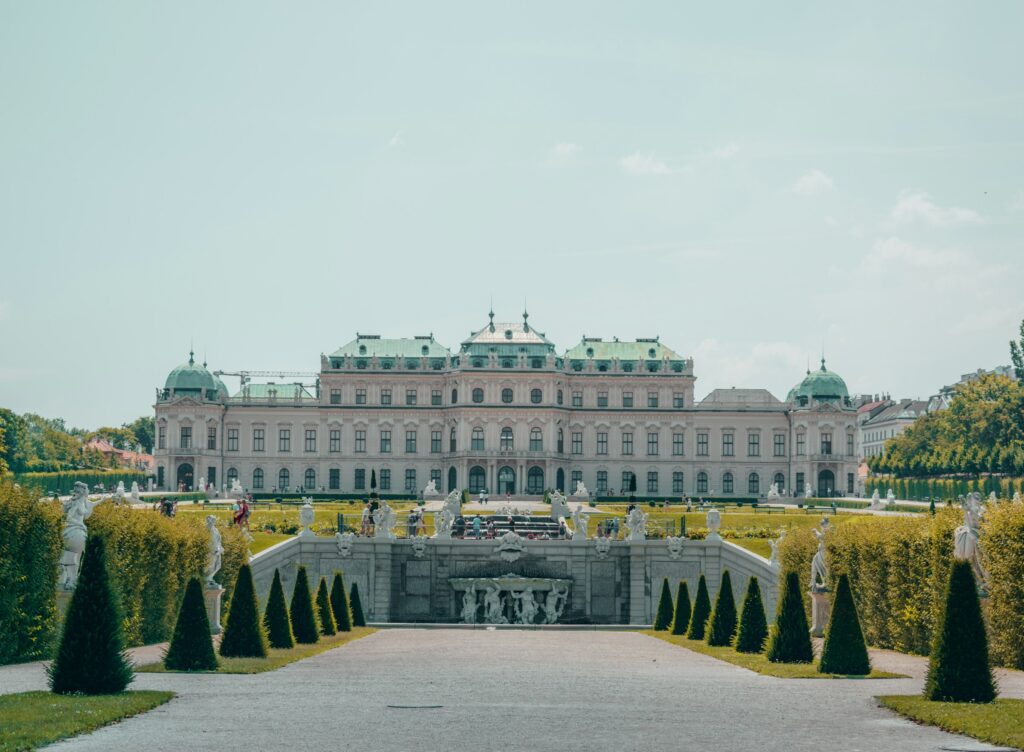
The city offers grand architecture, classical music heritage, café culture, and a sense of organization that can feel reassuring for first-time visitors.
Vienna is clean, efficient, and beautifully proportioned. The Ringstrasse circles the historic center with impressive symmetry. Museums and palaces are easy to navigate.
For travelers who appreciate structure and elegance, Vienna provides a calm introduction to Central Europe.
And its café culture — slow afternoons with coffee and cake — reinforces the idea that Europe is meant to be experienced deliberately.
Articles Recommended:
- Best European Cities to Visit in May (Warm Weather, Fewer Crowds & Better Prices)
- European Destinations That Are Perfect for a First-Time Solo Trip
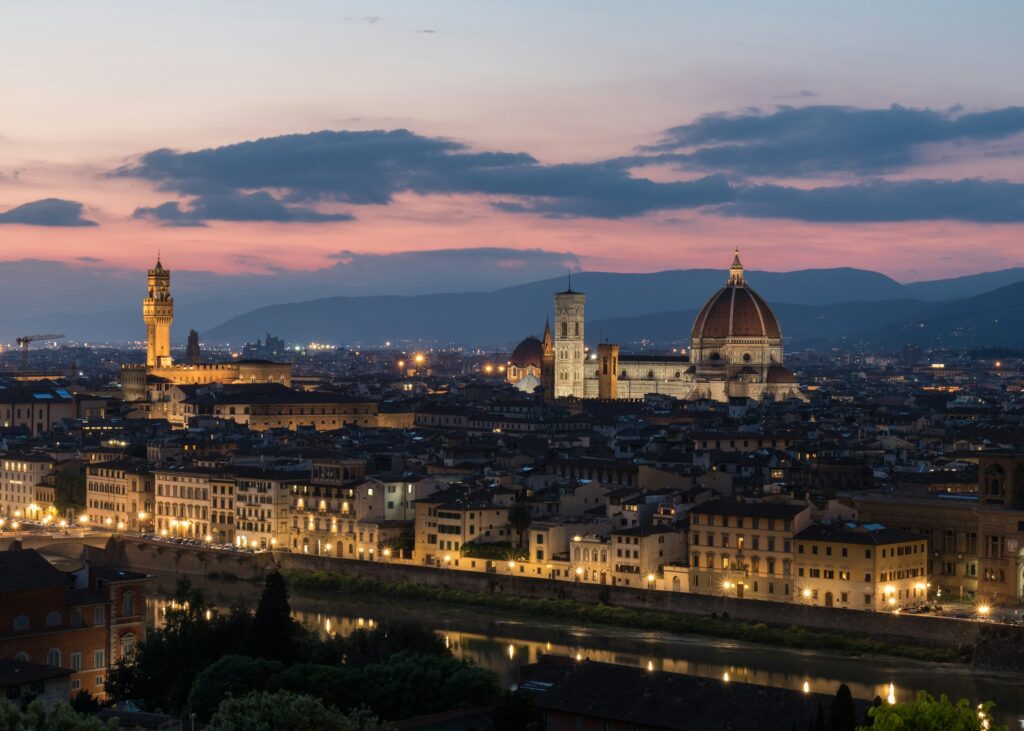
Florence — Scale and Intimacy
Florence works exceptionally well for first-time visitors because of its scale.
Unlike sprawling capitals, Florence feels intimate. The Duomo anchors the city visually. Renaissance art fills museums and churches within a compact area.
You don’t need public transport to experience Florence fully. Everything sits within walking distance.
This scale allows first-time travelers to feel oriented quickly. You can recognize streets, return to the same café, develop familiarity within days.
Also Florence introduces the idea that Europe’s beauty is often concentrated rather than vast.
Choosing the Right First City
Not every first trip needs to include multiple countries.
In fact, one of the most common mistakes first-time visitors make is trying to see too much too quickly. Three cities in a week may sound efficient, but it often reduces depth.
Europe rewards focus.
Choosing one or two cities and allowing time to absorb them creates a more meaningful experience than racing across borders.
Each of the cities above offers:
Strong infrastructure
Walkability
Cultural depth
Visual identity
Accessible transportation
They are not necessarily the only options — but they create a stable starting point.
Articles Recommended:
- The Most Underrated Cities in Europe to Visit in 2026
- Why Europe Is One of the Best Places in the World for Solo Travel
What Makes a City Ideal for First-Time Visitors?
After years of travel, I’ve noticed that the best first-time cities share certain qualities.
They are navigable without constant stress. They offer visible history without requiring extensive background knowledge. They allow wandering without feeling unsafe or disoriented.
Also they provide moments of recognition — places you’ve seen in films, books, or photographs — which anchor the emotional experience.
Europe can feel complex at first. The right city softens that complexity rather than amplifying it.
Final Thoughts
Your first trip to Europe will shape how you see the continent.
Choose cities that invite you in rather than overwhelm you. Choose places where walking feels natural, where public transport is intuitive, where cafés encourage lingering.
Paris may introduce you emotionally. Rome may immerse you in history. Barcelona may balance culture and coastline. Amsterdam may calm you. Lisbon may slow you down.
The most important decision isn’t how many cities you visit.
It’s how deeply you allow yourself to experience the ones you choose.
Europe is not meant to be completed.
It’s meant to begin.
Written & updated by Matteo — Travelupo
