Discover the world. Create memories that last a lifetime.

Travel guides, hidden gems, and smart itineraries to help you explore better.
Rome for the First Time: A Complete Travel Guide to Italy’s Eternal City

Rome for the First Time: A Complete Travel Guide to Italy’s Eternal City
Few cities in the world carry the weight of history quite like Rome. Walking through its streets often feels less like exploring a city and more like stepping through layers of time. Ancient ruins appear between modern cafés, fountains flow beside Renaissance palaces, and quiet cobblestone alleys suddenly open into grand piazzas that have been gathering people for centuries.
When I first arrived in Rome, I expected to be impressed by famous landmarks. What I didn’t expect was how alive the city would feel. Rome isn’t a museum frozen in history; it’s a living place where daily life unfolds around some of the most important historical sites on earth.
For travelers visiting Europe for the first time, Rome offers something rare: a city where iconic sights, local culture, food, and atmosphere blend together effortlessly. With a bit of preparation, a visit here becomes far more than a checklist of monuments.
Understanding the Rhythm of Rome
One of the first things you notice in Rome is that the city moves at its own pace. Compared with some European capitals, life here feels relaxed and unhurried. Meals last longer, evenings stretch late into the night, and many of the most memorable moments happen away from famous landmarks.
Morning is when the city feels calmest. Locals stop briefly at cafés for espresso and pastries before beginning their day. By midday the streets fill with visitors exploring historic neighborhoods, while the late afternoon brings a slower rhythm as people gather in piazzas or walk along the Tiber River.
Evenings are when Rome truly shines. Restaurants open their terraces, fountains glow under soft lighting, and the temperature becomes perfect for wandering without a plan.
Understanding this rhythm makes the experience much more enjoyable. Instead of rushing from one attraction to the next, Rome rewards travelers who allow time simply to walk and observe.

The Historic Heart of the City
Rome’s historic center is remarkably compact considering the city’s enormous historical significance. Many of the most famous landmarks are within walking distance of each other, which makes exploring on foot one of the best ways to experience the city.
The Colosseum is often the first place visitors imagine when thinking about Rome. Standing before it in person is a powerful experience. Built nearly two thousand years ago, it remains one of the most recognizable structures from the ancient world. Nearby, the Roman Forum reveals the remains of temples, markets, and political buildings that once formed the heart of the Roman Empire.
Walking through this area gives a sense of how influential ancient Rome once was. The scale of the ruins reminds visitors that this city once controlled territories stretching across Europe, North Africa, and the Middle East.
Yet Rome’s historic center isn’t defined only by ancient ruins. Just a short walk away, the Pantheon stands as one of the best-preserved buildings from antiquity. Its massive dome and perfectly balanced architecture continue to impress engineers and architects even today.
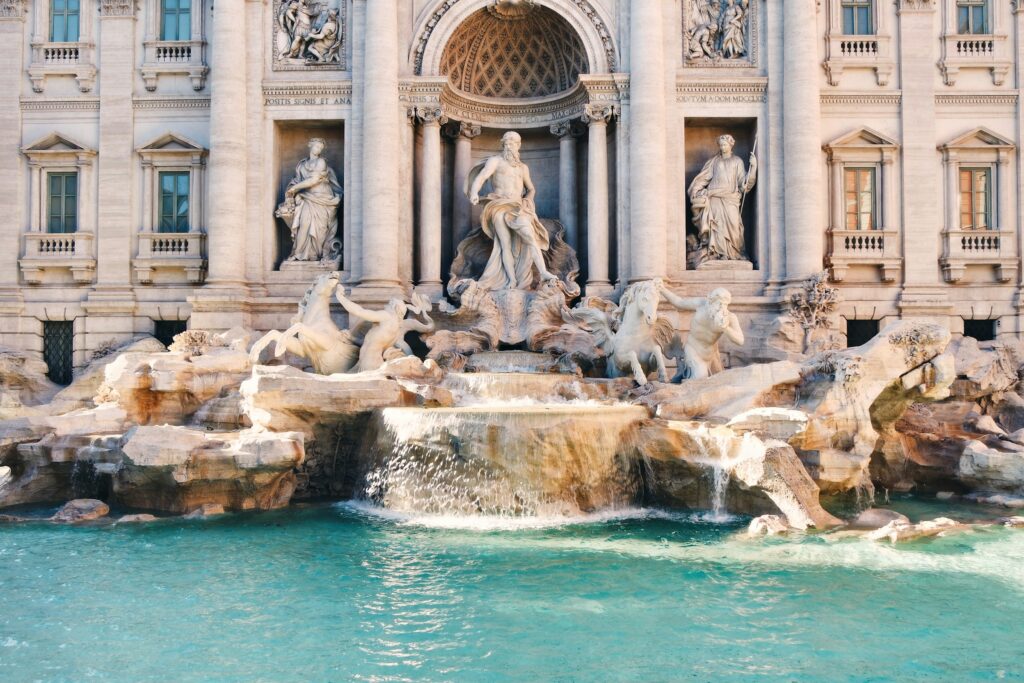
Not far from there, the Trevi Fountain attracts visitors with its dramatic baroque design and the centuries-old tradition of tossing a coin into the water. While the fountain can be crowded during the day, visiting early in the morning or later at night reveals a quieter and more magical atmosphere.
Articles Recommended:
- Tokyo for the First Time: A Complete Guide to Japan’s Most Dynamic City
- How Many Days Do You Really Need in Europe?
Exploring Rome’s Neighborhoods
Beyond the major landmarks, Rome’s personality truly emerges through its neighborhoods.
Trastevere is one of the most beloved areas for visitors and locals alike. Located across the Tiber River, it offers narrow streets, ivy-covered buildings, and a lively restaurant scene. During the evening, this district becomes especially vibrant as people gather for dinner, drinks, and conversation.
Monti, located near the Colosseum, has a slightly different atmosphere. Once a working-class neighborhood, it has gradually transformed into a creative area filled with small boutiques, wine bars, and artisan shops. Its central piazza often fills with locals relaxing on the steps or chatting with friends.
For a more elegant side of the city, the Spanish Steps area offers high-end shopping streets and beautiful views across Rome’s rooftops. Although it attracts many visitors, wandering through nearby side streets often reveals quieter corners filled with local cafés.
Each neighborhood reflects a different aspect of Roman life. Spending time in several districts provides a fuller understanding of the city beyond its monuments.
The Food Culture of Rome
Food is an essential part of the Roman experience. The city’s culinary traditions are deeply rooted in local ingredients and simple preparation, creating dishes that are both comforting and memorable.
Classic Roman pasta dishes such as carbonara, cacio e pepe, and amatriciana appear on menus throughout the city. While the ingredients are straightforward — pasta, cheese, eggs, pepper, and cured meats — the balance of flavors makes these dishes iconic.
Markets also reveal another side of Roman food culture. Campo de’ Fiori hosts one of the city’s most famous open-air markets, where vendors sell fresh produce, cheeses, herbs, and regional specialties. Walking through the market in the morning offers a glimpse into everyday Roman life.
Street food is equally appealing. Supplì, fried rice balls filled with tomato sauce and melted mozzarella, are a favorite snack. Many bakeries also serve slices of pizza al taglio, a style of pizza baked in large trays and sold by weight.
Dining in Rome is rarely rushed. Meals often unfold slowly, beginning with appetizers and continuing through several courses. Taking time to enjoy these moments is an important part of experiencing the city authentically.
Articles Recommended:
Visiting the Vatican
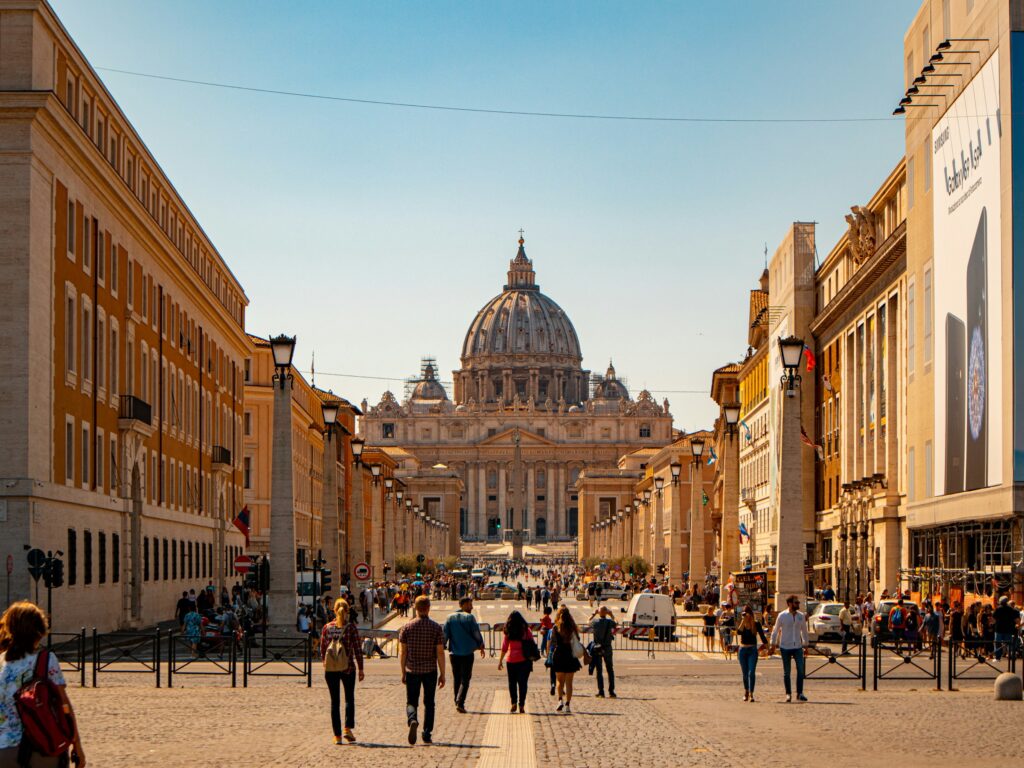
Within the city of Rome lies another independent state: Vatican City. This small enclave serves as the center of the Roman Catholic Church and houses some of the most important religious and artistic treasures in the world.
St. Peter’s Basilica stands at the heart of the Vatican and impresses visitors with its enormous scale and intricate design. Climbing to the top of its dome offers one of the most spectacular panoramic views of Rome.
Nearby, the Vatican Museums contain an extraordinary collection of art accumulated over centuries. The highlight for many visitors is the Sistine Chapel, where Michelangelo’s ceiling frescoes remain one of the most celebrated works in Western art.
Because these sites attract millions of visitors each year, arriving early in the day can make a significant difference in avoiding long lines.

How Many Days to Spend in Rome
Rome is a city that rewards longer visits, but even a shorter stay can provide a meaningful introduction.
Three to four days generally offers enough time to explore the major landmarks while also enjoying the atmosphere of the city’s neighborhoods. This timeframe allows visitors to see historical sites, sample Roman cuisine, and wander through quieter streets that reveal the city’s everyday character.
Longer stays provide the opportunity to explore additional areas, visit lesser-known museums, or take day trips to nearby destinations such as Tivoli or the Roman countryside.
Regardless of the length of your stay, balancing sightseeing with unstructured time makes the experience far more enjoyable.
Articles Recommended:
Practical Tips for First-Time Visitors
Rome is best explored on foot whenever possible. The historic center is walkable, and many discoveries happen while wandering between destinations.
Comfortable shoes quickly become essential. The city’s cobblestone streets add charm but can also make long walks tiring without proper footwear.
Public transportation, including buses and the metro, helps reach areas further from the center. However, walking remains the most rewarding way to experience Rome’s historic districts.
Finally, patience is helpful when visiting popular attractions. Rome receives millions of visitors each year, and some locations can become crowded. Visiting early in the morning or later in the evening often provides a more relaxed experience.

Final Thoughts
Rome is often described as the Eternal City, and after spending time there, it’s easy to understand why. Few places combine history, culture, art, and everyday life so seamlessly.
For first-time travelers to Europe, Rome offers a powerful introduction to the continent’s past and present. Ancient ruins stand beside lively neighborhoods, historic churches share streets with modern cafés, and every corner seems to reveal another story waiting to be discovered.
What makes Rome unforgettable isn’t only its monuments, but the way the city invites you to slow down and absorb its atmosphere. After a few days wandering its streets, many travelers realize that Rome isn’t just a destination to visit once — it’s a city that calls people back again and again.
Written & updated by Matteo — Travelupo
