Discover the world. Create memories that last a lifetime.

Travel guides, hidden gems, and smart itineraries to help you explore better.
Places to Visit in Iceland for an Unforgettable First Trip

Places to Visit in Iceland for an Unforgettable First Trip
Iceland doesn’t feel like a typical destination.
It’s not just about cities or landmarks — it’s about landscapes that constantly change. In a single day, you can move from volcanic terrain to waterfalls, from glaciers to geothermal springs.
What makes Iceland unique is how raw everything feels. Nature is not something you visit here — it surrounds you.
If you’re planning your first trip, the goal is not to see everything, but to focus on the places that give you a real sense of what the country is like.
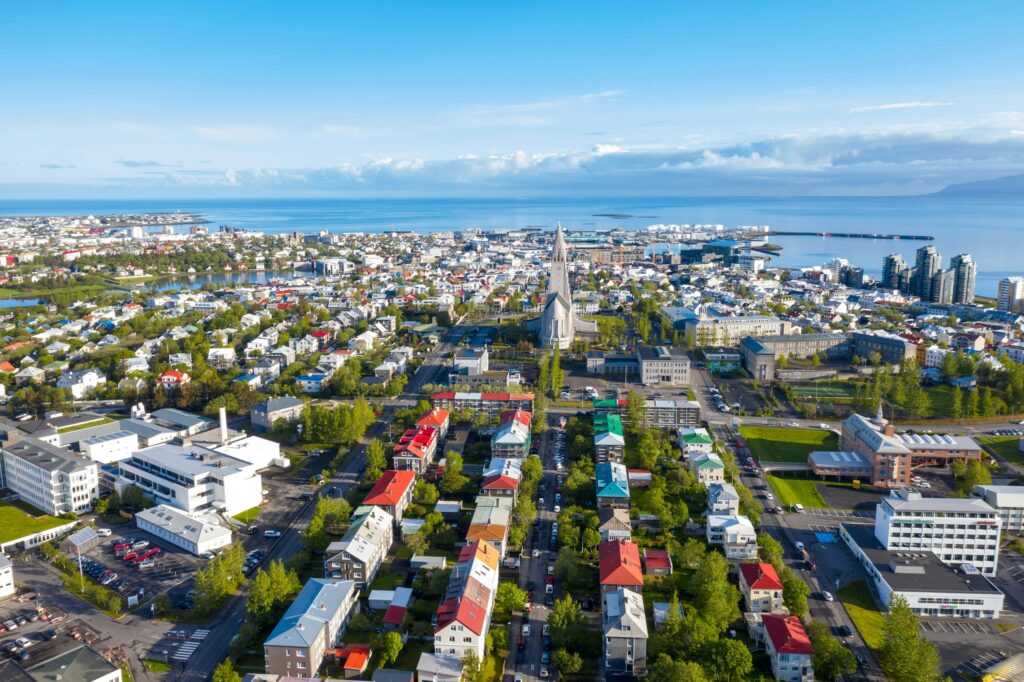
Reykjavík — Your Starting Point
Most trips to Iceland begin in Reykjavík.
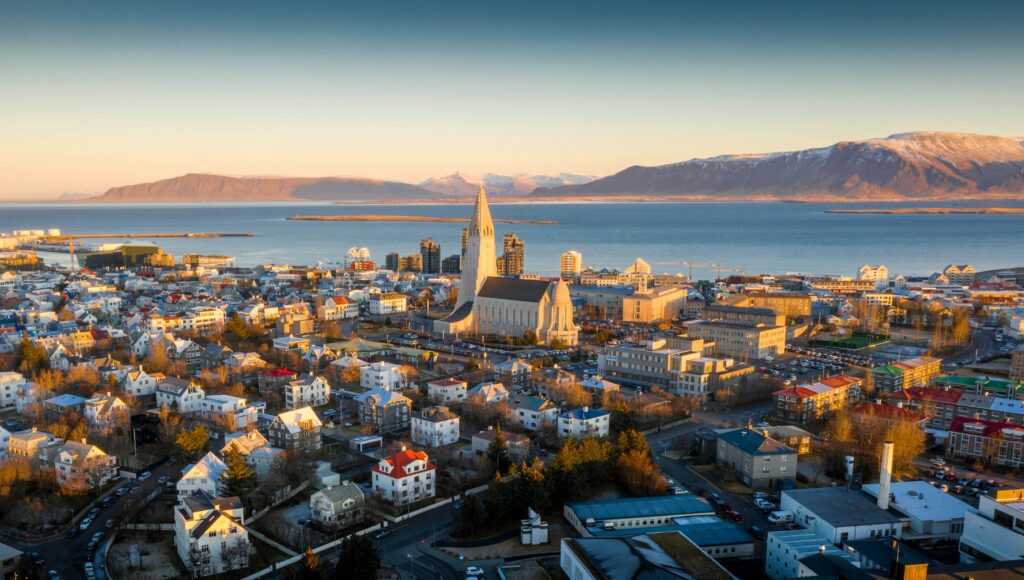
It’s not a large capital, but it works perfectly as a base. The city has a relaxed atmosphere, colourful streets, and easy access to many of Iceland’s most famous natural attractions.
What stands out is how quickly you can leave the city and find yourself in completely different landscapes.
Spending a day exploring Reykjavík — its cafés, harbour, and viewpoints — helps you ease into the trip before heading further out.
Articles Recommended:
- One Day in Cairo: A Simple Itinerary for First-Time Visitors
- A 7-Day Paris Itinerary for First-Time Visitors
The Blue Lagoon — A Different Kind of Experience
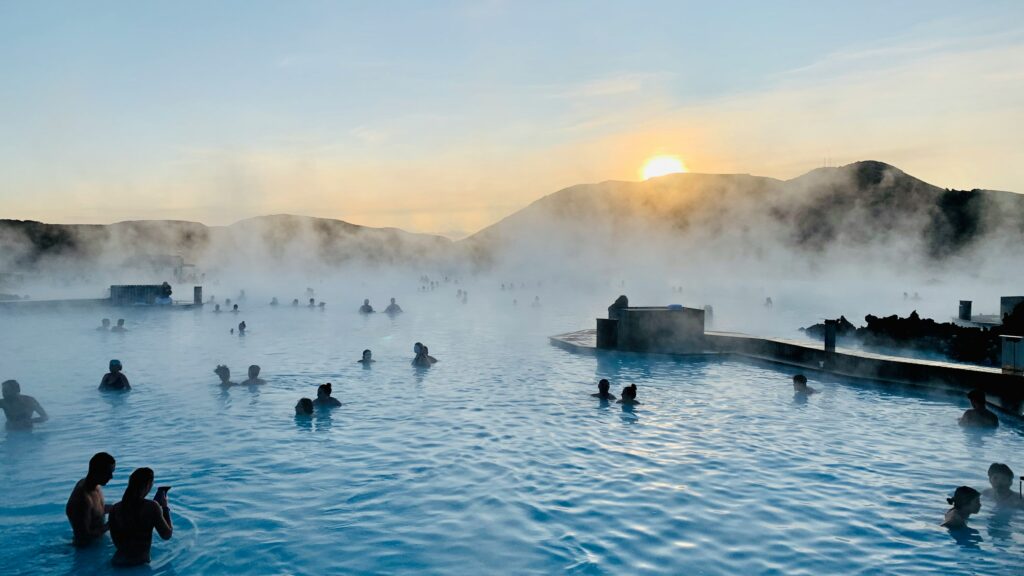
The Blue Lagoon is one of Iceland’s most recognisable places.
Located near Reykjavík, it offers something that feels almost unreal — warm, mineral-rich water surrounded by dark volcanic rock.
The experience is not just about relaxing. It’s about contrast. Cold air, warm water, and a landscape that feels unlike anywhere else.
It’s popular, but still worth visiting, especially if you plan your time to avoid peak hours.
Whale Watching — Seeing Iceland from the Water
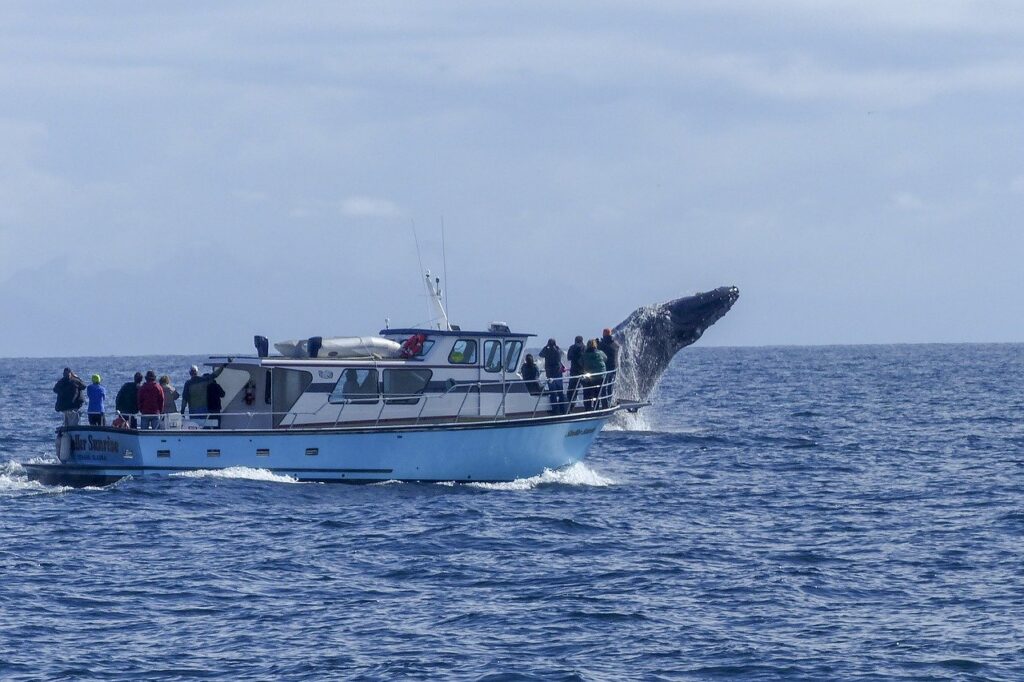
One of the best ways to understand Iceland is from the sea.
Whale watching is one of the most memorable experiences you can have, especially because sightings are common. Depending on the season, you may see whales, dolphins, or even orcas.
Tours depart from several locations, including Reykjavík, Akureyri, and Húsavík, each offering slightly different perspectives.
Even without wildlife, the experience of being out on the water, surrounded by open landscapes, adds something unique to the trip.
Grundarfjörður and Kirkjufell — Iceland’s Iconic View
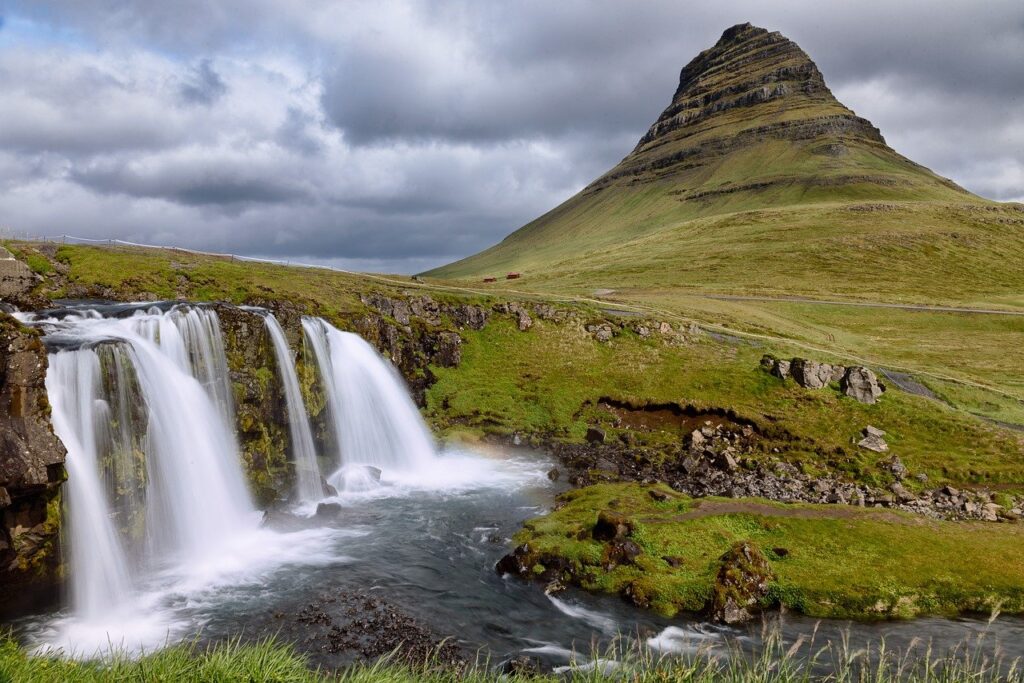
Grundarfjörður is a small town, but its surroundings make it one of the most photographed places in Iceland.
The nearby mountain, Kirkjufell, creates a landscape that feels almost perfectly shaped. Combined with waterfalls and open space, it becomes one of those places that looks just as impressive in real life as it does in photos.
The area is also known for clear views of the Northern Lights during the right season, which adds another reason to include it in your route.
Articles Recommended:
- Wine Regions in Europe Worth Visiting for an Authentic Experience
- The Most Famous Landmarks in the World
Landmannalaugar — Colourful Landscapes and Hiking
Landmannalaugar offers a completely different side of Iceland.
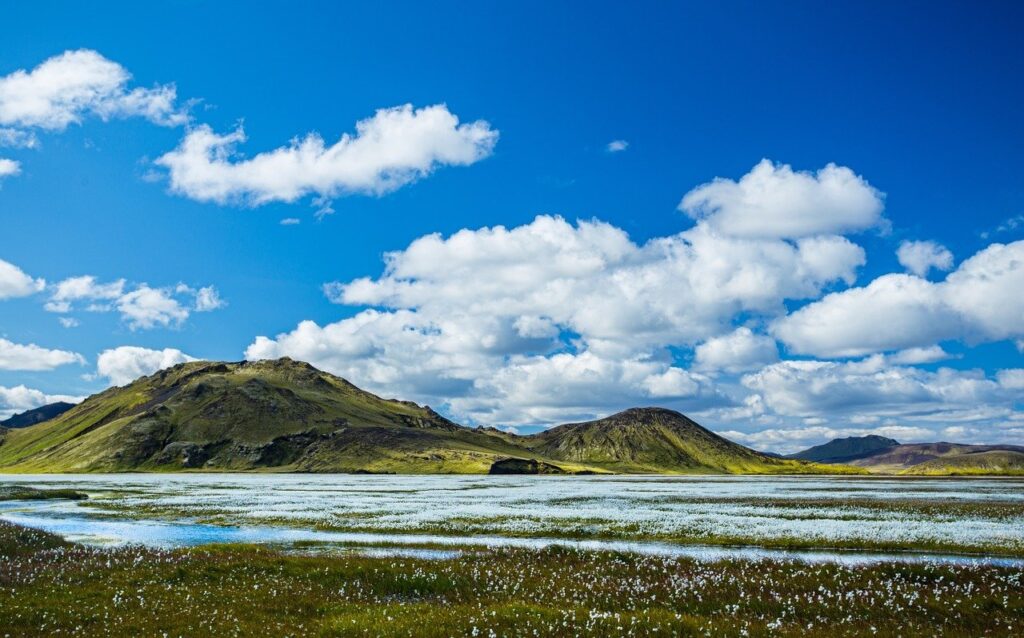
The landscape here is more colourful, shaped by volcanic activity and geothermal energy. Mountains appear in shades of red, orange, and green, creating a setting that feels almost surreal.
It’s one of the best areas for hiking, whether for a few hours or longer routes. Hot springs in the area also allow you to relax after exploring.
Getting there requires some planning, but the experience is worth the effort.
Gullfoss — One of Iceland’s Most Powerful Waterfalls
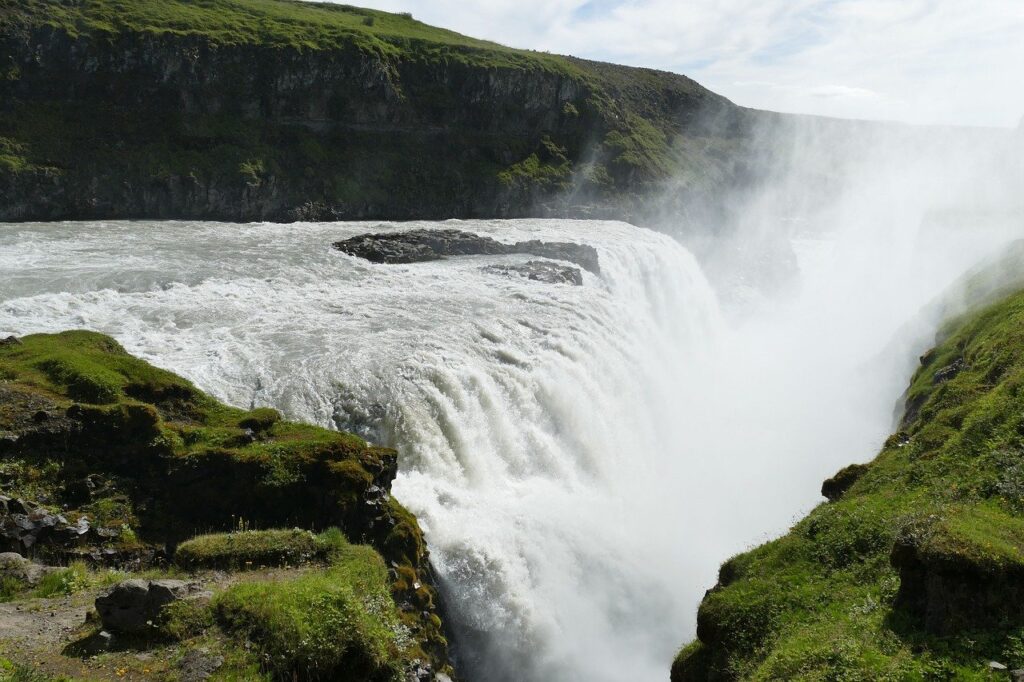
Gullfoss is one of the most visited waterfalls in Iceland, and for good reason.
The water drops into a canyon in two stages, creating a strong, constant flow that feels powerful when you’re standing nearby.
The surrounding landscape adds to the experience, with open views that make the waterfall feel even larger.
It’s often included in the Golden Circle route, making it one of the easiest natural landmarks to visit from Reykjavík.
Akureyri — A Different Perspective of Iceland
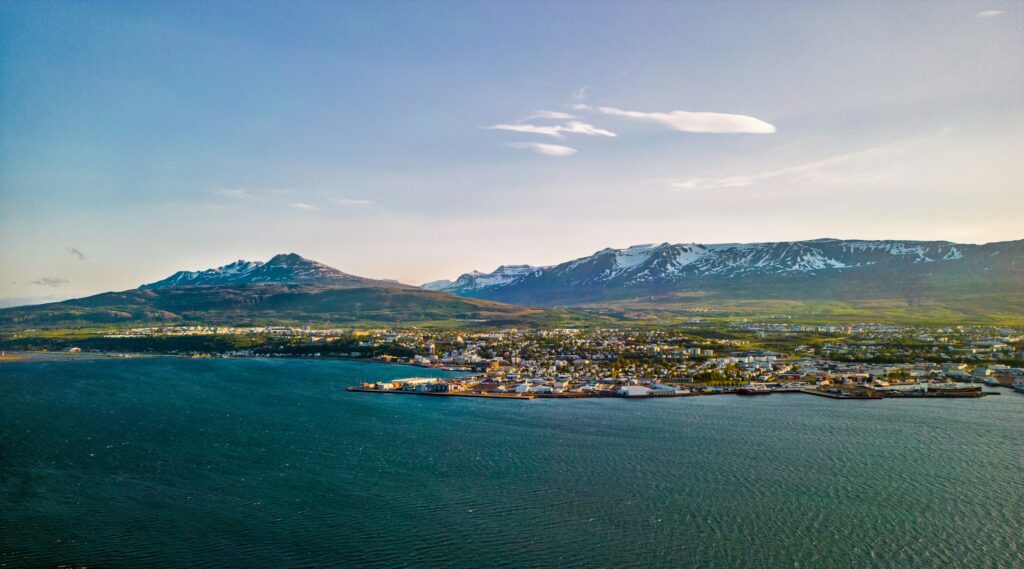
Akureyri offers a quieter and more local experience.
Located in the north, it feels more relaxed compared to Reykjavík, but still has enough activity to make it worth visiting. The setting, surrounded by mountains and fjords, adds to its appeal.
It’s also a good base for exploring northern Iceland, especially if you want to go beyond the most common routes.
Articles Recommended:
- Things to Do in Krakow: A Complete Guide to the City’s Highlights
- A First-Time Guide to Cape Town: What to See and Do
Lake Mývatn — Volcanic Landscapes and Wildlife
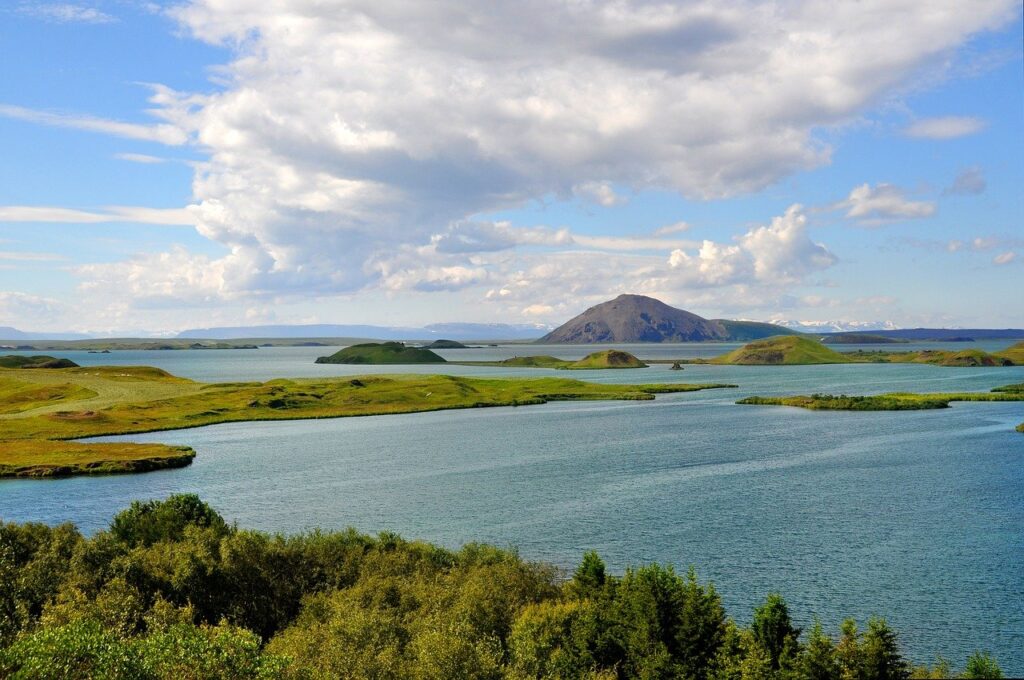
Lake Mývatn is one of the most interesting natural areas in Iceland.
The landscape is shaped by volcanic activity, with craters, lava formations, and geothermal areas creating a very different environment compared to other parts of the country.
It’s also known for birdlife, making it a good destination if you’re interested in wildlife as well as scenery.
Spending time here feels less like visiting a single attraction and more like exploring an entire region.
Vatnajökull National Park — Glaciers and Ice Caves
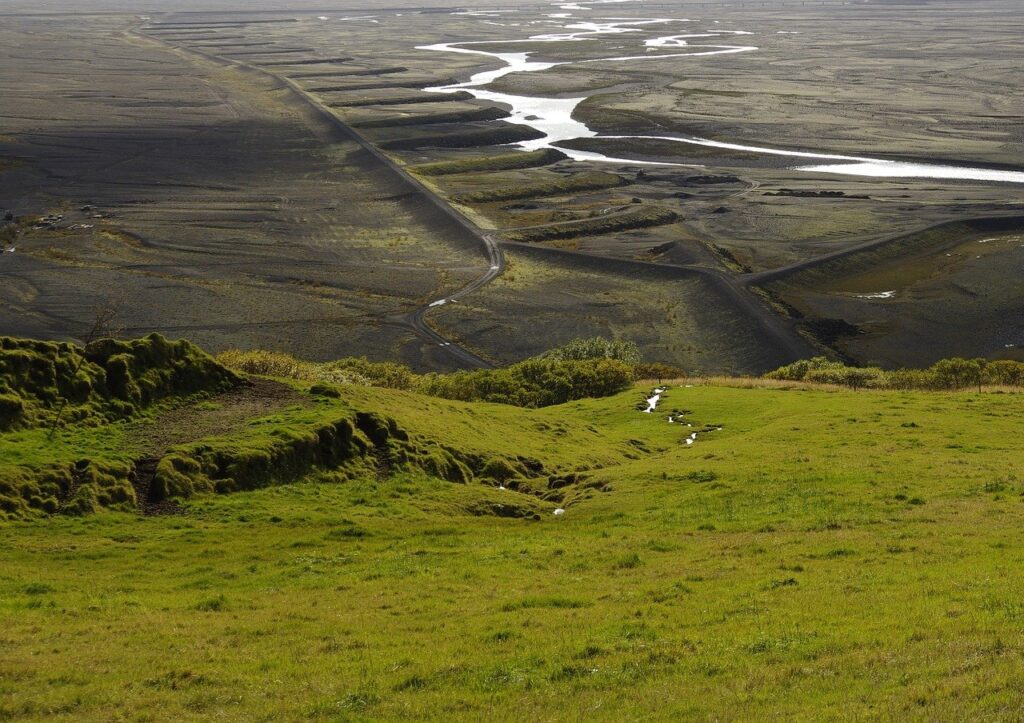
Vatnajökull National Park is one of the largest protected areas in Europe.
What makes it special is its scale. Glaciers, waterfalls, ice caves, and volcanic formations all exist within the same area.
Visiting in winter allows you to explore ice caves, while other seasons offer hiking and different perspectives of the landscape.
It’s one of the places where Iceland’s natural diversity becomes most visible.
How to Plan Your Route in Iceland
Iceland is not a destination where you can rely only on cities.
Distances between places can be long, and driving is often the best way to explore the country. Planning a route in advance helps you avoid spending too much time on the road.
Focusing on one region — such as the south coast or the Golden Circle — usually leads to a better experience than trying to cover everything.
Articles Recommended:
- The Most Beautiful Castles in the World (And Why They’re Worth Visiting)
- The Most Beautiful Small Towns in Europe That Feel Like a Fairytale
When Is the Best Time to Visit Iceland?
The time of year changes the experience completely.
Summer offers long days and easier access to remote areas, while winter brings snow-covered landscapes and the chance to see the Northern Lights.
Each season has its advantages, and choosing depends on what you want to experience most.
What Makes Iceland Different from Other Destinations
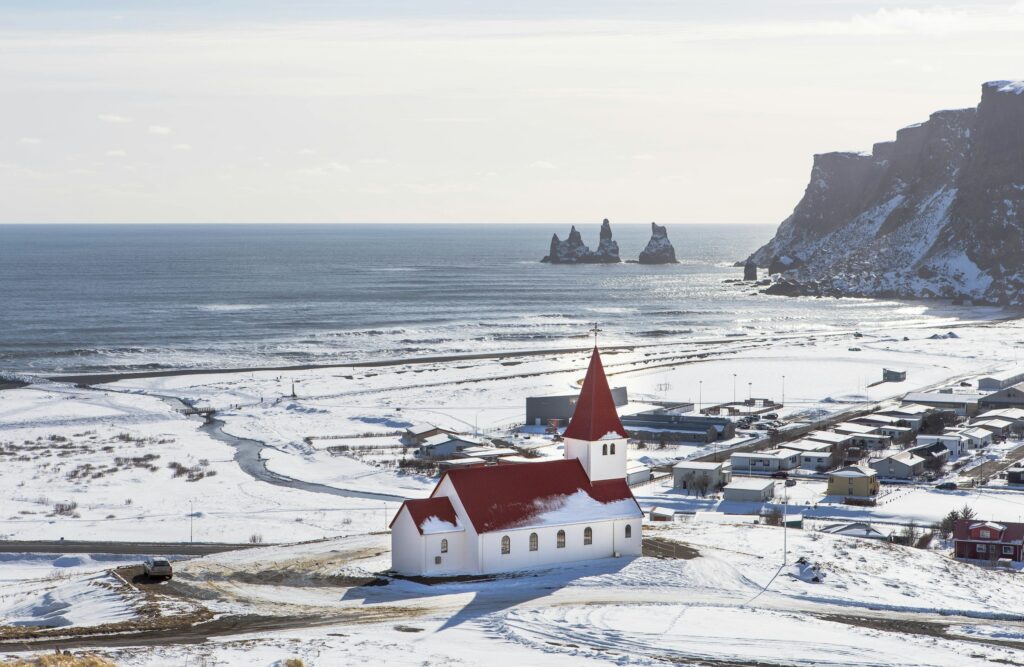
One of the things that becomes clear very quickly in Iceland is how little separation there is between you and nature. In many destinations, landscapes feel like something you visit briefly before returning to a city. In Iceland, the landscape is the experience itself. Roads pass through lava fields, waterfalls appear unexpectedly along the way, and even short drives can feel like part of the adventure. This constant interaction with the environment is what makes travelling through Iceland feel immersive rather than structured.
Final Thoughts
Iceland is not about checking off landmarks.
It’s about experiencing landscapes that feel different from anything else. The variety, the scale, and the raw nature of the country make it memorable in a way that few destinations are.
For a first trip, focusing on a few key places and allowing time to take them in makes all the difference.
And in most cases, it’s not just what you see — it’s how it feels to be there that stays with you.
Written & updated by Matteo — Travelupo
