Discover the world. Create memories that last a lifetime.

Travel guides, hidden gems, and smart itineraries to help you explore better.
How to Plan a 2-Week Europe Itinerary (Step-by-Step)

How to Plan a 2-Week Europe Itinerary (Step-by-Step)
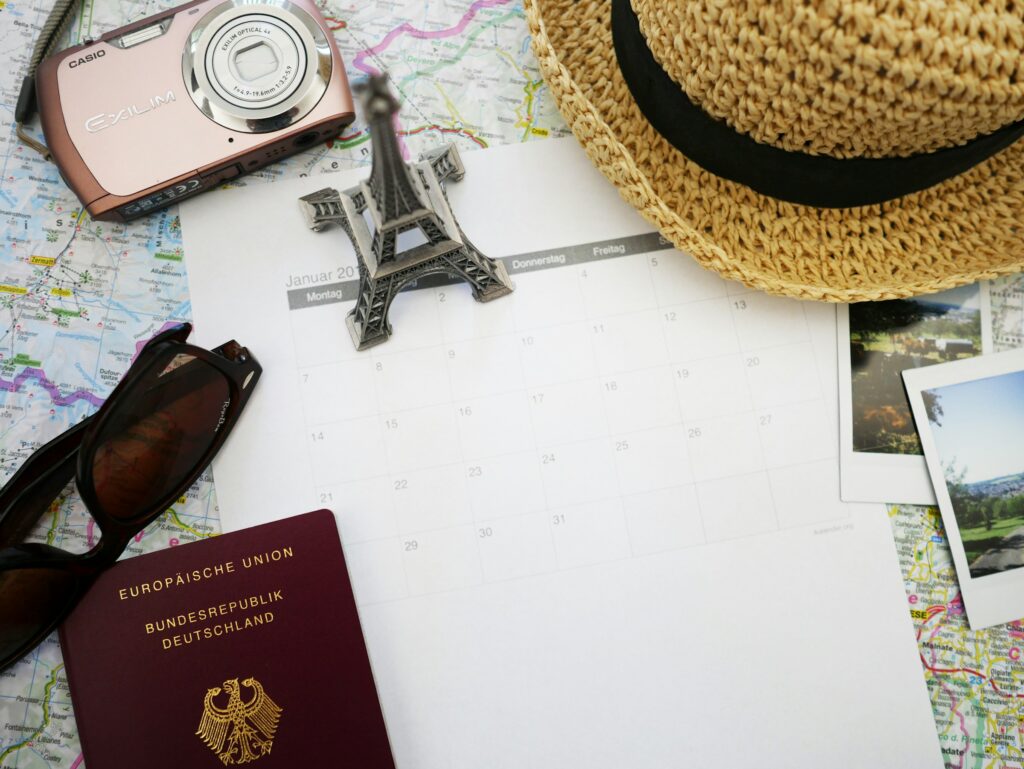
Planning a trip to Europe can feel overwhelming, especially when you realize how many places you could visit in a relatively small amount of time.
When I first started planning trips across Europe, I made the same mistake many people do — I tried to see too much. I assumed that because countries are close together, it would be easy to move quickly between cities and experience everything in one trip.
What I learned is that Europe is best experienced at a balanced pace.
Two weeks is actually one of the best lengths for a first European trip. It gives you enough time to explore multiple destinations while still allowing moments to slow down, enjoy the atmosphere, and avoid turning your journey into a constant rush.
The key is not trying to see everything — it’s choosing the right route and planning it in a way that feels realistic.
Step 1: Focus on One Region, Not the Entire Continent
One of the biggest mistakes I see is trying to cover all of Europe in one itinerary.
Europe may look compact on a map, but traveling between distant regions still takes time and energy. Jumping from Spain to Italy to Germany in a short trip often leads to exhaustion rather than enjoyment.
Instead, it’s far better to focus on one region.
For a two-week itinerary, choosing a route within Western Europe, Central Europe, or Southern Europe usually works best. Cities are closer together, transportation is easier, and the experience feels more connected.
A focused route allows you to spend less time in transit and more time actually exploring.

Step 2: Choose 3–4 Main Destinations
For a 14-day trip, a realistic plan usually includes three to four cities.
This gives you enough variety without constantly packing, traveling, and adjusting to new places.
A balanced example might look like:
- 4–5 days in your first city
- 3–4 days in your second
- 3–4 days in your third
- 2–3 days in your final destination
This rhythm allows you to settle into each place rather than just passing through it.
It’s tempting to add more stops, but every additional city reduces the time you have to actually experience each one.
Articles Recommended:
- The Most Underrated Cities in Europe to Visit in 2026
- The Most Beautiful Small Towns in Europe That Feel Like a Fairytale
Step 3: Example 2-Week Europe Itinerary
To make this more concrete, here’s a simple route that works especially well for first-time visitors:
Paris → Brussels → Amsterdam → Rome
Start in Paris, where you can spend several days exploring iconic landmarks, museums, and neighborhoods. From there, take a short train to Brussels, which works well as a one or two-day stop.
Continue to Amsterdam, where canals, museums, and walkable streets create a relaxed atmosphere. Finally, fly to Rome to experience a completely different culture, history, and pace.
This type of itinerary offers variety while still remaining manageable.
Of course, there are many variations depending on your interests. Some travelers prefer focusing entirely on Italy, while others explore Central Europe or the Iberian Peninsula.
The key is to keep distances reasonable and transitions smooth.

Step 4: Plan Transportation Carefully
Transportation plays a major role in how your itinerary feels.
For shorter distances, trains are often the best option. High-speed trains in Europe are comfortable, reliable, and usually connect city centers directly. This eliminates the need for airport transfers and long check-in times.
For longer distances, flights can save time, especially when moving between regions. Budget airlines often offer affordable options, but it’s important to consider total travel time, including getting to and from the airport.
When planning your route, try to minimize unnecessary backtracking. Moving in one general direction keeps the journey smoother and more efficient.
Articles Recommended:
- Why Europe Is One of the Best Places in the World for Solo Travel
- How to Plan Your First Trip to Europe: A Complete Guide
Step 5: Leave Space Between Travel Days
One of the most underrated aspects of a good itinerary is spacing.
Travel days can be more tiring than they appear. Even a short journey involves packing, navigating stations or airports, and adjusting to a new environment.
Because of this, it’s helpful to avoid scheduling major activities immediately after arriving in a new city.
Instead, allow time to settle in, explore nearby streets, and gradually ease into the new destination.
This small adjustment can make the entire trip feel more relaxed.
Step 6: Balance Landmarks With Everyday Experiences
It’s natural to want to see Europe’s most famous attractions — the Eiffel Tower, the Colosseum, the canals of Amsterdam.
But what often makes a trip memorable are the quieter, everyday moments.
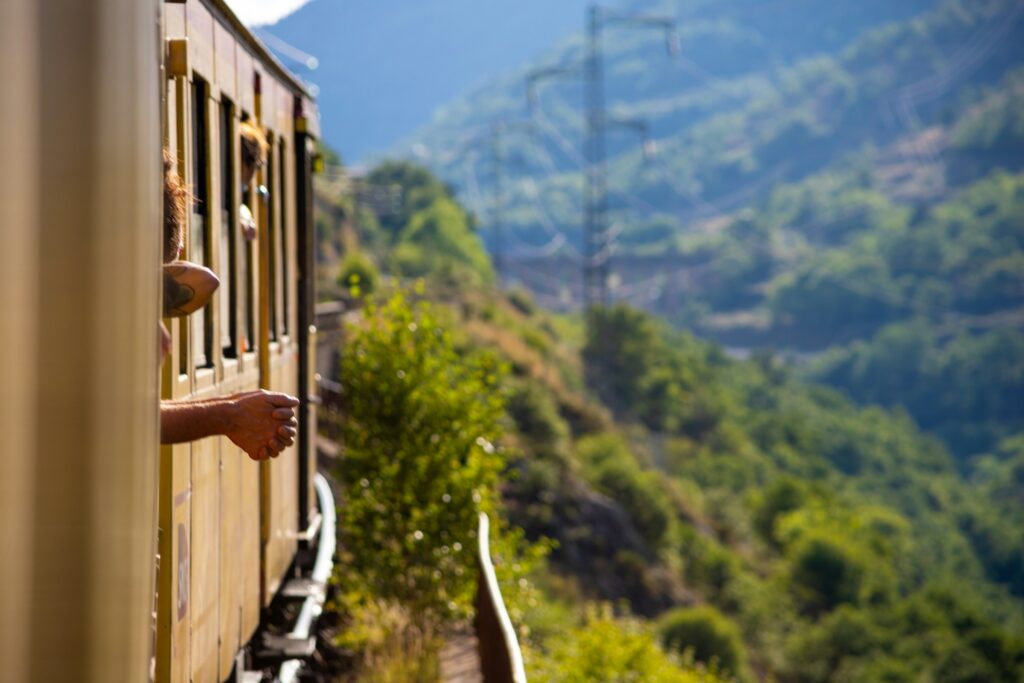
Walking through a neighborhood in the early morning, sitting at a café without a strict plan, or discovering a local market can leave a stronger impression than rushing between landmarks.
When planning your itinerary, try to balance structured sightseeing with unplanned exploration.
Europe’s character is often found in these smaller, unscheduled moments.
Articles Recommended:
- How to Travel Europe by Train: A Beginner’s Complete Guide
- Best Months to Visit Europe (And When to Avoid the Crowds)
Step 7: Build a Realistic Daily Rhythm
A well-planned itinerary isn’t just about where you go — it’s also about how your days feel.
Instead of filling each day with multiple major attractions, consider focusing on one or two key activities and leaving the rest of the time open.
This creates a rhythm that feels sustainable over two weeks.
Traveling at a slightly slower pace also helps you absorb the atmosphere of each city rather than simply checking off locations.
Step 8: Understand Your Budget Early
Budgeting plays a key role in shaping your itinerary.
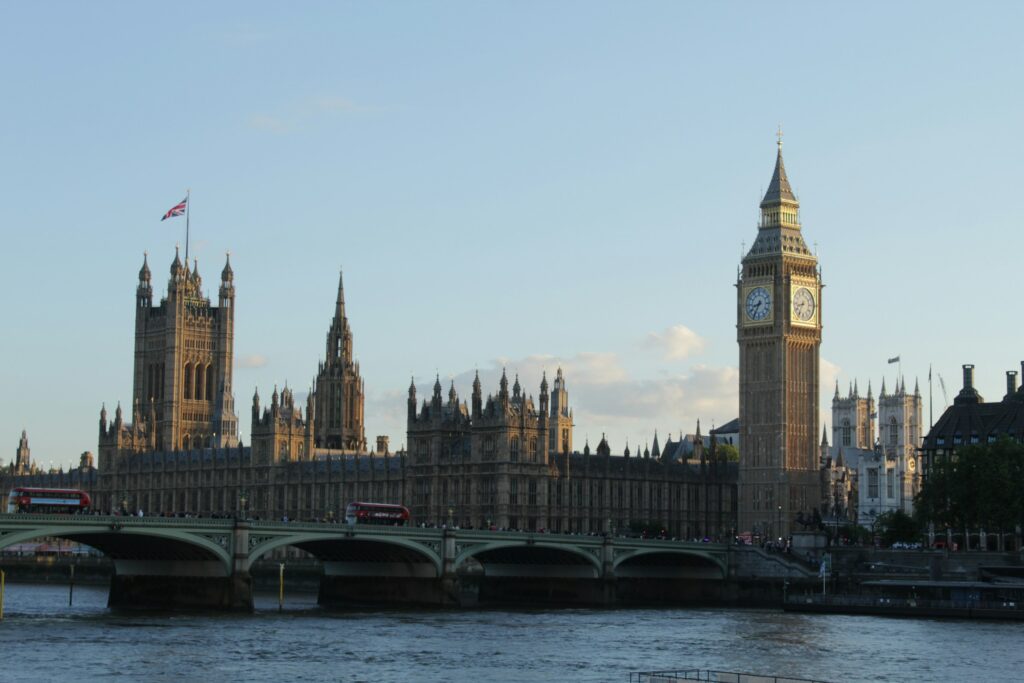
Major cities like Paris and Amsterdam can be more expensive, while smaller destinations often offer better value. Accommodation, transportation, food, and activities all contribute to overall costs.
Planning ahead allows you to make adjustments before the trip begins.
For example, you might choose to spend more time in cities where accommodation is affordable, or balance expensive destinations with quieter, lower-cost stops.
This approach helps keep the trip sustainable without sacrificing quality.
Articles Recommended:
- The Biggest Mistakes First-Time Visitors Make in Europe
- Rome for the First Time: A Complete Travel Guide to Italy’s Eternal City
Step 9: Stay Flexible
Even with a well-structured plan, flexibility remains important.
Weather can change, unexpected discoveries appear, and sometimes the best experiences happen when plans shift.
Allowing small adjustments in your itinerary can make the trip feel more natural and less rigid.
Having a clear structure is helpful, but leaving space for spontaneity often leads to the most memorable moments.

Why 2 Weeks Is the Perfect Balance
Two weeks offers a unique balance between depth and variety.
It’s long enough to explore multiple destinations and experience different cultures, yet short enough to maintain energy and excitement throughout the trip.
For many travelers, a 14-day itinerary becomes the ideal introduction to Europe — one that provides a strong foundation without feeling overwhelming.
Articles Recommended:
- How Many Days Do You Really Need in Europe?
- Tokyo for the First Time: A Complete Guide to Japan’s Most Dynamic City
Final Thoughts
Planning a two-week Europe itinerary doesn’t require seeing everything. In fact, trying to do too much often takes away from the experience.
By focusing on one region, choosing a manageable number of destinations, and building a realistic pace, you create a trip that feels both exciting and comfortable.
Europe rewards travelers who slow down, stay curious, and allow each place to reveal itself gradually.
And in many cases, the best part of a two-week trip is not just what you see — but how it inspires you to return and explore even more in the future.
Written & updated by Matteo — Travelupo
