Discover the world. Create memories that last a lifetime.

Travel guides, hidden gems, and smart itineraries to help you explore better.
14-Day New Zealand Itinerary: Exploring the Best of North and South Island


14-Day New Zealand Itinerary: Exploring the Best of North and South Island
New Zealand is one of those destinations that feels almost unreal when you experience it in person.
From geothermal landscapes and volcanic terrain to alpine peaks, fjords, and pristine coastlines, the country offers an incredible variety of scenery within a relatively short distance. What makes it even more special is how naturally everything connects — each region feels different, yet part of the same journey.
This 14-day New Zealand itinerary is designed to help you experience both the North and South Island in a balanced way, combining nature, culture, and adventure without feeling rushed.
Day 1: Arrival in Auckland
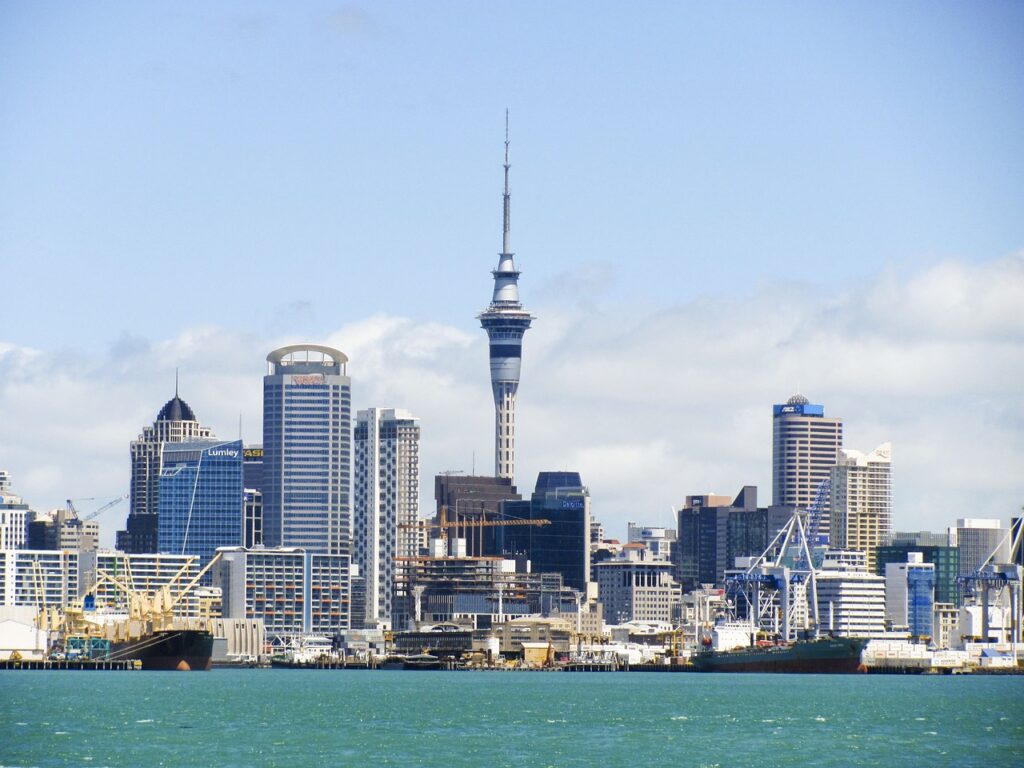
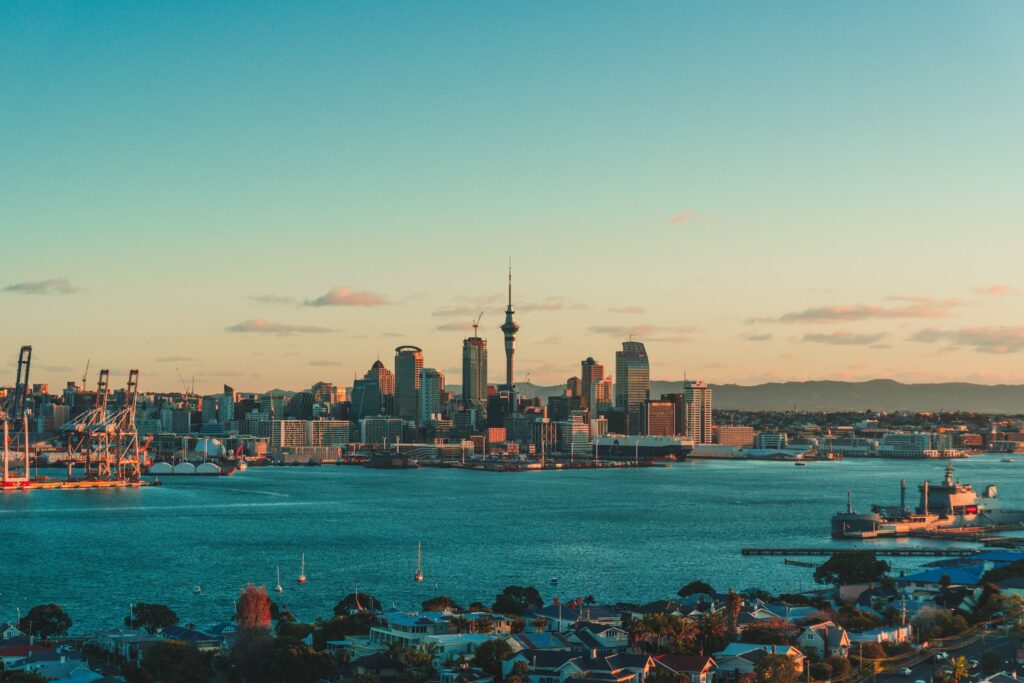
Your journey begins in Auckland, New Zealand’s largest city.
After arriving, take some time to settle in and explore the waterfront. The Viaduct Harbour area is a great place to start, offering views of the harbour along with cafés and restaurants.
Later, visit Mount Eden for panoramic views of the city. It’s a simple introduction to New Zealand’s volcanic landscape and a relaxed way to begin your trip.
Articles Recommended:
- Tokyo for the First Time: A Complete Guide to Japan’s Most Dynamic City
- European Destinations That Are Perfect for a First-Time Solo Trip
Day 2: Rotorua and Geothermal Landscapes
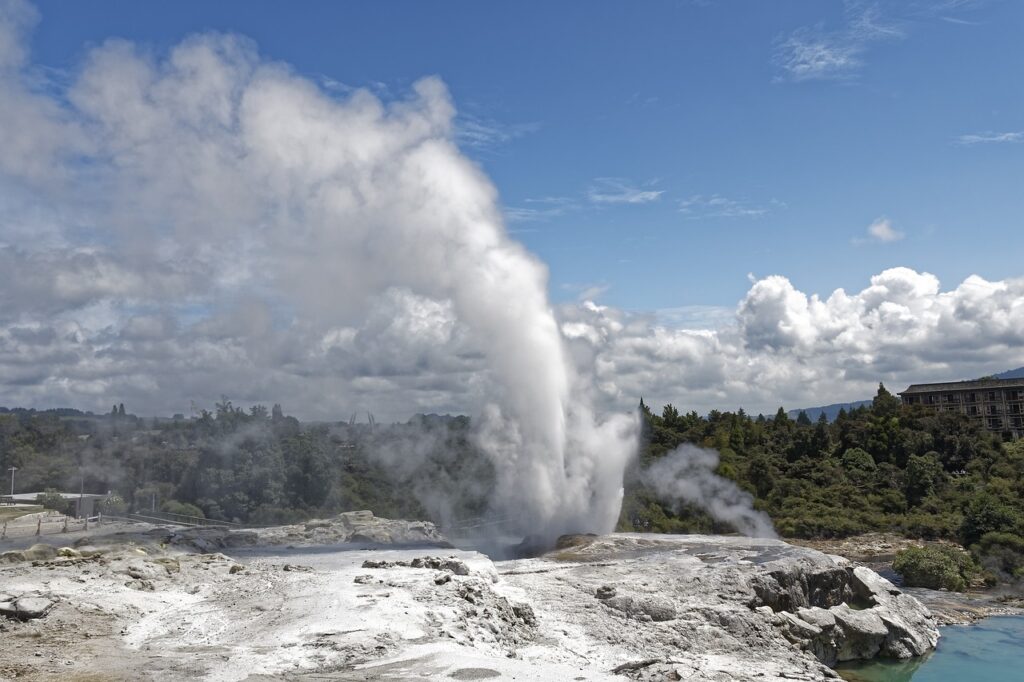
Travel to Rotorua, one of the most unique regions in the country.
Known for its geothermal activity, Rotorua is filled with hot springs, geysers, and bubbling mud pools. Visiting areas like Te Puia gives you a chance to see these natural phenomena up close.
Rotorua is also an important centre for Māori culture. Experiencing a traditional cultural performance or hangi meal adds depth to your understanding of the country.
Day 3: Hobbiton and Surroundings
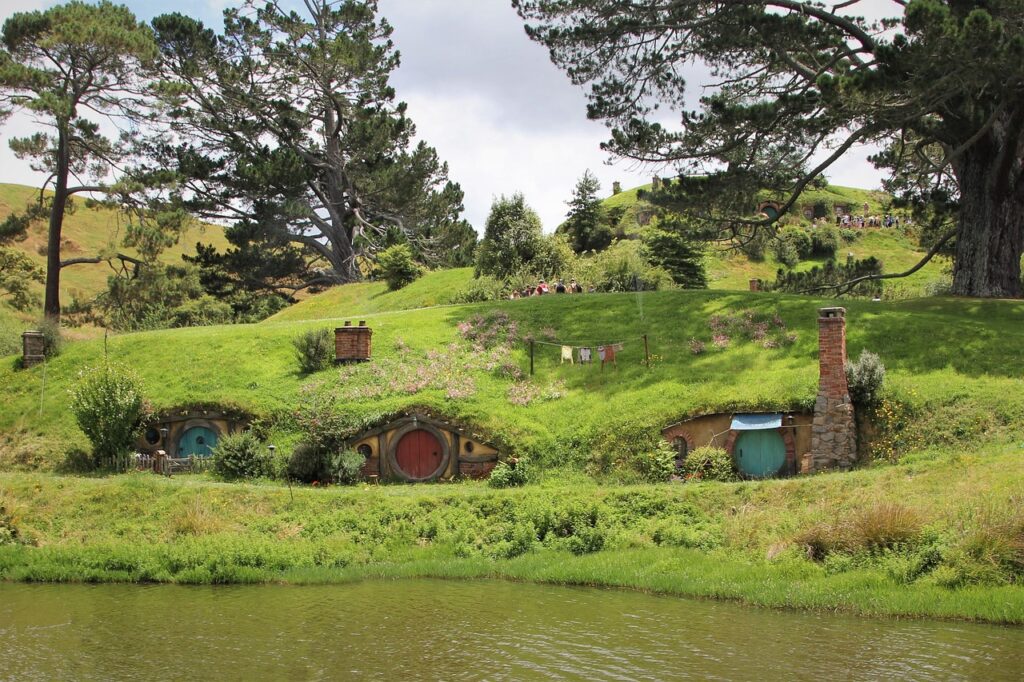
Take a day trip to Matamata to visit the Hobbiton Movie Set.
Even if you’re not a fan of the films, the setting itself is impressive. The landscapes feel carefully preserved, and the experience is well organised.
After returning to Rotorua, you can choose between relaxing activities like hot pools or more adventurous options such as zip-lining or skydiving.
Day 4: Queenstown and Scenic Views
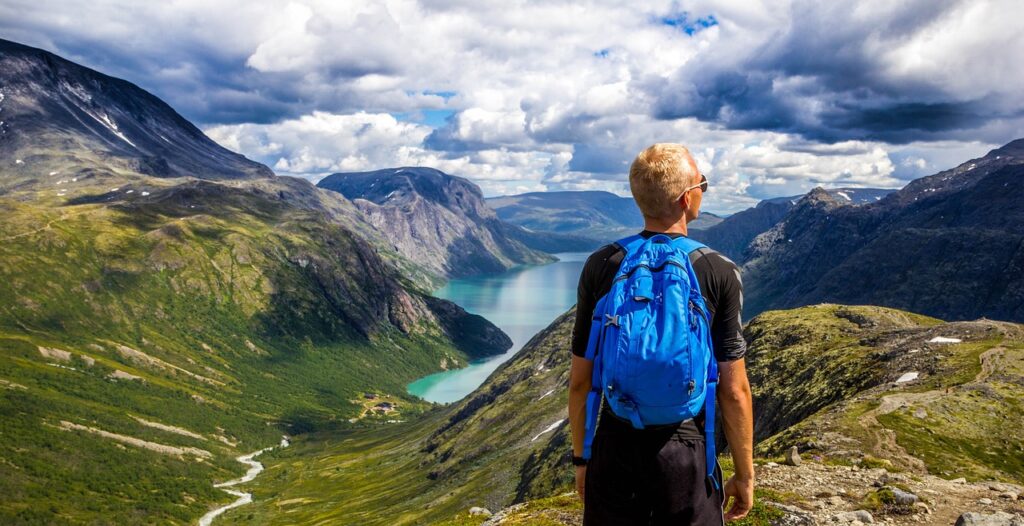
Fly to Queenstown, one of the most well-known destinations in New Zealand.
Surrounded by mountains and located next to Lake Wakatipu, the setting is immediately striking. Taking the gondola to Bob’s Peak gives you one of the best views in the region.
Spend the rest of the day exploring the town and getting familiar with the area.
Day 5: Milford Sound
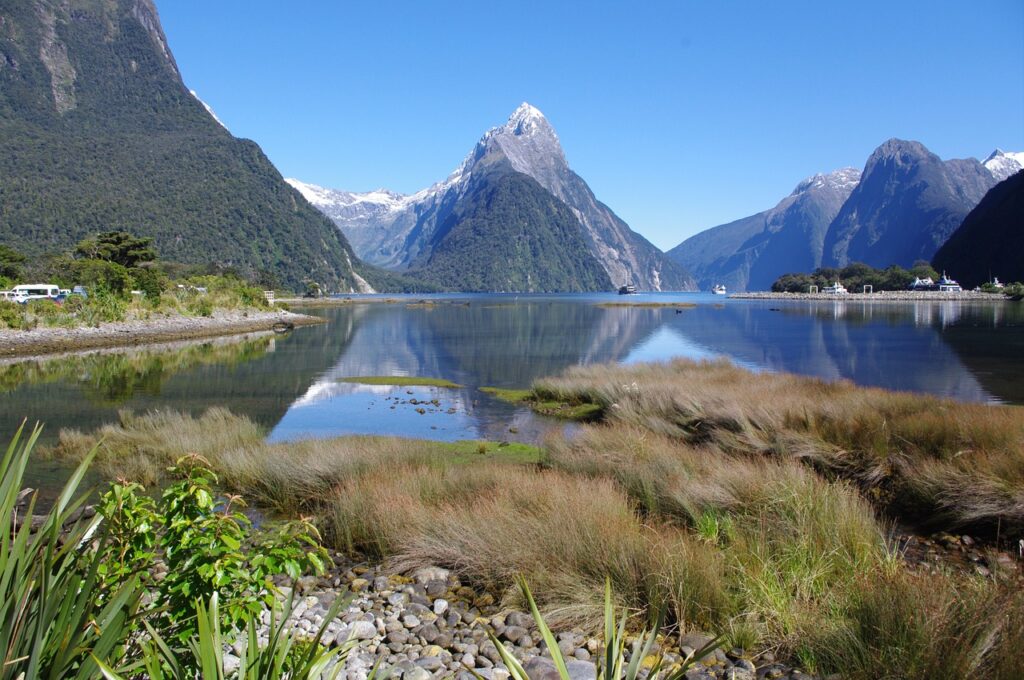
A visit to Milford Sound is one of the highlights of any trip to New Zealand.
The journey itself is part of the experience, with dramatic landscapes leading to the fjord. Once there, a cruise allows you to see waterfalls, cliffs, and wildlife up close.
Returning to Queenstown in the evening, you’ll likely feel that this day stands out as one of the most memorable of the trip.
Articles Recommended:
- 5-Day London Itinerary: From Big Ben to Stonehenge and Beyond
- Affordable Cities Around the World Worth Visiting for a Unique Experience
Day 6: Wanaka
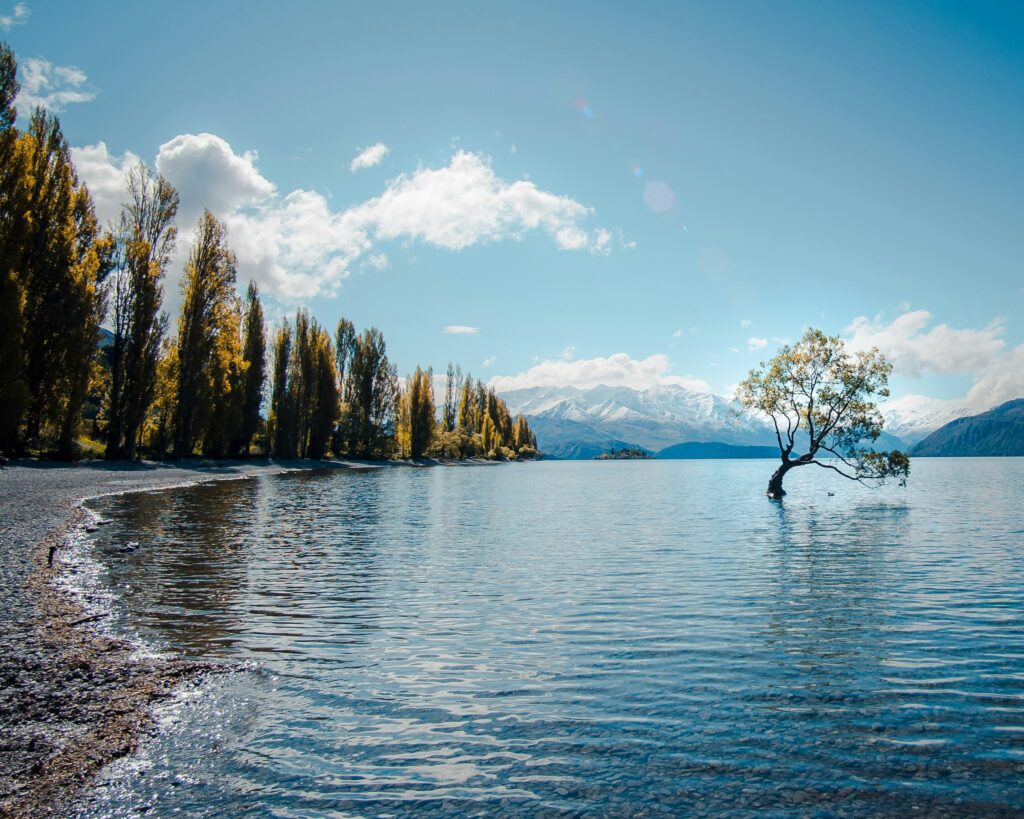
Drive to Wanaka, a quieter alternative to Queenstown.
The lake and surrounding mountains create a peaceful atmosphere, making it a great place to slow down slightly. You can explore the area, take short hikes, or simply enjoy the scenery.
Wanaka offers a different pace, which helps balance the more active parts of the itinerary.
Day 7: Franz Josef Glacier
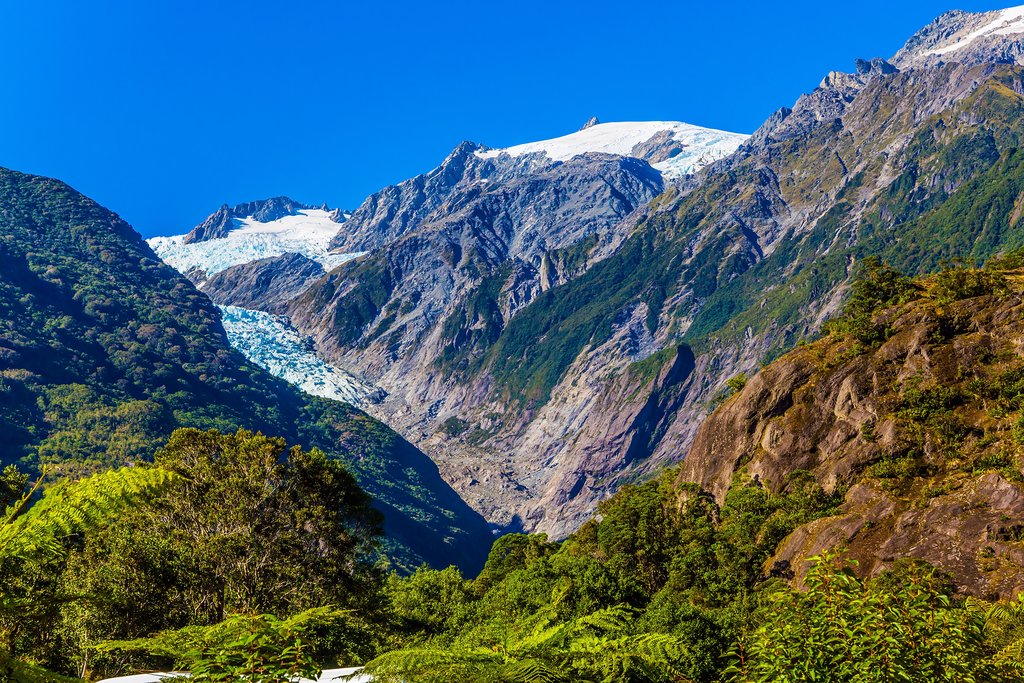
Continue your journey towards the West Coast to reach Franz Josef Glacier.
This region feels more remote, with rainforest landscapes meeting alpine environments. A guided glacier walk or scenic flight gives you a closer look at the ice formations.
It’s one of the few places where you can experience this type of environment so directly.
Day 8: West Coast to Nelson
Travel north along the West Coast, one of the most scenic drives in New Zealand.
Stopping at Punakaiki to see the Pancake Rocks adds variety to the journey. The coastline here is rugged and dramatic, very different from other parts of the country.
Arriving in Nelson, you’ll notice a more relaxed and creative atmosphere.

Day 9: Abel Tasman National Park
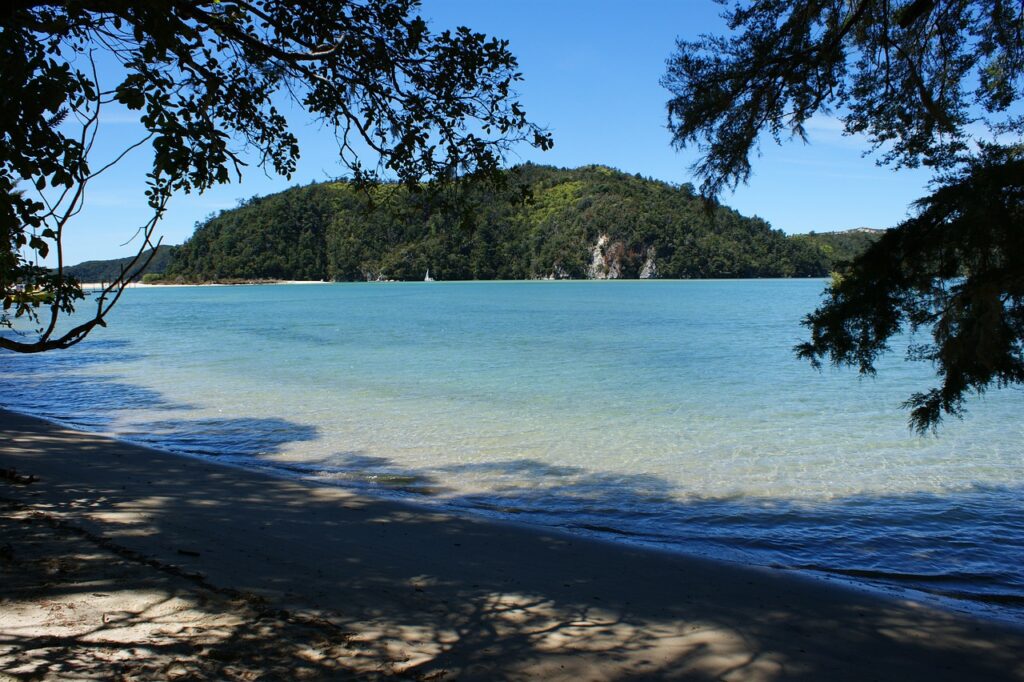
Spend the day exploring Abel Tasman National Park.
This area is known for its golden beaches and clear waters. Activities like kayaking or coastal hiking allow you to experience the landscape at your own pace.
It’s one of the best places in New Zealand for combining nature with relaxation.
Articles Recommended:
- Wine Regions in Europe Worth Visiting for an Authentic Experience
- A 7-Day Paris Itinerary for First-Time Visitors
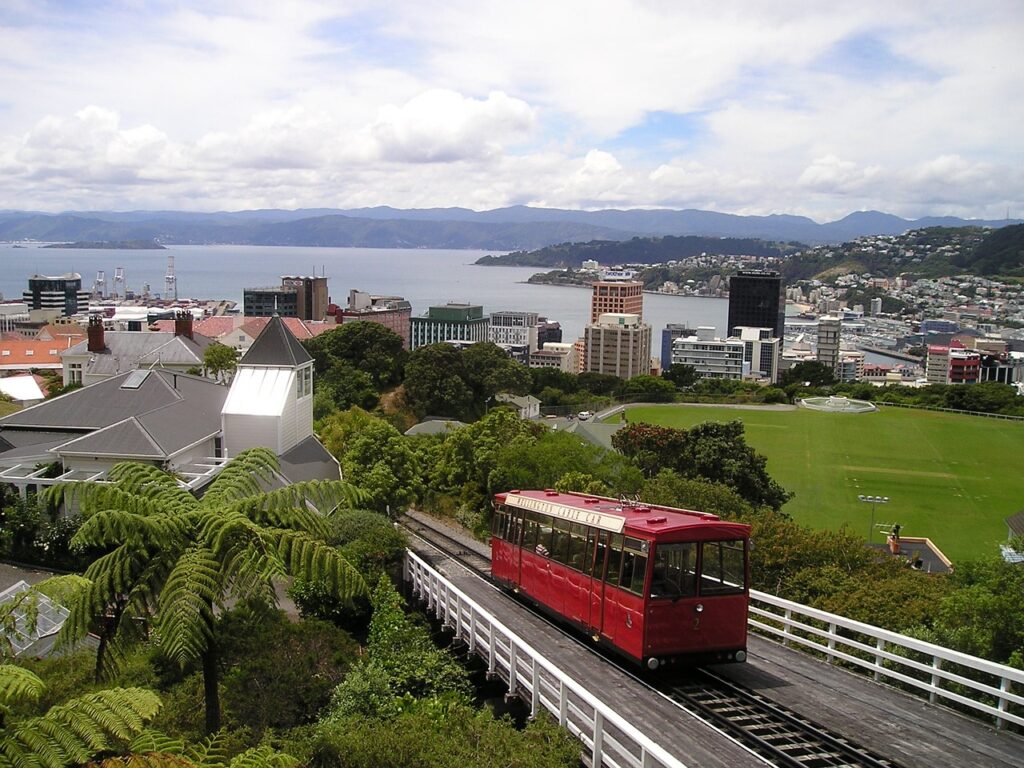
Day 10: Wellington
Travel to Wellington, the capital city.
Wellington has a strong cultural identity, with museums, galleries, and a vibrant food scene. Visiting Te Papa Museum is one of the best ways to understand the country’s history and environment.
The city itself is compact, making it easy to explore in a short time.
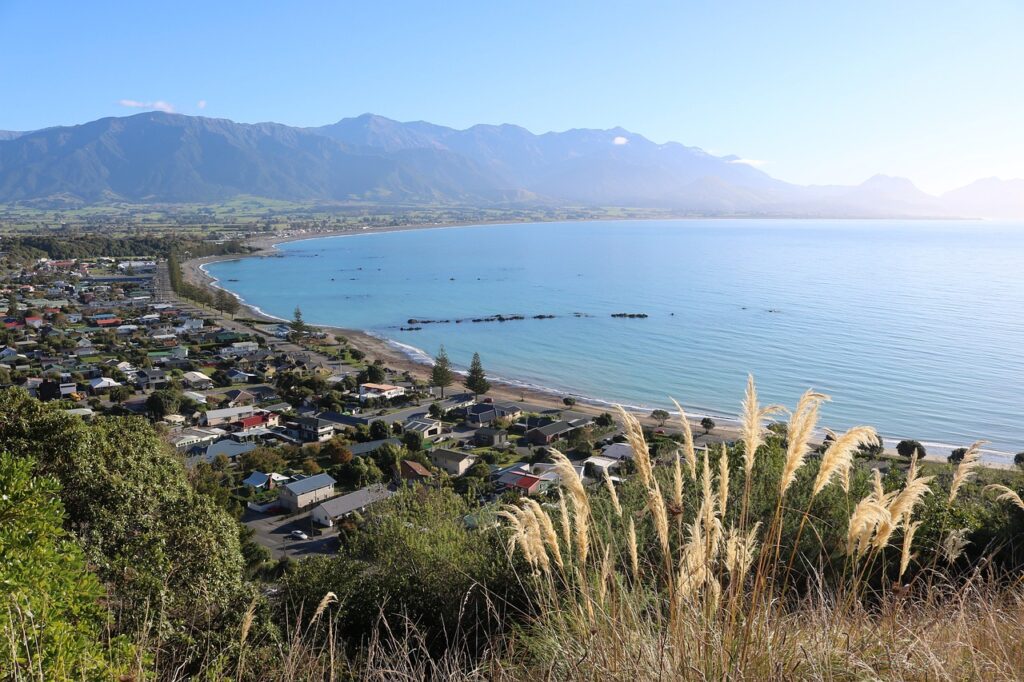
Day 11: Kaikōura
Head to Kaikōura, a coastal destination known for marine life.
This is one of the best places in New Zealand for whale watching. Dolphin encounters and coastal walks are also popular activities.
The combination of mountains and ocean creates a unique setting.
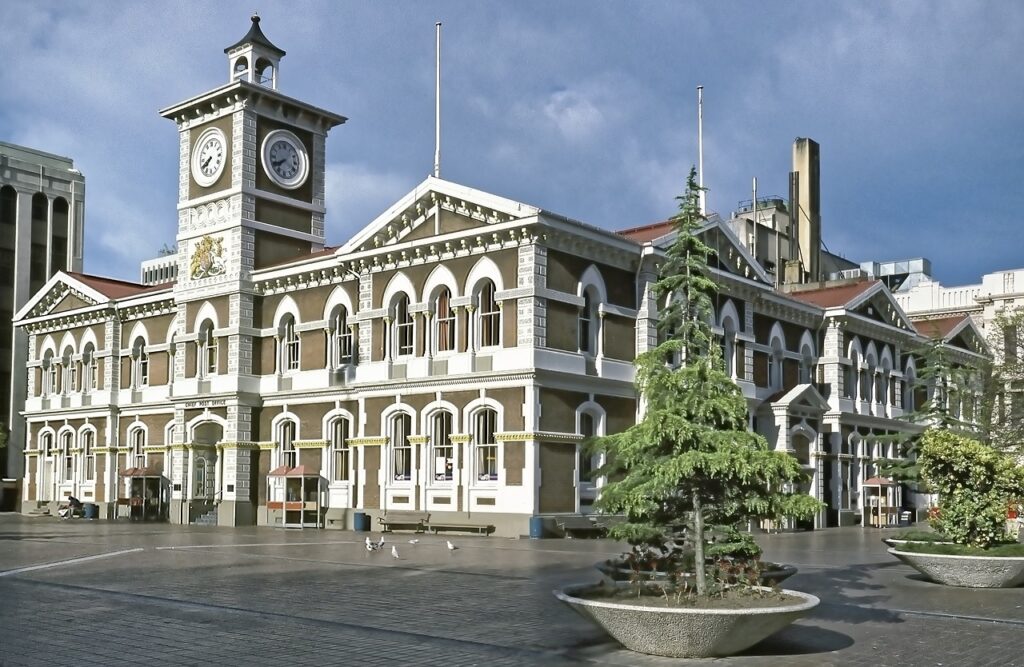
Day 12: Christchurch
Continue to Christchurch, a city that has been rebuilt with a modern approach while maintaining its character.
Parks, rivers, and open spaces define much of the city. A walk through the Botanic Gardens or along the Avon River offers a quieter experience.
Christchurch provides a contrast to the more nature-focused destinations earlier in the trip.
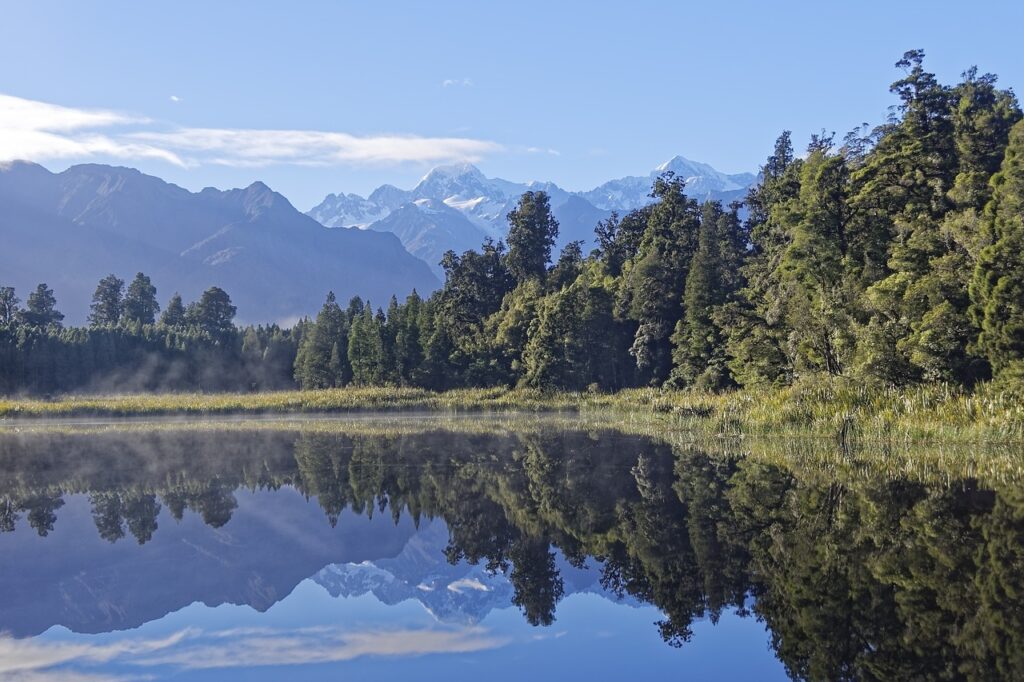
Day 13: Aoraki / Mount Cook National Park
Travel to Aoraki / Mount Cook, the highest peak in New Zealand.
The alpine scenery here is some of the most dramatic in the country. Short walks and viewpoints allow you to experience the landscape without needing advanced hiking experience.
Staying overnight in this area adds a memorable final highlight to your itinerary.
Day 14: Departure
Your journey comes to an end as you prepare to leave New Zealand.
Even in two weeks, it feels like there is always more to explore — which is part of what makes the country so special.
How to Plan This Route Efficiently
New Zealand is best explored with a mix of driving and domestic flights.
Driving gives you flexibility and allows you to experience the landscapes more fully, especially on the South Island. However, flights between major points (such as Rotorua to Queenstown) help save time.
Planning distances carefully is important, as travel times can be longer than expected due to road conditions and scenery stops.
When Is the Best Time to Visit New Zealand
The best time to visit depends on what you want to experience.
Spring (September to November) and autumn (March to May) offer a balance of good weather and fewer crowds. Summer is the most popular season, with longer days and warmer temperatures, while winter is ideal for alpine scenery and skiing.
Each season brings a different perspective, making New Zealand a year-round destination.
Travel Tips for Exploring New Zealand Smoothly
Travelling through New Zealand requires a bit of planning, but the experience is worth it.
Distances may look short on the map, but travel times can be longer due to winding roads and frequent scenic stops. It’s always a good idea to allow extra time for each journey.
Booking accommodation in advance is recommended, especially during peak travel seasons. Many of the smaller towns have limited options, and availability can fill up quickly.
Driving is one of the best ways to explore, but it’s important to remember that New Zealand drives on the left side of the road. Taking your time and planning regular breaks will make the journey more enjoyable.
Lastly, always be prepared for changing weather conditions, particularly in mountainous or coastal areas. Layers and flexibility in your plans will help you make the most of your trip.
Articles Recommended:
Final Thoughts
A 14-day journey through New Zealand offers a rare combination of landscapes and experiences.
From geothermal activity in the North Island to the alpine and coastal beauty of the South Island, each part of the trip adds something unique.
The key is to travel at a pace that allows you to appreciate the surroundings, rather than rushing between locations.
Because in New Zealand, the journey itself is just as important as the destination.
Written & updated by Matteo — Travelupo
