Discover the world. Create memories that last a lifetime.

Travel guides, hidden gems, and smart itineraries to help you explore better.
Why Traveling Slower Makes Europe More Rewarding

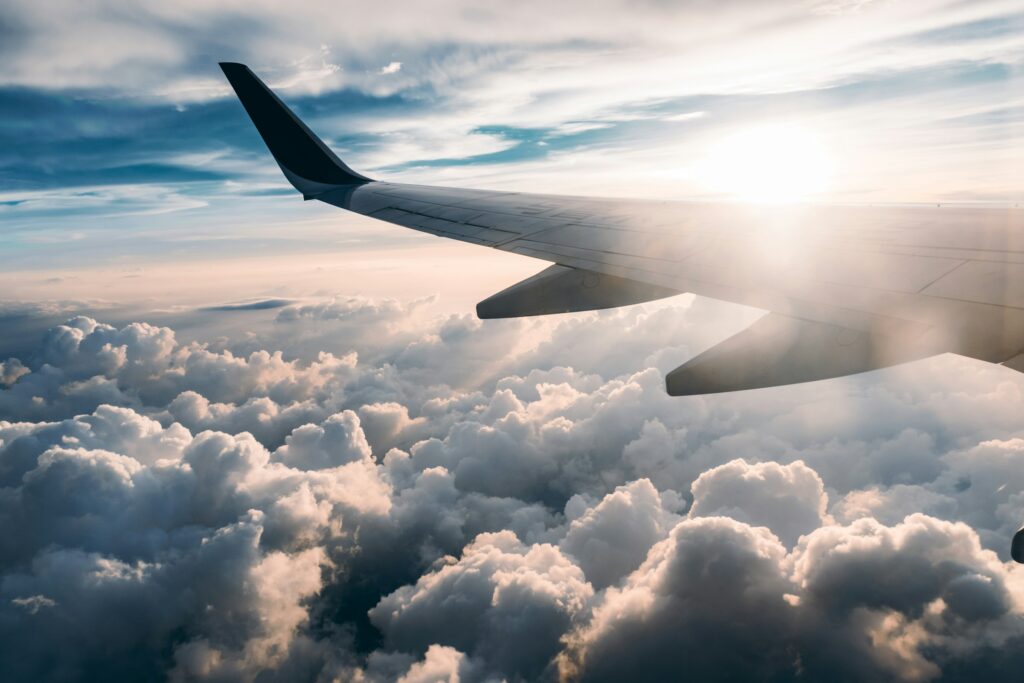
There was a time when I believed the success of a trip could be measured by how much I managed to see.
Three cities in five days. Sunrise at one landmark, sunset at another. A carefully mapped route that minimized wasted minutes. The logic felt efficient. Europe is dense, historic, layered — why not absorb as much of it as possible while you’re there?
But over time, something began to feel slightly hollow.
The photos were impressive. The itinerary was full. Yet the memories blurred together. Cathedrals resembled other cathedrals. Plazas merged into plazas. Meals were good, but rarely grounded in place. I had visited many locations, but I hadn’t necessarily experienced them.
It took several trips — and a few moments of exhaustion — to understand that Europe does not reward speed.
It rewards presence.
The Illusion of Efficiency
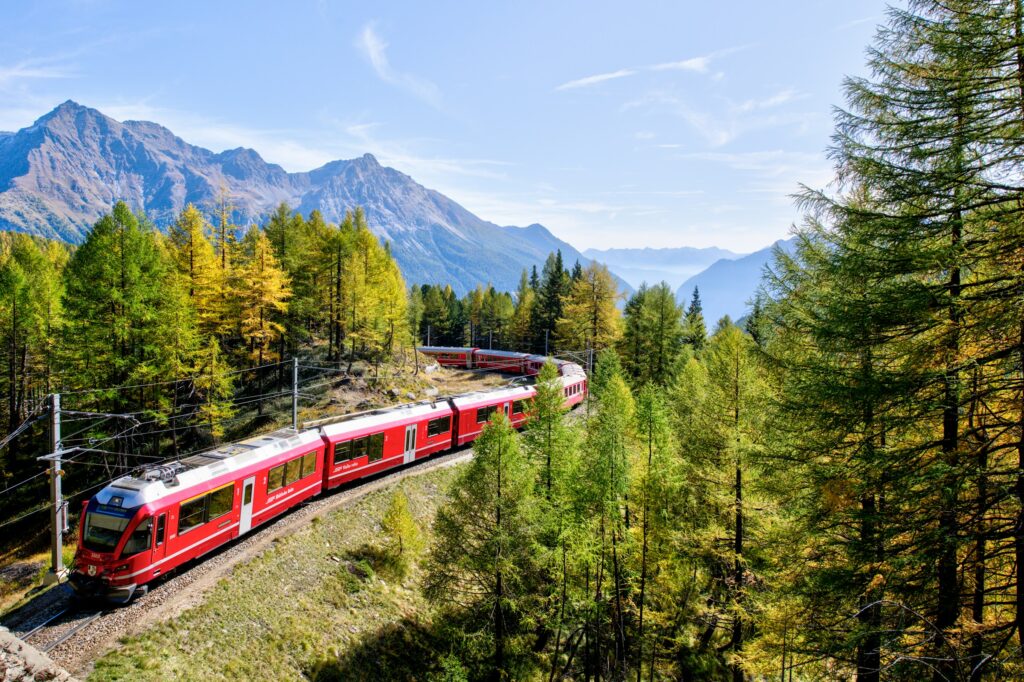
Europe’s geography encourages ambitious planning. Countries are close together. High-speed trains connect capitals in hours. Budget flights make weekend cross-border trips possible.
From a logistical standpoint, it seems wasteful not to maximize movement.
But cultural depth does not function like transportation networks. Cities are not checklists. They are atmospheres — and atmospheres take time to settle into.
I remember a trip that moved from Paris to Brussels to Amsterdam in less than a week. On paper, it was impressive. In reality, I spent more time navigating stations and accommodations than noticing how each city felt different. I consumed architecture without absorbing character.
When travel becomes compressed, nuance disappears.
What Slower Travel Changes
The first noticeable difference when you slow down is sensory.
You begin to recognize patterns. The way morning light falls on a particular street. The rhythm of local café hours. The shift in conversation tones as the day progresses. These details don’t reveal themselves during rushed visits.
In Rome, staying for a full week instead of two days allowed me to understand how neighborhoods breathe. Early mornings felt entirely different from late afternoons. Markets had regulars. Even tourist-heavy areas had quiet windows of calm.
The city stopped feeling like a spectacle and started feeling like a place.
That transition — from spectacle to place — is where reward lives.
Articles Recommended:
The Relationship Between Time and Memory
When experiences are stacked too tightly, memory compresses them.
Psychologically, the brain struggles to distinguish between similar stimuli encountered in rapid succession. Ten churches visited in one afternoon rarely produce ten distinct memories.
But return to the same square three evenings in a row, and subtle differences emerge. A different musician playing. A new conversation at the next table. A shift in weather.
Slower travel allows experiences to breathe. It builds layers rather than snapshots.
And layered memories tend to last longer.
Europe Is Built for Lingering
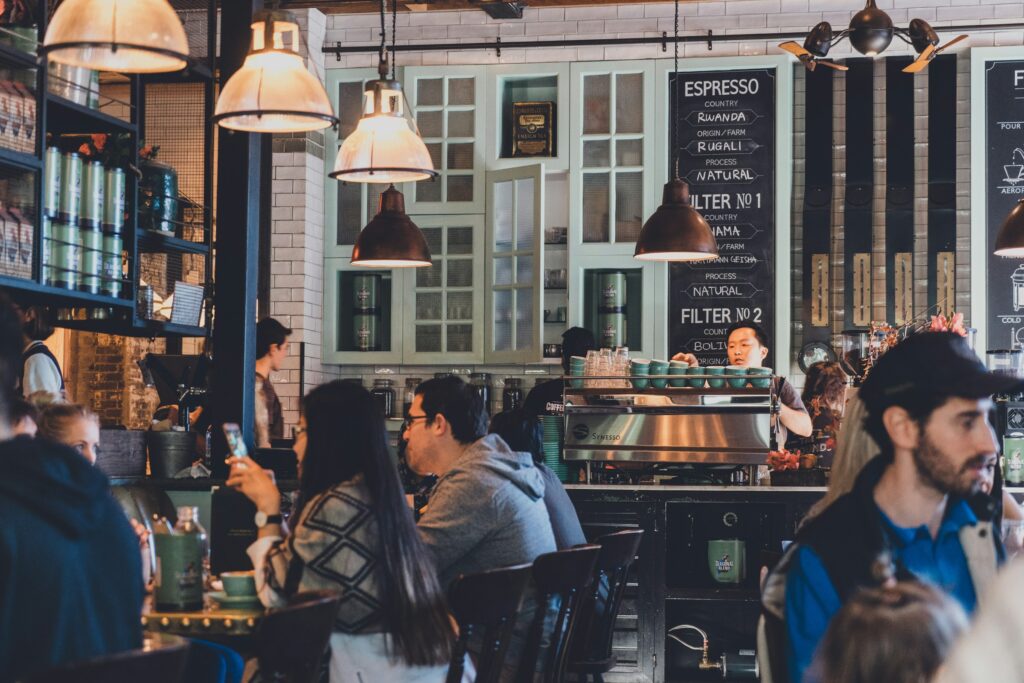
There’s a reason European cities are filled with plazas, riverbanks, terraces, and pedestrian streets. The architecture invites lingering.
In Florence, locals sit in piazzas long after finishing their coffee. In Barcelona, evening conversations stretch unhurriedly. In Lisbon, people pause along miradouros not because they have somewhere urgent to be, but because the view deserves stillness.
Rushing through these environments feels slightly misaligned with their design.
The continent’s cultural rhythms evolved long before modern itinerary culture. Slower meals, extended walks, repeated visits to the same café — these are not inefficiencies. They are structural elements of daily life.
Traveling slower aligns more closely with that rhythm.
Articles Recommended:
- A Practical, Honest Guide to Visiting Barcelona for the First Time
- Why Shoulder Season Travel in Europe Is Smarter Than Summer
The Economic and Ethical Layer
There is also an economic dimension to consider.
Rapid travel concentrates spending in highly commercialized zones. Short stays often prioritize central districts, major landmarks, and well-reviewed restaurants near attractions. This pattern reinforces pressure in already saturated areas.
Longer stays, by contrast, encourage exploration beyond the obvious. You begin to shop at neighborhood bakeries rather than tourist-facing chains. You return to the same family-owned restaurant. You become briefly familiar rather than purely transactional.
Slower travel distributes attention more naturally.
It also reduces the invisible strain that constant mobility places on infrastructure. Fewer flights. Fewer check-ins and check-outs. Less transit churn.
While individual choices may seem small, the cumulative effect across millions of travelers is significant.
The Anxiety of “Missing Out”
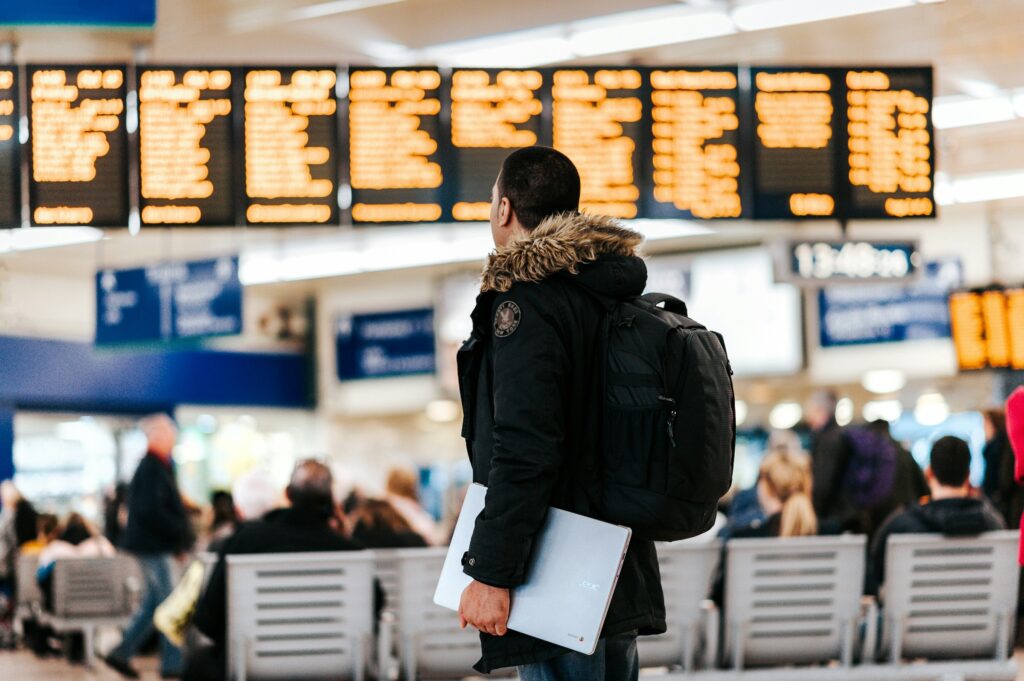
Speed in travel is often driven by fear.
Fear of missing a landmark. Fear of not maximizing opportunity. Fear of regret.
Social media amplifies this anxiety. Curated feeds present cities as collections of must-see moments. The implication is subtle but persistent: if you skip something, you’ve done the trip incorrectly.
But cities are not finite checklists. They cannot be completed.
I once skipped a major museum in Madrid because I felt saturated with galleries after several days of cultural immersion. Instead, I wandered residential streets without a plan. The memory of that aimless afternoon — sunlight on balconies, children playing in small squares — remains clearer than many structured visits.
Slower travel quiets the anxiety of completeness.
Articles Recommended:
- Best European Cities to Visit in May (Warm Weather, Fewer Crowds & Better Prices)
- European Destinations That Are Perfect for a First-Time Solo Trip
The Depth of Repetition
There’s an unexpected richness in returning to the same place multiple times during a single trip.
The same café at different hours reveals different energy. A park visited in both sunlight and drizzle changes personality. A market feels entirely different on weekday mornings compared to weekend afternoons.
When you allow repetition, cities begin to feel dimensional rather than decorative.
In Amsterdam, I once crossed the same canal bridge at least five times over several days. Each crossing felt subtly distinct. Morning commuters replaced evening wanderers. Reflections shifted. The repetition anchored the city in my memory more deeply than a packed itinerary would have.

When Slowing Down Feels Difficult
It’s worth acknowledging that slowing down can feel uncomfortable at first.
We are accustomed to productivity. To measurable output. To proving that time has been used efficiently.
Sitting in a square without photographing it. Spending an hour in a bookstore without buying anything. Watching daily life unfold without moving toward the next attraction — these actions can feel indulgent, even wasteful.
But often, that discomfort signals adjustment. Travel becomes less about accumulation and more about observation.
And observation is where understanding begins.
Articles Recommended:
- Tokyo for the First Time: A Complete Guide to Japan’s Most Dynamic City
- The Best European Cities to Visit for the First Time
Not Every Trip Allows It
There are, of course, practical realities. Limited vacation days. Budget constraints. Long-haul flights that demand efficient scheduling.
Slower travel does not require abandoning structure entirely. It requires moderation.
Even in short trips, choosing fewer neighborhoods, resisting over-scheduling, and building open time into days can transform the experience.
It’s not about staying indefinitely. It’s about resisting compression.
The Long-Term Reward
Over years of travel, I’ve noticed a shift in what remains vivid.
The most detailed memories rarely involve rushing between monuments. They involve extended dinners, repeated morning walks, conversations overheard but not understood.
They involve rhythm.
Europe rewards those willing to align with its pace. It is a continent shaped by centuries of layered history, incremental change, and lived continuity. That continuity becomes visible when you stop trying to conquer it.
The more I slow down, the less Europe feels like a series of destinations and the more it feels like an unfolding narrative.
Articles Recommended:
- Warmest Places in Europe to Visit in April 2026
- 10 Affordable Destinations in Europe for Autumn 2025
Final Thoughts
Travel will always involve movement. There is nothing inherently wrong with ambition or curiosity. But speed, when applied indiscriminately, flattens experience.
Slower travel is not about doing less. It is about noticing more.
In Europe especially — where streets carry centuries of memory and daily life unfolds in quiet detail — the most rewarding moments often occur when nothing urgent is happening at all.
A city cannot be absorbed at full speed.
But given time, it reveals itself generously.
And that generosity is what makes Europe worth returning to.
Written & updated by Matteo — Travelupo
